Water testing regulations can feel complicated. Homeowners may hear about federal rules, state standards, public water reports, private well testing, maximum contaminant levels, action levels, certified labs, and local health departments. It can be hard to know which rules apply to your home and which ones do not.
The most important thing to understand is this: water regulations help protect public drinking water, but they do not answer every household water question. A public water system may be monitored under strict rules, while a private well may be the owner’s responsibility. A water system report may show compliance at the system level, but your own plumbing, fixtures, filters, and tap may still deserve attention.
At Water Testing Info, the goal is to make water testing easier to understand. Regulations matter, but they work best when paired with practical testing, careful interpretation, and property-specific awareness.
Why Water Regulations Exist
Water regulations exist to protect drinking water quality by establishing requirements for monitoring, treatment, reporting, and contaminant limits. Public water systems must follow many of these standards, and regulators use them to help reduce risks from bacteria, chemicals, metals, disinfection byproducts, and other potential contaminants.
Without these regulations, tracking and comparing water quality would be much more difficult. Standards help define what water providers should test for, how frequently testing should occur, and what steps may be necessary when results exceed established limits.
However, regulatory standards are not the same as testing the water within an individual property. Regulations provide a system-level framework designed to monitor overall water safety, while personal testing provides insight into the specific conditions of a particular tap, private well, filtration system, or building. Drinking water testing for buildings in Brooklyn can help property owners evaluate their building’s water quality and identify potential concerns that may develop within internal plumbing systems.
Both approaches serve an important purpose, but they answer different questions. Regulations help monitor the broader water supply, while individual testing helps property owners understand what is actually present at the point where water is used.
Public Water Systems Are Regulated
If your home is connected to a public water system, your water supplier is usually required to test for regulated contaminants and provide information to customers. These systems may test for bacteria, disinfectants, metals, nitrates, organic chemicals, disinfection byproducts, and other regulated substances.
Public water regulations help make sure water is treated and monitored before it reaches customers. They also require notices if certain problems occur.
But the public system is only part of the water journey. After water leaves the main system, it may pass through service lines, building pipes, fixtures, filters, and faucets. Those local plumbing conditions can affect what comes out of your tap.
This is why some people choose tap-specific testing even when they receive public water.
Private Wells Are Different
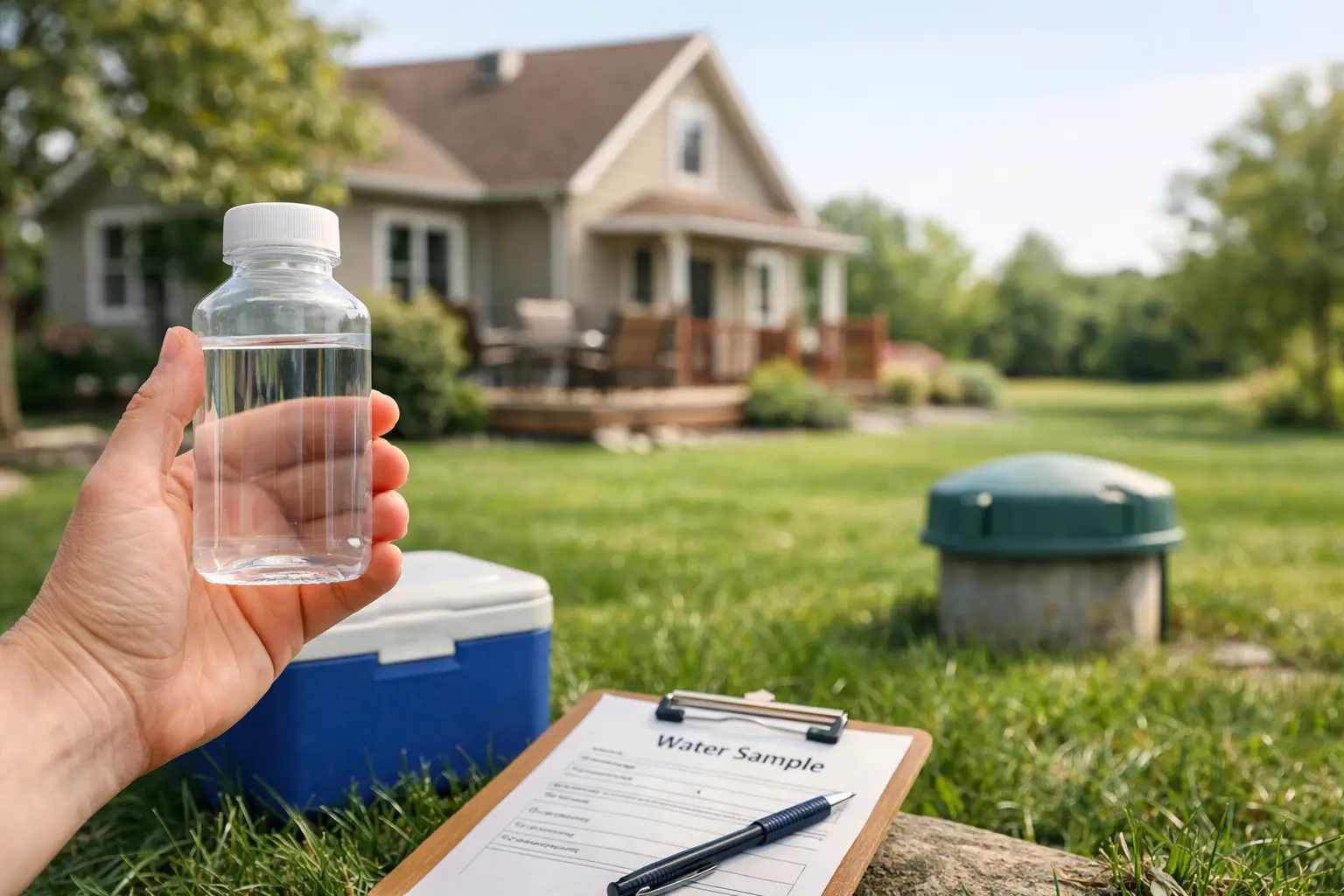
Private wells are not managed the same way as public water systems. In many places, the property owner is responsible for testing and maintaining the well. This means private well owners need to be more proactive.
A private well can be affected by groundwater conditions, septic systems, nearby farms, flooding, industrial activity, natural minerals, well construction, and treatment equipment. Because there is usually no water utility testing the well on a regular schedule, the owner must decide when and what to test.
Common well tests may include bacteria, nitrates, pH, total dissolved solids, hardness, arsenic, lead, iron, manganese, and other location-specific contaminants.
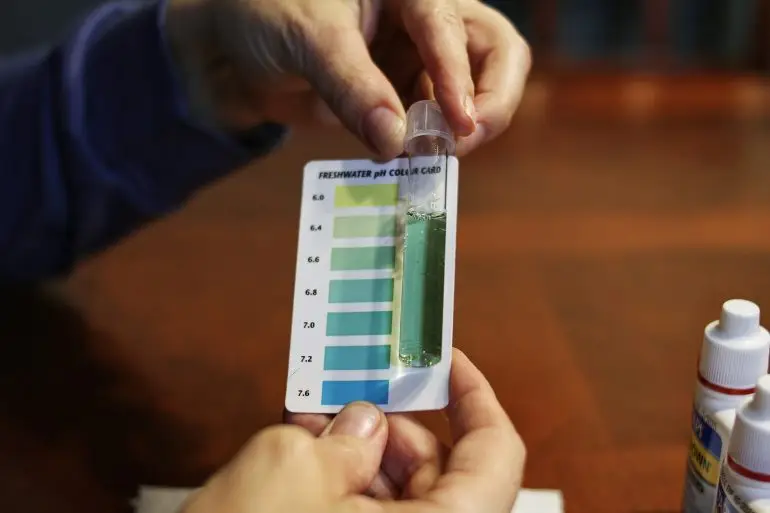
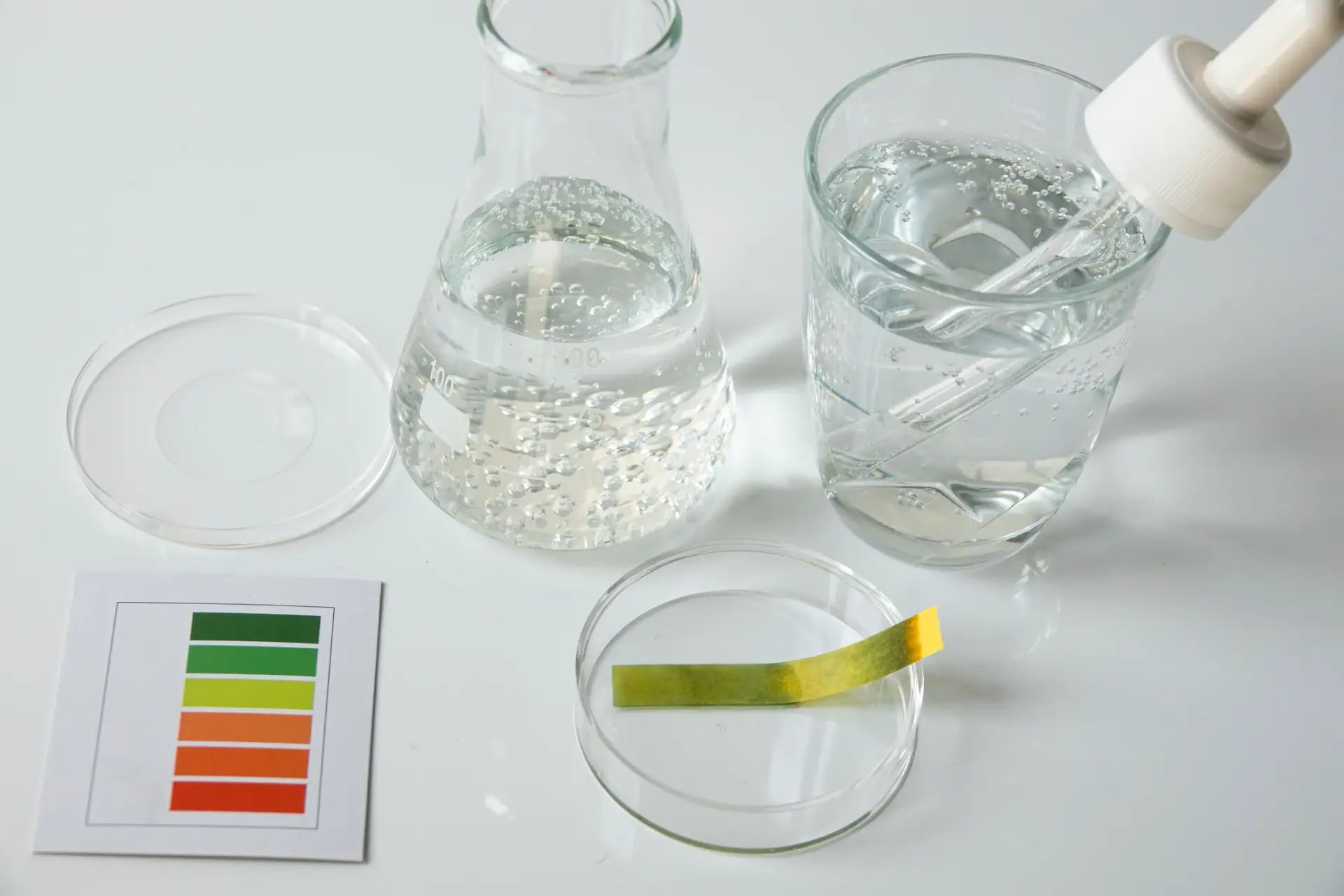
For a better understanding of how different tests work, visit the testing methods page.
Standards vs. Guidelines
Water reports may include standards, guidelines, advisory levels, action levels, or recommended limits. These terms do not always mean the same thing.
A regulatory standard may be legally enforceable for public water systems. A guideline may be health-based but not legally enforceable in every situation. An advisory level may help agencies or property owners make decisions. An action level may trigger additional steps if exceeded.
For homeowners, this can be confusing. A result may be marked above a guideline but not technically violate a law. Another result may be below a limit but still worth tracking over time.
This is why interpreting results carefully matters. Do not look only at whether a number is “legal.” Ask what the result means for your water source, household, and next steps.
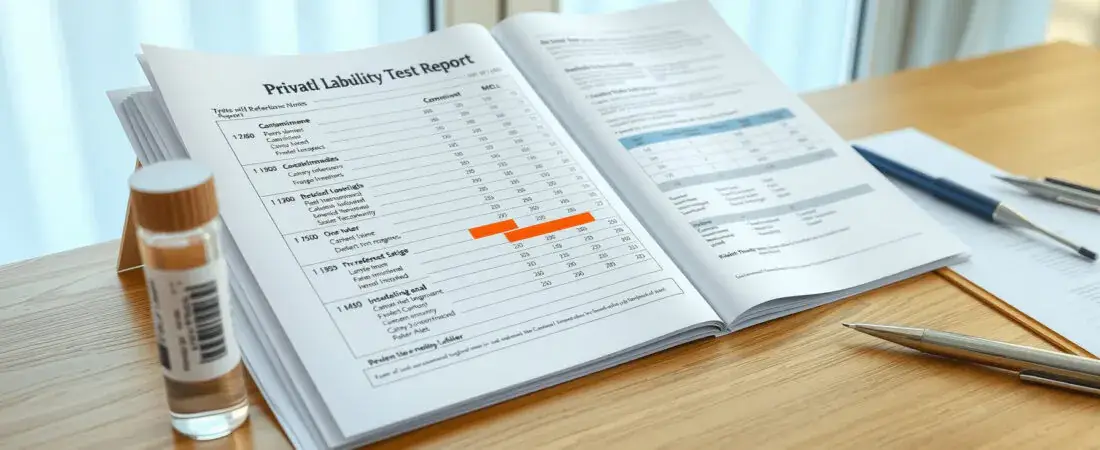
For help understanding reports, visit the interpreting results page.
Maximum Contaminant Levels
A maximum contaminant level, often called an MCL, is a legal limit for certain contaminants in public drinking water systems. These levels are set to help protect public health while considering treatment ability and other factors.
If a public water system exceeds an MCL, it may need to take corrective action and notify customers. MCLs are important because they create enforceable expectations for water suppliers.
For private well owners, MCLs can still be useful as comparison points, even though the well may not be regulated in the same way. If a private well result exceeds a public water standard, the owner should take the result seriously and consider treatment or further guidance.
An MCL is not just a random number. It is a key reference point for understanding regulated drinking water quality.
Action Levels
Some contaminants are handled through action levels rather than simple maximum limits. Lead and copper are common examples in public water regulations.
An action level does not mean that a certain amount is “safe” for every household. Instead, it means that if enough samples exceed the action level under the regulatory program, the water system must take certain steps.
For homeowners, this is important because lead can be a tap-level issue. A public water system may meet requirements, but an individual home with older plumbing, lead service lines, or corrosive water may still have lead concerns.
If lead is the concern, tap-specific testing is important because lead often comes from plumbing materials after water leaves the treatment system.
Secondary Standards
Some water quality standards are called secondary standards. These usually relate to taste, odor, color, staining, or appearance rather than direct health risk.
Examples may include iron, manganese, hardness-related issues, total dissolved solids, chloride, sulfate, or pH in certain contexts. These results can still matter because they affect daily life. Stained sinks, metallic taste, scale buildup, cloudy glassware, or unpleasant odor can be frustrating and expensive.
Secondary standards may not always create the same urgency as health-based standards, but they should not be dismissed. They can affect plumbing, appliances, laundry, and treatment choices.
Water quality is not only about safety. It is also about usability.
Consumer Confidence Reports
Many public water customers receive or can access a Consumer Confidence Report, sometimes called a water quality report. This report provides information about the public water system’s source, detected contaminants, and compliance with drinking water regulations.
These reports are useful, but they are not the same as testing your kitchen tap. They describe the water system’s monitoring results, not necessarily the final water after it has passed through your building plumbing.
For example, a Consumer Confidence Report may not reveal whether your home has lead-containing plumbing materials, an old faucet, or a poorly maintained filter.
Use the report as a starting point, not the final answer to every household question.
Local Rules Can Add Requirements
Water testing regulations can vary by state, county, city, and situation. Some areas have private well testing requirements during real estate sales. Some require testing for rental properties served by wells. Some have special rules for schools, childcare centers, food businesses, or facilities.
Local geology and history can also affect what should be tested. One area may have more arsenic concerns. Another may have nitrate concerns. Another may have industrial contamination concerns.
This is why location matters. A generic test panel may not be enough for every property.
For more on rule-related topics, visit the regulations page.
Real Estate Testing Requirements
In some states or local areas, water testing may be required when a property with a private well is sold. These rules are meant to make sure buyers receive information about the water source before closing.
Real estate water testing may need to follow specific sampling rules, lab requirements, and reporting formats. A basic home test kit may not satisfy those requirements.
Even when testing is not legally required, buyers may still request it. A water test can help identify bacteria, nitrates, lead, arsenic, metals, or other concerns before the buyer takes ownership.
For sellers, early testing can prevent delays. For buyers, it provides useful information before making a long-term commitment.
Rental Property Testing
Rental rules may also apply in some locations, especially when tenants rely on private well water. A landlord may be required to test, share results, or maintain water treatment systems depending on local law.
Even where testing is not required, landlords should take tenant water concerns seriously. If water has a strange taste, odor, color, or staining, testing can help identify what is happening.
Good water records can also support better communication between landlords and tenants.
A rental property water test is not only about compliance. It is also about responsible property management.
Schools, Childcare, and Sensitive Facilities
Some facilities may have additional water testing requirements because they serve children or sensitive populations. Schools, childcare centers, healthcare facilities, nursing homes, and food service locations may need to follow specific rules depending on location and water source.
Lead testing is often a key concern in schools and childcare settings because children are more sensitive to lead exposure. Private wells at facilities may also require special attention.
Facility water testing usually needs more planning than a simple home test. There may be multiple taps, drinking fountains, kitchens, filters, and sampling locations.
Regulations help create structure, but each facility still needs a practical testing plan.
Business Water Testing
Businesses may also need water testing depending on how they use water. Restaurants, cafes, food producers, salons, wellness centers, offices, gyms, farms, and rental businesses may all have different needs.
Some testing may be required by health departments, licensing rules, food safety programs, or local ordinances. Other testing may be voluntary but useful for equipment protection, customer confidence, or filter performance.
A coffee shop may care about hardness and taste. A food business may need safe water documentation. A salon may care about mineral content. An office may want to confirm drinking water quality.
Business water testing should match the actual use of water.
Regulations Do Not Always Cover Household Filters
Many people assume that if a filter is sold in stores, it must solve their water issue. That is not always true. Filters are often certified for specific contaminants, not every contaminant.
A filter may be certified to reduce chlorine taste and odor but not lead. Another may reduce lead but not bacteria. A softener may reduce hardness but not nitrates or PFAS. Reverse osmosis may reduce many contaminants but still needs maintenance.
Regulations may govern public water systems, but household filter selection is usually up to the consumer. Testing helps you choose the right product.
After installing a filter, follow-up testing can help confirm whether it is working.
Certified Laboratories
Some testing situations require certified laboratories. This may include official reporting, real estate transactions, public water compliance, private well programs, business licensing, or regulatory documentation.
Certified labs use approved methods, quality control procedures, and proper reporting standards. This matters when results will guide decisions or be shared with officials, buyers, tenants, or customers.
DIY kits can be helpful for basic screening, but they usually do not replace certified laboratory testing when compliance is involved.
Before testing for an official purpose, always confirm what type of lab and method are required.
Why Regulations Change
Water regulations can change over time as science improves, new contaminants are studied, treatment technology changes, and public health agencies update guidance. A contaminant that was not widely tested decades ago may become a major topic later.
PFAS is a good example of a water quality issue that has received growing regulatory attention in recent years. Lead rules have also changed over time as agencies learn more and update requirements.
Because regulations can change, homeowners and property owners should not rely only on old information. Staying informed helps ensure testing decisions match current expectations.
What Regulations Cannot Do
Regulations are important, but they cannot do everything. They cannot test every private well automatically. They cannot inspect every household faucet. They cannot guarantee that every filter is maintained. They cannot tell you whether your specific plumbing is affecting your tap water unless testing is done.
Regulations create a framework. Personal testing creates property-specific information.
This distinction is important. A water system may meet standards, but your own tap may still need testing if there are lead concerns, plumbing issues, filter problems, or private well questions.
How to Use Regulations as a Homeowner
Homeowners should use regulations as a guide, not as the only source of water confidence. Start by learning whether you have public water or a private well. Review any public water report available. Test your tap if you have plumbing concerns. Test your private well regularly. Use certified labs when results matter. Compare results with current standards and guidelines.
If a report shows a result above a standard, take it seriously. If a result is below a standard but close to it, consider monitoring. If a result affects taste, odor, staining, or scale, decide whether treatment is needed for comfort and maintenance.
Regulations help you understand what results mean. Testing helps you understand your own water.
Final Thoughts
Water testing regulations are designed to protect drinking water, but they do not answer every household question. Public water systems are regulated and monitored, but private wells are usually the owner’s responsibility. Consumer Confidence Reports are useful, but they may not reflect your specific tap. Standards, guidelines, action levels, and secondary limits all need careful interpretation.
The best approach is to combine an understanding of water regulations with practical testing strategies. Know your water source, understand the standards that apply to your property, and schedule testing when concerns arise or conditions change. Working with lead water testing consultants for Queens buildings can help ensure accurate evaluations and provide guidance on selecting the right testing methods. Use certified laboratories for official decisions, review reports carefully, maintain records, and retest when necessary to stay informed about your water quality.
Water regulations provide the framework. Water testing provides the property-specific facts.
To learn more, visit Water Testing Info or explore the Water Testing Info blog for simple guides about testing methods, interpreting results, regulations, and common water quality concerns.