Interpreting Results
Understanding MCL, MCLG, SMCL Values
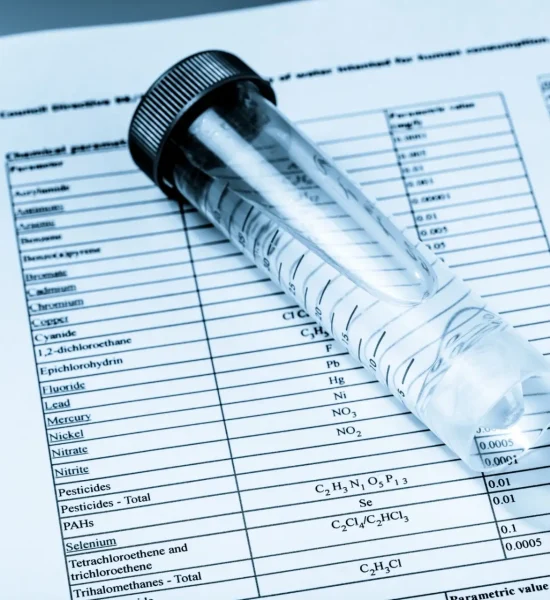
When reviewing water test results, it’s essential to understand key regulatory terms used by the EPA and other agencies. Three common values appear on reports: MCL (Maximum Contaminant Level), MCLG (Maximum Contaminant Level Goal), and SMCL (Secondary Maximum Contaminant Level).
MCL represents the legal limit for a contaminant in drinking water. Water utilities must comply with MCLs to meet federal standards. Exceeding an MCL means the water may pose health risks and triggers mandatory notification and corrective action. For example, the MCL for lead is set at 15 parts per billion, requiring remedial measures if exceeded.
MCLG is the health-based goal for a contaminant, established without considering treatment feasibility. MCLGs are usually set at zero for substances known to cause cancer or other serious health effects, reflecting the ideal safe level. While not enforceable, MCLGs help consumers understand the potential risk of exposure even when the MCL is within compliance.
SMCL refers to secondary standards addressing non-health-based water qualities, such as taste, color, and odor. SMCLs help ensure water is aesthetically acceptable to consumers but are not legally enforceable. For instance, high iron or manganese levels may exceed SMCLs, causing staining or discoloration, without posing immediate health risks.
Understanding these values allows homeowners to interpret test reports accurately. MCLs indicate regulatory compliance, MCLGs indicate ideal safety targets, and SMCLs address aesthetic concerns. Combined, they provide a comprehensive picture of water quality.

What Exceedances Mean
When a contaminant exceeds its MCL, it indicates that water may pose potential health risks if consumed over time. Exceedances are not always emergencies but signal the need for action to reduce exposure. For example, elevated lead or arsenic levels require immediate attention due to their long-term effects on organ systems and child development.
Exceedances can occur for a single tap or throughout a distribution system. Causes include aging pipes, local plumbing issues, industrial runoff, agricultural contamination, or natural mineral deposits. Identifying the source is critical for effective remediation. Sometimes, a single exceedance triggers retesting to confirm the result, as laboratory error or sample contamination can occur.
When an exceedance is detected, homeowners should take precautionary steps, such as using certified filters, flushing taps, or avoiding consumption of water from the affected source until treated. Utilities are typically required to notify consumers if MCL violations occur, providing guidance on safe use and mitigation measures.
Exceedances of SMCLs are less serious but can affect taste, color, and odor. While they don’t directly threaten health, they may indicate changes in water chemistry that warrant monitoring.
Understanding exceedances empowers consumers to make informed decisions. By recognizing which values indicate health risks versus aesthetic concerns, individuals can prioritize remediation, implement filtration, and reduce exposure to harmful contaminants. Regular testing ensures that exceedances are detected early and addressed promptly, protecting both daily water use and long-term health.