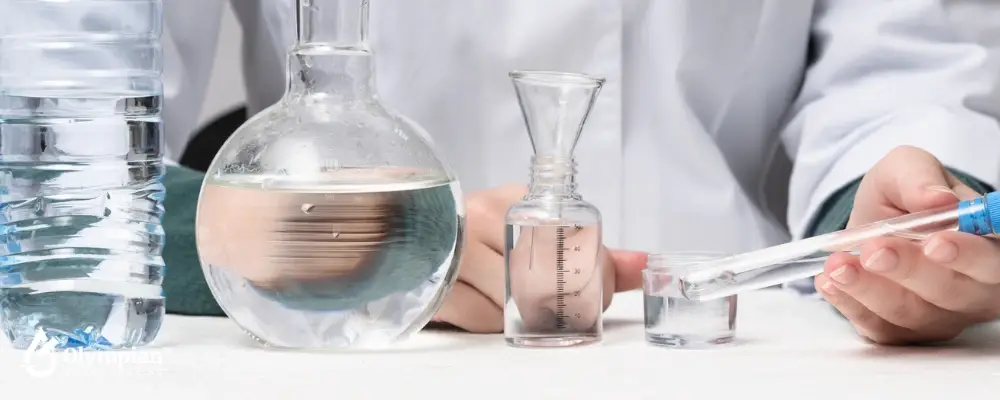
Water testing can be confusing because there are so many options. Some people buy a simple test strip kit online. Others send a water sample to a laboratory. Some use digital meters, while others schedule professional sample collection. Each option has a purpose, but not every test is right for every situation.
The biggest mistake is assuming that all water tests provide the same level of information. A quick DIY kit may help you screen for basic issues, but it may not be accurate or detailed enough for important decisions. Laboratory testing usually provides stronger results for contaminants such as bacteria, lead, arsenic, nitrates, PFAS, volatile organic compounds, and private well concerns.
At Water Testing Info, the goal is to help people understand water testing in a practical way. The right test depends on what you need to know, why you are testing, and how reliable the answer needs to be.
Why Choosing the Right Test Matters
Water testing is only useful when the test matches the question. If you are curious about water hardness, a simple kit may be enough. If you are concerned about lead in drinking water, a certified laboratory test is usually a better choice. If you need results for a real estate transaction, rental property, business, or legal requirement, a DIY kit is usually not enough.
Choosing the wrong test can create false confidence. A kit may say your water looks fine, but it may not include the contaminant you are worried about. A digital meter may show a low number, but it cannot identify bacteria, lead, arsenic, or PFAS.
Before testing, ask one simple question: what do I need this result to help me decide?
What DIY Water Test Kits Can Do
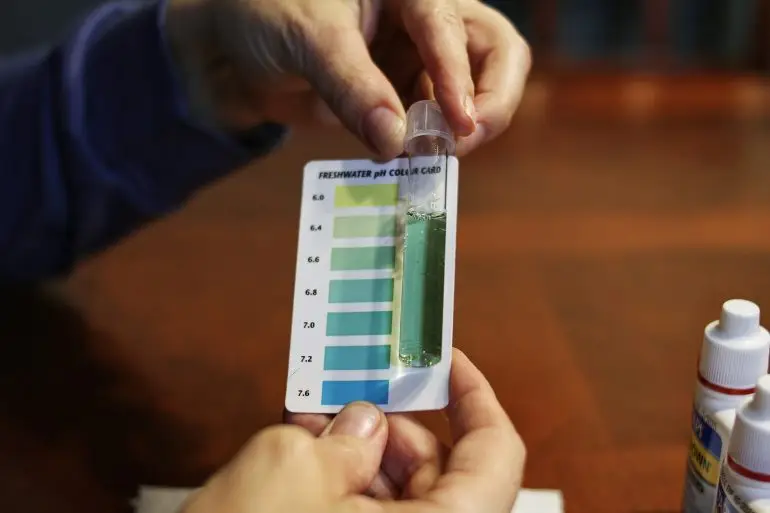
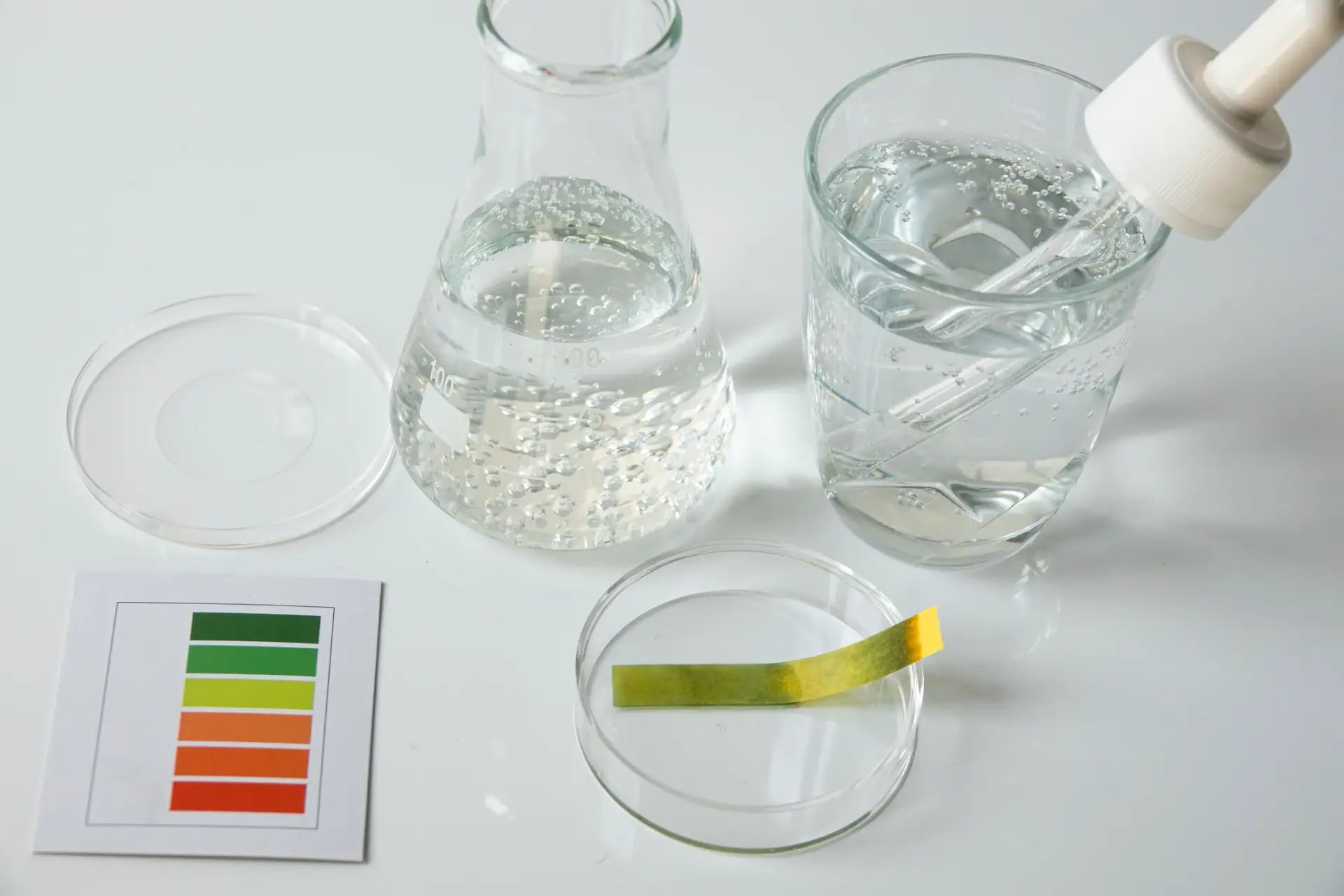
DIY water test kits are popular because they are affordable, fast, and easy to use. Many kits include test strips that change color when dipped into water. Others use drops, powders, or small digital readers.
DIY kits may help check basic indicators such as pH, chlorine, hardness, alkalinity, iron, copper, nitrates, nitrites, or total dissolved solids, depending on the kit.
These tests can be useful for quick screening. For example, a homeowner may use a DIY kit to see whether water is hard, whether chlorine is present, or whether pH is very low or high.
DIY kits can also help people decide whether more detailed testing is needed.
For more details about testing options, visit the testing methods page.
Where DIY Kits Are Helpful
DIY kits can be helpful when the goal is basic awareness. They are often useful for checking water softener performance, chlorine levels, pH changes, hardness, or general mineral trends.
They may also help homeowners monitor simple changes over time. For example, if someone has a water softener, a hardness strip can show whether the system may need salt or service. If someone uses public water, a chlorine strip may show whether disinfectant is present at the tap.
DIY kits are also useful for learning. They help people become more familiar with water quality terms and basic indicators.
However, DIY kits should be treated as screening tools, not final answers for serious concerns.
Where DIY Kits Fall Short
DIY kits have limits. They may not be sensitive enough for certain contaminants. They may not test for the exact substance you care about. Color charts can be hard to read. Results may vary based on lighting, timing, water temperature, and user error.
Some kits also group contaminants into broad categories. That can make the result less specific. For example, a general “metals” test may not tell you exactly which metal is present or at what level.
DIY kits may also give people a false sense of security. If the kit does not test for lead, arsenic, bacteria, PFAS, or VOCs, then a “normal” result does not mean those contaminants are absent.
A simple kit is only as useful as the specific things it can actually measure.
What Lab Testing Can Do
Laboratory testing is more detailed and reliable. A lab can use approved methods, controlled instruments, calibrated equipment, and quality procedures to measure specific contaminants.
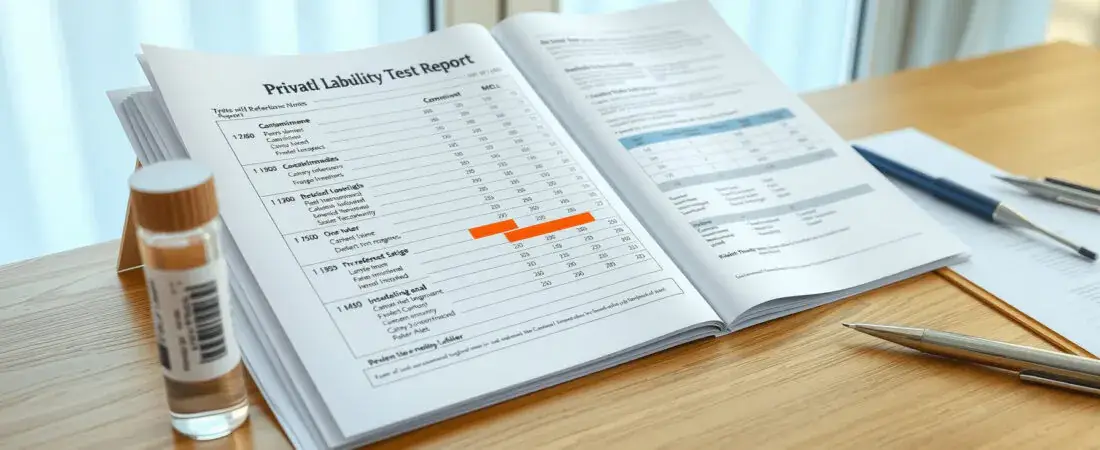
Lab testing can identify contaminants at much lower levels than many DIY kits. It can also provide a formal report with units, detection limits, and comparison standards.
Laboratory testing is commonly used for bacteria, lead, copper, arsenic, nitrates, uranium, PFAS, volatile organic compounds, pesticides, and other contaminants that require more advanced analysis.
When the result matters for health, property, treatment, compliance, or major decisions, lab testing is usually the stronger choice.
Where Lab Testing Is Best
Lab testing is best when accuracy matters. It is especially useful for private wells, real estate decisions, rental properties, schools, childcare centers, businesses, and homes with known concerns.
Lab testing is also better when the contaminant is invisible, serious, or difficult to measure. Lead, arsenic, nitrates, PFAS, VOCs, bacteria, and uranium are examples of contaminants where laboratory testing is usually preferred.
A lab report can also help guide treatment. If you are choosing a filter or treatment system, you need to know what you are trying to remove. Guessing can lead to buying the wrong product.
For help reading a lab report, visit the interpreting results page.
Lab Testing Takes More Time
One downside of laboratory testing is that it takes longer. You may need to collect a sample, ship it or deliver it to the lab, and wait for analysis. Some tests may take a few days. Others may take longer depending on the contaminant and lab schedule.
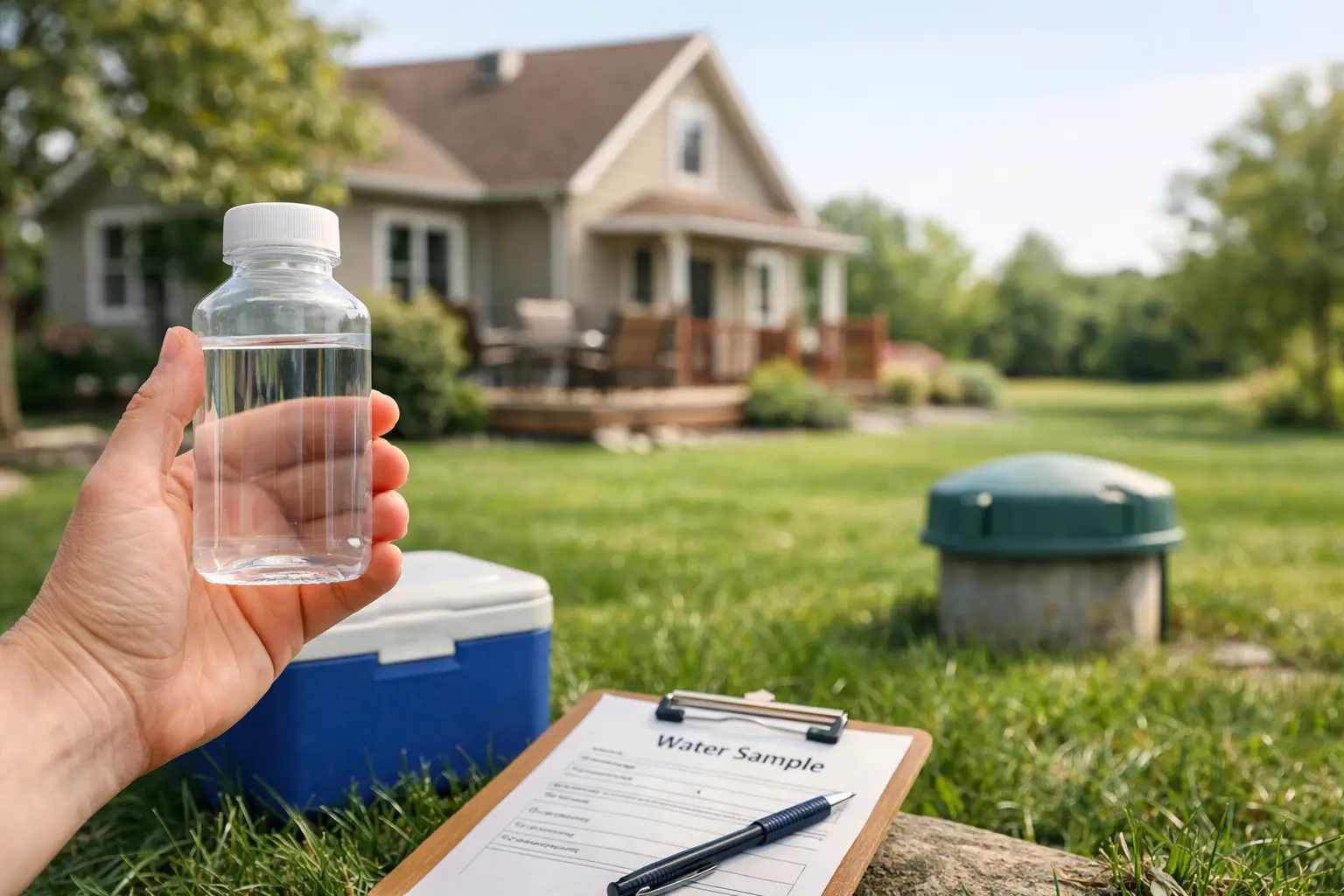
The process may also require careful instructions. Bacteria samples may need sterile bottles and fast delivery. VOC samples may need special containers. PFAS samples may have strict handling instructions. Lead samples may require first-draw collection after water has been sitting in plumbing.
Lab testing takes more effort, but the result is usually more useful when the decision is important.
Cost Differences
DIY test kits are usually cheaper than lab testing. This makes them appealing for quick checks. A basic kit may be enough if you are only curious about hardness, chlorine, or pH.
Lab testing costs more because it uses professional methods, equipment, and reporting. The price depends on how many contaminants are included. A basic bacteria or nitrate test may cost less than a large panel that includes metals, VOCs, PFAS, or radiological contaminants.
The best choice is not always the cheapest one. The best choice is the one that answers the question correctly.
If a result will affect drinking water safety, property decisions, or treatment costs, lab testing is often worth the investment.
Accuracy and Reliability
Accuracy is one of the biggest differences between DIY kits and lab testing. DIY kits can be affected by user technique, lighting, expired strips, timing, and interpretation. Lab testing uses controlled procedures and trained staff.
This does not mean every DIY kit is useless. It means DIY results should be understood as approximate screening results.
For example, a hardness strip may be good enough to show that water is hard. But if you need to know whether lead is present at a low level, a lab test is more appropriate.
Reliable testing matters because water decisions can be expensive and important.
Testing for Bacteria
Bacteria testing is one area where lab testing is strongly preferred. Private wells, rental properties, and real estate transactions often require proper bacteria testing.
A bacteria sample must usually be collected in a sterile bottle. The sample should not be contaminated by hands, dirty faucets, or improper handling. It may also need to reach the lab within a specific time window.
DIY bacteria kits may not provide the reliability needed for important decisions. If bacteria are found, the next step may involve well inspection, disinfection, retesting, or repairs.
Because bacteria can affect drinking water use, it should be tested carefully.
Testing for Lead
Lead testing should also be handled carefully. Lead often comes from plumbing materials, fixtures, solder, or service lines. The sampling method matters because water that has been sitting in pipes may show different results from water that has been flushed.
A first-draw lead sample may be collected after water has remained unused for several hours. This can help identify what water may pick up from plumbing.
DIY lead tests may not be sensitive or reliable enough for serious decisions. Lab testing provides a clearer result and can help guide next steps.
If lead is detected, homeowners may need to consider certified filters, plumbing investigation, corrosion issues, or follow-up testing.
Testing for PFAS
PFAS testing is specialized and usually requires laboratory analysis. PFAS are measured at very low levels, often in parts per trillion. A general DIY kit will not properly test for PFAS.
Sampling may also require special instructions to avoid contamination. Because PFAS can be found in many consumer products, the lab may provide specific guidance about containers and sample handling.
If PFAS is the concern, make sure the test specifically includes PFAS compounds. A general water test does not automatically include them.
This is a clear example of why the testing method must match the contaminant.
Testing for Private Wells
Private well owners often need more detailed testing than public water users because the well is usually their responsibility. A private well may need testing for bacteria, nitrates, pH, hardness, iron, manganese, lead, arsenic, and location-specific contaminants.
DIY kits may help monitor basic indicators between lab tests, but they should not replace regular laboratory testing.
A private well can change over time because of weather, well repairs, septic issues, flooding, nearby land use, or groundwater conditions.
Private well owners should use lab testing to create a reliable baseline and then retest when conditions change.
Testing Public Water at the Tap
Public water systems are monitored, but your own tap may still need testing if you have concerns about household plumbing, filters, lead, copper, taste, odor, or discoloration.
A DIY kit may help check chlorine, hardness, or pH. A lab test may be better for lead, copper, bacteria, or other specific contaminants.
This is important because water quality can change after water enters the home. Pipes, fixtures, water heaters, filters, and faucets can all affect results.
Testing your tap gives property-specific information that a public water report may not show.
Testing Before Buying a Filter
Many people buy filters before testing. This can be a mistake. Different filters reduce different contaminants. A filter that improves taste may not remove lead. A softener may not remove nitrates. A sediment filter may not remove dissolved chemicals. A carbon filter may not remove every contaminant. Reverse osmosis systems need maintenance and may not be necessary for every issue.
Testing before buying a filter helps you choose the right product. Testing after installation helps confirm that the filter is working.
For filter decisions, lab testing is often useful when the contaminant matters.
A filter should be selected based on data, not guesswork.
When DIY Testing Is Enough
DIY testing may be enough when the goal is simple screening. For example, checking water hardness before adjusting a softener may be a reasonable DIY task. Checking chlorine presence in public water may also be simple. Monitoring pH trends in a non-critical situation may be useful.
DIY tests can also be helpful for spotting changes that may lead to further testing.
The key is knowing the limits. DIY testing is not enough when the result affects health, legal compliance, real estate, private well safety, or major treatment decisions.
Use DIY kits for simple checks. Use lab testing for serious answers.
When Lab Testing Is the Better Choice
Lab testing is the better choice when:
You use a private well.
You are buying or selling a home.
You are testing for bacteria.
You are concerned about lead.
You are testing for arsenic, nitrates, PFAS, VOCs, or uranium.
You need official documentation.
A child, infant, pregnant person, or sensitive person uses the water.
You are choosing an expensive treatment system.
You need reliable proof that a filter works.
In these situations, guessing is not enough. A lab report gives clearer information.
How to Combine Both Methods
DIY and lab testing do not have to compete. They can work together. A homeowner might use DIY strips for quick hardness checks and lab testing for annual private well testing. A renter might use a simple chlorine test for curiosity and a lab test for lead concerns. A property owner might test raw and treated water in a lab, then use basic strips to monitor system performance.
The best approach is layered. Use simple tools for simple questions. Use laboratory testing for important questions.
This creates a practical balance between cost, convenience, and reliability.
Common Mistakes to Avoid
Avoid using a DIY kit for a contaminant it does not measure. Avoid assuming low TDS means safe water. Avoid testing only filtered water when you need to know source water. Avoid ignoring sample instructions. Avoid collecting a first-draw sample after running the tap. Avoid using old or expired strips. Avoid buying a filter before knowing what needs to be reduced.
Also avoid assuming that one test answers every water question.
Water testing works best when the test is chosen carefully and the result is interpreted correctly.
For more water education, visit the Water Testing Info blog.
Final Thoughts
DIY water test kits and lab testing both have value, but they serve different purposes. DIY kits are useful for quick screening, basic indicators, and simple monitoring. Lab testing is better for accuracy, important contaminants, private wells, real estate, treatment decisions, and official documentation.
The right choice depends on the reason for testing. If you only want a quick look at hardness or chlorine, a DIY kit may help. If you need to know whether your drinking water contains lead, bacteria, arsenic, PFAS, nitrates, or VOCs, laboratory testing is usually the better path.
Water testing is not just about getting a number. It is about getting the right information for the decision you need to make.
To learn more, visit Water Testing Info or explore the Water Testing Info FAQ for simple answers about testing methods, interpreting results, regulations, and common water quality concerns.