Choosing a water test can feel confusing because there are many possible contaminants and indicators. Some tests check bacteria. Others check metals, minerals, chemicals, pH, hardness, PFAS, nitrates, or volatile organic compounds. A homeowner may look at a long testing panel and wonder, “Do I need all of this?”
The answer depends on your water source, property age, plumbing, location, household needs, and reason for testing. A private well usually needs a different testing plan than a home connected to a public water system. A house with older plumbing may need lead and copper testing. A property near farms, septic systems, or industrial areas may need additional testing. A home with filters may need before-and-after testing to confirm performance.
At Water Testing Info, the goal is to make water testing easier to understand. This beginner’s checklist explains common drinking water tests, why they matter, and when each one may be useful.
Start With Your Water Source
Before choosing a test, identify your water source. This is the most important starting point.
If your home uses public water, your water supplier is usually responsible for monitoring the water system. However, your own plumbing, fixtures, service line, water heater, and filters can still affect what comes out of your tap.
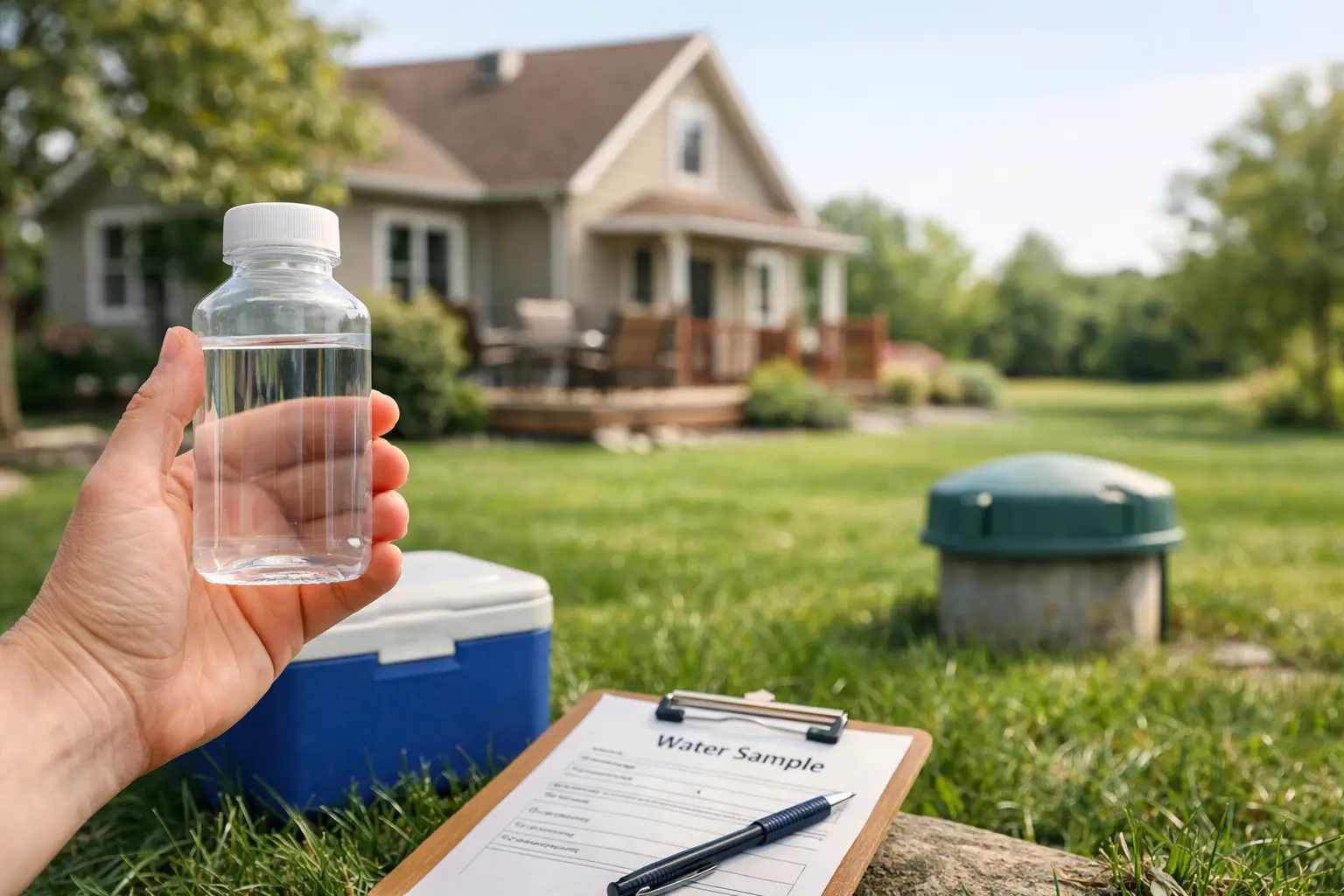
If your home uses a private well, you are usually responsible for testing and maintenance. This means you may need a more proactive testing schedule.
If your water comes from a storage tank, shared well, spring, cistern, or hauled water system, testing may require additional planning.
Your water source helps determine the right testing checklist.
Basic Water Quality Indicators
Basic water quality indicators help describe the general condition of the water. They may not identify every contaminant, but they help explain taste, odor, corrosion, staining, and treatment needs.
Common basic indicators include pH, hardness, total dissolved solids, alkalinity, conductivity, turbidity, and chlorine.
These results can help answer questions like:
Is the water acidic?
Is the water hard?
Does it contain a high amount of dissolved minerals?
Is there disinfectant present?
Is the water cloudy?
Could the water be corrosive?
Basic indicators are often a good starting point, especially when you are trying to understand general water behavior.
For a deeper look at testing options, visit the testing methods page.
pH
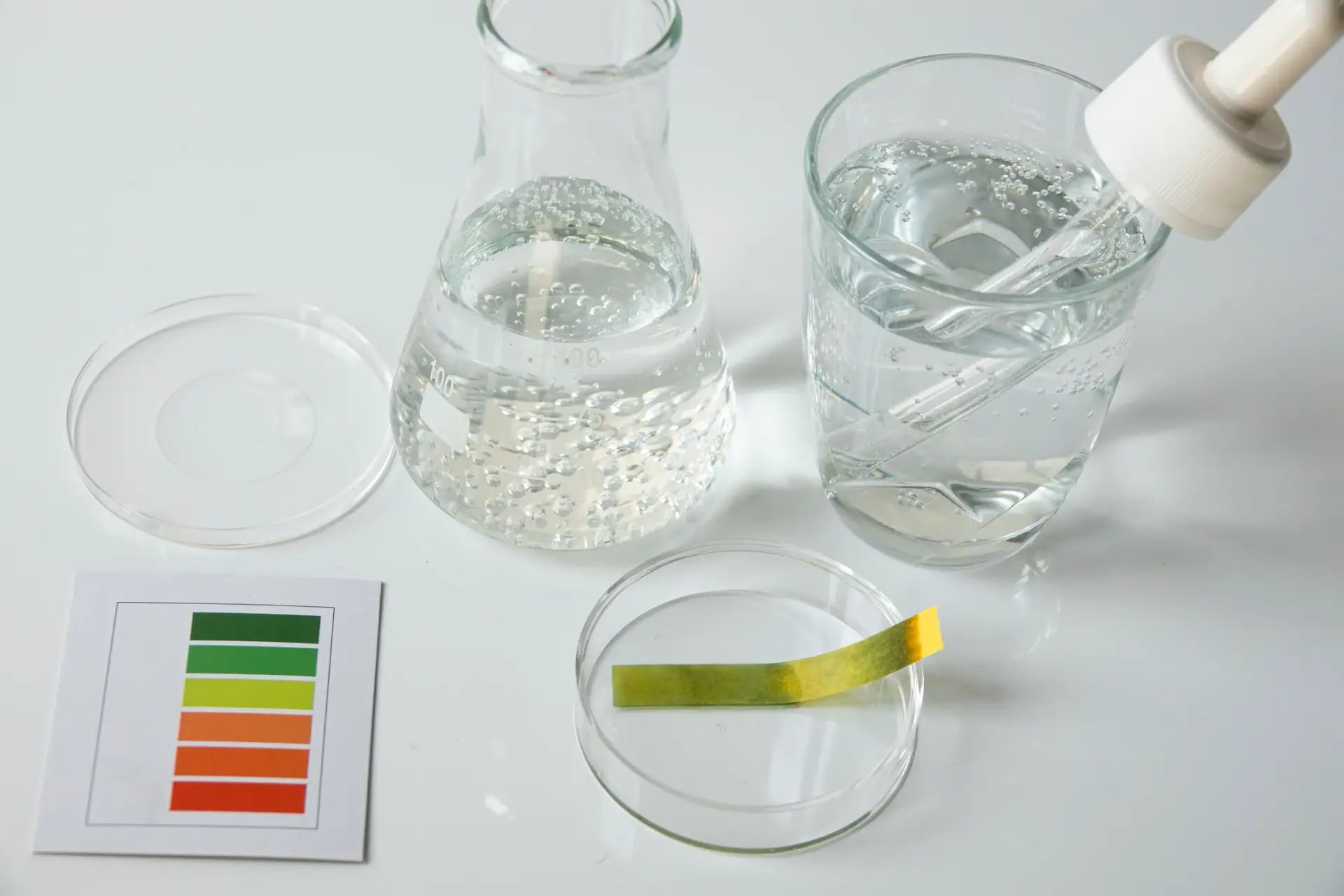
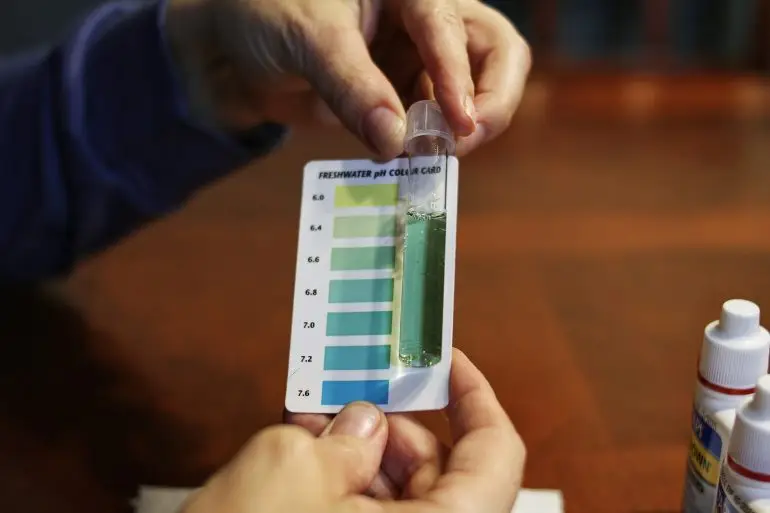
pH measures how acidic or basic the water is. A low pH means the water is more acidic. A high pH means the water is more basic.
pH matters because it affects plumbing, treatment systems, taste, and corrosion. Low pH water can be corrosive and may contribute to metals leaching from pipes and fixtures. High pH water may affect taste, scaling, and treatment performance.
pH does not tell you everything, but it gives useful context. If lead, copper, or corrosion concerns appear in a report, pH can help explain why.
pH is especially useful for private wells and homes with older plumbing.
Hardness
Hardness is caused mainly by calcium and magnesium minerals. Hard water is not always a health concern, but it can affect daily life.
Hard water may cause scale buildup on faucets, cloudy glassware, soap scum, dry-feeling skin, mineral deposits, and reduced appliance efficiency. It can also affect water heaters, dishwashers, coffee makers, and plumbing fixtures.
Testing hardness can help you decide whether a water softener is needed or whether an existing softener is working.
Hardness testing is useful for both public water homes and private wells.
Total Dissolved Solids
Total dissolved solids, often called TDS, measures the total amount of dissolved material in water. This can include minerals, salts, metals, and other dissolved substances.
A TDS result can help explain taste or mineral content, but it does not identify specific contaminants. A low TDS result does not automatically mean water is safe. A high TDS result does not automatically tell you what is causing the issue.
TDS is a broad indicator, not a full safety test.
It is helpful when used with other testing, not as a replacement for specific contaminant analysis.
Chlorine and Disinfectant Testing
If your home uses public water, chlorine or chloramine may be used for disinfection. Testing for chlorine can help explain taste, odor, and filter performance.
Some people test chlorine to see whether a carbon filter is reducing it. Others test it when water has a strong pool-like smell.
For private wells, chlorine may be present after shock chlorination or well disinfection. If a well has recently been disinfected, chlorine testing can help confirm when levels have dropped before retesting for bacteria.
Chlorine testing is useful, but it does not replace testing for bacteria or other contaminants.
Bacteria Testing
Bacteria testing is one of the most important tests for private wells. It is also important after flooding, well repairs, plumbing work, or sudden water quality changes.
Common bacteria testing may include total coliform and E. coli. Total coliform bacteria can indicate that the water system may be vulnerable to contamination. E. coli is more concerning because it may indicate fecal contamination.
Water with bacteria may still look clear. That is why testing matters.
If bacteria are detected, the next step may involve disinfection, well inspection, repairs, and retesting.
Nitrates and Nitrites
Nitrates and nitrites are especially important for private wells. They may come from fertilizers, septic systems, animal waste, runoff, or natural groundwater conditions.
Nitrate testing is particularly important for households with infants because elevated nitrate levels can be a serious concern for babies. A private well near farms, lawns, septic systems, or animal areas should be tested regularly for nitrates.
Nitrates usually do not change the taste, smell, or color of water.
This makes testing the only reliable way to know whether they are present at concerning levels.
Lead
Lead testing is important for homes with older plumbing, lead service lines, brass fixtures, solder, or corrosive water. Lead can enter water after it leaves the water source and travels through pipes or fixtures.
Lead usually cannot be seen, smelled, or tasted in water. That means clear water can still have a lead issue.
Sampling method matters. A first-draw sample may show what water picks up after sitting in plumbing. A flushed sample may show different information.
Homes with children, older pipes, or renovation history should consider lead testing from the tap used for drinking and cooking.
Copper
Copper can enter water through copper plumbing, especially when water is corrosive. It may cause blue-green staining on fixtures, metallic taste, or plumbing concerns.
Copper testing is often useful when pH is low, when blue-green stains appear, or when the home has copper pipes.
Like lead, copper results can depend on sampling method. Water that has been sitting in pipes may show a different result from flushed water.
Copper testing can help identify corrosion-related issues and guide treatment decisions.
Iron
Iron is common in private wells and can also appear because of plumbing or source water conditions. It may cause reddish-brown stains, metallic taste, orange residue, and discoloration.
Iron may not always be a major health concern, but it can make water unpleasant and create maintenance problems.
Testing iron can help explain stains on sinks, tubs, toilets, laundry, and appliances.
If iron is high, treatment options may depend on the form of iron and the rest of the water chemistry.
Manganese
Manganese is another naturally occurring mineral that may appear in groundwater. It can cause dark staining, black particles, discoloration, and taste issues.
Manganese often appears with iron, but it should be tested separately because treatment needs may differ.
If you see black staining, dark sediment, or persistent discoloration, manganese testing may be useful.
For private wells, manganese is often included in broader mineral and metals testing.
Arsenic
Arsenic can occur naturally in groundwater in some areas. It may also be associated with certain environmental conditions. It usually does not create obvious taste, smell, or color changes.
Private well owners in areas known for arsenic should include it in their testing plan. A basic test may not automatically include arsenic, so it should be specifically requested when relevant.
If arsenic is detected at concerning levels, treatment may be needed. The right treatment depends on the water chemistry and arsenic form.
Arsenic testing is a good example of why location-based testing matters.
Uranium and Gross Alpha
Some groundwater may contain naturally occurring radioactive elements or indicators, depending on local geology. Uranium and gross alpha particle activity may be tested in certain areas.
These tests are more specialized and are usually most relevant for private wells or locations where local geology creates concern.
A gross alpha result may be a screening measurement. If elevated, additional testing may be needed to identify specific contaminants.
These are not tests every household thinks about first, but they may be important in certain regions.
PFAS
PFAS are a group of human-made chemicals sometimes called “forever chemicals.” They may be associated with certain industrial sites, firefighting foams, landfills, airports, military facilities, wastewater, and other sources.
PFAS testing is specialized and must be specifically requested. It is not included in every basic water test.
PFAS are usually measured at very low levels, often in parts per trillion. Testing requires proper laboratory methods and careful sample handling.
If you are concerned about PFAS, make sure the test panel clearly includes PFAS compounds.
Volatile Organic Compounds
Volatile organic compounds, often called VOCs, are chemicals that may come from fuels, solvents, dry cleaning chemicals, industrial activity, leaking tanks, spills, or environmental contamination.
VOC testing is usually done through laboratory analysis. It requires special sample bottles and careful handling.
Homes near industrial sites, gas stations, dry cleaners, landfills, or known contamination areas may consider VOC testing.
A general home test does not always include VOCs, so they should be requested when relevant.
Pesticides and Herbicides
Pesticides and herbicides may be relevant for properties near farms, golf courses, heavily treated lawns, orchards, or agricultural areas.
These tests are specialized. They are not always included in basic drinking water panels.
Private wells near agricultural land may need more location-specific testing. The right pesticide panel depends on local use patterns and concerns.
Testing for pesticides can be important when the water source may be affected by runoff or groundwater movement.
Sulfate and Sulfur-Related Odors
A rotten-egg smell may be related to hydrogen sulfide, sulfur bacteria, or water heater conditions. Testing may include sulfate, bacteria indicators, or other chemistry depending on the situation.
Sometimes the smell is not from the water source but from the drain or water heater. This is why careful troubleshooting matters.
If odor occurs only in hot water, the water heater may be involved. If it occurs in both hot and cold water, the source or plumbing may need more attention.
Testing helps narrow the cause.
Sodium and Chloride
Sodium and chloride may be important in areas affected by road salt, softened water, coastal influence, septic systems, or certain groundwater conditions.
People on sodium-restricted diets may want to know sodium levels in drinking water. Chloride can affect taste and may contribute to corrosion at high levels.
If a home uses a water softener, sodium may increase in softened water depending on the system and setup.
Testing sodium and chloride can help explain salty taste or corrosion concerns.
Fluoride
Fluoride may be present naturally or added to some public water systems. Some households want to know fluoride levels for dental or personal reasons.
Public water users may find fluoride information in water supplier reports, but tap testing can provide a property-specific result if needed.
Private well owners may test for fluoride if local groundwater is known to contain it or if there are specific household concerns.
Fluoride testing is not always part of a basic panel, so it may need to be requested.
What Public Water Users Should Test
If you use public water, your checklist may focus more on household plumbing and tap-specific concerns. Common tests may include lead, copper, pH, chlorine, hardness, TDS, iron, and any concern related to taste, odor, or discoloration.
If local notices mention contamination, you may need targeted testing based on the issue.
A public water report can provide helpful system-level information, but it may not reveal what is happening inside your home’s plumbing.
Testing your own tap can answer more personal questions.
What Private Well Owners Should Test
Private well owners should consider a broader checklist. Common tests may include total coliform, E. coli, nitrates, nitrites, pH, hardness, TDS, lead, copper, iron, manganese, arsenic, and location-specific contaminants.
Depending on the area, additional testing may include uranium, gross alpha, VOCs, pesticides, PFAS, sodium, chloride, sulfate, or fluoride.
Private wells should be tested regularly and after major events such as flooding, repairs, nearby contamination, or changes in water quality.
For well owners, testing is part of responsible maintenance.
What to Test Before Buying a Filter
Before buying a filter, test for the concern you want to solve. If the problem is taste, test for chlorine, TDS, hardness, or other basic indicators. If the concern is lead, test for lead. If the concern is PFAS, test specifically for PFAS. If the concern is bacteria, test for bacteria.
Do not assume one filter solves everything.
Testing before filtration helps choose the right system. Testing after filtration helps confirm performance.
A filter should be selected based on results, not guesswork.
What to Test After a Water Problem
If water suddenly changes color, smell, taste, or clarity, testing should match the symptom.
Brown or orange water may suggest iron, sediment, or rust.
Blue-green staining may suggest copper corrosion.
Black particles may suggest manganese, rubber parts, carbon filter media, or plumbing material.
Rotten-egg smell may suggest sulfur issues or water heater problems.
Cloudiness may involve air, sediment, turbidity, or minerals.
Symptoms are clues, but testing is needed to confirm the cause.
Keep a Water Testing Record
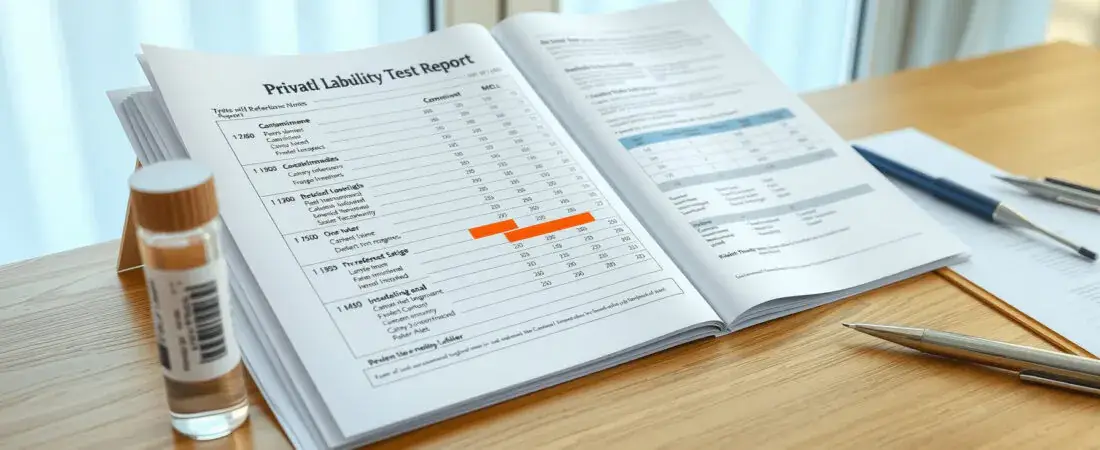
Every test result should be saved. Keep the date, sample location, water source, whether the sample was filtered or unfiltered, and any notes about weather, repairs, filter changes, or unusual symptoms.
This record helps you compare results over time. It also helps when selling a property, renting a home, installing treatment, or troubleshooting future issues.
Water quality can change. A record helps you notice patterns.
For more education, visit the Water Testing Info blog.
Final Thoughts
There is no single water test that is perfect for every home. The right checklist depends on your water source, plumbing, location, household needs, and reason for testing.
Public water users may focus on tap-specific concerns such as lead, copper, chlorine, hardness, and plumbing-related issues. Private well owners may need broader testing for bacteria, nitrates, metals, pH, minerals, and location-specific contaminants. Homes near farms, septic systems, industrial areas, or known contamination sources may need specialized testing.
The best water testing plan starts with a clear question: what do you need to know?
To learn more, visit Water Testing Info or explore the Water Testing Info FAQ for practical answers about testing methods, interpreting results, regulations, and common water quality concerns.