Water testing can sound technical at first. Homeowners may hear terms like lab testing, field screening, test strips, bacteria analysis, metals testing, PFAS testing, first-draw samples, and certified methods. If you are not familiar with water quality, it can be hard to know which method is right for your situation.
The truth is that there is no single water testing method that answers every question. A quick test strip may help with simple indicators like pH or chlorine. A laboratory test may be needed for lead, bacteria, arsenic, PFAS, volatile organic compounds, or real estate requirements. A field meter may be useful for checking conductivity or total dissolved solids, but it cannot identify every contaminant.
At Water Testing Info, the goal is to make water testing easier to understand. The right method depends on what you are testing for, why you are testing, and how accurate the result needs to be.
Why Testing Method Matters
The testing method matters because different contaminants require different types of analysis. You cannot test for everything with one simple strip. You also cannot rely on taste, smell, or appearance to identify many important water concerns.
For example, lead usually cannot be seen, smelled, or tasted in water. PFAS usually do not change water’s appearance. Bacteria may be present even when water looks clear. Nitrates may not create obvious warning signs. Arsenic can be present without taste or odor.
A testing method should match the concern. If the concern is chlorine taste, a simple test may be useful. If the concern is lead, bacteria, PFAS, or arsenic, proper laboratory testing is usually the better choice.
For a deeper overview, visit the testing methods page.
Visual Checks Are Only the Beginning
Before formal testing, many people begin with a simple visual check. They look for cloudiness, particles, discoloration, stains, scale buildup, or unusual residue. While these observations can provide helpful clues, they are not enough to determine whether water is safe or identify the exact cause of a quality concern.
Visual signs can point toward certain issues. Orange stains may suggest the presence of iron. White buildup may indicate hardness. Blue-green stains can be associated with copper corrosion. Brown water may be linked to sediment or rust, while black particles may come from plumbing materials, manganese, rubber components, or aging filters.
However, visual checks cannot confirm what is actually present in the water. They only provide indicators that something may require further investigation. A clear glass of water can still contain invisible contaminants that cannot be detected by appearance alone.
Visual observation is a useful first step for identifying potential concerns and deciding what questions should be explored further, but accurate answers require proper laboratory analysis. Accredited lead water testing for Brooklyn can provide reliable results and valuable insight into water quality, helping homeowners better understand potential risks within their water supply.
Taste and Odor Checks Have Limits
Taste and smell can also give clues. Chlorine odor may be related to disinfection. A metallic taste may suggest metals or plumbing corrosion. A rotten-egg smell may involve sulfur-related compounds or bacteria. A musty smell may point to organic matter, plumbing, or storage conditions.
But taste and odor are not reliable safety tests. Some important contaminants have no noticeable taste or smell. Others may share similar symptoms, making it hard to identify the real cause.
A person may assume a metallic taste means iron, when copper or lead may also need consideration. A smell may seem like water contamination, but sometimes the problem is actually the drain or water heater.
Testing helps separate clues from facts.
Test Strips
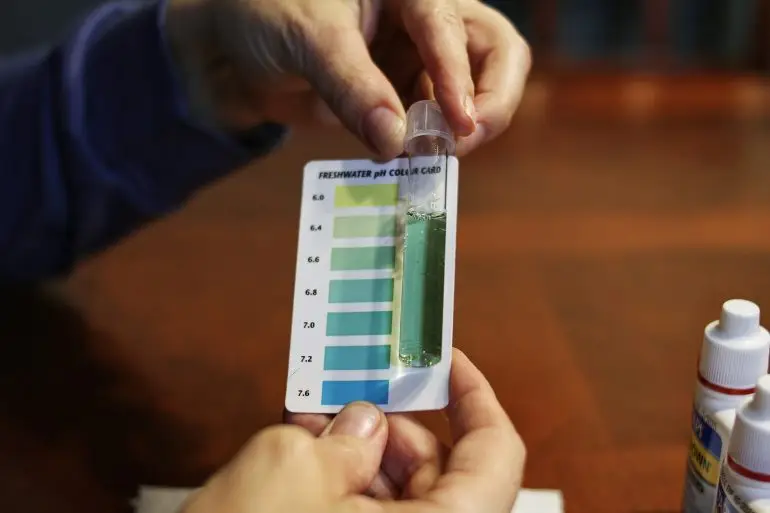
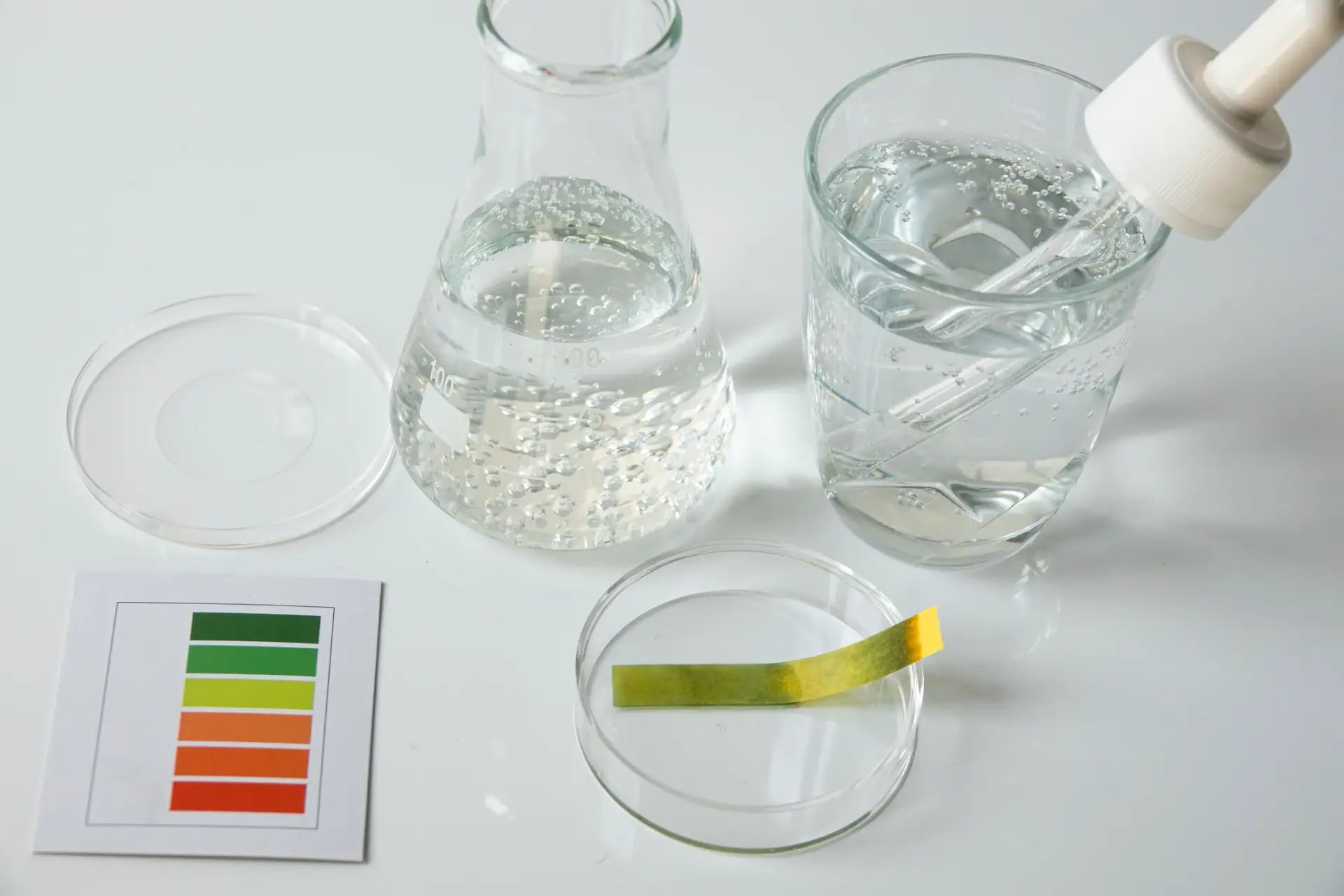
Test strips are one of the most common consumer water testing tools. They are easy to use, affordable, and widely available. A strip is dipped into water, then compared with a color chart.
Test strips can be useful for simple screening. They may check indicators such as pH, chlorine, hardness, alkalinity, nitrates, nitrites, iron, copper, or total chlorine depending on the kit.
The advantage is speed. Results may appear within seconds or minutes. The downside is accuracy and sensitivity. Color comparison can be subjective, and strips may not detect contaminants at levels needed for serious decisions.
Test strips are best for quick checks and basic awareness. They should not replace laboratory testing when results matter for health, real estate, compliance, private wells, or treatment decisions.
Liquid Reagent Tests
Liquid reagent tests are another common method. These kits use drops of chemicals that react with the water sample and create a color change. The color is then compared with a chart or measured using a small device.
Reagent tests are often used for pools, aquariums, and some drinking water indicators. They may test for chlorine, pH, alkalinity, hardness, iron, or other parameters.
These tests can be more precise than basic strips for some uses, but they still have limits. They require careful handling, correct timing, clean containers, and proper interpretation.
For household drinking water concerns, reagent tests may be helpful for screening, but they are not the best method for every contaminant.
Digital Meters
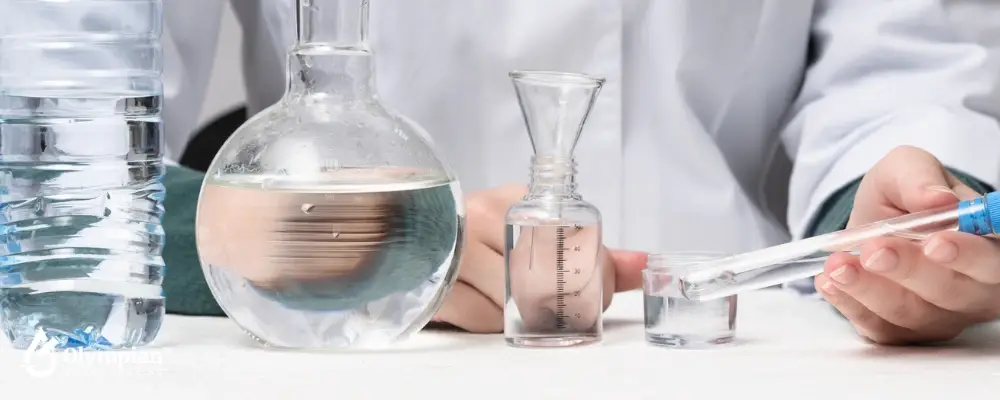
Digital meters can measure certain water properties quickly. Common meters include pH meters, conductivity meters, total dissolved solids meters, and oxidation-reduction potential meters.
A total dissolved solids meter, often called a TDS meter, is popular because it gives a quick number. But TDS does not tell you whether water is safe. It measures the amount of dissolved substances, not what those substances are.
For example, a TDS meter cannot tell whether water contains lead, arsenic, bacteria, PFAS, or nitrates. It only gives a broad reading of dissolved material.
Digital meters are useful tools when used correctly, but they should not be treated as complete water tests.
Laboratory Testing
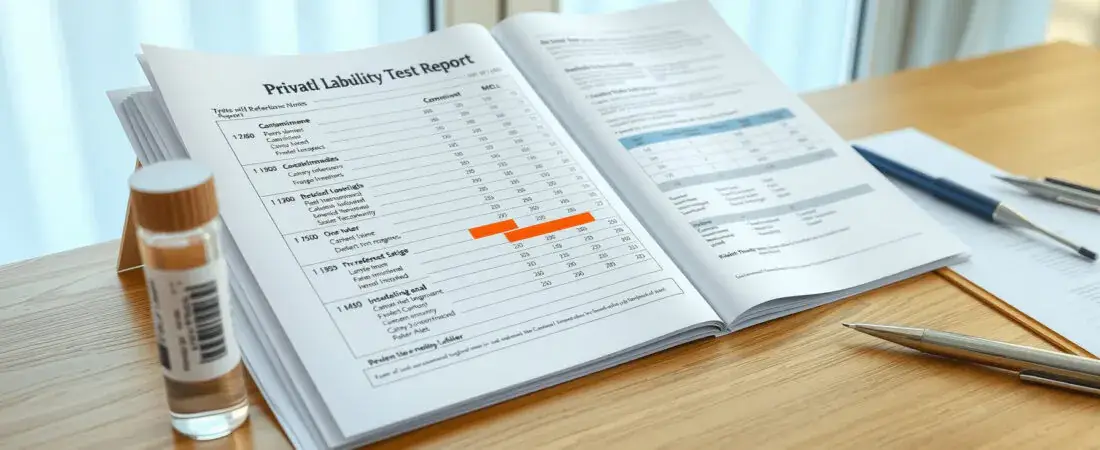
Laboratory testing is the best choice when accuracy matters. A certified or qualified lab can test for specific contaminants using recognized methods, calibrated instruments, and quality control procedures.
Lab testing is commonly used for bacteria, lead, copper, arsenic, nitrates, volatile organic compounds, PFAS, uranium, pesticides, and many other contaminants. It is also often required for real estate transactions, private well programs, regulatory compliance, and formal documentation.
Laboratory tests usually take longer than home kits, but they provide more reliable and detailed results.
If your result will guide a major decision, such as installing treatment, buying a home, using well water, or addressing a possible health concern, lab testing is usually the stronger option.
Bacteria Testing
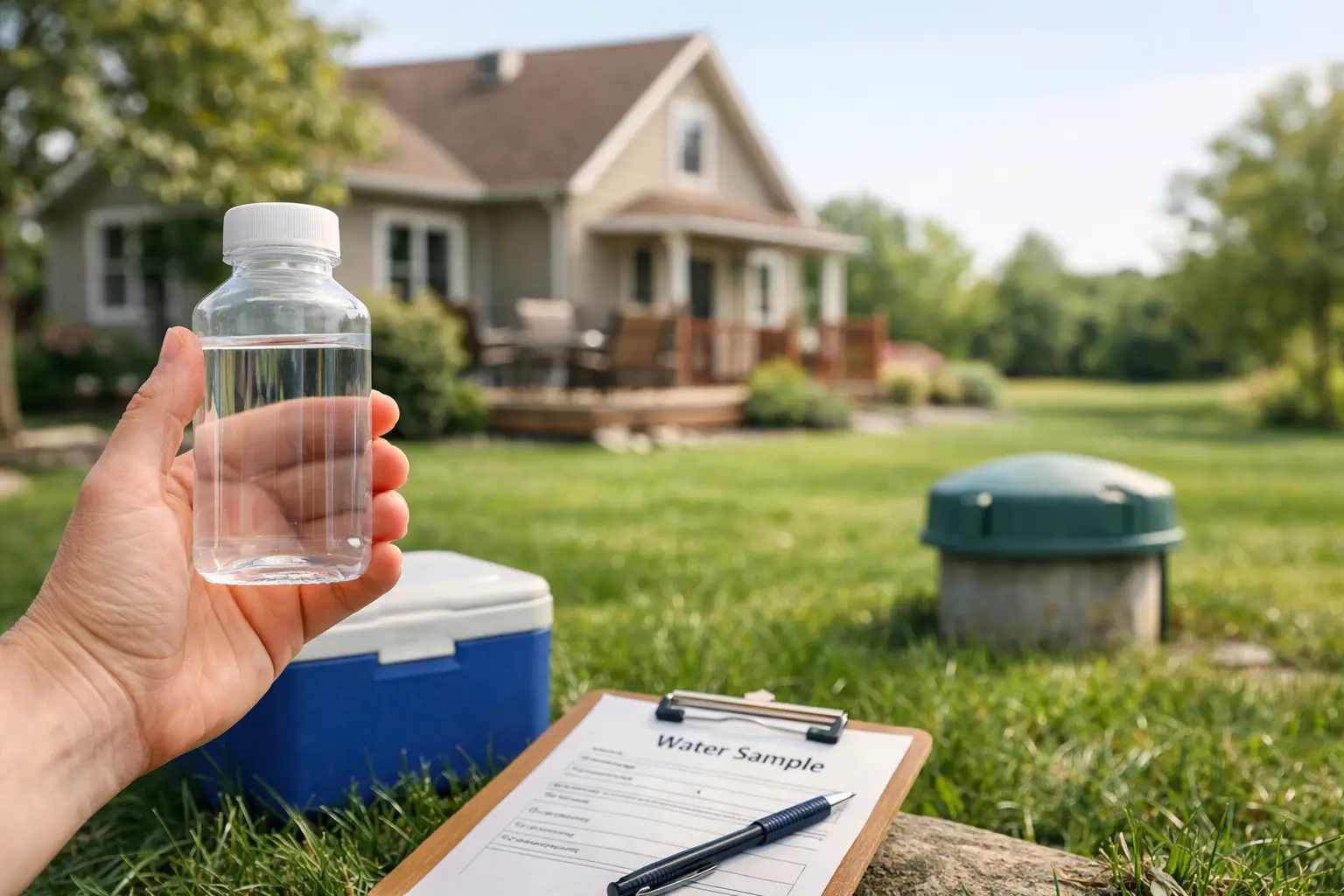
Bacteria testing requires special care. A sample for bacteria should be collected in a sterile container and delivered to the lab within the required time window. The collection process matters because contamination from hands, faucets, or containers can affect results.
Common bacteria tests may include total coliform and E. coli. These tests help indicate whether the water system may be vulnerable to microbial contamination.
Private well owners should pay special attention to bacteria testing, especially after flooding, well repairs, heavy rain, or changes in taste, odor, or appearance.
A store-bought kit may not be enough for important bacteria decisions. Laboratory testing is usually the better choice.
Metals Testing
Metals testing may include lead, copper, iron, manganese, arsenic, mercury, chromium, cadmium, or other metals depending on the concern. Metals may come from natural groundwater, plumbing materials, industrial sources, or corrosion.
Sampling method matters. For lead and copper, first-draw samples may be used to understand what water picks up after sitting in plumbing. Flushed samples may show a different result.
This is why instructions should be followed carefully. Running water for too long before a first-draw sample can change the result. Using the wrong container can also create problems.
Metals testing is often best handled through a laboratory.
PFAS Testing
PFAS testing is specialized. PFAS are often measured at very low levels, and samples must be collected carefully to avoid contamination. A general water test does not automatically include PFAS.
PFAS testing usually requires lab methods designed for these compounds. The report may list several PFAS individually, such as PFOA, PFOS, PFHxS, PFNA, PFBS, or HFPO-DA.
Because PFAS are used in many materials, sampling instructions may be strict. The lab may provide specific containers and guidance about what to avoid during collection.
If PFAS is the concern, make sure the test specifically includes PFAS analysis.
Nitrate Testing
Nitrates are especially important for private wells and households with infants. Nitrates can come from fertilizers, septic systems, animal waste, runoff, and natural soil conditions.
Nitrate testing may be done through laboratory analysis or some screening kits, but lab testing is preferred when results matter. Elevated nitrates can require treatment, alternative water use, or investigation of contamination sources.
The U.S. Environmental Protection Agency provides information about private drinking water wells and recommends well owners test regularly for certain contaminants.
Private well owners should not rely only on appearance because nitrates usually do not create obvious signs.
Volatile Organic Compound Testing
Volatile organic compounds, often called VOCs, may come from solvents, fuels, industrial activities, leaking tanks, spills, or environmental contamination. Testing for VOCs requires specific laboratory methods and proper sample handling.
VOC samples may need special bottles with no air bubbles and may have strict preservation and delivery requirements. This is not something that can be handled with a simple strip.
If a property is near industrial activity, fuel storage, dry cleaners, or known contamination sites, VOC testing may be considered.
A laboratory test is usually required for reliable VOC results.
First-Draw Sampling
First-draw sampling is often used for lead and copper concerns. It usually means collecting water after it has been sitting in the pipes for several hours, such as overnight.
This method helps show what water may pick up from plumbing materials during stagnation. It can be important in homes with older pipes, lead service lines, brass fixtures, or corrosive water.
First-draw sampling must be done correctly. If the tap is flushed before collection, the result may not represent stagnant plumbing water.
This is why sampling instructions should always be followed exactly.
Flushed Sampling
Flushed sampling means running water before collecting a sample. This can help show water quality after stagnant water has been cleared from the plumbing.
Flushed samples may be useful for comparing source water, distribution water, or post-flush conditions. In some cases, both first-draw and flushed samples may help understand where a contaminant may be coming from.
For example, if first-draw lead is high but flushed lead is low, the issue may be more related to household plumbing or fixtures. If both are high, further investigation may be needed.
The right sampling method depends on the question.
Raw Water vs. Treated Water
Some homes have filters, softeners, reverse osmosis systems, UV systems, neutralizers, or other treatment equipment. When testing, it is important to know whether the sample is raw water or treated water.
Raw water means water before treatment. Treated water means water after it passes through equipment. Both can be useful.
Raw water shows what is coming from the source. Treated water shows what the household is actually using. Testing both can help confirm whether treatment is working.
This is especially useful for private wells and homes with multiple treatment systems.
Testing Before and After Filters
If you install a filter to fix a water issue, testing before and after filtration can be helpful. The first test creates a baseline. The second test shows whether the filter reduced the concern.
This matters because not every filter removes every contaminant. A filter for taste may not remove lead. A water softener may not remove nitrates. A sediment filter may not remove dissolved chemicals. A reverse osmosis system may reduce many contaminants but still needs maintenance.
Testing helps confirm performance instead of relying only on product claims.
For help understanding reports, visit the interpreting results page.
Certified Testing for Official Purposes
Some situations require certified or official testing. This may include real estate transactions, rental requirements, regulatory compliance, private well programs, daycare or business needs, or legal documentation.
In these cases, informal kits are not enough. Samples may need to be collected by approved personnel, analyzed by certified laboratories, and reported in a specific format.
If testing is needed for official purposes, ask what method and documentation are required before collecting any sample.
Doing the wrong test first can cause delays and extra costs.
How to Choose the Right Testing Method
Choosing the right method starts with the reason for testing. Ask yourself:
Are you testing because water tastes strange?
Are you concerned about lead?
Do you use a private well?
Are you buying or selling property?
Are you testing a filter?
Are you worried about PFAS?
Do you need official documentation?
Are there infants or sensitive household members?
Once the reason is clear, the method becomes easier to choose. Simple screening may be fine for basic curiosity. Laboratory testing is better for important decisions.
Common Testing Mistakes
One common mistake is using a test that does not include the contaminant of concern. Another is collecting the sample from the wrong tap. Another is testing only filtered water when the source water is the real concern.
Some people also misunderstand TDS meters, assuming low TDS means safe water. Others rely on taste or smell even when the concern is invisible.
Another mistake is ignoring sampling instructions. Running water before a first-draw sample, using the wrong container, touching the inside of a sterile bottle, or missing the lab delivery window can affect results.
Good testing requires the right method and careful collection.
Final Thoughts
Water testing methods are not all the same. Test strips, reagent kits, digital meters, field checks, and laboratory tests each have a purpose, but they do not answer the same questions. The right method depends on the contaminant, the water source, the reason for testing, and how reliable the result needs to be.
Simple kits can be useful for quick screening, but laboratory testing is better for bacteria, lead, arsenic, PFAS, VOCs, nitrates, real estate, private wells, and important health-related decisions.
Water testing provides the most value when the testing method is selected based on the specific concern being evaluated. Start by identifying what you need to understand about your water quality, then choose the appropriate analysis that can provide accurate answers. Professional lead water testing services in New York City can help ensure you receive reliable results and the right information to make informed decisions about your water supply.
To learn more, visit Water Testing Info or explore the Water Testing Info FAQ for practical answers about testing methods, result interpretation, regulations, and water quality concerns.