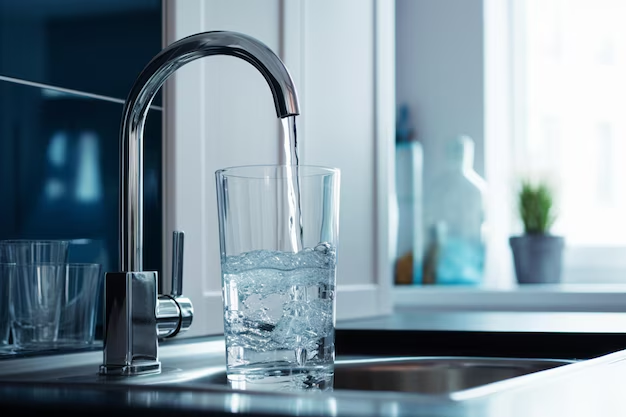
Clear water can feel safe. If it looks clean in a glass, has no strong smell, and tastes normal, most people assume there is nothing to worry about. In many homes, that may be true. But water quality cannot always be judged by appearance alone. Some contaminants are visible, while others are completely invisible without testing.
Water testing matters because drinking water can be affected by many things before it reaches your glass. The source water, treatment process, public distribution system, private well, household plumbing, fixtures, filters, water heater, and storage conditions can all influence quality. Even two homes in the same neighborhood may have different results because plumbing and usage patterns are not always the same.
At Water Testing Info, the goal is to help homeowners, renters, property owners, and everyday consumers understand water testing in a simple and practical way. Testing is not about panic. It is about replacing guesswork with information.
Clear Water Does Not Always Mean Safe Water
Some water problems are easy to notice. Brown water may suggest sediment or rust. Orange stains may point to iron. White buildup may indicate hardness minerals. A rotten-egg smell may suggest sulfur-related issues, while a strong chlorine smell may be connected to disinfection processes.
However, many important water quality concerns do not always change the appearance, smell, or taste of water. Lead, nitrates, arsenic, PFAS, certain bacteria, volatile organic compounds, and other contaminants may remain undetected without proper laboratory testing.
This is why appearance alone is not a reliable measure of water quality. A glass of water can look perfectly clear and still require analysis if there are risk factors related to plumbing, location, water source, or environmental conditions.
Water testing helps answer the important question that appearance alone cannot reveal: what is actually present in your water supply? Although water may appear clean and normal, hidden contaminants can still affect quality and safety. Professional lead water testing services for Manhattan can provide accurate insights into water composition and help identify potential concerns that may not be visible through basic observation.
Water Source Matters
The first step in understanding water quality is knowing the source. Is the home connected to a public water system? Does it use a private well? Is the water stored in a tank? Does it pass through building plumbing, old pipes, or treatment equipment?
Public water systems are monitored under drinking water regulations, but the water can still be affected by service lines, plumbing, and fixtures before it reaches the tap. Private wells are different because the owner is usually responsible for testing and maintenance.
Private well owners often need to be more proactive because wells are not monitored the same way public systems are. A well can be affected by groundwater conditions, septic systems, flooding, agriculture, nearby industry, or natural minerals.
Knowing your water source helps determine what kind of testing makes sense.
Plumbing Can Change Tap Water
Water quality is not only about the water source. Plumbing can change what comes out of the faucet. Older pipes, lead service lines, copper plumbing, brass fixtures, solder, water heaters, and faucet aerators can all affect tap water.
For example, lead may enter water from older plumbing materials. Copper may appear when water is corrosive and interacts with copper pipes. Sediment may collect in aerators or water heaters. Stagnant water may pick up metals after sitting in pipes overnight.
This is why tap-specific testing can be useful. A public water report may describe the water system, but it may not tell you exactly what is coming from your kitchen faucet.
Testing from the tap you actually use for drinking and cooking can provide more practical information.
Private Wells Need Regular Attention
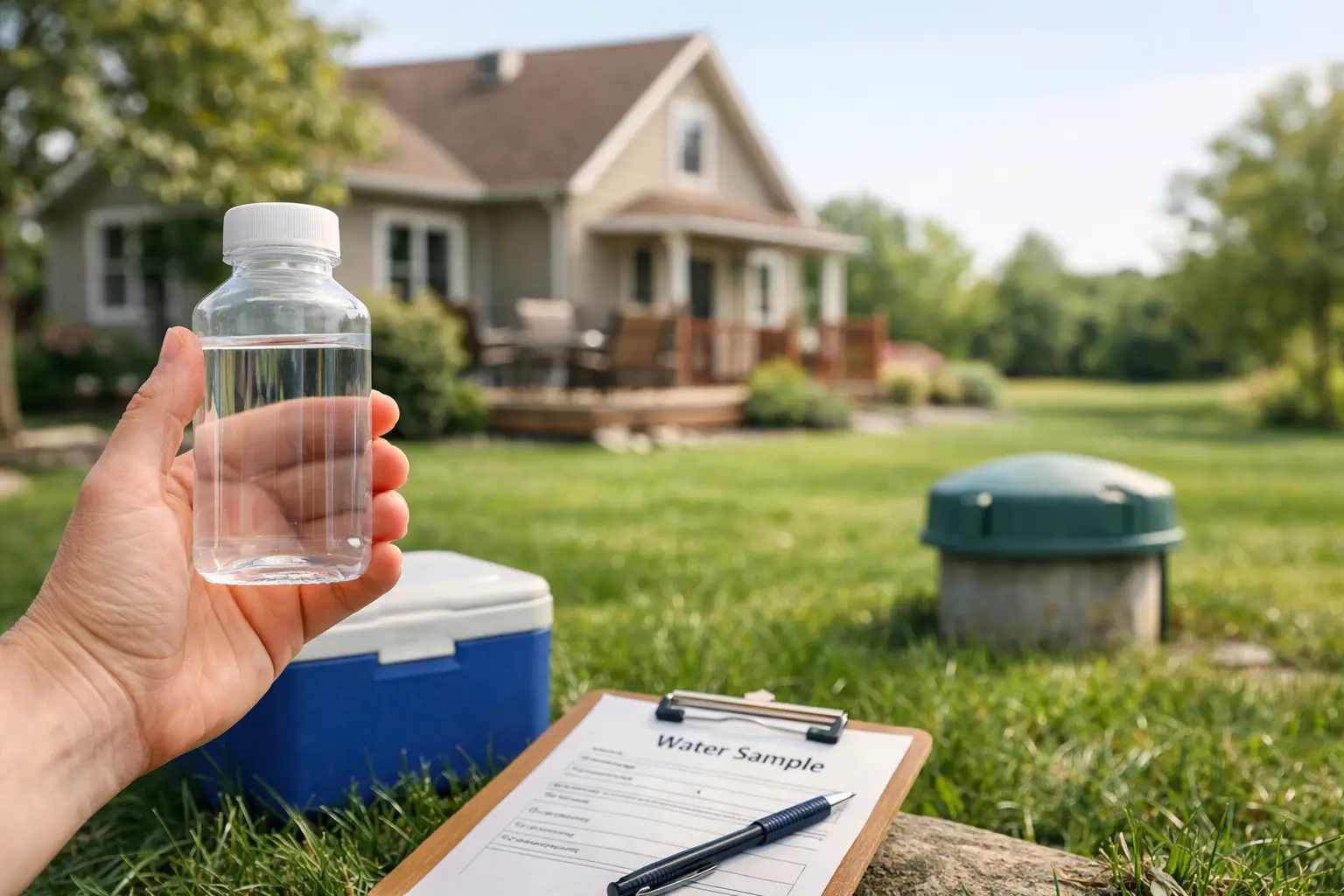
Private wells deserve special attention because they are usually the responsibility of the property owner. A well owner should know where the well is located, how it is protected, when it was last inspected, and when the water was last tested.
Common private well tests may include bacteria, nitrates, pH, total dissolved solids, hardness, iron, manganese, lead, arsenic, and other contaminants based on location and concern.
Well water can change over time. Heavy rain, flooding, nearby construction, septic problems, seasonal changes, or well repairs can affect water quality.
Regular testing helps well owners create a water quality history and respond early if something changes.
Testing Helps Identify Invisible Contaminants
One of the strongest reasons to test water is that many contaminants are invisible. You cannot reliably see lead in water. You may not smell nitrates. PFAS usually do not create taste or odor. Arsenic can be present without obvious signs.
Testing gives homeowners and property owners a way to detect concerns that senses cannot catch.
This is especially important when a household includes infants, young children, pregnant people, elderly residents, or people with certain health concerns. These groups may be more sensitive to certain contaminants.
Water testing does not diagnose health problems, but it does provide useful exposure information. If a test shows a concern, the household can take practical next steps.
Testing Helps Choose the Right Filter
Many people buy water filters without testing first. This can lead to wasted money or false confidence. A filter should match the actual water concern.
A pitcher filter may improve taste but may not reduce every contaminant. A sediment filter may catch particles but may not remove dissolved chemicals. A softener may reduce hardness but may not remove lead, bacteria, or PFAS. A reverse osmosis system may reduce many contaminants but may not be necessary for every home.
Testing helps identify what the filter needs to address. It can also help confirm whether an existing filter is working.
For a better understanding of how different test approaches work, visit the testing methods page.
Taste and Smell Are Clues, Not Proof
Taste and smell can be useful clues, but they are not complete answers. A metallic taste may point to iron, copper, lead, or plumbing corrosion. A chlorine smell may be related to public water disinfection. A musty smell may involve organic matter or plumbing conditions. A sulfur smell may involve certain bacteria or water heater issues.
The problem is that different issues can create similar symptoms. Also, some serious contaminants create no smell or taste at all.
Testing helps separate clues from facts. Instead of guessing based on taste, homeowners can identify what is actually present and decide what to do next.
If water taste or odor changes suddenly, testing can be especially useful.
Water Testing Can Support Real Estate Decisions
Water testing is also important during property decisions. Buyers may want to know what kind of water system they are inheriting. Sellers may need documentation. Landlords may need to answer tenant questions. Property managers may need to evaluate water quality across multiple units or buildings.
For homes with private wells, testing may be required during certain transactions depending on state or local law. For public water homes, testing may still be useful if plumbing is old, filters are installed, or there are specific concerns.
Water test results can help buyers ask better questions. Is there a treatment system? Has it been maintained? Are there staining issues? Does the well need service? Are any contaminants above recommended levels?
Testing turns vague concerns into specific information.
Results Need Careful Interpretation
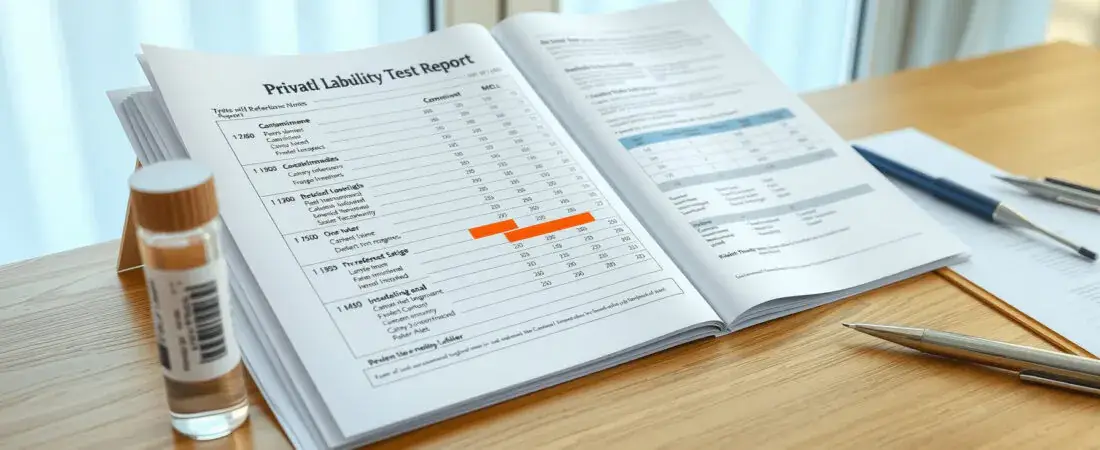
Getting a water test report is only the first step. The next step is understanding what the results mean. A report may include units such as mg/L, ppb, pCi/L, or colony counts. It may show detection limits, recommended levels, or regulatory standards.
Some results may be health-related. Others may be aesthetic, meaning they affect taste, odor, staining, or appearance more than health. Some may be indicators that help explain water chemistry.
For example, pH can help explain corrosion. Hardness can explain scale. Iron can explain staining. Bacteria results may indicate possible contamination. Nitrate results can be especially important for infants.
For help understanding reports, visit the interpreting results page.
Regulations Do Not Answer Every Household Question
Drinking water regulations are important, but they do not always answer every household question. Public water systems are regulated, but private wells are usually not monitored the same way. Also, water quality can change after water leaves the treatment system and passes through local pipes or household plumbing.
A public water report may show that a water system meets standards, but a specific home may still have old plumbing, a lead service line, a filter problem, or a local issue. A private well may need testing based on geology, land use, or nearby contamination.
Regulations provide a baseline. Household testing provides property-specific information.
To learn more about the rule side of water quality, visit the regulations page.
When Should You Test Your Water?
Water testing may be useful in several situations. Test when moving into a new home, buying a property, using a private well, noticing taste or odor changes, seeing stains or particles, installing a filter, checking filter performance, after plumbing repairs, after flooding, after well work, or when local notices raise concerns.
Private well owners should test routinely and whenever conditions change. Public water users may test when they have plumbing concerns, filter questions, or household-specific concerns.
There is no single testing schedule that fits everyone. The right schedule depends on the water source, property age, household needs, and local risk factors.
What Should a Basic Water Test Include?
The right test depends on the situation. A basic home water test may include pH, hardness, total dissolved solids, iron, manganese, lead, copper, nitrates, bacteria, chlorine, and other common indicators. A private well may need different testing than a public water home. A home near industrial activity may need more specialized testing. A household concerned about PFAS needs a PFAS-specific test.
A good test starts with a question. Are you worried about taste? Staining? lead? bacteria? well safety? filter performance? real estate? Each concern may require a different panel.
Testing should be selected intentionally, not randomly.
DIY Kits vs. Laboratory Testing
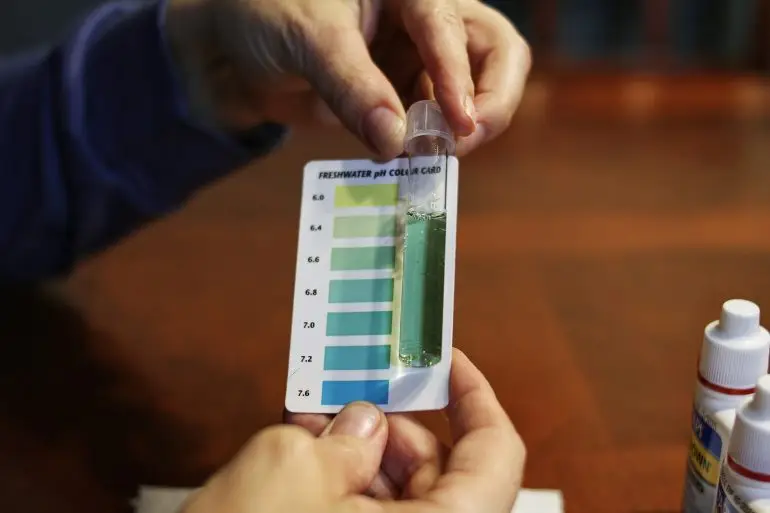
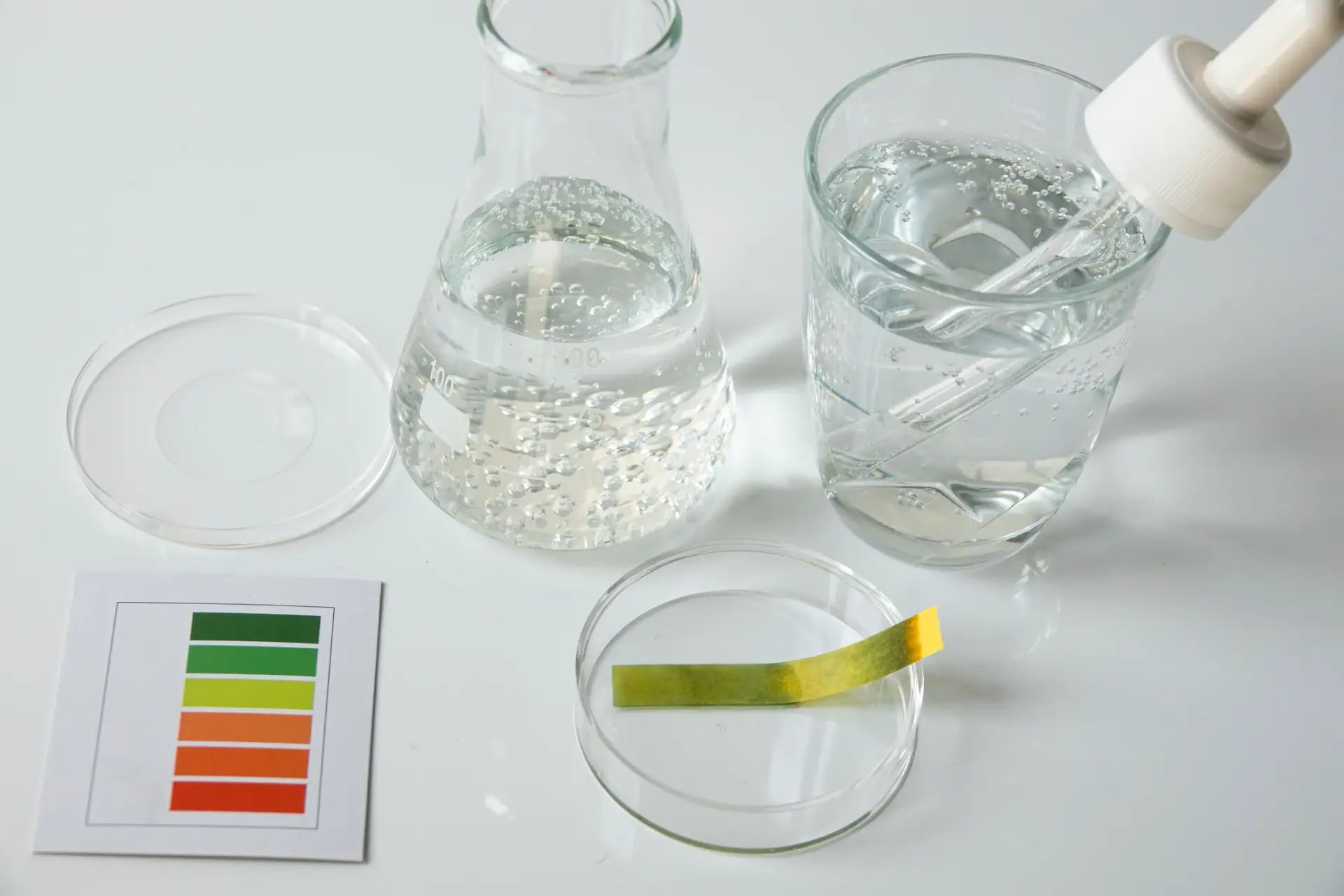
DIY water test kits can be useful for simple screening. They may help homeowners get a quick idea about hardness, chlorine, pH, or other basic indicators. However, DIY kits have limits. They may not be sensitive enough for important contaminants, and they may not meet requirements for real estate, compliance, or health-related decisions.
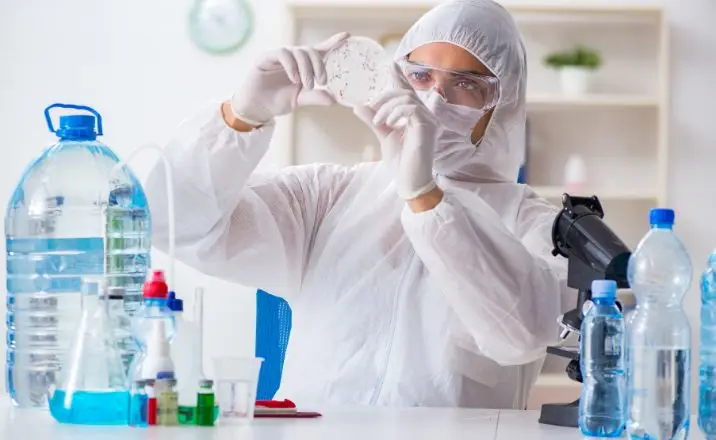
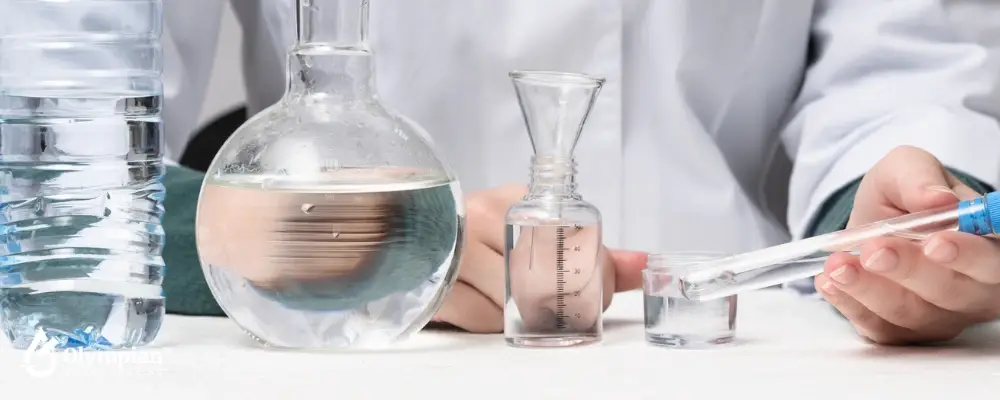
Laboratory testing is more appropriate when results matter. This includes testing for bacteria, lead, arsenic, PFAS, VOCs, nitrates, or private well concerns. Lab testing uses controlled methods and provides more reliable reporting.
The best choice depends on why you are testing. Curiosity may start with a simple kit. Important decisions should rely on proper lab analysis.
Testing After Treatment
If you install a water filter or treatment system, testing should not stop there. Testing after treatment helps confirm whether the system is working.
For example, if a filter is installed to reduce lead, test filtered water to confirm lead reduction. If a reverse osmosis system is installed for nitrates or other contaminants, follow-up testing can verify performance. If a UV system is installed for bacteria, testing can help confirm whether microbial issues are addressed.
Treatment systems also need maintenance. Filters expire. UV bulbs need replacement. Softeners need salt. Carbon media can become exhausted. Reverse osmosis membranes need service.
Testing helps make sure treatment is not just installed, but effective.
Keep Records of Water Tests
Every water test result should be saved. Keep the date, sample location, whether the water was filtered or unfiltered, the lab name, and any notes about plumbing, weather, repairs, or filter changes.
These records help track changes over time. If results are normal now but change later, past reports provide a useful comparison.
Water records are especially important for private wells, rental properties, businesses, and homes with treatment systems.
A water test is a snapshot. Records help create a long-term picture.
Do Not Wait for a Problem
Many people only test after something seems wrong. But proactive testing can be more helpful. It allows homeowners to understand baseline water quality before a crisis. It also supports smarter filter choices and better property maintenance.
Testing does not mean assuming the worst. It means being informed.
For families, property owners, and private well users, water testing can create peace of mind and practical direction.
A clear glass of water can be reassuring, but a clear test result is more useful.
Final Thoughts
Water testing matters even when water looks clear because many contaminants cannot be seen, smelled, or tasted. Water quality can be affected by the source, plumbing, fixtures, filters, wells, treatment systems, and local conditions.
Testing helps identify hidden water quality concerns, select the right filtration solutions, understand changes in taste and odor, support real estate decisions, and establish a reliable baseline for future comparisons. Lead in water testing services for Manhattan are especially valuable for private wells, properties with older plumbing systems, households with sensitive members, and locations that rely on water treatment equipment.
Clean-looking water is not always fully understood water. Testing gives you information that appearance cannot provide.
To learn more, visit Water Testing Info or explore the Water Testing Info blog for practical guides about testing methods, interpreting results, regulations, and common water quality questions.