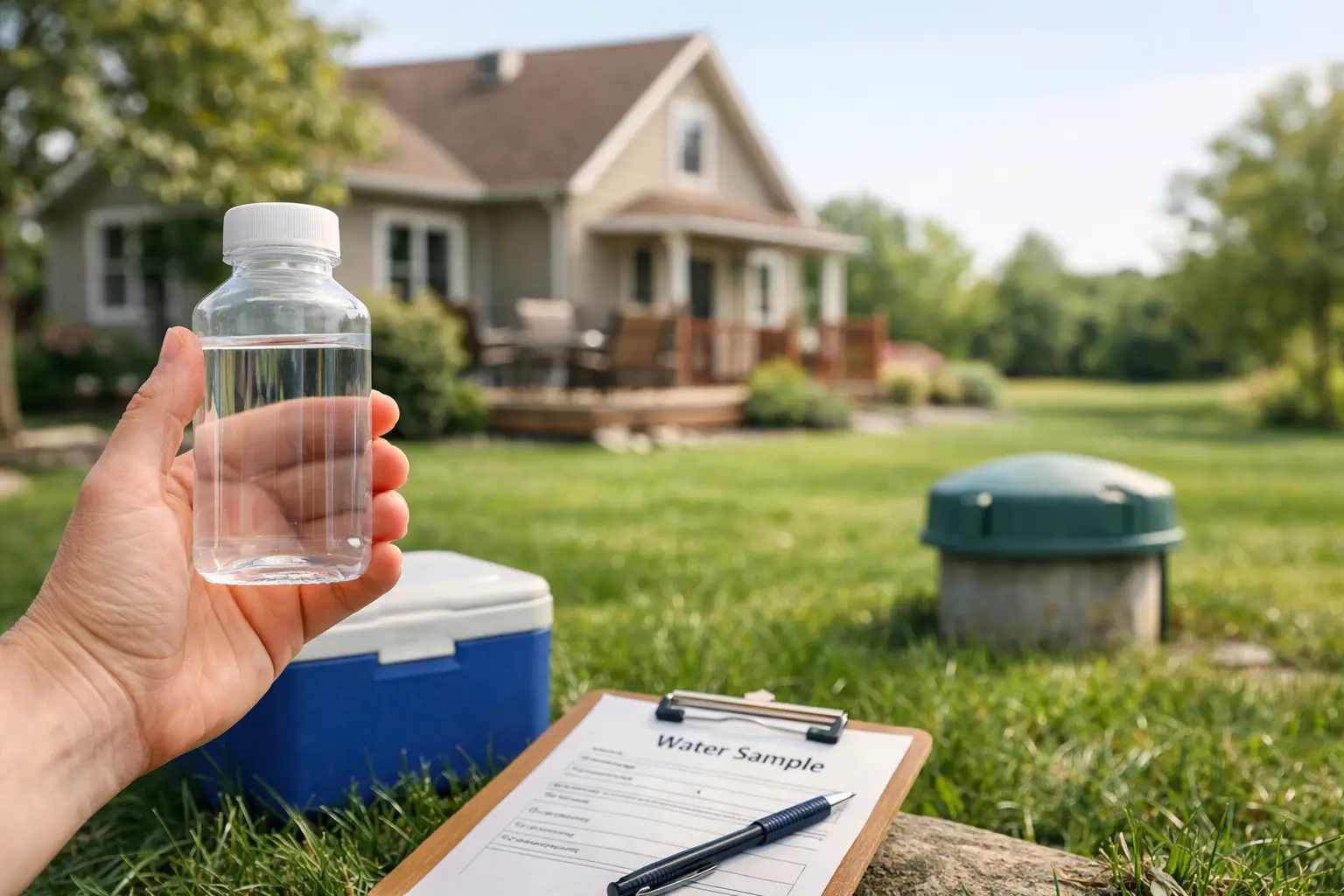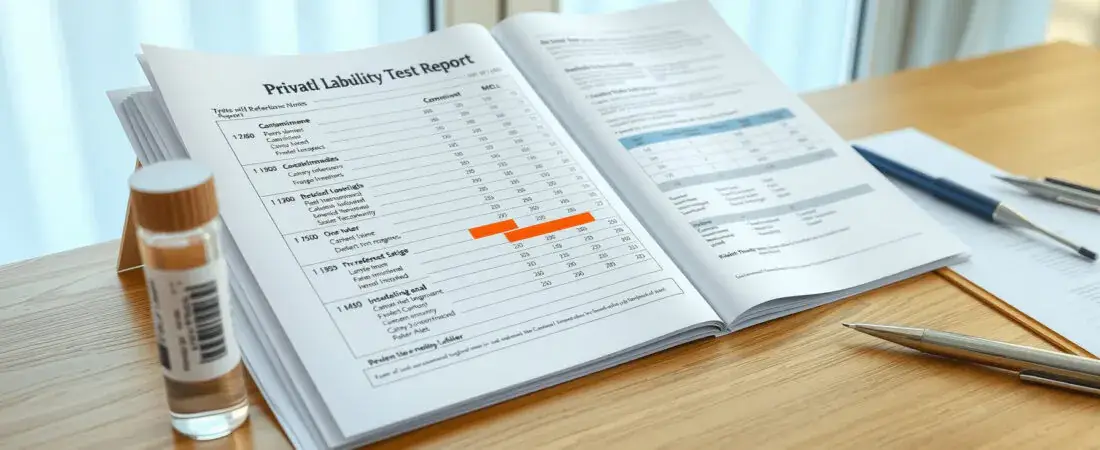
In the competitive New Jersey real estate market of 2026, the Private Well Testing Act (PWTA) remains one of the most significant hurdles for buyers and sellers alike. For a family in Hunterdon County recently looking to close on their dream colonial, what seemed like a routine inspection turned into a stressful standoff. The home’s water system failed the state-mandated regulations not because of bacteria or the much-feared “forever chemicals,” but due to a chemical duo that often goes unnoticed until it’s too late: low pH and high copper.
This specific failure highlights a critical reality for NJ homeowners relying on private wells. While we often worry about what is leaching into the groundwater from the outside, the “aggressiveness” of the water itself can cause the home’s own plumbing to self-destruct from the inside out. In 2026, as the state tightens its grip on water safety standards, understanding the relationship between acidity and metal leaching is essential for any successful property transfer.
The PWTA Mandate: More Than Just a Formality
New York and Pennsylvania residents are often surprised by the rigor of New Jersey’s PWTA. Since 2002, the law has required that both the buyer and seller of a property with a private well be notified of the water test results before the closing of title. In 2026, these regulations have expanded to include more comprehensive parameters, making the “Pass” certificate harder to obtain for older homes with aging infrastructure.
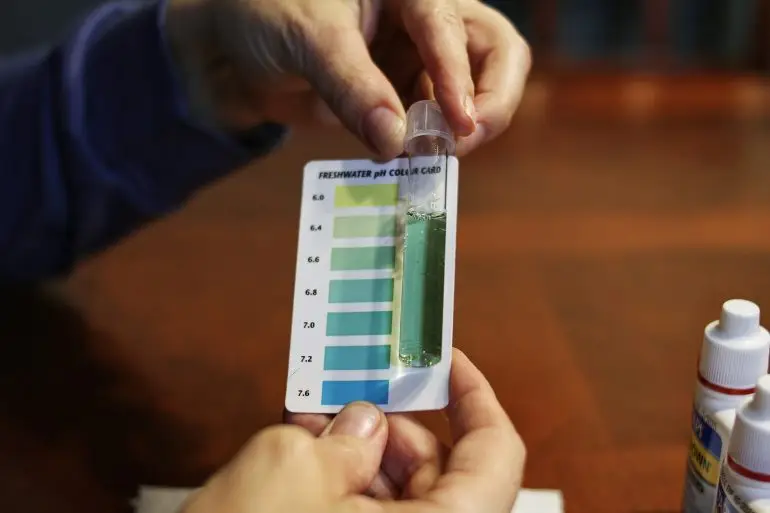
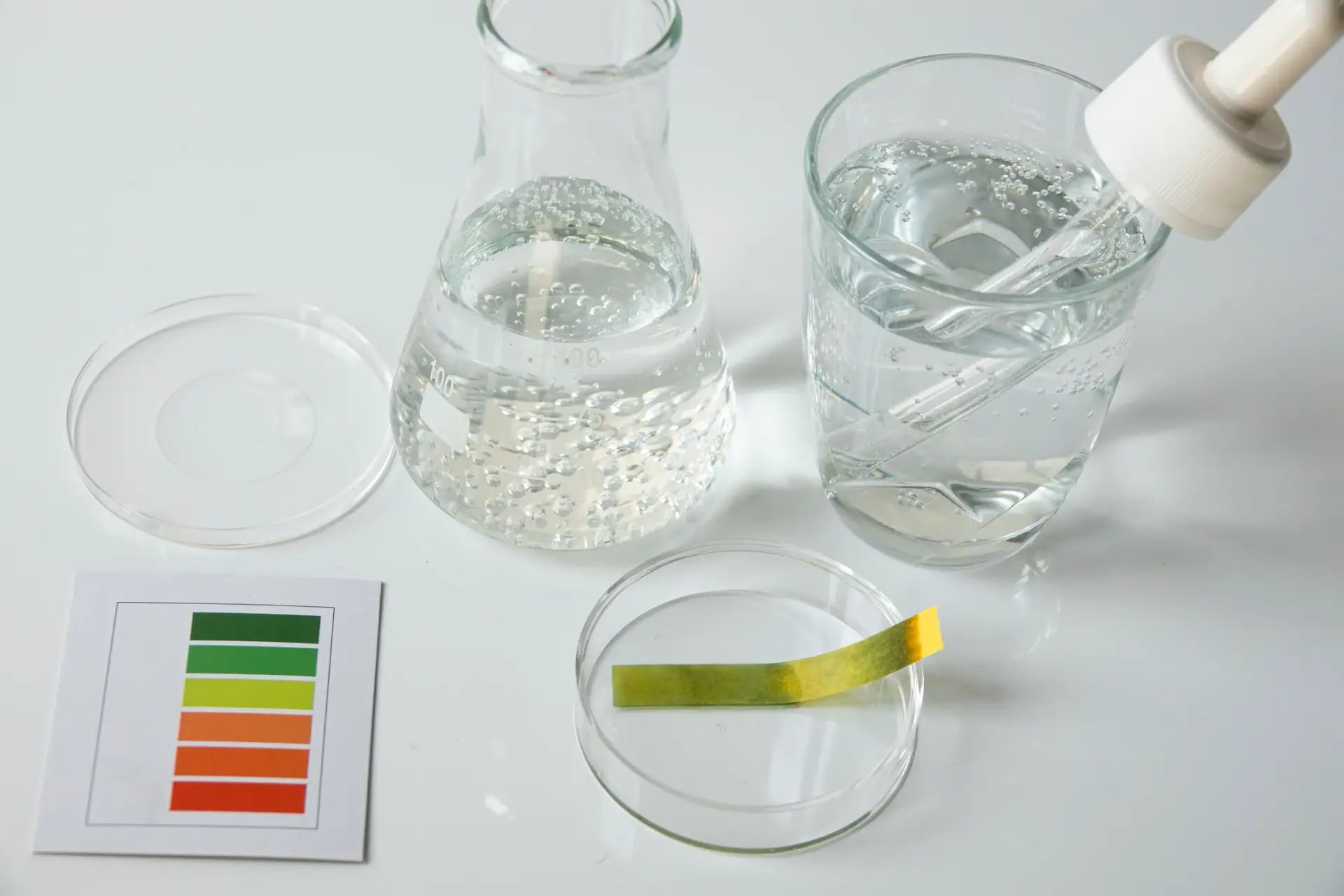
In the case of this NJ home, the initial grab sample showed a copper level of 2.1 mg/L, significantly higher than the EPA and NJDEP action level of 1.3 mg/L. Simultaneously, the pH of the water was clocked at 5.8. In the world of water chemistry, a pH below 7.0 is considered acidic. At 5.8, the water was acidic enough to be classified as “corrosive,” effectively acting as a solvent that was eating away at the home’s copper pipes.
The Corrosive Cycle: Why Low pH Leads to High Copper
Most homeowners assume that “high copper” means there is copper in the ground. While that is occasionally true, in New Jersey, high copper is almost always a byproduct of the plumbing. When acidic water (low pH) sits in copper pipes—especially during the “stagnation” period overnight—it dissolves the metal.
When the family turned on the tap for the PWTA sampler, the first-draw water was saturated with the copper that had leached out of the walls. This is a common scenario we explore on our blog: the water entering the house is “clean,” but the water leaving the tap is “contaminated” by the house itself. Without specialized testing methods that differentiate between the well source and the plumbing, it can be difficult to pinpoint exactly where the failure is occurring.
The Telltale Sign: Blue-Green Staining
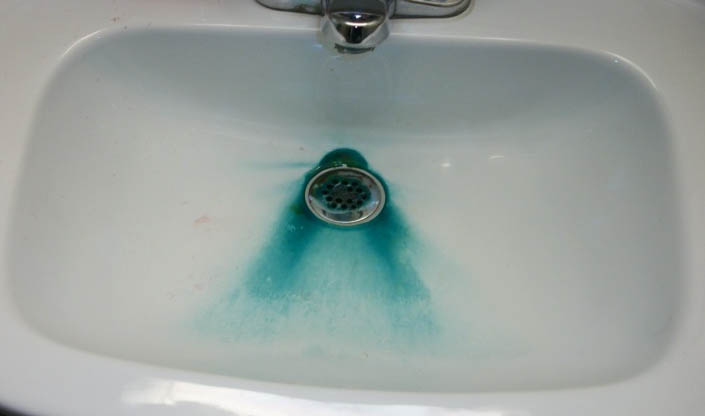
Long before the PWTA test was conducted, there were signs that the water was aggressive. The homeowners had noticed faint blue-green stains on the porcelain of their guest bathtub and around the drains in the master suite. Many people mistake this for a cleaning issue or a specific type of soap scum.
In reality, those blue stains are oxidized copper. If you see blue-green streaks in your sinks, your water is likely “eating” your pipes. In 2026, as buyers become more savvy, these stains are becoming major red flags during the initial walkthrough. If a buyer sees blue stains, they are almost certain to request a more rigorous set of testing methods to see just how much damage the acidity has caused to the integrity of the plumbing.
Health Implications of Copper and Acidity
While the primary concern for a real estate closing is the “Pass/Fail” status of the report, the health implications cannot be ignored. Interpreting results for copper involves understanding both short-term and long-term risks. High levels of copper in drinking water can cause gastrointestinal distress, including nausea and stomach cramps. Long-term exposure, especially in children, can lead to more significant liver and kidney issues.
Furthermore, acidic water isn’t just a problem because of the copper it leaches. It can also leach lead from old solder and cause “pinhole leaks” in the plumbing. For this NJ family, the failure was a blessing in disguise. It identified a systemic problem that, if left unaddressed, could have led to a catastrophic pipe failure and thousands of dollars in water damage behind their newly painted walls.
Remediation: The Acid Neutralizer Solution
The “Fix” for a PWTA failure involving low pH is relatively straightforward but requires professional installation. The most common solution is an acid neutralizer—a tank filled with calcite (calcium carbonate) or a blend of calcite and magnesium oxide. As the acidic water passes through the tank, the minerals dissolve into the water, raising the pH to a neutral level (usually between 7.0 and 7.5).
Once the pH is neutralized, the water is no longer corrosive. It stops “eating” the copper pipes, and the copper levels at the tap naturally drop back below the action level. In our faq, we emphasize that an acid neutralizer is a “set and maintain” system; the calcite media must be replenished annually to ensure the pH doesn’t slip back into the danger zone.
The Retest: Closing the Deal in 2026
After the neutralizer was installed, the NJ home underwent a formal retest. This time, the water sat in the pipes for the required 6-hour stagnation period to ensure the “stress test” was accurate. The results were a relief for both parties:
- pH: 7.2 (Neutral)
- Copper: 0.4 mg/L (Well below the limit)
With the certified “Pass” in hand, the mortgage company cleared the file for closing. The buyer gained peace of mind knowing their pipes wouldn’t leak and their water was safe, and the seller was able to move on without a “cloud” over their property’s habitability. This success story is a testament to why interpreting results with a professional is better than trying to guess based on a DIY kit.
Conclusion: Moving Toward Proactive Well Management
The story of this NJ duplex failure is a cautionary tale for any homeowner on a private well. In 2026, the PWTA is not just a hurdle to be cleared; it is a vital health audit. Low pH and high copper are silent threats that can damage both your health and your home’s value.
The most effective next step for any NJ homeowner—whether you are selling this year or staying for a decade—is to check your water’s pH. If you see blue-green stains or if you haven’t had a PWTA-level audit in over two years, the best path forward is to contact a specialist today to schedule a baseline test. Don’t wait for a real estate deal to be on the line to find out if your water is eating your pipes; get the data you need to protect your investment now.