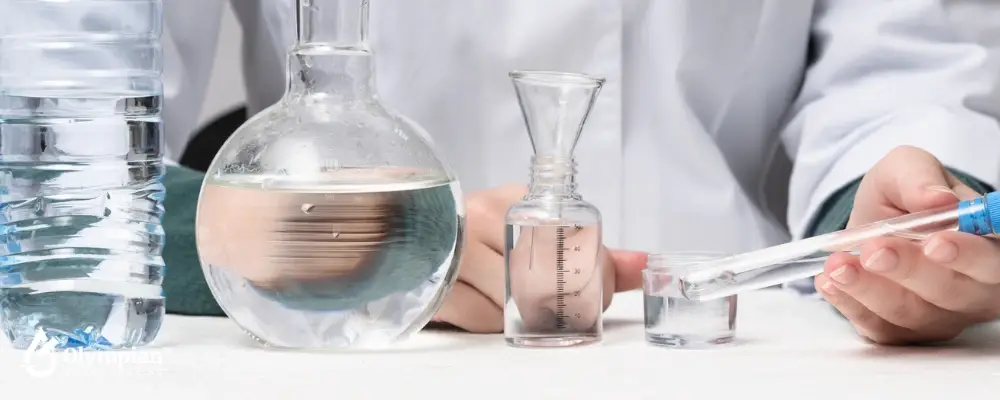
In the sprawling residential landscape of New York City—from the prewar co-ops of the Upper West Side to the multi-family units in the Bronx—a hidden relic of 20th-century engineering is still hard at work. Galvanized steel pipes, once the gold standard for durability and fire resistance, remain the primary water delivery system for thousands of households in 2026. While they may look sturdy from the outside, laboratory audits are increasingly showing that these aging pipes are the primary source of failed water tests in the city.
The issue with galvanized plumbing isn’t just about old metal; it is about a specific chemical process that occurs over decades of service. For many NYC residents, the assumption that the city’s world-renowned “mountain water” is safe at the tap is being challenged by the reality of the “last mile”—the final stretch of plumbing that exists within the building’s walls.
The Anatomy of a Galvanized Failure
Galvanized pipes are essentially steel pipes that have been dipped in a protective coating of zinc to prevent rust. However, in the 20th century, the zinc used for this process often contained significant impurities, including lead and cadmium. As we enter 2026, these pipes have surpassed their intended 50-year lifespan.
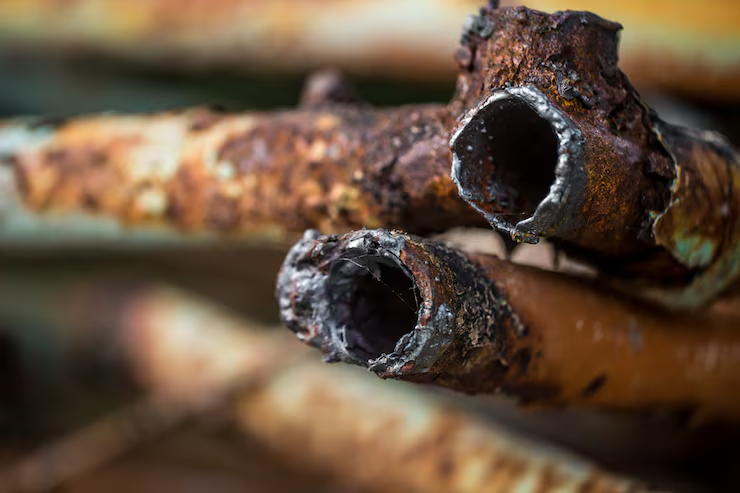
As the zinc coating inevitably wears away, the underlying steel begins to corrode. This creates a rough, “pitted” interior surface. This internal rust doesn’t just reduce water pressure; it acts like a microscopic trap. Lead particles traveling from old city service lines or lead-soldered joints get snagged on the rusted interior of the galvanized pipe. Over time, these particles accumulate until a sudden change in water pressure—common during NYC’s frequent water main repairs—dislodges the sediment, sending a concentrated pulse of lead directly into your drinking glass. This is a frequent topic in our faq, where residents express confusion about why their lead levels spike even after the city replaces the street-side pipes.
The 2026 Regulatory Landscape: New Mandates for Replacement
The regulatory environment in 2026 has become much more aggressive regarding these legacy materials. Under the updated EPA Lead and Copper Rule Improvements (LCRI), water utilities are now required to identify and replace “Galvanized Requiring Replacement” (GRR) lines. In New York City, the Department of Environmental Protection (DEP) has identified over 120,000 service lines that are either lead or galvanized steel.
The city’s expanded lead service line replacement program is now targeting neighborhoods in the Bronx, Queens, and Brooklyn, offering free replacements for eligible homeowners. However, there is a catch: the city only replaces the line from the street to the building’s property line or water meter. The thousands of feet of galvanized piping inside the apartment building remain the responsibility of the landlord or the co-op board. This is where regulations can get complicated, as the “Pass” at the water meter doesn’t account for the contamination occurring between the basement and the 5th-floor kitchen.
Hidden Symptoms: More Than Just Discolored Water
Many NYC tenants believe that if their water isn’t “rusty” or brown, their pipes are fine. This is a dangerous misconception. Lead and cadmium are colorless and tasteless. By the time you see brown water, the corrosion is advanced, but the chemical leaching has likely been happening for years.
Key indicators that your apartment may still rely on failing galvanized pipes include:
- Fluctuating Water Pressure: If your shower pressure drops significantly when a neighbor turns on their tap, it’s often a sign that internal rust has narrowed the diameter of your pipes.
- Metallic Aftertaste: A slight “penny” taste in the morning is often the first sign of metal leaching during overnight stagnation.
- Persistent Aerator Clogging: If you find small, dark flakes in your faucet’s mesh screen every few months, you are looking at the “shrapnel” of your building’s plumbing.
Because these symptoms are often gradual, they are frequently ignored. Using professional testing methods is the only way to confirm if your pipes are reaching their “breakthrough” point. On our blog, we track cases where residents in “luxury” prewar buildings were shocked to find lead levels triple the EPA action level, simply because their internal galvanized risers were failing.
The Biological Risk: Biofilm and Bacteria
In 2026, we are also learning more about the biological risks associated with old galvanized steel. The rough, oxidized surface of a corroding pipe is the perfect anchor for biofilm—a sticky colony of bacteria.
Legionella and other opportunistic pathogens thrive in the low-oxygen, high-surface-area environment provided by rusted pipes. While the city treats the water with chlorine to prevent this, the chlorine is often “consumed” by the rust itself before it reaches your apartment. This leaves the water in your unit’s branching lines unprotected. Laboratory interpreting results frequently show that galvanized systems have higher bacterial counts than modern copper or PEX systems, even in the same neighborhood.
What NYC Residents Can Do
If you live in a building constructed before 1960, you should assume galvanized pipes are present until a plumbing audit proves otherwise. Here is how to protect your household:
- The Cold Water Rule: Never use hot water for drinking or cooking. Hot water is more corrosive and leaches metals from galvanized pipes much faster than cold water.
- Clean Your Aerators: Make it a habit to unscrew and rinse your faucet screens every month to remove trapped lead-rich sediment.
- Request a Performance Test: If your building has a centralized filter, test the water at your specific tap. The filter in the basement cannot protect you from the pipes in your walls.
Conclusion: Moving Beyond Legacy Infrastructure
The presence of galvanized pipes in thousands of NYC apartments is a reminder that our homes are only as safe as the infrastructure hidden within their walls. In 2026, the era of “ignorance is bliss” regarding plumbing is over. With the city and federal government moving toward 100% pipe replacement, the data provided by laboratory testing is the most powerful tool a tenant or owner has to demand modern, safe plumbing.
The most effective next step for any NYC resident is to verify the material and health of their internal plumbing. If you aren’t sure if your building still uses galvanized steel, the best path forward is to contact a specialist today to schedule a unit-specific audit. We can help with interpreting results to determine if your “low pressure” is actually a high-risk lead issue.