
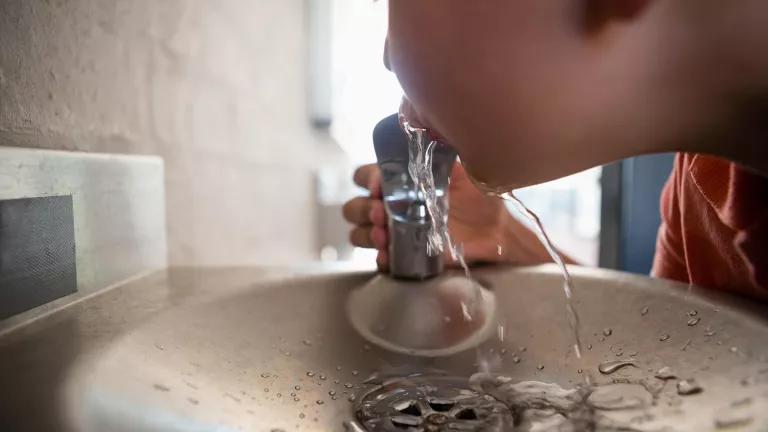
As we move through 2026, the conversation around child wellness in the tri-state area has shifted. For years, parents in the Bronx, Staten Island, and Jersey City focused heavily on organic diets, air purifiers, and “toxin-free” toys. However, a new standard of care is emerging from the medical community. Leading pediatricians are now advising that the water flowing into a nursery—specifically from the taps used to fill humidifiers, mix formula, or bathe newborns—should be tested annually.
This recommendation stems from a deepening understanding of how a child’s developing physiology interacts with the environment. Unlike adults, infants and toddlers consume more water per pound of body weight and have systems that are far more sensitive to trace contaminants. For families living in the historic urban centers of the Northeast, where infrastructure can be over a century old, “passing” city-wide water reports are no longer considered enough for a child’s specific environment.
The Physiological Vulnerability of Early Childhood
To understand why pediatricians are emphasizing nursery-specific testing, we must look at how a child’s body processes heavy metals. In 2026, medical research continues to affirm that there is no safe level of lead exposure for children. Lead is a neurotoxin that mimics calcium in the body, allowing it to cross the blood-brain barrier with ease in developing infants.
While an adult might only absorb 10% of the lead they ingest, a child’s gut can absorb up to 50%. Because their brains are in a state of rapid growth and “pruning,” even minute spikes in lead—levels that would be legally acceptable under federal regulations—can have lasting impacts on IQ, attention span, and emotional regulation. By the time a child shows symptoms of lead exposure, the damage is often irreversible, which is why pediatricians are moving toward a “prevention first” model.
Why the Nursery Tap is Often the Weakest Link
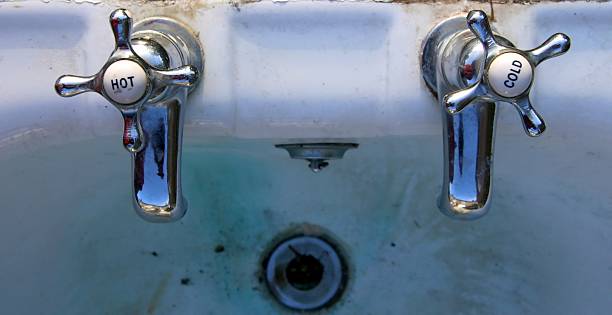
In many homes across Jersey City and New York City, the kitchen sink gets all the attention. It may even have a high-end filter installed. But the bathroom sink near the nursery, or the dedicated “baby station” tap, is often overlooked. These secondary taps frequently have lower flow rates and are subject to more “stagnation” than the high-traffic kitchen faucet.
As we often discuss on our blog, water that sits in pipes overnight—especially in the older brass fixtures common in prewar apartments—leaches metals at an accelerated rate. If a parent fills a bottle or a humidifier at 2:00 AM using the “first draw” from a nursery-adjacent tap, they may be delivering a concentrated dose of lead or copper that was never detected during a daytime kitchen test. Professional testing methods that specifically target these “low-flow” areas are essential for a true safety profile.
The Humidifier and Bathwater Risks
Pediatricians are also raising concerns about “secondary exposure” routes. In the dry winters of the Northeast, many parents run humidifiers in the nursery 24/7. If the water used to fill those machines contains high levels of dissolved minerals or metals, those contaminants can be aerosolized into the air the baby breathes.
Similarly, bath time is a major exposure event. Infants frequently swallow bath water or absorb contaminants through their skin. In older Staten Island homes with galvanized pipes, bath water can contain high levels of “particulate lead”—microscopic flakes that settle at the bottom of the tub. Annual testing ensures that the “comfort water” in the nursery is just as safe as the drinking water in the kitchen.
Interpreting the 2026 Lead Standards
The regulatory landscape has changed significantly this year. With the full implementation of the EPA’s Lead and Copper Rule Improvements (LCRI), the “action level” for lead has dropped, but pediatricians argue that even these stricter regulations are built for large-scale utility management, not individual child health.
When interpreting results for a nursery, doctors suggest looking for “Non-Detect” (ND) levels. If a report shows 3 parts per billion (ppb), it might technically “pass” a municipal audit, but it would trigger a warning from a pediatrician. Because plumbing degrades over time, a test that passed when the baby was born may not be valid by their second birthday. Annual testing provides a “moving picture” of the home’s safety, catching pipe degradation before it becomes a medical crisis.
The Invisible Threat of Bacteria and Biofilm
Beyond heavy metals, the biological health of the nursery tap is a growing concern. Infants have immature immune systems, making them more susceptible to waterborne pathogens. In older buildings, the internal plumbing can harbor “biofilm”—a sticky colony of bacteria that thrives in stagnant pipes.
If the nursery is in a part of the house that was recently renovated, or if it is at the “end of the line” of the plumbing system, the risk of bacterial regrowth is higher. Pediatricians are increasingly seeing cases where persistent “tummy bugs” or skin rashes in infants are traced back to the biological quality of the water used for bathing or cleaning bottles. Our faq section covers how simple changes in “flushing” habits can help, but only after a test has confirmed the presence of the issue.
The Role of the “Nursery Audit” in Modern Parenting
In 2026, the “Nursery Audit” is becoming a standard milestone for expecting parents, much like car seat inspections or baby-proofing. This audit involves:
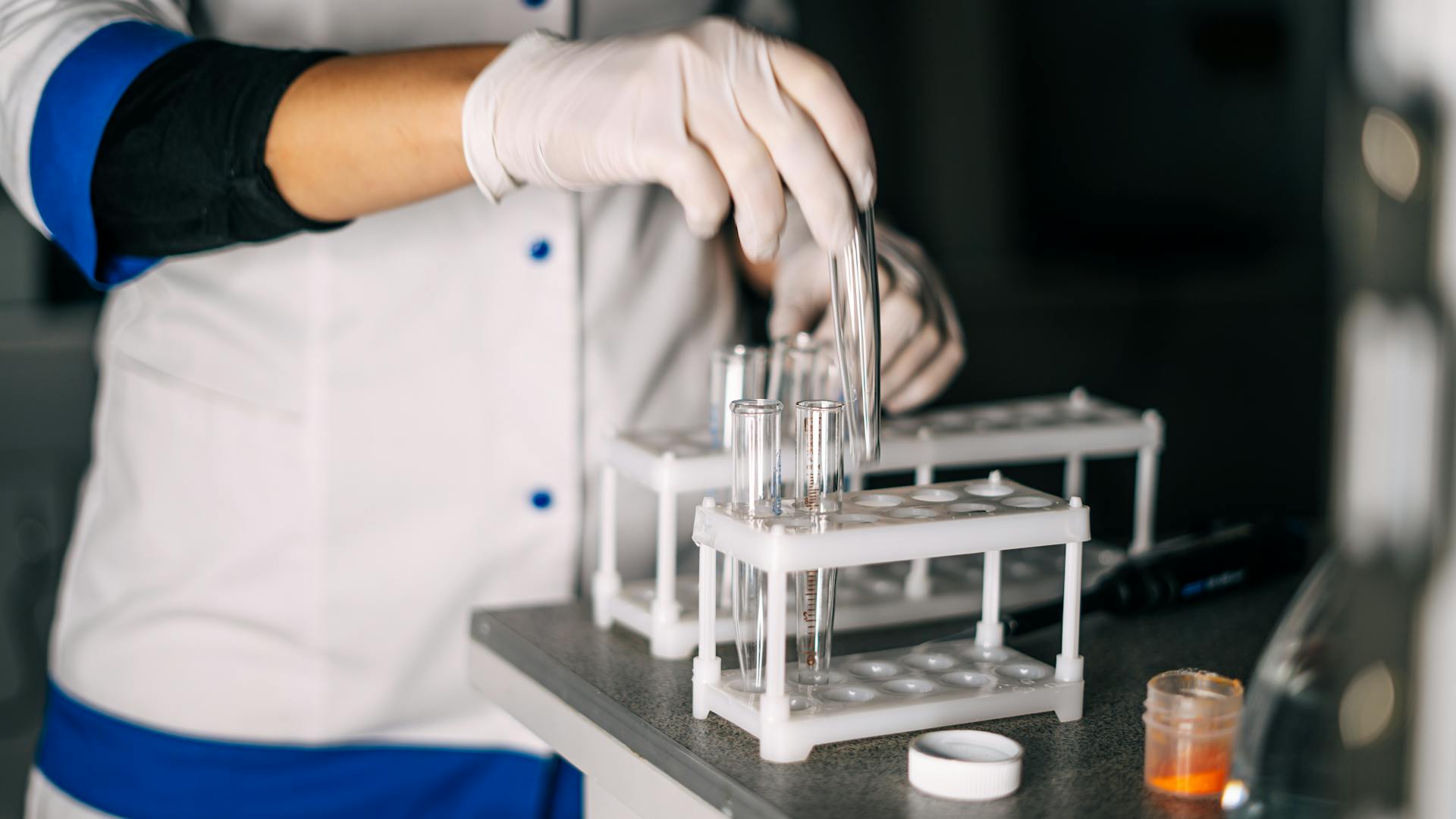
- The First-Draw Test: Capturing the water that has sat in the nursery pipes overnight.
- The Hot Water Scan: Since hot water is often used for baths and can leach more metals, it must be tested separately.
- The Aerator Inspection: Checking the faucet screens for “shrapnel” from the building’s infrastructure.
By making this an annual tradition, parents can adjust their filtration or maintenance strategies as the child grows. It transforms water safety from a one-time “check” into a proactive health strategy.
Conclusion: Data as a Form of Protection
A “Passed” water test from three years ago is not a guarantee of safety for a newborn today. The plumbing in our region is dynamic, reacting to seasonal changes, local construction, and the inevitable passage of time. For parents in the tri-state area, following the pediatrician’s lead and testing the nursery taps annually is one of the most effective, data-driven ways to protect a child’s developmental future.
The most effective next step for any parent or parent-to-be is to move beyond the kitchen-centric mindset. If you are preparing a nursery or have a toddler in the house, the best path forward is to contact a specialist today to schedule a dedicated nursery tap audit. We can help with interpreting results to ensure your child’s environment is truly a safe harbor.