
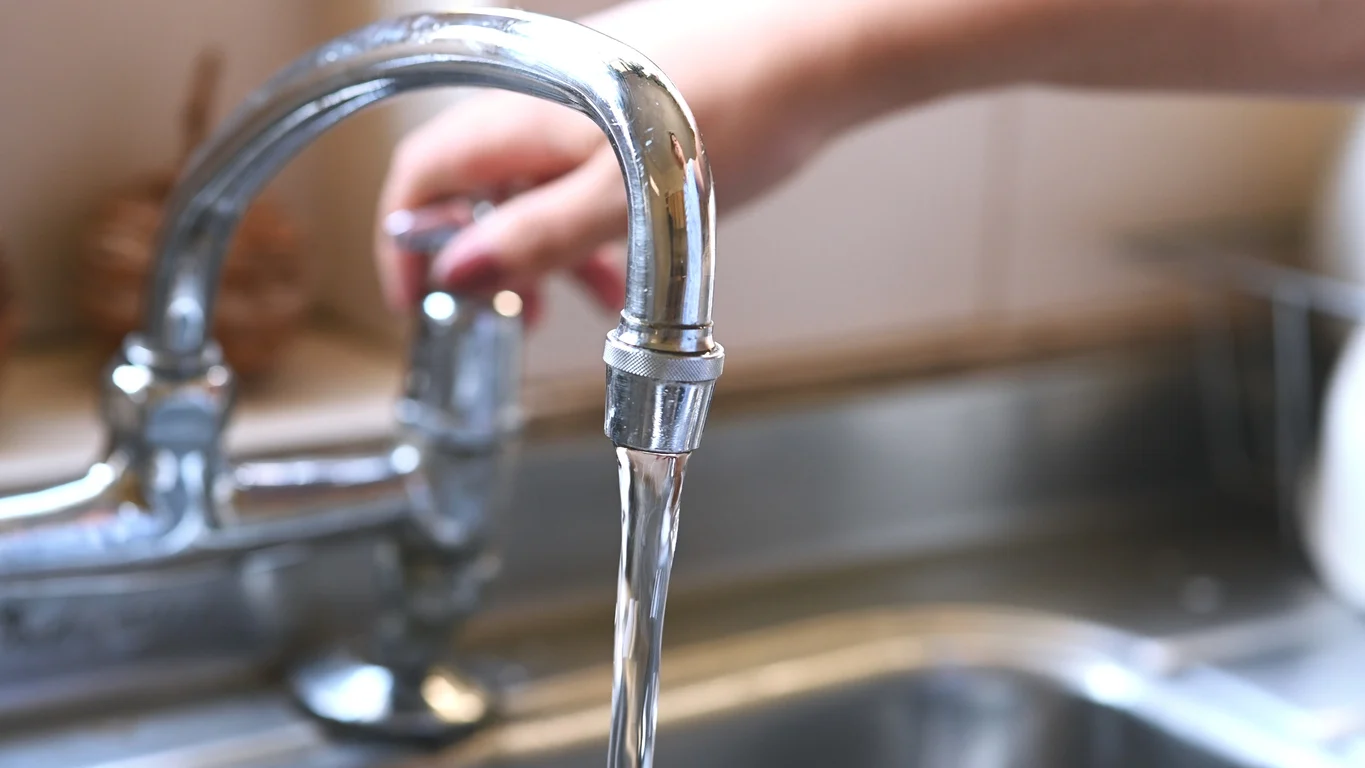
In the diverse residential landscape of 2026 Queens, the cooperative apartment remains a cornerstone of the middle-class dream. From the sprawling garden complexes of Jackson Heights to the towering high-rises in Forest Hills, co-op living offers a sense of community and shared responsibility. However, a recent case study from a well-maintained building in Long Island City has sent ripples through the local real estate community, highlighting a sobering reality: water that looks, smells, and tastes perfect can still hide significant chemical hazards.
The unit in question was a pristine two-bedroom co-op. The residents, a young couple, were diligent about their home maintenance. They never noticed a metallic tang, orange staining in the sinks, or cloudiness in their glasses. To the naked eye, their tap water was crystal clear. Yet, as part of a routine health check they decided to perform after reading about aging city infrastructure on our blog, they ordered a professional laboratory audit. The results were a shock to the board and the residents alike.
The Fallacy of the Visual Inspection
The human senses are remarkably good at detecting high levels of certain minerals. We can smell sulfur at minute concentrations and see iron (rust) as soon as it begins to oxidize. However, the most dangerous contaminants in the New York City water system are measured in parts per billion ($ppb$). To put that in perspective, one part per billion is equivalent to a single drop of water in an Olympic-sized swimming pool.
In this Queens co-op, the water failed for two primary reasons: Lead and Hexavalent Chromium. Neither of these substances alters the appearance of the water. You could drink a glass of water with ten times the legal limit of Lead and believe you were drinking the purest spring water on earth. This “invisible” threat is exactly why professional testing methods are the only way to verify safety.
The “Shared Pipe” Dilemma in Queens Multi-Family Housing
When the lab results came back with a Lead level of $18$ $ppb$—exceeding the current EPA action level—the residents were confused. The building had recently replaced its main service line. So, where was the lead coming from?
The answer lies in the complexity of co-op plumbing. While the building may have a modern copper or plastic main, the internal branch lines—the pipes hidden behind the walls of individual units—often tell a different story. In many pre-war and mid-century Queens buildings, lead solder was used to join copper pipes well into the late 1980s. Furthermore, older brass faucets and valves can leach lead into the water as it sits stagnant overnight.
In a co-op environment, your water quality isn’t just dependent on your pipes; it’s influenced by the entire vertical stack of the building. If a neighbor three floors up has old plumbing that is vibrating or corroding, those particles can travel through the shared lines and end up in your morning coffee. This is a common topic in our faq section, as multi-family residents struggle to pinpoint the exact source of a failure.
Chromium-6: The Industrial Ghost in the Water
The second failure in the Long Island City unit was for Hexavalent Chromium (Chromium-6). Queens has a long, storied history of heavy industry, particularly in areas like Long Island City, Astoria, and Sunnyside. While the city’s water enters the borough clean, localized groundwater infiltration or historical soil contamination can sometimes interact with older municipal pipes that have small fissures.
In 2026, regulations regarding Chromium-6 have become much stricter as public health data links trace exposure to increased cancer risks. For the residents of this co-op, the presence of this chemical was a wake-up call. It didn’t matter that the building had a brand-new lobby or a sparkling rooftop deck; the fundamental infrastructure was failing to protect them from a legacy of industrial bypass.
Why DIY Test Strips Failed to Catch the Problem
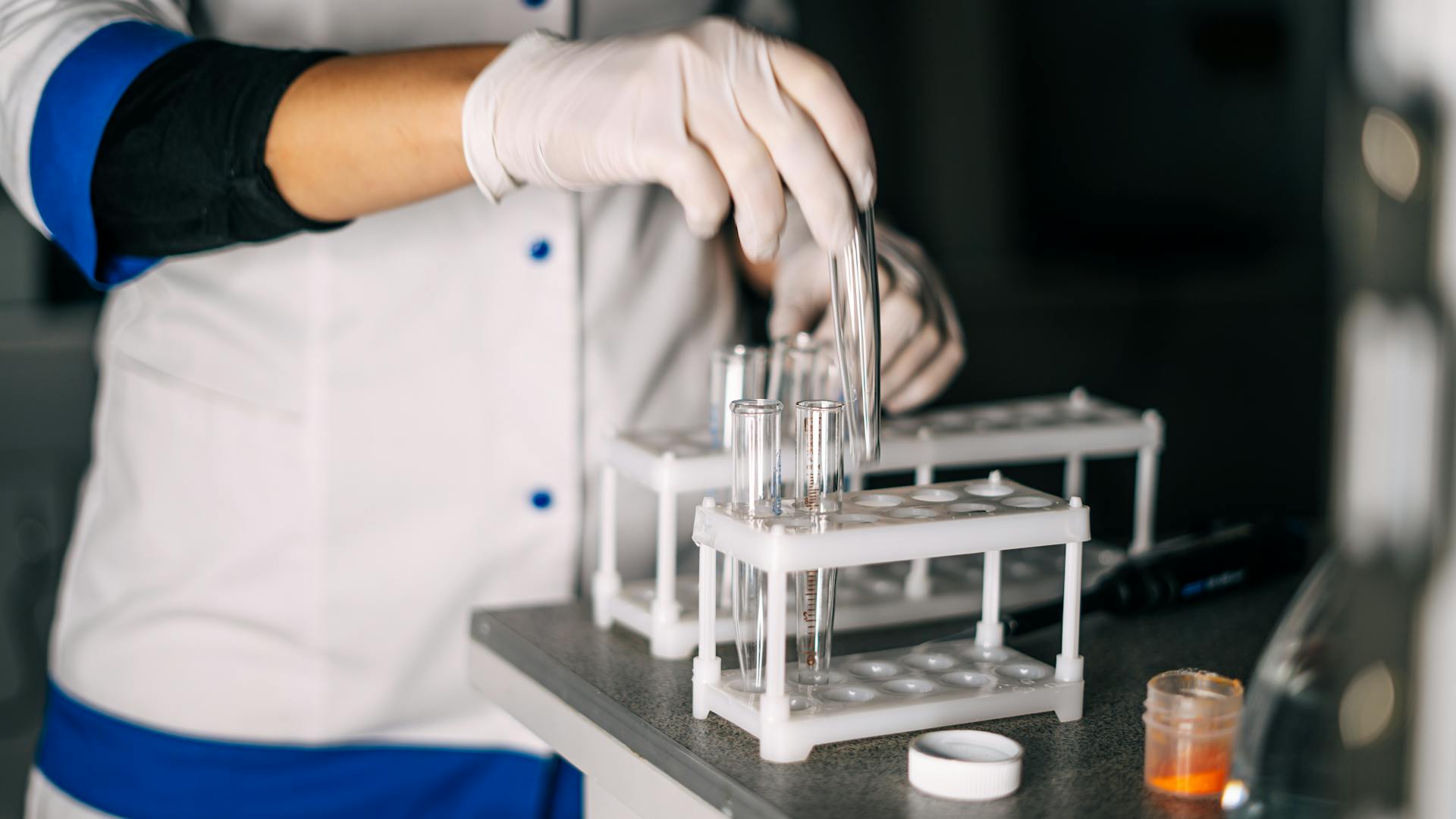
Before calling in the professionals, the couple had actually purchased a $20$ “DIY” water testing kit from a big-box hardware store. Those strips showed everything was “within range.” The problem is that hardware store kits are notoriously insensitive. They are designed to show a color change only when contaminants are at massive, immediately toxic levels. They lack the precision to detect the subtle, chronic levels of Lead or Chromium that a certified mass-spectrometer in a laboratory can see.
By relying on the DIY kit, the couple had spent six months drinking water they believed was safe. It wasn’t until they began interpreting results from an accredited lab that they realized the “safe” reading on the test strip was a false sense of security.
The Ripple Effect: When One Unit Fails, the Building Reacts
Once the lab report was shared with the co-op board, the dynamic of the building changed. In the 2026 Queens real estate market, a failed water test in one unit can impact the property values of the entire complex. Prospective buyers are increasingly asking for water quality disclosures, and banks are becoming more hesitant to fund loans in buildings with known infrastructure issues.
The board was forced to move from a reactive to a proactive stance. They realized that “clean-looking” water was no longer a sufficient standard for their shareholders. This led to a building-wide audit, which identified several vertical lines that needed immediate lining or replacement—a costly endeavor, but far less expensive than a collective health crisis or a plummet in resale value.
What Queens Residents Can Do Today
If you live in a multi-family building in Queens, whether it’s a co-op in Rego Park or a condo in Flushing, you cannot rely on your eyes or a cheap test strip. The “Queens Co-op Case” proves that aesthetic quality is a poor indicator of chemical safety.
A professional audit is the only way to identify the parts-per-billion threats that bypass our senses. As noted in our guide on regulations, New York City is constantly updating its safety standards, and what was “acceptable” ten years ago is often considered a failure by today’s 2026 standards.
Conclusion: Clarity Is Not Purity
The story of the Long Island City co-op is a cautionary tale for all New Yorkers. We live in a city where the old and the new are constantly clashing behind our walls. Just because your water is clear, cold, and odorless does not mean it is free from the heavy metals and industrial chemicals that define our urban environment.
The most effective next step for any Queens resident—especially those in older buildings—is to seek professional verification. If you are concerned about your tap water or if your building hasn’t had a comprehensive audit in the last year, the best path forward is to contact a specialist today. Don’t wait for a physical symptom to tell you what a lab could have told you months ago.