
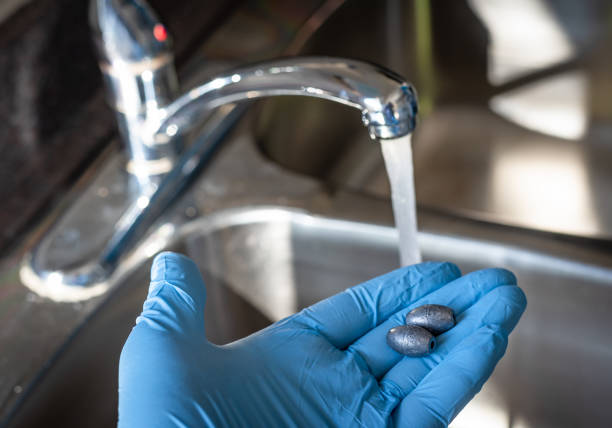
For many, a Brooklyn brownstone represents the pinnacle of New York City living—a blend of historic charm, intricate stoops, and tree-lined streets in neighborhoods like Bedford-Stuyvesant, Park Slope, and Brooklyn Heights. However, beneath the ornate facades and original molding of these 19th-century treasures lies a persistent public health challenge that refuses to fade. As we navigate 2026, data continues to show that Brooklyn’s historic housing stock remains particularly vulnerable to lead contamination in tap water.
While New York City’s water supply is sourced from pristine upstate reservoirs and is delivered lead-free, the journey from the street to your kitchen faucet can change everything. In 2026, the intersection of aging infrastructure and stricter safety thresholds has made it clear: the “charms” of a brownstone often include a plumbing system that is out of step with modern health standards.
The Invisible Legacy of Lead Service Lines
The primary culprit for these failures is the service line—the pipe that connects the city’s water main under the street to a building’s internal plumbing. In Brooklyn, where many residential structures were built before the 1961 ban on lead pipes, these service lines are frequently made of pure lead or galvanized steel that has been “lead-lined” over decades of use.
Recent estimates in 2026 suggest that up to one in five New Yorkers may still be receiving water through lead-contaminated pipes. For brownstone owners, the risk is compounded by the fact that these service lines are privately owned. While the city manages the massive mains, the individual property owner is responsible for the section of pipe running under their sidewalk and into their basement.
The 2026 Regulatory Shift: Why More Homes Are “Failing”
You might wonder why this is making headlines now if lead has been banned for decades. The answer lies in the evolving science of safety. In 2026, public health authorities and state regulations have moved toward much more aggressive action levels.
For years, the “Action Level” for lead was 15 parts per billion (ppb). However, following the lead of school testing mandates that lowered the threshold to 5 ppb, more residential regulations are being viewed through a lens where “no level of lead is safe.” As schools across Brooklyn identify thousands of fixtures exceeding the new 5 ppb limit, homeowners are realizing that their own taps—which might have “passed” at 10 ppb five years ago—are now considered a significant health risk.
Corrosion: The Silent Trigger
Lead doesn’t usually stay in one place. It enters the water through corrosion—a chemical reaction between the water and the metal pipes. While the NYC Department of Environmental Protection (DEP) adds food-grade phosphoric acid to the water to create a protective coating inside pipes, this “corrosion control” is not foolproof.
In Brooklyn brownstones, various factors can disrupt this protective layer:
- Vibration and Construction: The constant vibration from subway lines or nearby “gut renovations” can physically shake lead scale loose from the inside of old pipes.
- Stagnation: In a brownstone used as a single-family home, water may sit in the service line overnight or during the workday. The longer water sits in contact with lead, the more lead it absorbs.
- Hot Water Usage: Using hot tap water for cooking or coffee can accelerate the leaching process, as heat makes the water more corrosive.
Why DIY Testing Often Misses the Mark
Many Brooklyn residents rely on simple “first-draw” test kits, but these can be misleading if not performed correctly. As we detail in our guide on testing methods, a single sample rarely tells the whole story.
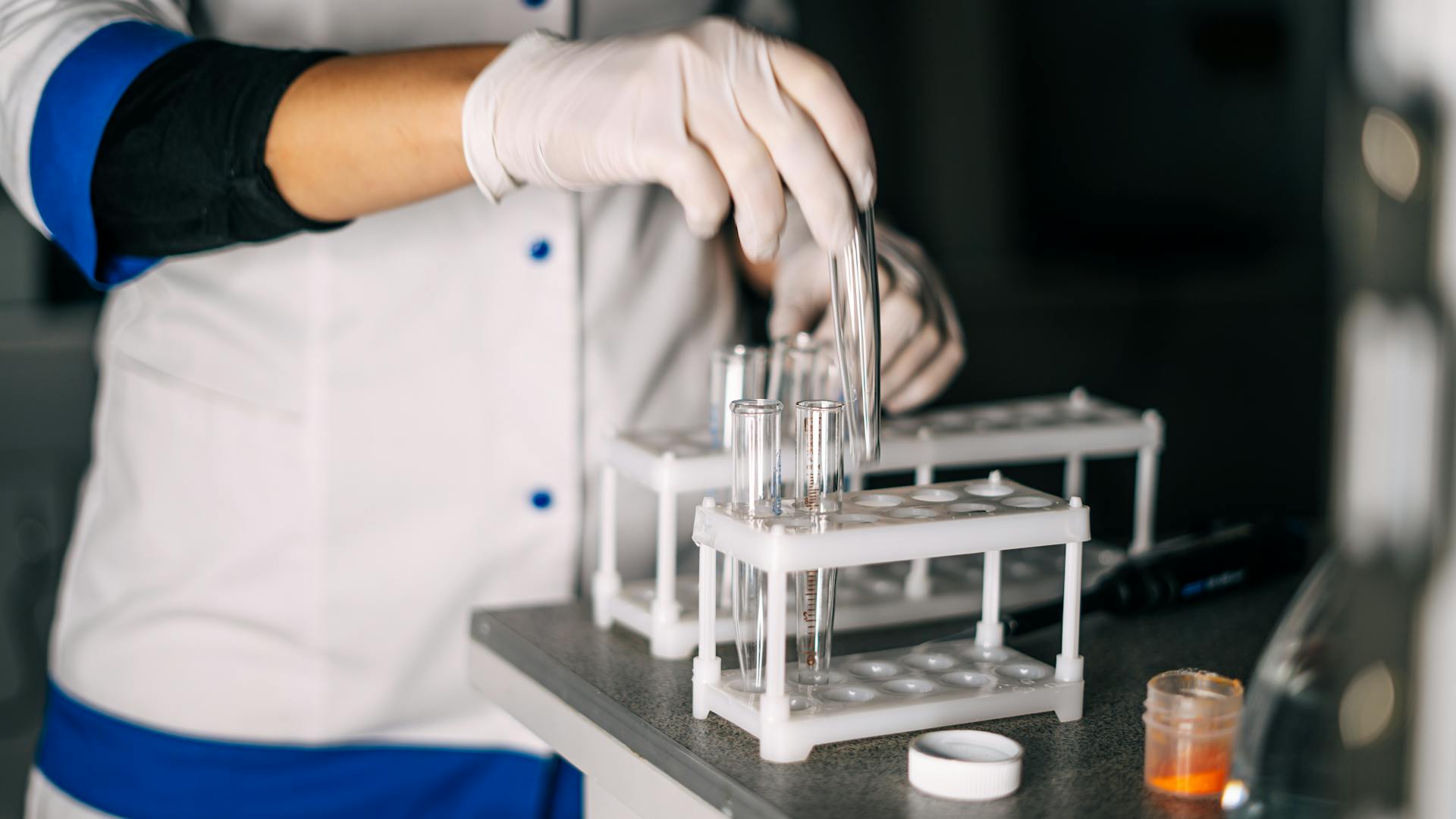
To accurately detect lead in a brownstone, professional sampling often involves “sequential” testing. This means taking multiple bottles of water in a row to see if the lead is coming from the faucet (the first bottle), the internal plumbing (the middle bottles), or the service line at the street (the final bottles). Without this level of detail, a homeowner might replace an expensive faucet while the real threat remains buried under their front garden.
The Financial and Health Stakes for Homeowners
For those currently in the real estate market, a failed lead test can be a significant hurdle. In 2026, savvy buyers are increasingly demanding lead water audits as part of their due diligence, much like they would for lead paint or mold.
The health implications are well-documented and particularly severe for the many young families moving into Brooklyn’s gentrified corridors. Lead is a powerful neurotoxin that can cause irreversible damage to the developing brains of children, leading to lower IQs and behavioral issues. For adults, chronic exposure is linked to cardiovascular problems and kidney stress.
The Path Forward: Replacement and Filtration
The good news is that the solution, while often costly, is permanent. New York City has expanded its Free Lead Service Line Replacement Program in 2026, targeting specific eligible neighborhoods. However, for many brownstone owners who do not meet the low-income or “environmental justice” criteria, the cost of replacement can exceed $10,000.
Until a full replacement is possible, the most effective interim step is high-quality filtration. It is vital to use filters that are specifically NSF-certified for lead removal. As noted in our FAQ, standard refrigerator filters or basic pitchers often are not designed to handle the high lead spikes that can occur in older Brooklyn plumbing.
Conclusion: Taking Control of Your Tap
Living in a Brooklyn brownstone is a unique privilege, but it comes with the responsibility of stewardship over aging infrastructure. In 2026, you cannot assume that clear, odorless water is safe. The prevalence of lead failures in Brooklyn is a reminder that the history of our city is literally piped into our homes.
The most effective next step for any brownstone resident is to stop guessing. Whether you are a long-time owner or a new buyer, the best path forward is to contact a professional for a comprehensive water quality audit. Understanding exactly what is in your water is the only way to protect your family and your investment from a legacy that belongs in the past.