
For many tenants in the Bronx, the sound of a plumber working in the building is usually a sign of progress. Whether it is a repair to an aging boiler in a Grand Concourse pre-war building or the installation of new risers in a modern development near Mott Haven, plumbing maintenance is a constant reality of New York City living. However, a frustratingly common phenomenon is occurring in 2026: even after the tools are packed away and the water is turned back on, many Bronx rentals are continuing to produce cloudy or “milky” water for days, or even weeks, following the work.
While property managers often dismiss this as “just air in the lines,” the reality for many residents is a lingering concern about safety and quality. In an era where water transparency is a major public health topic, understanding why your tap hasn’t cleared up is the first step toward ensuring your household is protected.
The Physics of Cloudiness: Air vs. Sediment
The most common explanation for cloudy water immediately following plumbing work is entrained air. When pipes are opened for repair, air enters the system. Once the water pressure is restored, that air is compressed into tiny, microscopic bubbles. When you turn on your faucet, the pressure drops, and those bubbles release, creating a white, cloudy appearance that typically clears from the bottom of a glass upward within a minute.
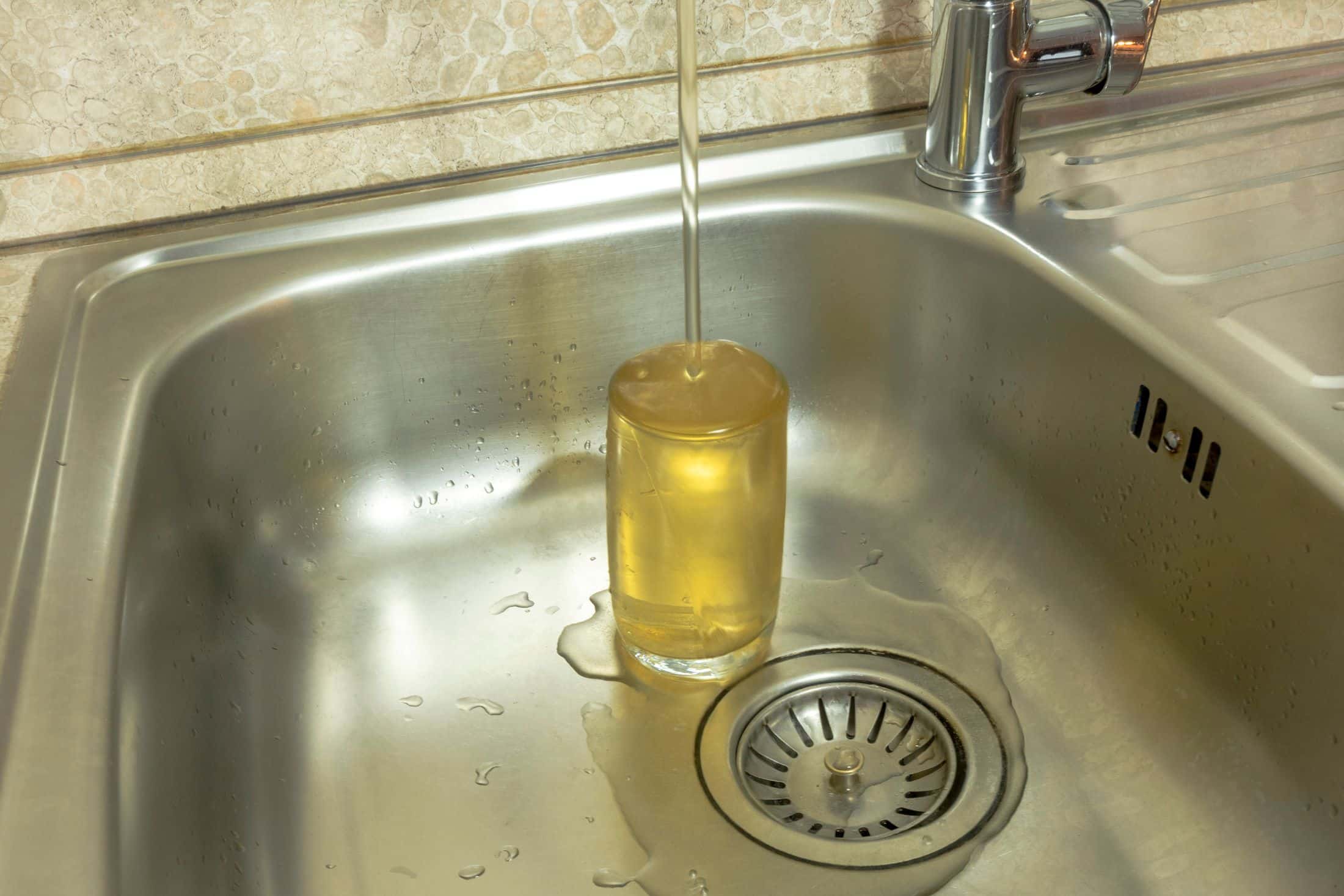
However, in many Bronx locations, the cloudiness isn’t just air. The Bronx has some of the oldest secondary water infrastructure in the city. The act of shutting off and quickly turning back on high-pressure water creates “hydraulic shock.” This shock can scour the interior of old iron and galvanized pipes, knocking loose years of accumulated mineral scale, rust, and biofilm. If your water remains cloudy or takes on a slight tint even after running the tap for several minutes, you are likely looking at suspended solids rather than simple air bubbles.
The Mechanical Disturbance of Lead and Copper
One of the most significant risks associated with post-plumbing cloudiness is the physical disturbance of lead. Many older Bronx rental buildings still contain lead service lines or copper pipes joined with lead solder. Under normal conditions, a thin layer of mineral scale (called “pipe scale”) coats the inside of these pipes, acting as a protective barrier.
Opens in a new window www.bxtimes.comWhen a plumber performs significant work—especially work involving soldering or pipe replacement—that protective scale is physically disturbed. This can release “particulate lead,” tiny flakes that are not dissolved in the water but are suspended within it. This type of contamination often contributes to a persistent hazy or cloudy appearance. Because these particles are heavy, they can settle in “dead legs” of the plumbing and continue to release into the water stream long after the plumber has left. This makes professional testing methods vital for tenants who notice that their water hasn’t returned to its crystal-clear state.
Why “Flushing” Doesn’t Always Fix the Problem
Standard advice from landlords is often to “just run the water for five minutes.” While flushing is a necessary part of the recovery process, it is not always a cure-all. In large Bronx multi-family buildings, the plumbing system is a complex web of shared risers and horizontal branches.
If a repair was made on the fourth floor, the sediment and air pockets created by that work can migrate throughout the entire vertical stack. Furthermore, if the building’s hot water heater was affected, sediment can settle at the bottom of the tank and be slowly released into the hot water lines for weeks. If you find that only your hot water is cloudy, or if the cloudiness returns every morning after the water has sat stagnant overnight, the problem is likely localized within the building’s internal infrastructure rather than the city’s main supply.
Regulations and Tenant Rights in 2026
In 2026, NYC regulations have become increasingly strict regarding the transparency of water quality in rental units. Landlords are generally required to provide water that is “wholesome” and free from excessive turbidity (cloudiness).
If you have reported persistent cloudy water following plumbing work and the issue has not been resolved within 48 to 72 hours, you may have grounds for a more formal inspection. Many Bronx tenants are now opting for independent audits to provide to their housing associations or to use as evidence in 311 complaints. For many, the peace of mind that comes with interpreting results from a certified laboratory is worth the effort, as it removes the guesswork from a potentially hazardous situation.
The Impact on Modern Filtration Systems
Another issue Bronx renters face is the “clogging” effect of post-plumbing sediment. If you use a countertop pitcher or a faucet-mounted filter, the sudden influx of pipe scale and rust can “blind” the filter media.
A filter designed to last three months might be completely exhausted in three days if it is forced to process the heavy sediment load following a major pipe repair. We often see questions in our faq about why a filter suddenly slowed to a trickle; almost invariably, it is because the “cloudy” water contained enough physical debris to physically block the filter’s pores. If you’ve had plumbing work in your building, it is highly recommended to remove your filter aerators and clean them, and to replace your filter cartridges once the water has finally cleared.
What to Look for in Your Water Today
If you are a Bronx renter experiencing this issue, there are three things you should monitor closely:
- The “Glass Test”: Fill a clear glass and let it sit. If it clears from the bottom up, it’s air. If it clears from the top down, or doesn’t clear at all, it’s sediment.
- The Color Tint: Does the cloudy water have a yellow, brown, or reddish tint? This is a definitive sign of iron or manganese oxidation caused by disturbed pipes.
- The Aerator Check: Unscrew the small screen at the end of your faucet. If you find small white, gray, or black grains, your plumbing is actively shedding its interior lining.
Conclusion: Moving Toward Clarity
Persistent cloudy water in a Bronx rental is more than an aesthetic nuisance; it is a sign that your building’s plumbing system has been stressed. While NYC water is excellent at the source, the “last mile” journey through a building’s pipes can change its chemistry significantly, especially after a mechanical disturbance.
The most effective next step for any tenant facing this issue is to document the problem and seek scientific verification. If your landlord insists the water is fine but your eyes tell you otherwise, the best path forward is to contact a specialist today to schedule a professional sampling. Don’t rely on “it’ll clear up eventually”—ensure your family is drinking water that meets the highest standards of safety and clarity.