

In the evolving landscape of 2026, the relationship between landlords and tenants in the Bronx is shifting toward a new era of transparency. While discussions in the “Boogie Down” have traditionally focused on heat and hot water—especially following the record-shattering cold snaps of recent winters—a new priority has surged to the forefront: water quality. Landlords from Riverdale to Soundview are reporting a significant uptick in formal requests for detailed water quality reports and laboratory verifications.
This trend is not merely a passing whim of the “wellness” movement. It is driven by a potent combination of aging infrastructure, high-profile reports of hazardous living conditions in several Mitchell-Lama developments, and a more informed tenant base that understands the “last mile” risks of NYC’s plumbing. As tenants become more vocal about their rights to a safe and habitable environment, Bronx property owners are finding that providing a “Passed” water report is becoming as essential as a working smoke detector.
The Catalyst: High-Profile Infrastructure Failures
The surge in requests can be traced back to a series of widely publicized incidents in 2025 and early 2026. State audits and local news reports have highlighted buildings where “contaminated water” wasn’t just a fear but a physical reality due to persistent flooding and pipe bursts. When a tenant in West Farms or Highbridge sees raw sewage or “cloudy” water on the news, their first instinct is to look at their own tap.
Furthermore, the Bronx has a higher density of older apartment buildings compared to some other boroughs. Many of these structures still rely on galvanized steel or lead-soldered copper pipes that have reached the end of their functional life. In 2026, the realization that “clear water” does not necessarily mean “lead-free water” has hit home. Tenants are now utilizing testing methods to verify what their eyes cannot see, placing a new burden of proof on the property owner.
Tenant Rights and the 2026 Regulatory Shift
Under New York City law, a landlord’s primary responsibility is to provide a “safe and sanitary” dwelling. Historically, this meant the water had to be running and hot (at least 120°F). However, as we have seen in recent regulations, the definition of “safe” is expanding.
In 2026, the enforcement of lead-based paint laws (like Local Law 31) has reached a fever pitch, and this “lead awareness” is naturally spilling over into water safety. Tenants are increasingly citing the “Warranty of Habitability” to demand evidence that their tap water meets modern standards. If a landlord is unresponsive, Bronx residents are taking to 311 in record numbers, not just for “No Heat” complaints, but for “Water Quality” concerns. This has forced landlords to seek professional help in interpreting results to ensure they remain compliant with the city’s housing maintenance codes.
The Financial Pressure on Bronx Property Owners
For a landlord, a tenant’s request for a water report is often viewed with trepidation. A “failed” report can trigger a cascade of expensive obligations, from pipe lining to full fixture replacement. However, ignoring these requests is becoming increasingly risky. In 2026, the New York Attorney General’s office and the Tenant Harassment Prevention Task Force have successfully secured hundreds of thousands of dollars in settlements from landlords who failed to maintain essential services or ignored hazardous conditions.
Property managers are finding that being proactive is actually the more cost-effective route. By performing an annual water audit and sharing the blog posts or reports with their tenants, they can build trust and prevent the “311-to-Housing-Court” pipeline. A certified report acts as a shield, proving that the building is being managed with “relentless urgency,” a phrase often used by city agencies to describe current lead compliance efforts.
Why DIY Kits Aren’t Satisfying Bronx Tenants
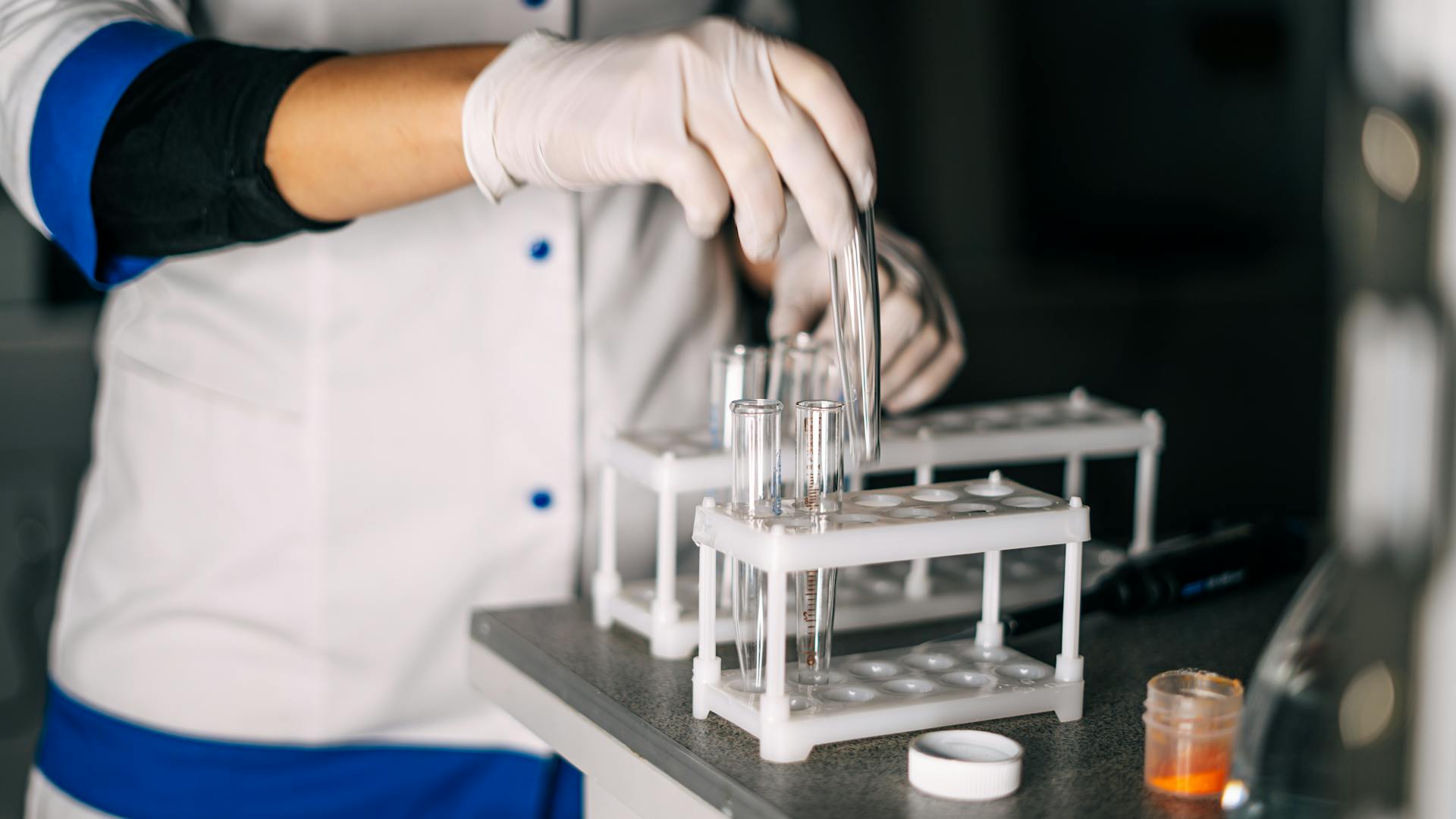
In the past, a landlord might have tried to appease a concerned tenant with a $15 test strip from a hardware store. In 2026, that no longer works. Tenants are more educated about the limitations of “at-home” kits. They want to see a report from an EPA-certified or ELAP-accredited laboratory.
These tenants are looking for specific data points:
- Lead and Copper Levels: Measured in parts per billion ($ppb$).
- Turbidity: A measure of the clarity and “cloudiness” of the water.
- Bacterial Loads: Including Coliform or Legionella in larger complexes.
If a landlord provides a report that is vague or outdated, it often prompts more questions. Our faq section is filled with queries from Bronx residents asking how to read the complex “Fine Print” on the reports their landlords finally handed over.
The Social Media Effect: “Boogie Down” Awareness
The Bronx has a vibrant network of community activists and social media groups that share information about building conditions. When one tenant in a Concourse high-rise gets a professional water test that shows a failure, the entire building—and often the entire neighborhood—finds out within hours.
This collective “neighborhood watch” for water quality has made it impossible for landlords to hide systemic issues. In 2026, the demand for transparency is a community-driven movement. A landlord who can’t produce a clean water report is quickly labeled as a “slumlord” on local forums, making it difficult to fill vacancies and damaging their reputation with the Department of Housing Preservation and Development (HPD).
Proactive Steps for Bronx Landlords
To navigate this new era of tenant expectations, Bronx property owners should adopt a “Safety First” protocol:
- Annual Baseline Testing: Don’t wait for a request. Perform a professional audit once a year to catch issues early.
- Clear Communication: If you are performing plumbing work, explain how it might affect the water (e.g., temporary cloudiness) and provide a follow-up report once the work is done.
- Transparent Remediation: If a test fails, share the plan for fixing it. Tenants are often more patient when they see a proactive solution in place.
Conclusion: Clarity as a Commodity
The surge in water report requests in the Bronx is a sign of a healthier, more engaged borough. While it presents a new challenge for landlords, it also offers an opportunity to improve the quality of the Bronx’s housing stock. In 2026, “clear water” is no longer just a luxury—it is a baseline requirement for any tenant paying rent in New York City.
The most effective next step for any Bronx landlord facing these requests is to move from a defensive posture to a scientific one. Rather than guessing about the state of your pipes, the best path forward is to contact a professional to establish a regular testing schedule. For tenants, if your landlord has been unresponsive to your concerns, providing them with information on standard testing methods is the first step toward getting the transparency you deserve.