
In the vibrant but often underserved educational landscape of the Bronx, charter schools are frequently seen as beacons of modern opportunity. However, even the most innovative learning environments must contend with the aging physical reality of New York City’s infrastructure. In early 2026, a prominent charter school in the South Bronx became the center of a community-led movement after a group of vigilant parents noticed a recurring issue with the building’s water fountains. What started as a few observations of “metallic-tasting” water soon evolved into a formal demand for a comprehensive retest, highlighting a significant gap between administrative assumptions and environmental reality.
This case serves as a critical example of why parental involvement is often the final line of defense for student health. While schools are mandated to follow strict regulations, the implementation of these rules can sometimes lag behind the immediate needs of the student body. In 2026, as the state tightens its grip on lead safety, the Bronx charter school story is a roadmap for how communities can advocate for the safety of their children’s most basic necessity.
The Catalyst: When Parental Instinct Trumps “Compliance”
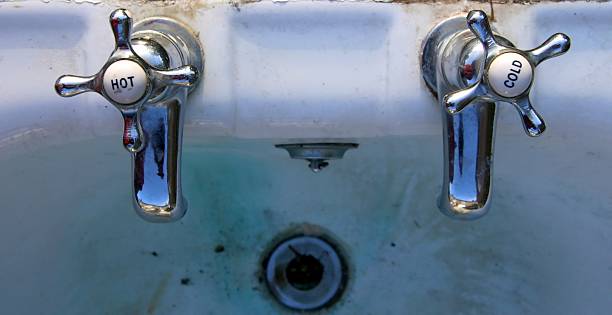
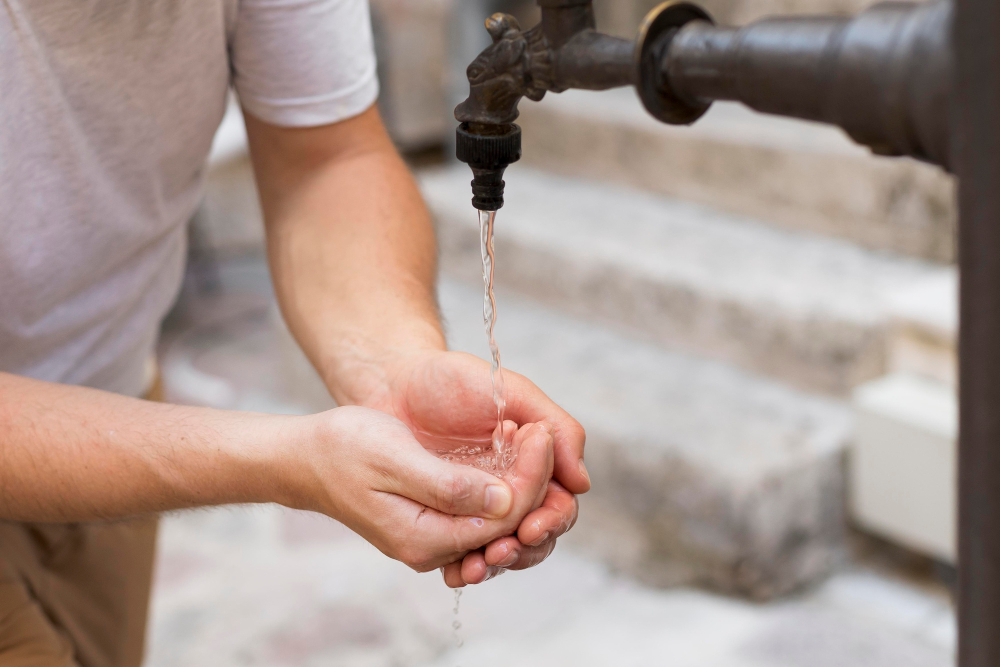
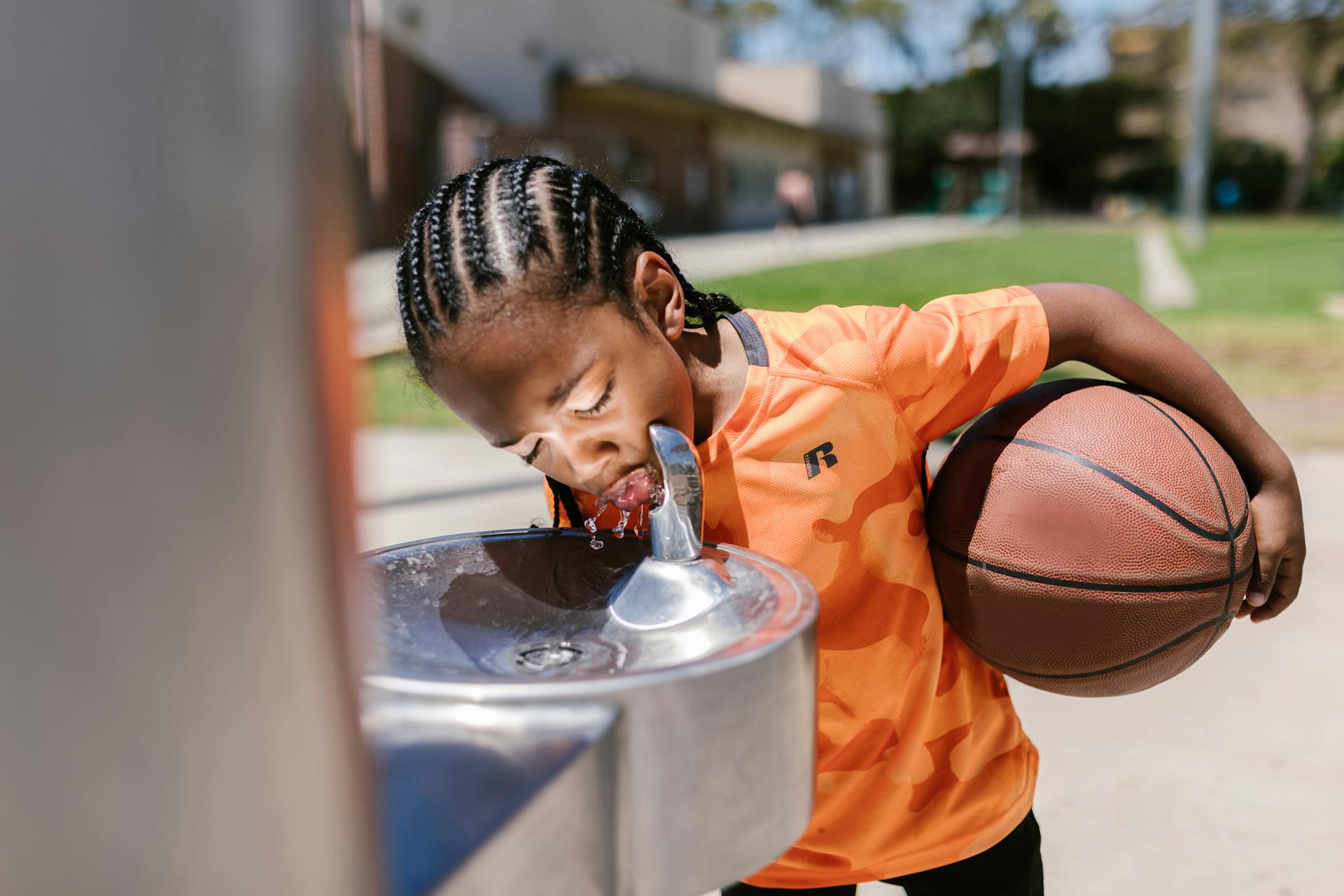
The situation began when several students reported that the water from the fountains near the gymnasium felt “warm and tasted funny.” Initially, the school administration pointed to their most recent triennial report, which had been completed in late 2024. That report indicated that the school was in compliance with the then-standard limits. However, the parents were not satisfied. They noted that the school’s plumbing had undergone minor repairs over the summer, and they worried that these disturbances might have flushed contaminants into the drinking supply.
In 2026, the threshold for “safety” has shifted. New York State has officially lowered the lead action level to 5 parts per billion (ppb), down from the previous 15 ppb. This means that fixtures once considered “safe” in 2024 are now legally required to be remediated. The parents, staying informed via our blog, understood that “compliance” in 2024 did not guarantee safety in 2026. Their persistence eventually led to a private, third-party retest of every potable outlet in the building.
The Retest Results: A Stark Wake-Up Call
When the results of the 2026 retest were returned, the data was sobering. While the main water line entering the building was clean, several specific outlets—including a kitchen prep sink and three hallway bubblers—recorded lead levels between 8 ppb and 12 ppb. Under the updated 2026 regulations, these were now officially “failing” grades.
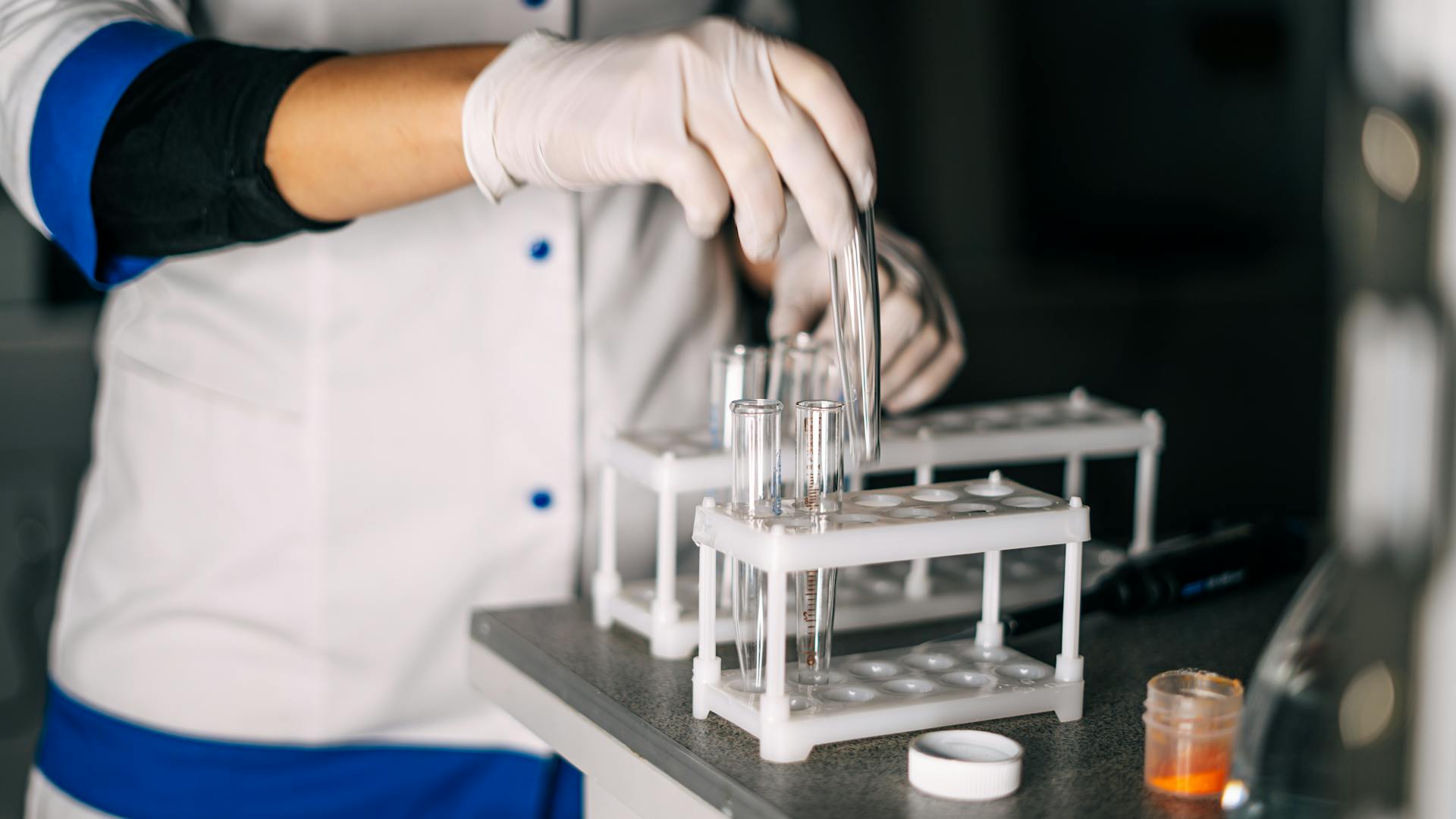
The retest utilized specialized testing methods known as “first-draw” sampling. This process requires the water to sit motionless in the pipes for at least 8 to 18 hours before collection, capturing the highest possible concentration of metals that leach from the plumbing overnight. The results proved that the parents’ concerns were valid: the “funny taste” was the sensory manifestation of an underlying chemical failure that the school’s older reports had overlooked.
The Multi-Step Remediation: Beyond the “Do Not Drink” Sign
Once the failures were identified, the Bronx charter school had to move immediately into a remedial phase. In the 2026 regulatory environment, a “Do Not Drink” sign is no longer considered a permanent solution. The school implemented a comprehensive strategy:
- Immediate Shut-Off: The failing fountains were disconnected within 24 hours of the lab report.
- Fixture Replacement: The older brass bubblers were replaced with modern, certified “lead-free” bottle-filling stations.
- Point-of-Use (POU) Filtration: For the kitchen sinks where total pipe replacement was structurally difficult, the school installed high-grade POU filters certified to remove lead at the 5 ppb level.
- Staff Education: Teachers and facilities staff were trained on the importance of “flushing” taps that are not used over long holiday weekends.
As we often discuss in our faq, remediation is not just about fixing a pipe; it is about changing the culture of water management within the building.
Interpreting the Data for a Concerned Community
One of the biggest hurdles during this process was interpreting results for the parent body. To a non-scientist, the difference between 4 ppb and 6 ppb might seem negligible. However, for a developing child, these numbers represent the difference between an acceptable environmental risk and a potential neurotoxic exposure.
The school held a town hall meeting where specialists explained that lead is a cumulative toxin. There is no “safe” level of lead for children; the 5 ppb limit is a regulatory goal, but the health goal is always zero. By being transparent and providing the full lab reports on the school’s website—a requirement under New York’s 2026 regulations—the administration was able to regain the trust of the families they serve.
The Financial Reality of Safety in Bronx Schools
For charter schools, which often operate on tighter budgets than large public districts, the cost of retesting and remediation can be daunting. However, in 2026, the state has opened new grant pathways for schools to upgrade their drinking water infrastructure. The Bronx school used this incident to apply for “Filter First” funding, ensuring that their new bottle-filling stations would be a permanent, filtered solution rather than a temporary fix.
This proactive financial planning is something we frequently encourage on our blog. Waiting for a failure to occur is always more expensive than maintaining a regular testing schedule. For this Bronx community, the cost of the retest was a small price to pay for the long-term cognitive health of their students.
Conclusion: A Blueprint for Advocacy
The story of the Bronx charter school retest is a victory for community-led advocacy. It reminds us that “safety” is a moving target and that the infrastructure of our city requires constant, vigilant monitoring. Because these parents spoke up and demanded more than just a cursory check, hundreds of students are now drinking water that meets the highest safety standards in the nation.
The most effective next step for any parent, teacher, or administrator in a Bronx educational facility is to verify the date and the “Action Level” of their last water report. If your school hasn’t tested under the new 5 ppb standard, the best path forward is to contact a professional today to schedule a baseline audit. Don’t wait for a student to report a “funny taste”—ensure the water is safe before the first bell rings.