For many residents in the tri-state area—from the historic brownstones of Brooklyn to the sprawling suburban estates of Bergen County—the sensory experience of drinking tap water is something we often take for granted. We might notice a slight “tang” in the morning or a faint “pool-like” scent after a heavy rainstorm, often dismissing it as a quirk of urban living or a change in the local reservoir. However, in 2026, environmental health experts are urging homeowners to stop ignoring these subtle sensory cues.
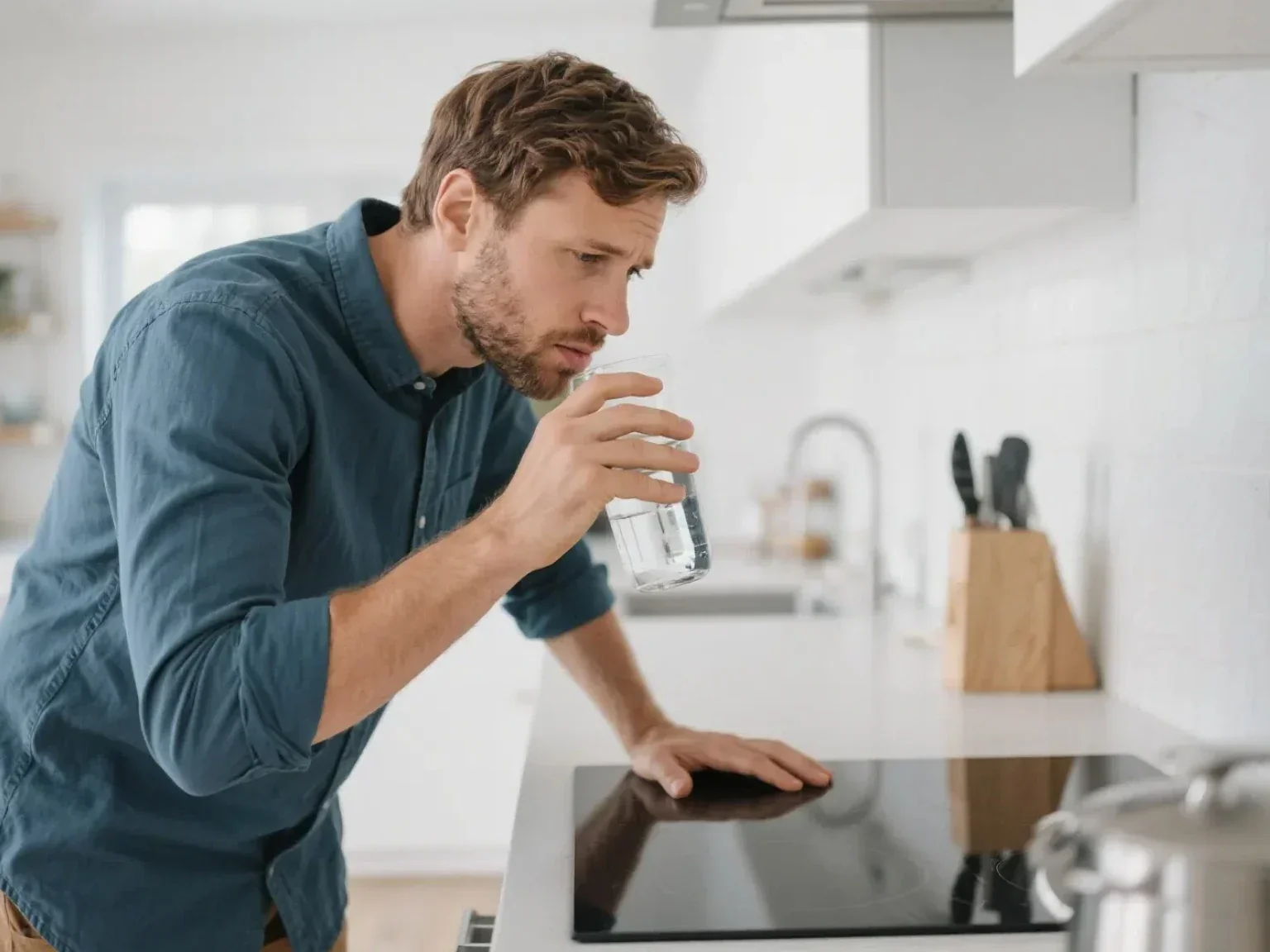
Your palate is one of your most sensitive diagnostic tools. While many dangerous contaminants are indeed tasteless and odorless, a significant number of water quality issues manifest first as a “slight taste.” Learning to decode these signals isn’t just about enjoying a better cup of coffee; it is about identifying potential health flags before they escalate into systemic plumbing failures or medical concerns.
The Metallic Tang: More Than Just “Old Pipes”
Perhaps the most common complaint we hear involves a distinct metallic or “penny” taste. While it is easy to assume this is just the character of an older building, it is often a direct indicator of metal leaching. If you notice this taste primarily in the morning, it suggests that the water has been sitting in your pipes overnight, aggressively reacting with the plumbing materials.
This metallic profile often points to elevated levels of iron, manganese, or zinc. However, the real health flag is what that metallic taste represents: a corrosive environment. If your water is “aggressive” enough to taste like metal, it is likely leaching lead from old solder or brass fixtures. As we move through 2026, new regulations have lowered the acceptable thresholds for these metals, meaning a taste you’ve lived with for years might now signal a regulatory failure.
The Bitter Aftertaste: The pH and Copper Connection
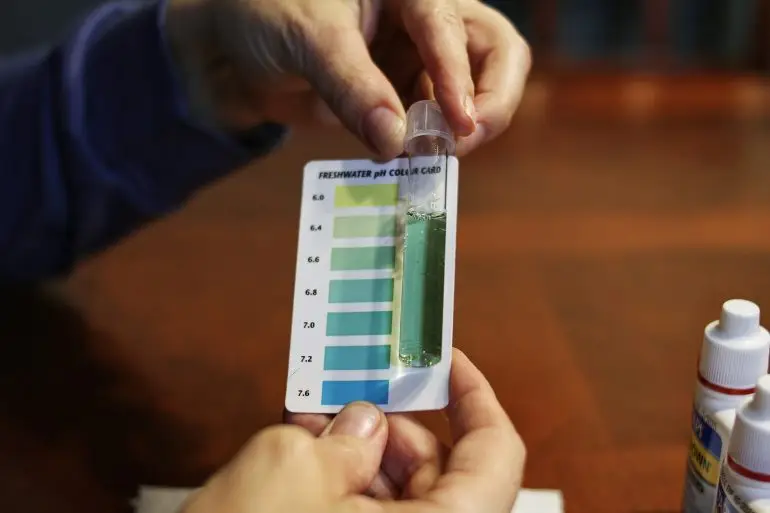
If your water leaves a lingering bitterness on the back of your tongue, you may be dealing with high copper levels or an imbalance in pH. Acidic water (low pH) is common in many private wells across New Jersey and can cause a sharp, bitter sensation.
This is more than a matter of flavor. High copper consumption can lead to gastrointestinal distress, and over time, acidic water will cause “pinhole leaks” in your copper piping. On our blog, we frequently document cases where a “bitter” glass of water was the first warning sign of a failing plumbing system that eventually cost the homeowner thousands in water damage repairs.
The Bleach or Chemical Scent: Disinfection Byproducts
Most city dwellers are familiar with the smell of chlorine. Municipalities use it to keep water safe from bacteria during its journey from the reservoir. However, if the “pool smell” becomes overwhelming, or if it is accompanied by a chemical “plastic” taste, you might be dealing with more than just high chlorine.
In 2026, we are seeing a rise in disinfection byproducts (DBPs). When chlorine interacts with organic matter in the pipes, it can form compounds like trihalomethanes. These are not just aesthetic issues; long-term exposure to high levels of DBPs is a significant health concern. If your water smells like a laboratory, it is a sign that your home might need a specific filtration strategy to remove these secondary chemicals. Our faq section provides a deeper look into how to distinguish between “safe” chlorine levels and “hazardous” byproduct concentrations.
Musty or Earthy Notes: The Biological Signal
An earthy, musty, or “fishy” taste is often associated with seasonal algae blooms in surface water reservoirs. While these are usually non-toxic, a persistent musty taste in a specific part of your home—like a guest bathroom or a basement sink—can be a health flag for biofilm or bacterial regrowth.
In the complex plumbing of New York City and Jersey City, “dead legs” in the pipes can allow water to stagnate and grow colonies of bacteria. This biological activity produces metabolic byproducts that alter the taste of the water. If the kitchen water tastes fine but the nursery tap tastes “earthy,” you aren’t imagining it; you are detecting a localized biological failure that requires professional testing methods to resolve.
Salty or Brackish Tones: A Growing Concern in 2026
For those along the coast or near major highways, a “salty” taste is a relatively new health flag gaining prominence. In 2026, saltwater intrusion into coastal aquifers and the lingering effects of heavy winter road salting have increased sodium and chloride levels in many local wells.
For individuals on low-sodium diets or those with hypertension, “salty” water is a direct medical risk. Furthermore, high chloride levels make water incredibly corrosive, accelerating the leaching of lead from any legacy plumbing in the home. If your water has developed a brackish quality, it is a signal that your groundwater chemistry has shifted, and you need help interpreting results to see if your sodium levels are exceeding health advisories.
The “Slippery” Feel: High Hardness or Resin Breakthrough
While not a “taste” in the traditional sense, the physical “mouthfeel” of water is equally telling. If your water feels “slippery” or “slimy” even after you’ve rinsed, you might have excessively soft water or a breakthrough in your water softener’s resin tank. Conversely, if your water feels “heavy” or leaves a chalky film on your teeth, you are likely dealing with high calcium and magnesium (hardness). While hardness is generally not a direct health threat, it can harbor bacteria and damage your water heater, leading to secondary safety issues.
When to Seek a Professional Audit
Relying on a “taste test” is a great way to identify a problem, but it is a terrible way to solve one. Many of the most dangerous contaminants in 2026—including PFAS and arsenic—have no taste at all. If you can taste something, it means the concentration of minerals or chemicals is high enough to register on your human sensors, which usually means it is well past the point of being a “trace” amount.
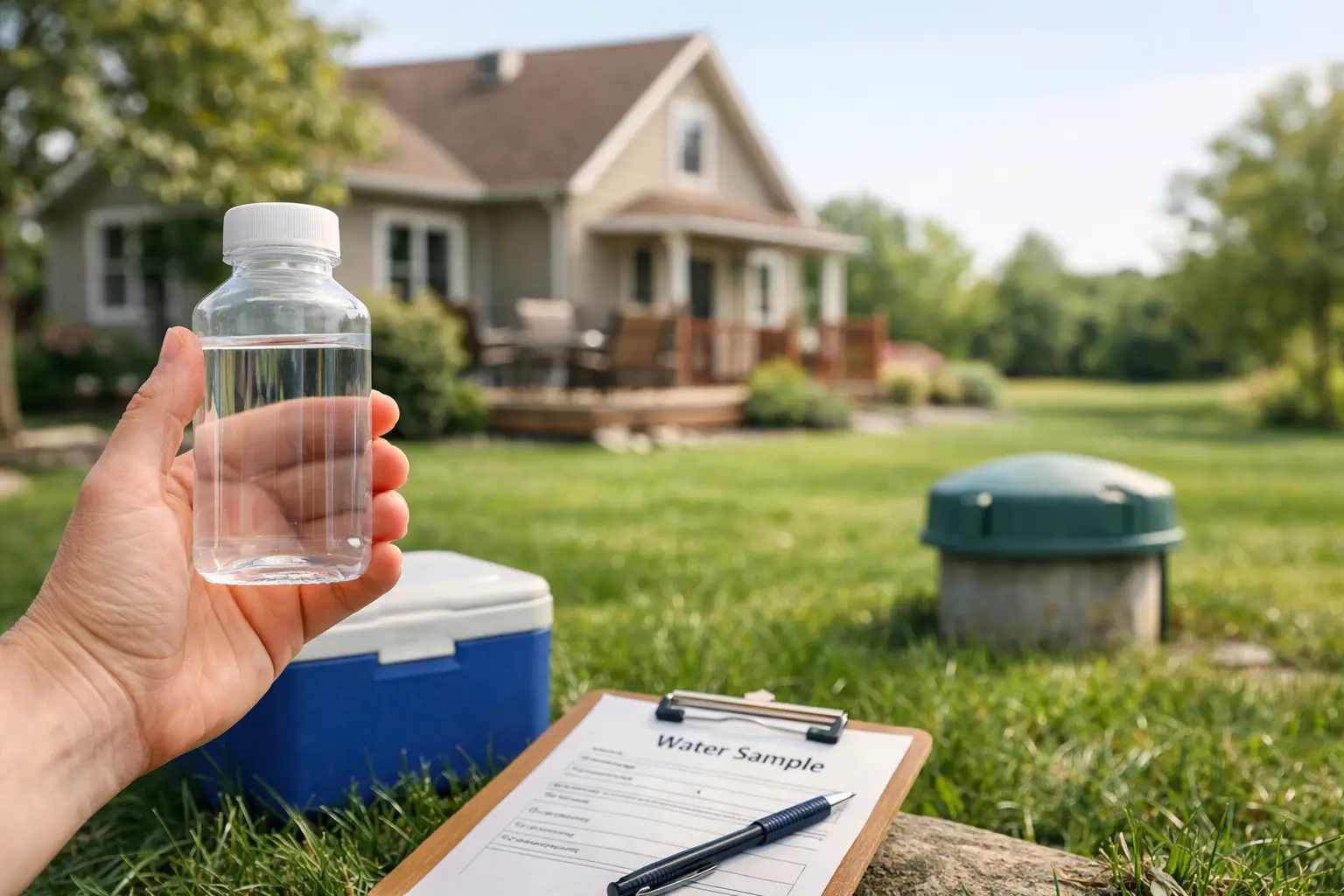
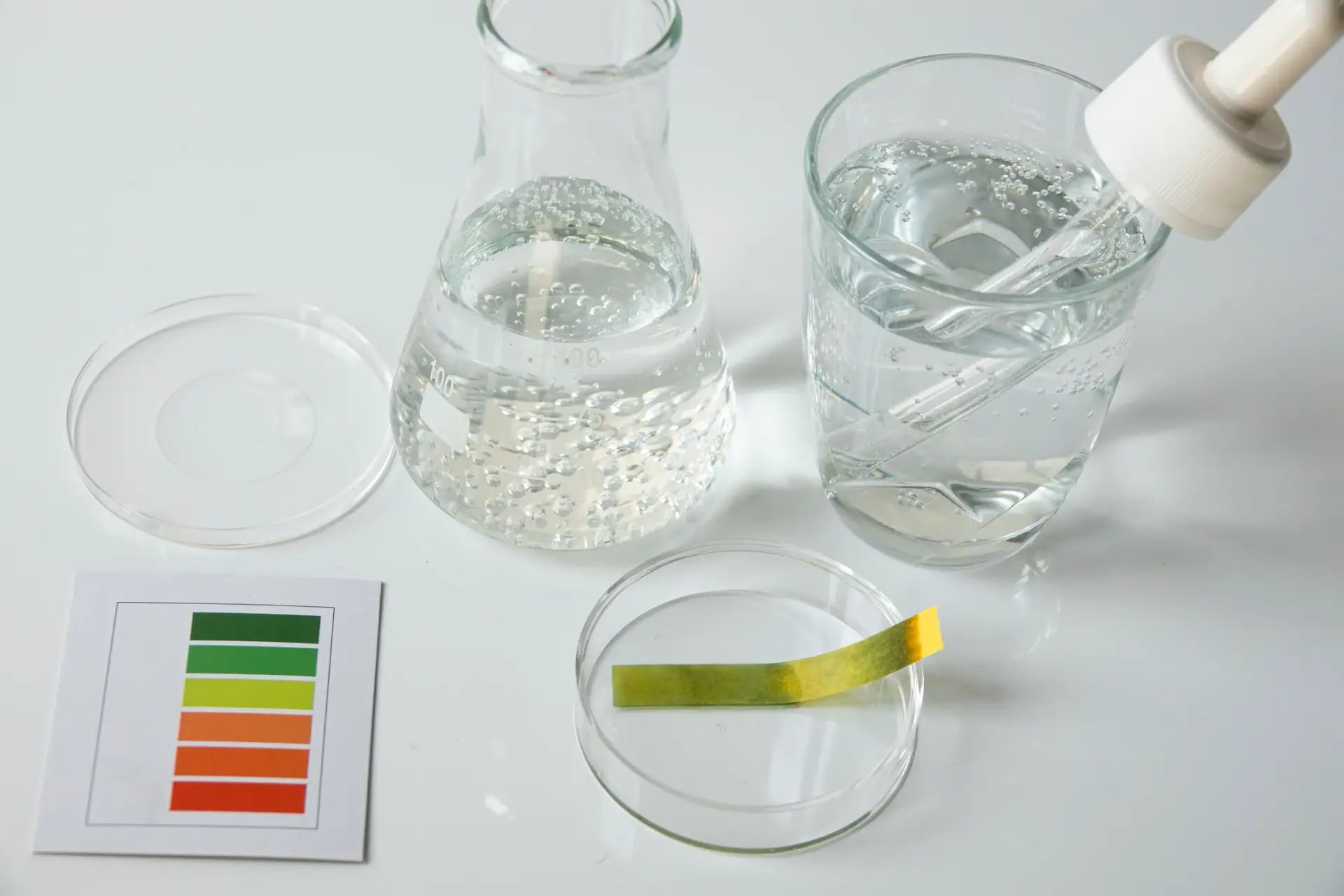
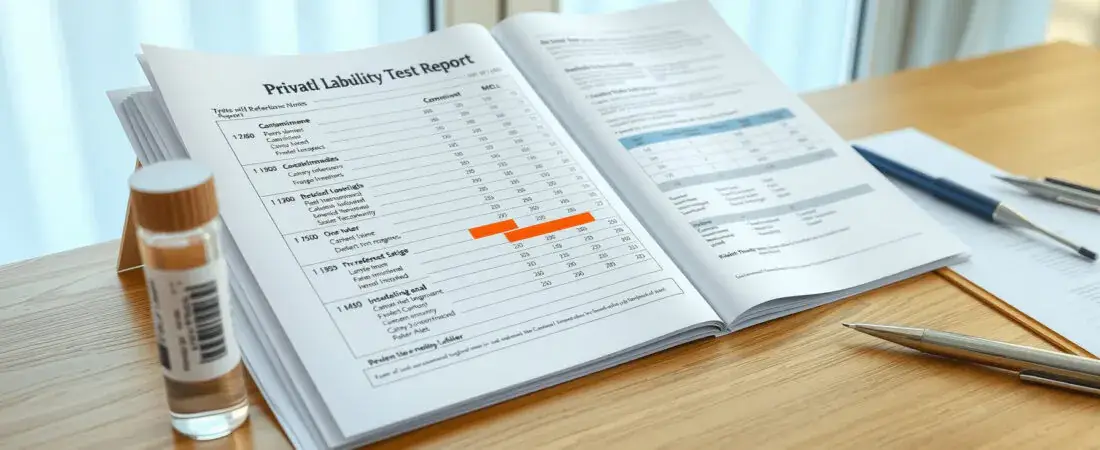
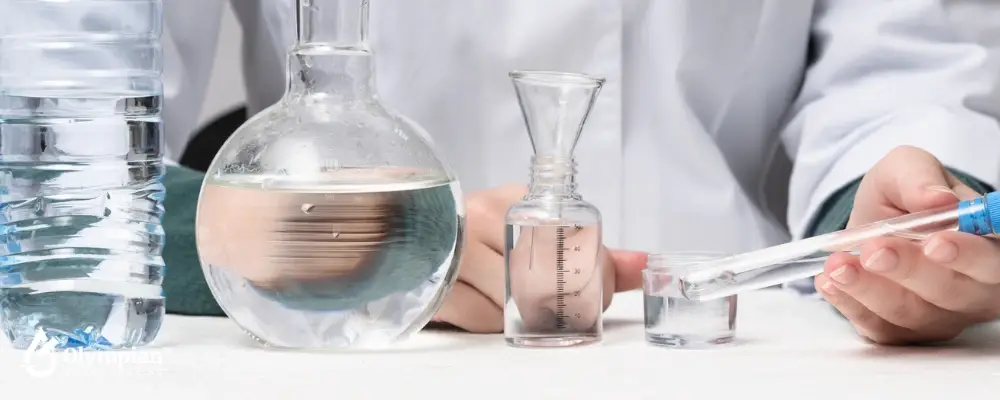
Professional testing methods are the only way to confirm what your palate is suspecting. A laboratory analysis can strip away the mystery, telling you exactly which metal or chemical is causing the “off” flavor and, more importantly, whether it is accompanied by “silent” contaminants that you can’t perceive.
Conclusion: Your Senses are the First Line of Defense
Your body can often recognize when something feels different about one of its most essential resources. A slight metallic taste, a faint earthy odor, or a lingering bitterness in your water should not simply be ignored or masked. In the modern environment of 2026, these changes can serve as important indicators that deserve closer attention through proper evaluation. Residential property lead water testing across Manhattan can provide the data needed to better understand water quality concerns and make informed decisions about your home’s water supply.
The most effective next step for any homeowner who has noticed a change in their water’s flavor is to move from suspicion to certainty. If your water doesn’t taste “right,” the best path forward is to contact a specialist today to schedule a comprehensive sensory and chemical audit. We can assist in interpreting results to ensure that your water is as healthy as it is refreshing.