In the bustling real estate markets of Jersey City, the Bronx, and the rapidly expanding suburbs of North Jersey, the phrase “new construction” is often treated as a guarantee of perfection. In 2026, buyers are flocking to these modern builds, attracted by smart home technology, energy-efficient appliances, and the promise of a “clean slate.” However, a troubling trend is emerging in professional laboratory audits: even in a house where the paint is barely dry, the water quality can fail to meet basic safety regulations.
The reason is a hidden infrastructure gap. While the interior plumbing of a new home is almost certainly modern PEX or copper, the connection to the municipal water main—the service line—might be decades old. For many new developments built on “infill” lots or repurposed industrial land, the “new” house is still drinking through an “old” straw. Understanding this disconnect is essential for any homeowner who wants to ensure their modern investment isn’t compromised by legacy contaminants.
The “Service Line” Trap: New House, Century-Old Pipe
When a developer builds a new home on a lot where an older structure once stood, they often seek to minimize costs by reusing the existing water service connection. In many parts of Jersey City and the older boroughs of NYC, these underground lines were installed between 1920 and 1960.
The problem is that these legacy lines are frequently made of lead or galvanized steel. Even though the interior of the home features “lead-free” fixtures and pipes that meet 2026 standards, the water must first pass through thirty to fifty feet of aging, lead-leaching pipe before it ever reaches the kitchen sink. If you rely solely on the “newness” of your home and skip professional testing methods, you could be unknowingly exposing your family to heavy metals from a pipe that technically shouldn’t be there.
Why Municipal Inventories May Fall Short in 2026
As we move through 2026, the EPA’s Lead and Copper Rule Improvements (LCRI) have mandated that cities create comprehensive service line inventories. However, these inventories are massive undertakings and are often based on historical records that may be incomplete or inaccurate.
In a dense urban environment, a lot may have been “vacant” for twenty years, but the lead service line was never capped or removed at the main. When the new construction begins, the connection is simply reactivated. We frequently see cases on our blog where homeowners in brand-new condos were shocked to find elevated lead levels. They assumed the city or the developer had “cleared” the lines, but the specific regulations regarding private-side replacements often leave a grey area that builders are hesitant to address unless explicitly required.
The Physical Shock of Construction
Even if a new construction project does replace the service line, the process of tapping into the city’s water main can cause a “physical shock” to the surrounding infrastructure. The vibration from heavy machinery and the pressure changes from cutting into the main line can dislodge years of lead-rich sediment and rust from the municipal pipes nearby.
This sediment can travel into the new home’s plumbing during the initial “flush” of the system. In many cases, these particles get trapped in the aerators of high-end, low-flow faucets or in the delicate valves of a new tankless water heater. This is why interpreting results from a test taken on “Day 1” of move-in is so important. It helps distinguish between a permanent lead source (like an old pipe) and a temporary contamination event caused by construction debris.
PFAS and the Legacy of the Land
In 2026, we are also dealing with the “forever chemical” reality of PFAS. New construction often takes place on land that was previously used for manufacturing, automotive repair, or even as a dumping ground for demolition debris. While the house is new, the soil around the water lines may contain legacy contaminants.
If the new service line is made of certain types of plastic (like older HDPE) and passes through contaminated soil, some chemical compounds can actually “permeate” the pipe wall and enter the water supply. While modern testing methods are becoming more sensitive to these risks, many builders do not include a PFAS scan in their standard “occupancy” water test. For a buyer, adding this to their due diligence is the only way to be certain that the land’s history isn’t infecting their modern tap.
The False Security of “Lead-Free” Labels
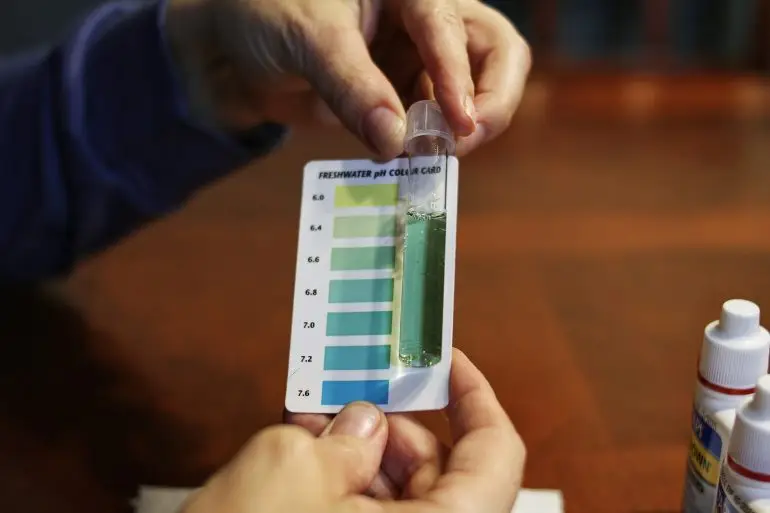
In the plumbing world, “lead-free” doesn’t actually mean zero lead. Under current laws, a fixture can be labeled lead-free if it contains a weighted average of up to 0.25% lead on its wetted surfaces. In a large new construction project with dozens of faucets, valves, and connectors, these trace amounts can add up, especially if the water is slightly acidic (low pH).
As we note in our faq, the “newness” of the fixtures can actually work against you for the first few months. New brass and bronze components often leach more lead in their first 90 days of use than they will after they have developed a protective mineral coating (passivation). If you test the water the week you move in, you are seeing the system at its most “aggressive” stage. Repeated testing is often necessary to ensure that the levels drop as the system matures.
How to Protect Your New Investment
If you are buying new construction in 2026, do not let the “Certificate of Occupancy” be your only metric for safety. Take these proactive steps:
- Request the Service Line Material Log: Ask the developer for documented proof (including photos) that the service line was replaced all the way to the city main.
- Insist on an Independent Audit: Don’t rely on the “contractor’s test.” Use an independent laboratory that understands local interpreting results for Jersey City or NYC.
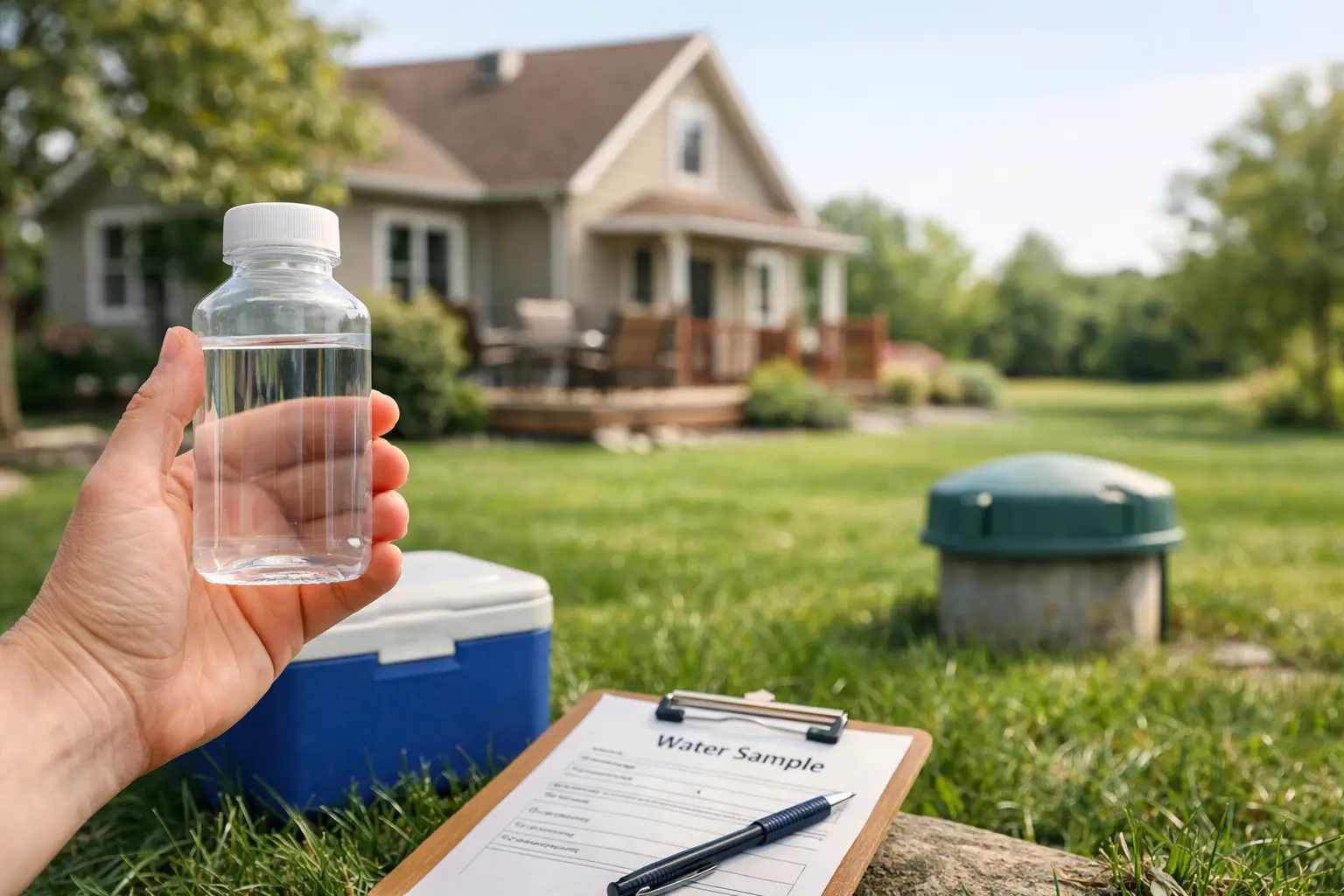
- The “First Draw” Priority: Make sure your sample is taken after the water has sat in the new pipes for at least six hours. This is the only way to see what the pipes are “giving” to the water.
Conclusion: Closing the Information Gap
A new home is a significant milestone, but it is not completely separate from the larger water system that serves it. Every property is connected to a broader municipal network, which may include aging infrastructure and conditions that differ from the modern features inside the home. In 2026, informed homeowners are prioritizing water quality through accurate data and professional evaluation rather than relying only on appearance or assumptions. Certified private water testing in Queens can help provide valuable insights and support smarter decisions about your home’s water supply.
The most effective next step for any new construction buyer—or anyone who has moved in within the last year—is to verify the “hidden” side of their plumbing. If you aren’t 100% certain about the material of the pipe buried under your front lawn, the best path forward is to contact a specialist today. We can help you navigate the regulations and provide the peace of mind that your “new” home is truly as safe as it looks.