The allure of a historic brownstone in Brooklyn’s Park Slope or Jersey City’s Paulus Hook is undeniable. These structures are the crown jewels of the tri-state area’s architectural heritage. However, when a 2026 renovation project begins, the intersection of century-old infrastructure and modern plumbing upgrades creates a unique set of water quality risks. While many homeowners believe that a “gut reno” solves all their plumbing woes, the reality is that the act of renovation itself can trigger a series of chemical and physical changes in the water supply.
For these historic properties, a single water test at the end of construction is rarely sufficient. To ensure long-term safety, brownstone owners must understand why repeated testing is the only way to verify that their “newly renovated” home isn’t hiding an old problem.
The “Shrapnel” Effect: Disturbing Decades of Scale
Inside the walls of a classic brownstone, the plumbing is often a patchwork of history. Even if you replace the pipes within your specific unit or floor, you are still connected to the building’s original vertical risers and the street-side service line. These older pipes—often made of galvanized steel or lead-soldered copper—contain decades of accumulated mineral scale and “rust.”
When a contractor hammers on a wall, cuts into a pipe, or even shuts off the main water valve for a day, the resulting vibrations and pressure surges act like a physical shock to the system. This “shrapnel” effect dislodges flakes of lead-rich scale and rust from the older sections of the plumbing. These particles don’t just flush out in five minutes; they can linger in the system, caught in the aerators of your new luxury faucets or trapped in the bends of your high-end shower valves. Repeated testing methods conducted over several weeks are necessary to ensure that the initial “spike” of post-renovation debris has actually cleared.
Galvanic Corrosion: When Old Meets New
One of the most common mistakes in brownstone renovations is the “partial repipe.” A homeowner might replace the accessible pipes in the kitchen with modern copper or PEX but leave the connection to the old lead or galvanized service line intact. This creates a “galvanic couple”—a situation where two dissimilar metals are joined together in the presence of water.
In this scenario, the water acts as an electrolyte, creating a “battery effect” that accelerates the corrosion of the less noble metal (usually the lead or steel). This process, which we frequently detail on our blog, can actually increase the amount of lead leaching into your water compared to before the renovation. In 2026, as regulations regarding lead service lines become more stringent, identifying these galvanic “hot spots” through repeated testing is essential. If your first test passes but your second test (taken 30 days later) fails, it is often a sign of active galvanic corrosion.
Post-Renovation Stagnation and Biofilm
Renovations are rarely finished on schedule. It is common for a brownstone’s plumbing system to be filled with water and then left stagnant for weeks or even months while the “finishing touches”—like cabinetry or tile work—are completed. During this period of no flow, the chlorine residual that keeps the water safe dissipates.
This stagnant environment is a playground for biofilm and bacteria. Pathogens like Legionella thrive in the “dead legs” created by renovated plumbing layouts. When you finally move back in and turn on the taps, you are drawing from a reservoir of stagnant, potentially contaminated water. While the initial “flush” might clear the bulk of the issue, repeated testing methods are the only way to verify that the biological health of the system has stabilized and that the biofilm has been effectively managed.
Interpreting the “False Pass”
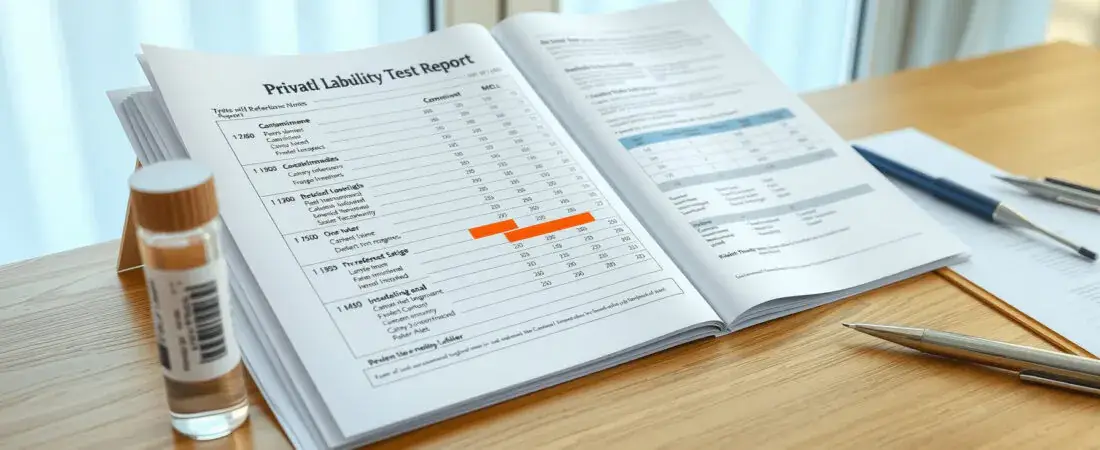
Many brownstone owners perform a single water test immediately after the renovation is complete. If that test passes, they consider the matter closed. However, laboratory data from 2026 indicates that many homes experience a “False Pass.” This happens because the system was thoroughly flushed by the plumbers right before the sample was taken, temporarily lowering the concentration of metals and bacteria.
The true test of a home’s safety is how the water performs under “normal use” conditions. This means testing the water after it has sat in the pipes overnight (a “first draw” sample). Only after the home has been occupied for a month or two can you get an accurate picture of the water’s chemistry. Interpreting results from a follow-up test often reveals issues that the initial, post-construction flush hidden.
Construction Residues and Flux
Modern plumbing involves the use of flux, adhesives, and sealants. If a plumber is overly generous with the flux while soldering new copper joints, that acidic material can sit inside the pipe and continue to leach metals for months. Furthermore, “new” pipes—especially PEX or copper—can leach small amounts of manufacturing residues during their first few months of service.
These chemical residues can alter the taste and odor of your water, leading to the “musty” or “metallic” complaints we often see in our faq. By scheduling a second test three to six months after the renovation, you ensure that these construction byproducts have been fully flushed and that the system has reached a state of “passivation”—where a natural protective coating has formed on the inside of the new pipes.
A Recommended Testing Schedule for Renovated Brownstones
To protect your investment and your health, we recommend a “Three-Phase” testing approach for any significant brownstone renovation:
- Phase 1: Pre-Renovation Baseline. To know what you are starting with and what the renovation needs to address.
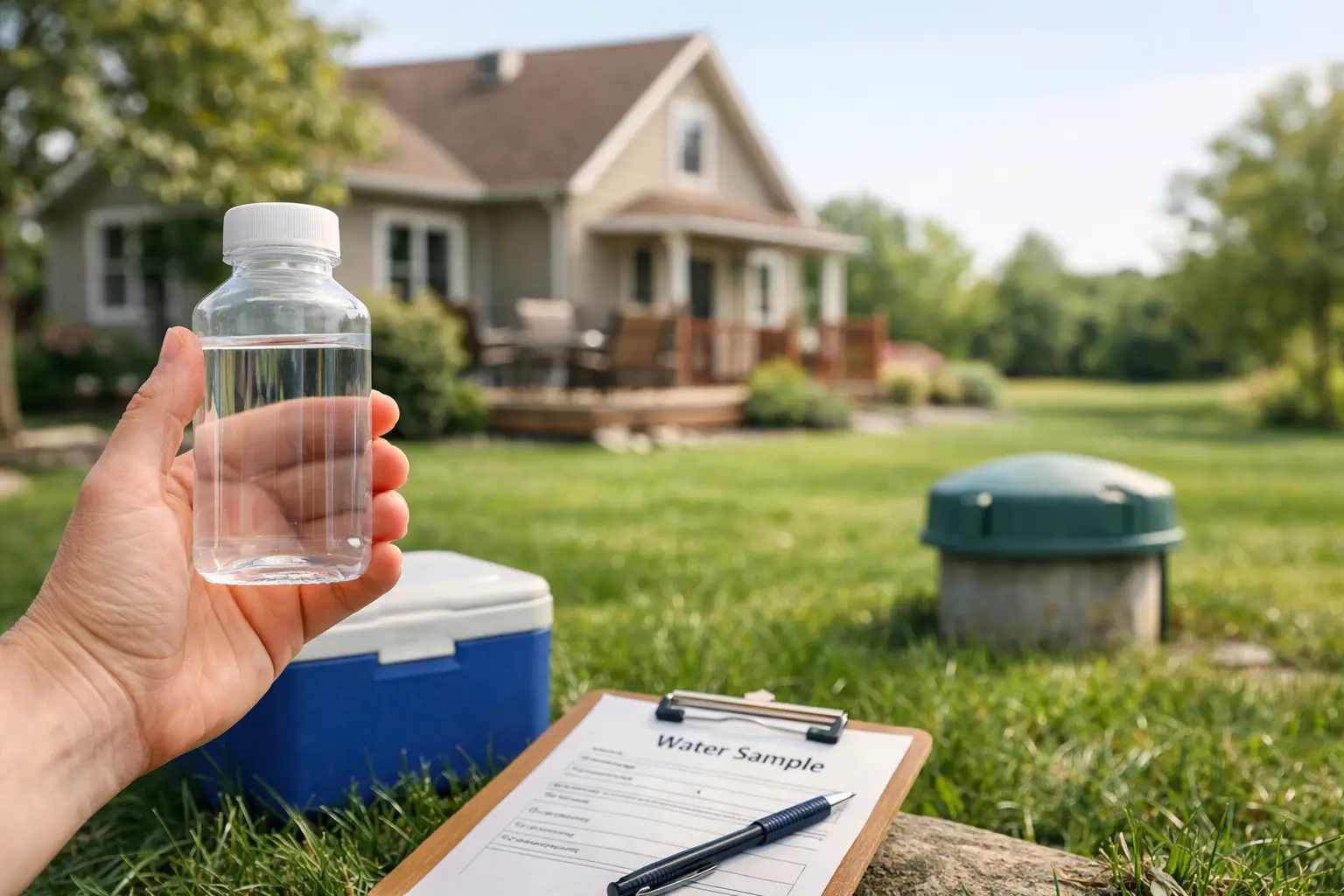
- Phase 2: Post-Construction Verification. Taken immediately after the work is finished to ensure no major “shrapnel” or lead spikes are present.
- Phase 3: Stabilization Audit. Taken 60 to 90 days after you have moved back in, to verify that the water chemistry is stable under normal occupancy.
This proactive schedule is becoming the gold standard in 2026 real estate, especially in neighborhoods like Bed-Stuy or Downtown Jersey City where the age of the infrastructure makes water quality a variable rather than a constant.
Conclusion: Closing the Safety Loop
Renovating a brownstone is a labor of love, but it should not come with uncertainty about your home’s water quality. Construction activities can create physical and chemical changes within existing plumbing systems, potentially affecting water conditions even when previous tests showed safe results. Disturbances from pipe replacements, fixture upgrades, soldering work, and changes to internal plumbing layouts can introduce new variables that impact the water reaching your taps.
By committing to ongoing evaluation and certified laboratory lead testing for Queens, homeowners can better understand the complexities of historic plumbing systems and identify potential concerns that may arise during or after renovation projects. Accurate testing provides valuable insight into whether modern upgrades are truly supporting a healthier and safer living environment.
The most effective next step for any brownstone owner currently in the middle of a renovation—or who has just completed one—is to verify the “long-term” health of their taps. If you haven’t performed a follow-up test since your move-in date, the best path forward is to contact a specialist today to schedule a stabilization audit. We can assist with interpreting results to make sure your beautiful new renovation is matched by equally high-quality water.