In the fast-paced 2026 real estate markets of the Hudson Valley, North Jersey, and Staten Island, the traditional “wait and see” approach to home inspections is rapidly becoming a thing of the past. For years, the water test was treated as a last-minute box to check—a final hurdle just days before closing. However, following a series of high-profile “failed” transactions due to emerging contaminants and complex local regulations, top-tier real estate agents have pivoted to a new strategy: Pre-Test Counseling.
This shift represents a fundamental change in how property transfers are handled. Agents are no longer just opening doors; they are acting as risk managers. By recommending that sellers and buyers engage in professional water quality counseling before the laboratory technician ever arrives, they are saving deals, protecting commissions, and ensuring that families move into homes with absolute certainty about their tap water.
The Strategy of “No Surprises”
The primary driver behind pre-test counseling is the elimination of the “environmental jump scare.” In 2026, the list of potential contaminants has grown beyond simple bacteria and lead. With the implementation of strict new state regulations regarding PFAS, 1,4-dioxane, and arsenic, a “standard” well test is now a complex chemical audit.
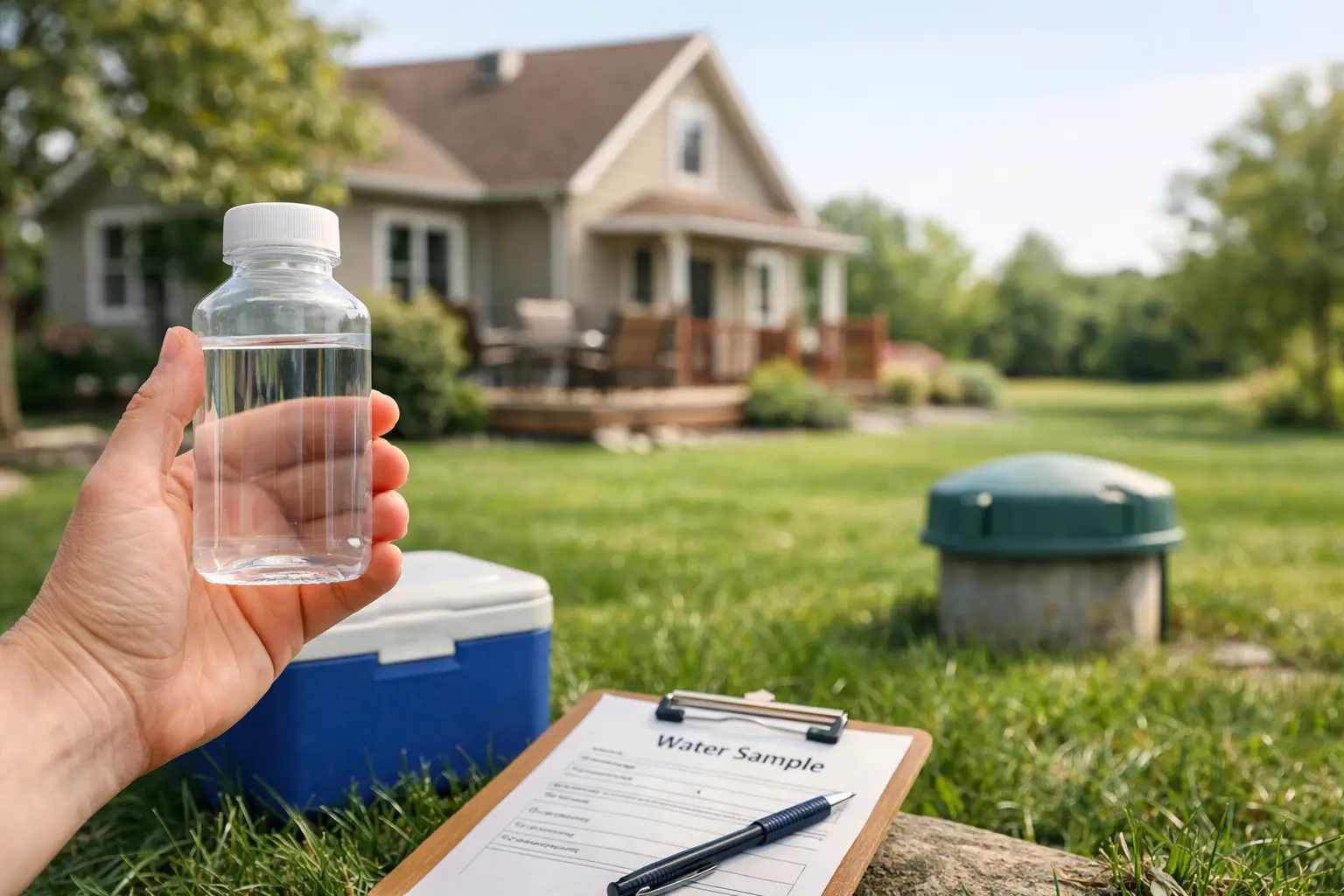
When a seller waits until they are under contract to test their water, they are gambling with their home’s equity. If a test fails for a “forever chemical” like PFOA, the buyer’s attorney may advise them to walk away immediately. Pre-test counseling allows the seller to understand the specific risks of their zip code—whether it’s the limestone-heavy aquifers of Sussex County or the industrial legacy of the Bronx—and address them before the house even hits the market. As we often discuss on our blog, a proactive fix is always cheaper than a reactive credit at closing.
Understanding Local Geological Footprints
Every neighborhood has a unique “water personality.” A real estate agent in 2026 who understands this has a significant competitive advantage. Pre-test counseling helps homeowners identify which testing methods are most appropriate for their specific location. For example, a home in a historic district may need an intensive lead-in-solder scan, while a home near a former orchard may require a deeper dive into pesticide residuals.
Counseling sessions often involve a review of the home’s existing plumbing and filtration. If a home has a 15-year-old water softener or an unmaintained ultraviolet (UV) light, the counselor will advise the homeowner to service the equipment before the “official” test. This ensures that the water being sampled represents the best possible version of the home’s utility, rather than a neglected system failing on a technicality.
The “Buyer’s Side” of the Counseling Equation
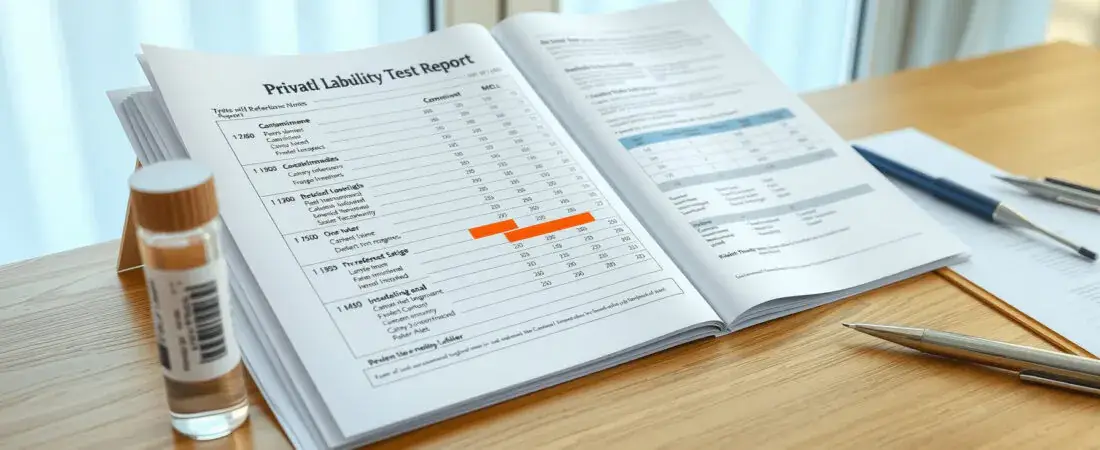
It isn’t just sellers who benefit from this trend. Buyers’ agents are increasingly recommending pre-test counseling to their clients to help them understand what they are actually looking for. To a first-time homebuyer, a five-page laboratory report can look like a foreign language. Without help interpreting results, a buyer might see a trace amount of a harmless mineral and mistake it for a toxic hazard.
Counseling provides the context necessary to stay calm. It explains the difference between an “Action Level” and a “Health Goal,” and it outlines exactly how much a remediation system would cost if a failure does occur. This transparency keeps the negotiation grounded in facts rather than fear. In our faq section, we highlight how educated buyers are much less likely to “panic-cancel” a contract over a fixable water issue.
Navigating the 2026 Regulatory Landscape
As we move through 2026, the legal requirements for property transfers have become a moving target. In New Jersey, the Private Well Testing Act (PWTA) continues to evolve, adding new parameters that catch many long-term residents off guard. In New York, lead-testing requirements for multi-family dwellings have become increasingly stringent.
Pre-test counseling ensures that the correct “panel” of tests is ordered. There is nothing more frustrating for an agent—or more dangerous for a closing timeline—than realizing 48 hours before the deadline that the wrong testing methods were used. By consulting with a specialist early, agents ensure that the laboratory report will meet the specific demands of the lender, the title company, and the state regulators on the first try.
The Impact on Property Value and Trust
In a high-inventory market, a home that comes with a “pre-certified” water report and a documented history of counseling is significantly more attractive. It signals to the buyer that the seller is transparent and that the home has been meticulously maintained. This “environmental transparency” can actually justify a higher asking price, as the buyer is being spared the stress and potential cost of the inspection period.
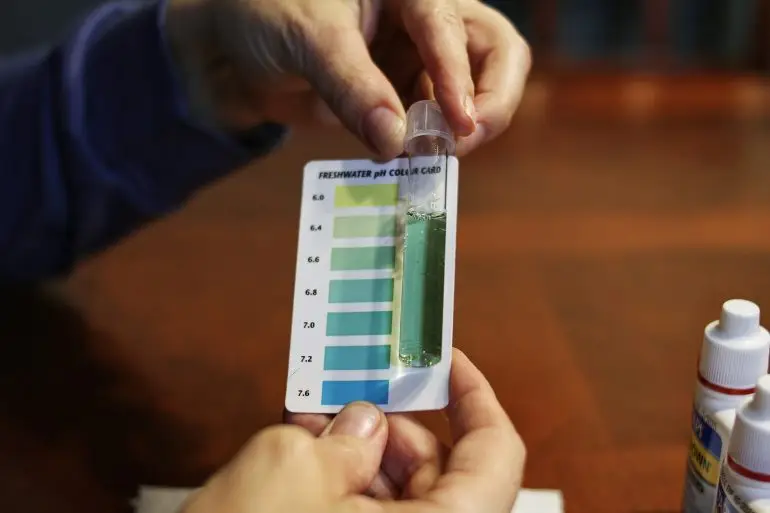
Agents are finding that this proactive approach builds lasting trust. When a seller avoids a $10,000 credit because they fixed a pH issue months in advance, or when a buyer moves in knowing their RO system is perfectly calibrated, the real estate agent is viewed as a true professional. In 2026, the “counseling” model is replacing the “transactional” model of real estate.
Conclusion: Closing with Confidence
The rise of pre-test counseling reflects how the real estate industry has become more proactive about environmental health concerns. In a time when water quality receives increasing attention, understanding potential issues before completing a transaction has become an essential step. By incorporating informed testing strategies into the sales process, professionals can help ensure that the closing table remains a place of confidence and celebration rather than unexpected disputes. Manhattan drinking water testing for lead can provide valuable insights and help buyers and sellers make better-informed decisions.
The most effective next step for any homeowner or agent preparing for a 2026 listing is to move beyond the DIY mindset. If you are planning to list a home or are currently touring properties with a private well, the best path forward is to contact a specialist today to schedule a pre-test consultation. We can provide the expert guidance needed for interpreting results and choosing the right testing methods for your specific neighborhood.