In the high-stakes world of New Jersey and New York real estate in 2026, the distance between a successful closing and a collapsed deal can often be measured in a few milliliters of water. A recent case in a leafy suburb of Morris County serves as a stark warning to sellers, buyers, and agents alike. A beautiful colonial home, already under contract with a premium offer, saw its sale completely disintegrate just days before the scheduled closing. The culprit wasn’t a structural flaw or a title dispute—it was a procedural oversight in the water sampling process: the failure to collect a “filtered” post-treatment sample.
This story is becoming increasingly common as 2026 regulations regarding water quality become more stringent. For homes equipped with existing water treatment systems—such as water softeners, acid neutralizers, or arsenic media tanks—the testing protocol is no longer a simple “turn on the tap” affair. It requires a strategic, two-part verification that many stakeholders are unfortunately overlooking.
The Anatomy of the Oversight
The property in question featured a private well and a sophisticated whole-house filtration system designed to manage naturally occurring arsenic and low pH levels. Under the New Jersey Private Well Testing Act (PWTA) and similar regional mandates, the primary goal is to ensure the water is safe for the next occupants.
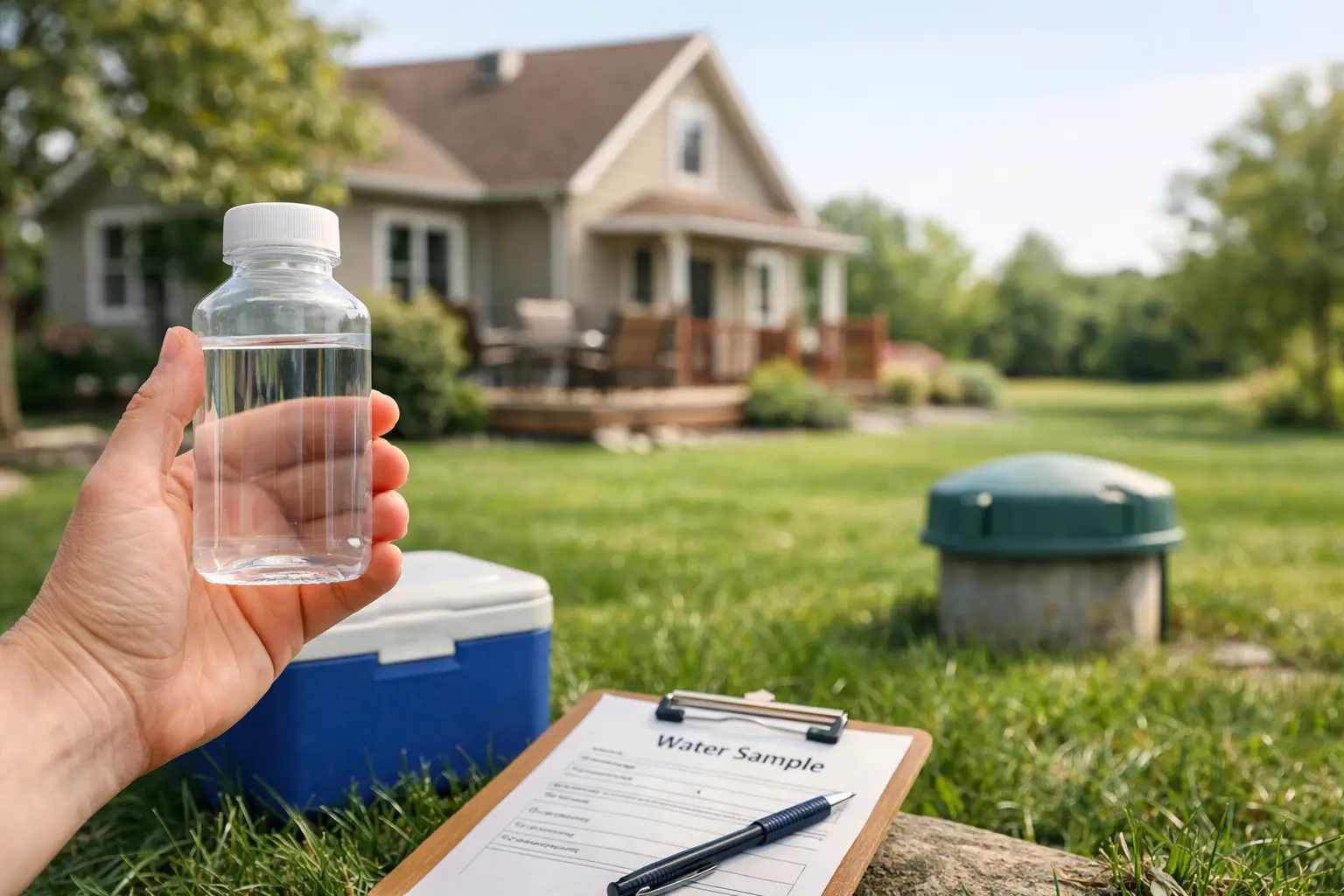
When the laboratory technician arrived for the initial inspection, they collected a “raw” water sample directly from the pressure tank. This is standard practice to establish the baseline of the well’s health. However, because the home had a functioning treatment system, the mortgage lender and the buyer’s attorney also required proof that the system was actually doing its job. This necessitates a second sample—the “filtered” sample—collected from the kitchen tap after the water has passed through the filtration media.
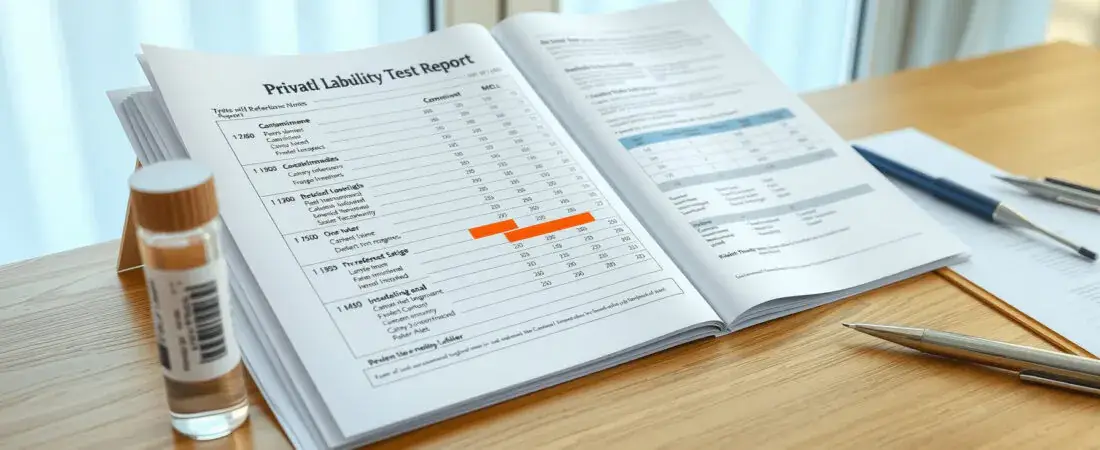
In the rush of the pre-closing whirlwind, only the raw sample was processed. When the results came back, the raw water showed arsenic levels slightly above the state’s maximum contaminant level. Without the filtered sample to prove the home’s system was successfully removing that arsenic, the bank froze the mortgage approval. By the time a re-test could be scheduled, the buyers—already jittery from the “failed” raw report—exercised their right to cancel the contract and moved on to another property.
Why the “Raw vs. Filtered” Comparison is Non-Negotiable
In 2026, the “raw” water result is almost expected to show some issues, especially in North Jersey or the Hudson Valley where minerals and trace elements are part of the geological landscape. A raw failure isn’t necessarily a deal-breaker; in fact, it is often just the starting point for a negotiation.
The real problem arises when there is no data to show the “after” picture. For a buyer, seeing a high lead or arsenic count on a raw report without a corresponding “non-detect” filtered report creates an immediate sense of “environmental anxiety.” They aren’t just buying a house; they are buying a potential health hazard. As we often discuss in our faq, the filtered sample is the seller’s best defense. It proves that the investment they made in their filtration system is providing a safe environment. Without it, the “raw” data stands alone as a red flag that most modern buyers simply won’t ignore.
The Role of Testing Methods in 2026
The complexity of modern testing methods has increased as we face new contaminants like PFAS and 1,4-dioxane. In 2026, a “filtered” sample isn’t just about checking for the absence of minerals; it’s about verifying that the specific media inside the tank hasn’t reached its “breakthrough” point.
Filtration systems are not “set and forget.” The resins and carbons inside the tanks have a finite lifespan. If a technician only tests the raw water, they miss the opportunity to confirm that the system is still active. In the Morris County case, the seller insisted the system was working, but in the eyes of a lender or a state regulator, if it isn’t documented in a lab report, it doesn’t exist. This is a common pitfall we highlight on our blog: technical assumptions are the enemy of a smooth real estate transaction.
Interpreting Results Under Pressure
When a sale is on the line, the emotional weight of interpreting results can lead to rash decisions. In this failed sale, the buyers saw the word “Arsenic” and the phrase “Above MCL” (Maximum Contaminant Level) and immediately panicked. Had there been a filtered sample showing “ND” (Non-Detect) sitting right next to it, the narrative would have been entirely different.
The conversation would have shifted from “The water is toxic” to “The well has arsenic, but the house has a professional system that successfully removes it.” That distinction is worth hundreds of thousands of dollars in property value. By failing to collect the filtered sample, the seller lost the ability to control the narrative with science. They left the buyers to interpret the “raw” failure with fear instead of facts.
The High Cost of Re-Testing
Beyond the risk of a deal falling through, there is the literal cost of the mistake. Scheduling a laboratory technician to return to a property for a missed sample is not just a matter of a small fee. In 2026, with high demand for certified samplers, a return trip can cost hundreds of dollars and, more importantly, can take 5 to 10 business days for the lab to process the new results.
In a market where “time is of the essence” clauses are strictly enforced, a 10-day delay is an eternity. For the Morris County sellers, that delay pushed them past their closing date, allowing the buyers a legal “out.” This is why we emphasize the importance of professional testing methods from the start—getting it right the first time is the only way to protect the timeline of the sale.
How to Avoid This Deal-Killer
Whether you are a seller preparing your home for the market or a buyer’s agent performing due diligence, there are three steps to ensure your water test supports the sale rather than sabotaging it:
- Identify the System: Before the tester arrives, know exactly what filtration is in the house. Is it a softener? An ultraviolet (UV) light? A carbon block?
- Demand Dual Sampling: Specifically request that the lab collect both a “raw” (pre-treatment) and a “treated” (post-filtration) sample.
- Verify the “Stagnation” Requirements: Many 2026 regulations require the water to sit in the pipes for 6 to 8 hours before a filtered sample is taken to ensure it reflects actual usage. If the tester arrives and the water was just running, the filtered sample may be invalid.
Conclusion: Data is the Ultimate Closer
The case of the Morris County colonial is an important reminder that in 2026, proper documentation is just as valuable as the property itself. A sale did not fall through because the water was necessarily unsafe; it was delayed because there was no clear evidence confirming its quality. With growing environmental awareness, buyers are seeking confidence and transparency before making major decisions. Lead water testing near me in Queens can provide the professional documentation and insights needed to support informed property transactions.
The most effective next step for any homeowner preparing for a sale is to perform a “pre-listing” water audit. If you have a filtration system and haven’t verified its performance with a dual-sample test in the last year, the best path forward is to contact a specialist today. Don’t let a missing vial of water be the reason your “Sold” sign never goes up.