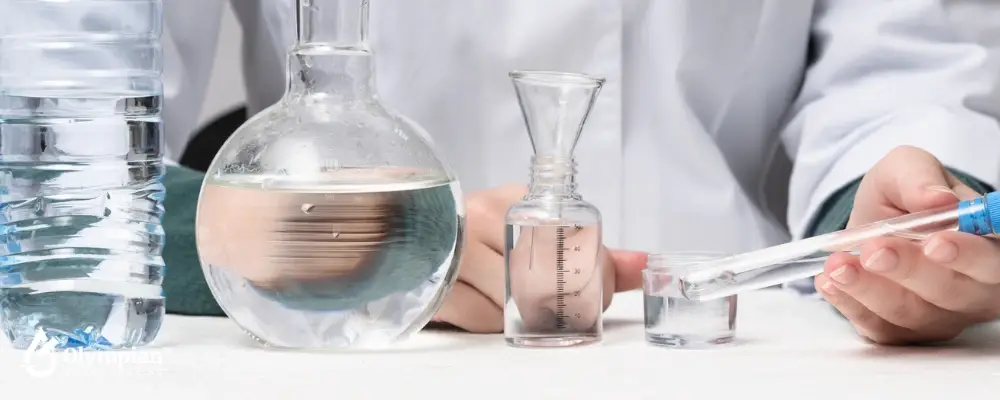
In the modern real estate landscape of 2026, building-wide water filtration has become a premier selling point for luxury condos in Jersey City and high-end rentals in Manhattan. Developers often market these systems as a “complete solution,” promising residents that every drop of water entering the building is scrubbed of impurities. On paper, it sounds like the ultimate peace of mind. However, as professional laboratory audits continue to reveal, a “clean” entry point does not always result in a safe tap.
The reality of urban plumbing is far more complex than a single filtration point at the water main. Between the building’s basement and your kitchen faucet lies a sprawling network of risers, valves, and branch lines that can fundamentally alter the chemistry and biological safety of your water. For residents relying solely on their building’s reputation for wellness, the “last mile” of plumbing is often where the most significant failures occur.
The “Point-of-Entry” Fallacy
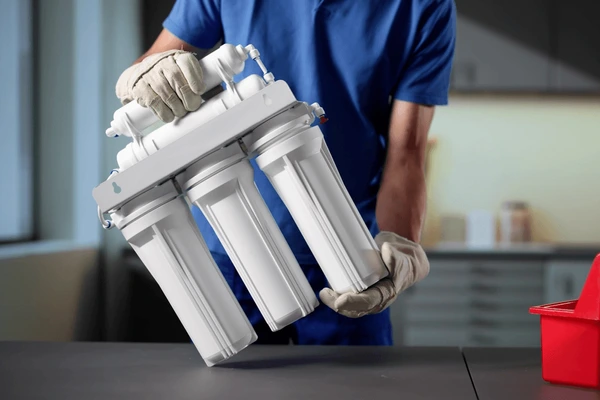
Building-wide systems are typically Point-of-Entry (POE) systems. They are installed where the city’s water main connects to the building’s internal infrastructure. While these systems are excellent at removing sediment, chlorine, and large-scale industrial contaminants before they enter the building, they cannot account for what happens inside the building’s own walls.
In many older Bronx buildings or even “gut-renovated” Staten Island complexes, the water may enter the building pristine, but it then travels through dozens or hundreds of feet of internal piping. If those internal pipes are made of aged copper with lead solder or galvanized steel, the water can actually pick up heavy metals after it has been filtered. This is why testing methods that focus on the “first draw” at the individual unit tap often show failures that the building-wide system was never designed to catch.
The Growth of Biofilm in Risers
One of the most significant risks in large-scale residential buildings is the development of biofilm. When a building-wide filter removes chlorine, it is doing its job of improving taste. However, chlorine is the very disinfectant that prevents bacterial growth. Without a chlorine “residual” traveling through the building’s vertical risers, the internal plumbing becomes an environment where bacteria can thrive.
In 2026, we are seeing more instances of opportunistic pathogens like Legionella or Pseudomonas taking root in the stagnant sections of a building’s plumbing. Even if the water was “sterile” at the basement filter, the journey to the 20th floor provides ample time for biological regrowth. This phenomenon is a frequent topic in our faq, as residents are often baffled that their “filtered” water could test positive for bacteria.
The Hot Water Loop: A Hidden Incubator
Most building-wide filtration systems are designed to treat the cold water supply, but a significant portion of daily household water use comes from the hot water system. Water used for activities such as showering, dishwashing, and sometimes cooking often flows through the hot water loop. In high-rise buildings, hot water is frequently recirculated to provide quick access at every tap, making it important to understand the condition of the entire water system rather than focusing only on incoming cold water. Condominium lead water testing in Queens can help building owners and residents evaluate potential concerns and gain a clearer understanding of how internal systems may affect water quality.
If hot water heaters, storage tanks, or recirculation systems are not properly maintained at appropriate temperatures required by current regulations, they may create conditions that contribute to bacterial growth. In addition, metals such as lead and copper can leach more readily into hot water under certain conditions.
A cold-water filtration system alone may not address concerns caused by hot water storage, internal plumbing, or circulation systems throughout a building. Evaluating both hot and cold water pathways is an important part of understanding overall building water quality and identifying areas that may require attention.
Cross-Contamination and Stagnation
In a large complex, water usage is highly variable. If a neighboring unit is vacant or if a particular “dead leg” of the plumbing isn’t used frequently, the water in those pipes sits stagnant. Under the pressure of the building’s pumping system, this stagnant, potentially contaminated water can sometimes mix with the “fresh” filtered water through backflow or simple diffusion.
Furthermore, many “luxury” buildings are currently undergoing constant minor renovations as tenants move in and out. The physical vibration of a plumber working on the 4th floor can knock loose lead-rich scale in the shared riser that then travels up to the 10th floor. No basement filter can stop the “shrapnel” of old pipe linings dislodged by localized construction. We often share these case studies on our blog to remind residents that water quality is a unit-specific reality, not a building-wide guarantee.
Interpreting the False Sense of Security
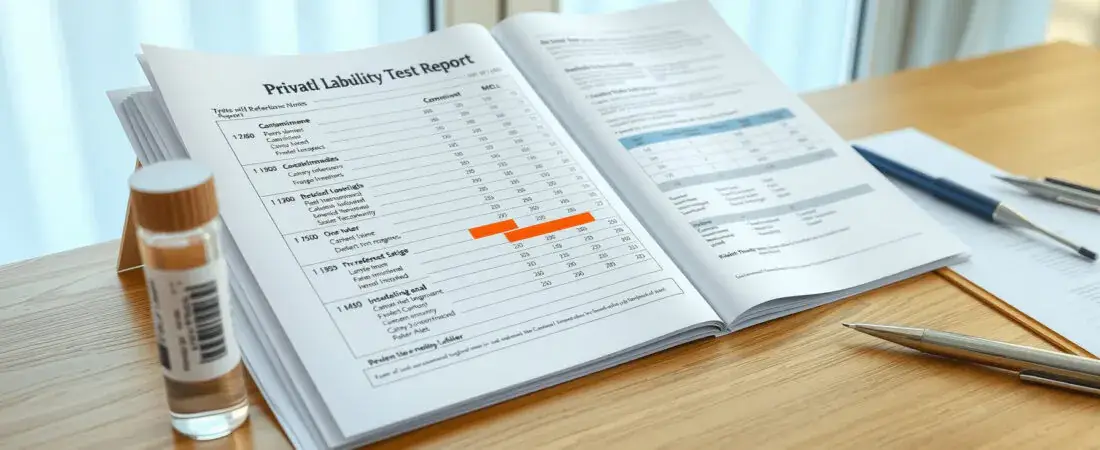
When we help residents with interpreting results, the most common reaction is disbelief. “But the building has a million-dollar filtration system!” they often say. The lab results, however, provide the objective truth.
A “Passed” test at the building’s intake is not a “Passed” test at your sink. In 2026, the only way to achieve real safety is to verify the water at the point of consumption. This is especially critical for households with young children or those with compromised immune systems. Relying on a building-wide marketing claim without individual unit verification is a gamble with your household’s health.
What Residents Can Do
If you live in a building with centralized filtration, you should not assume your tap is safe. Instead, take a proactive approach to your unit’s environment:
- Request Specific Data: Ask building management for the most recent lab reports, but specifically look at where the samples were taken. If they were all taken in the basement, they are not representative of your apartment.
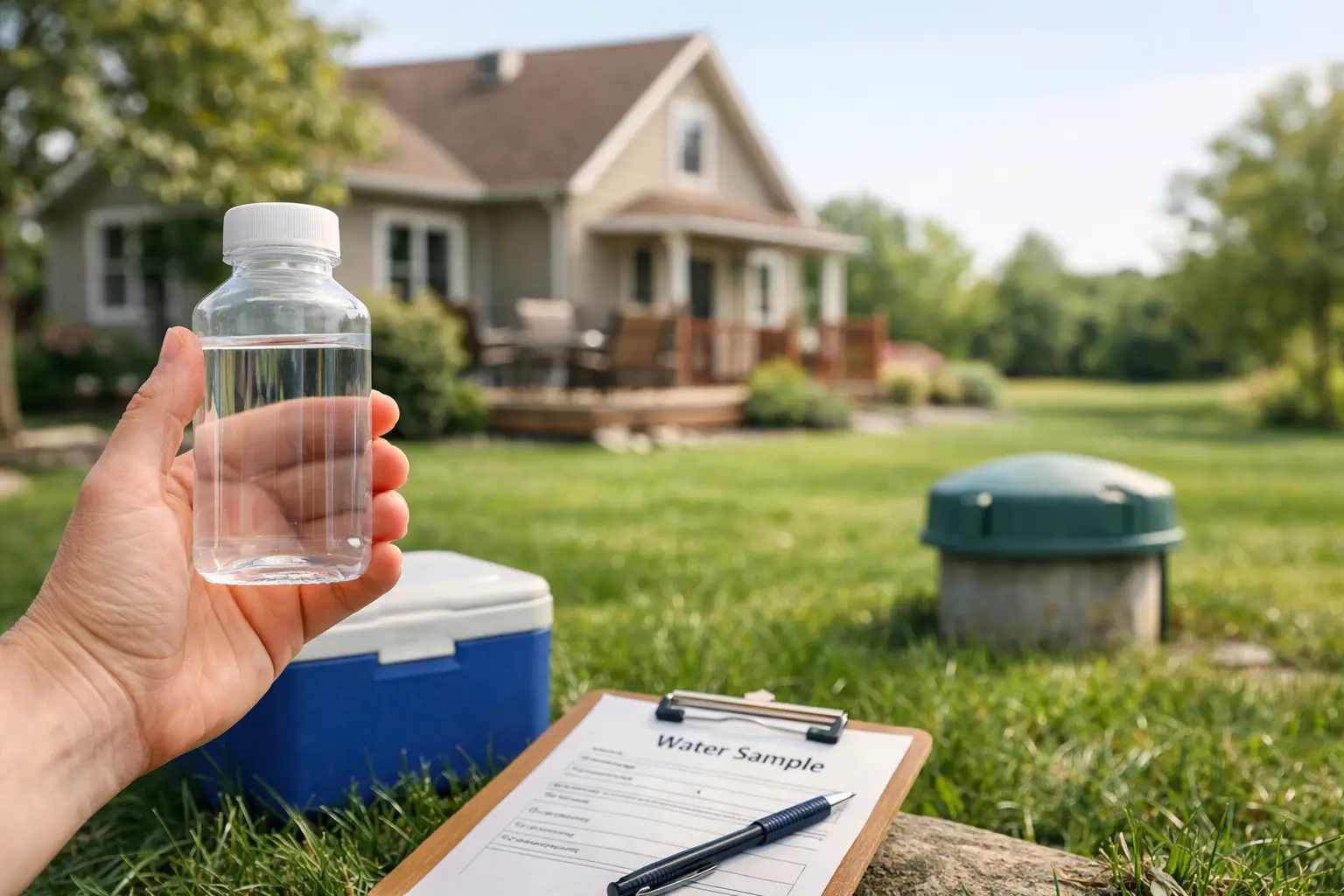
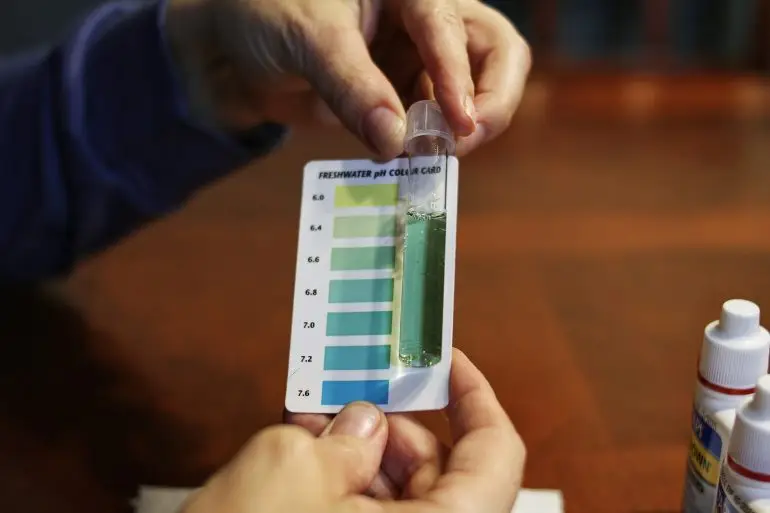
- Unit-Level Testing: Use professional testing methods to conduct your own audit. Test both the kitchen tap and the bathroom tap, as internal plumbing can vary even within a single apartment.
- Point-of-Use Backups: Consider installing a high-quality filter at your kitchen sink as a “secondary barrier.” This catches anything the building’s system missed or anything the building’s pipes added.
Conclusion: Closing the Accountability Gap
Building-wide filtration is an important first step toward improving water quality, but it is not the only factor in ensuring safe water. The complex infrastructure found in New York City and Jersey City buildings means that water can travel through many different systems before reaching your glass, creating opportunities for quality concerns along the way. In 2026, true wellness is supported by accurate data, regular monitoring, and informed decisions. Queens independent water testing services can help provide the insights needed to better understand and protect your building’s water supply.
The most effective next step for any resident in a “filtered” building is to verify the performance of their own taps. If you haven’t had a professional audit of your specific unit’s water in the last year, the best path forward is to contact a specialist today. Don’t let a building-wide amenity mask a unit-level failure—get the clarity you deserve.