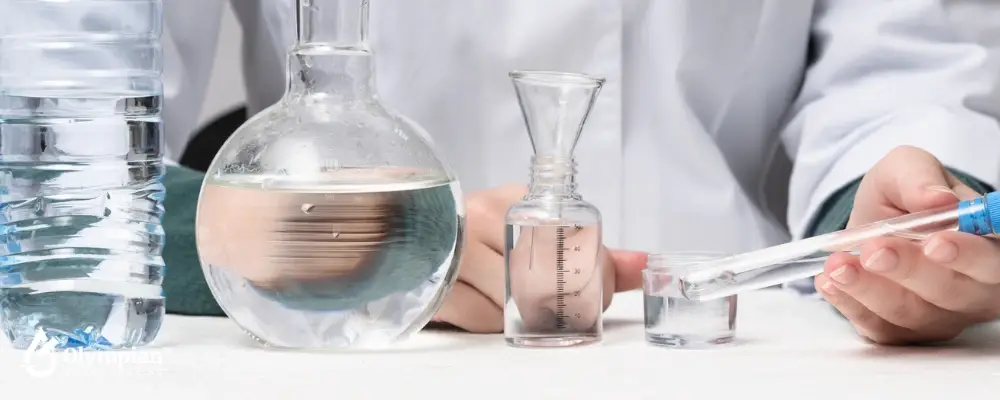
In the modern kitchens of Brooklyn, Queens, and Manhattan, the countertop water pitcher or the refrigerator door filter has become a staple of daily life. For many New Yorkers in 2026, the logic is simple: if the water tastes crisp, smells clean, and lacks that distinct “swimming pool” chlorine odor, it must be pure. We have been conditioned to trust our senses when it comes to what we consume.
However, a dangerous gap exists between aesthetic water quality and biological or chemical safety. In our experience across the five boroughs, we frequently encounter homes where the water tastes like a premium bottled brand but fails professional lab audits for heavy metals. The reality is that many common filtration systems are designed primarily to improve taste, not to provide a comprehensive shield against toxic elements like lead, arsenic, or mercury.
The Chlorine Illusion
One of the most noticeable benefits of using a standard carbon filter is its ability to reduce chlorine. Municipal water providers, including the NYC DEP, add chlorine to the water supply to help control bacteria and viruses as water travels from reservoirs to homes and buildings. While this treatment is essential for protecting public health, chlorine can sometimes create a strong chemical taste or odor in tap water. However, reducing chlorine does not necessarily mean that all potential water quality concerns have been addressed. Water testing for lead contamination in NYC can help identify hidden contaminants and provide a clearer understanding of what is actually present in your water supply.
Most basic filters use activated carbon, which is highly effective at adsorbing chlorine and improving taste and odor. Once chlorine is reduced, the harshness of the water may disappear, leading many people to assume the water is now completely clean. However, this can create a false sense of security.
Chlorine is primarily an aesthetic concern related to taste and smell, while contaminants such as heavy metals can present deeper water quality challenges. Removing the noticeable chlorine odor may improve the drinking experience, but it does not guarantee that substances like lead or other dissolved contaminants have been eliminated. Understanding what your filter removes, and what it does not, is an important part of maintaining safer household water.
Why Standard Filters Struggle with Metals
To understand why your filter might be failing you, it is important to look at the testing methods used to verify filter performance. Most entry-level pitcher and refrigerator filters are “adsorption” filters. They work like a sponge for organic chemicals and gases.
However, heavy metals often exist in a “dissolved” state as ions. Unless a filter is specifically engineered with ion-exchange resin or ultra-fine mechanical barriers, these metal ions can slip right through the carbon pores. In 2026, we are seeing many “value brand” filters that lack the NSF/ANSI Standard 53 certification required for significant lead reduction. They may be excellent at making your coffee taste better, but they are leaving the most dangerous contaminants untouched.
The “Lead Shrapnel” Factor in NYC Plumbing
New York City’s infrastructure presents a unique challenge for home filters. Many older buildings in neighborhoods like the West Village or Brooklyn Heights still have lead-soldered copper pipes or galvanized steel risers. Over time, these pipes corrode, releasing microscopic flakes of metal—sometimes called “lead shrapnel.”
If a filter becomes “saturated” or if the flow rate is too high, these tiny particles can be pushed through the filter media or bypass it entirely. Furthermore, as we often discuss on our blog, if the filter is not changed exactly on schedule, it can actually begin to “dump” accumulated contaminants back into the water stream. A filter that has reached its capacity can produce water that is actually higher in metals than the tap water entering it.
Interpreting the “Taste vs. Toxicity” Results
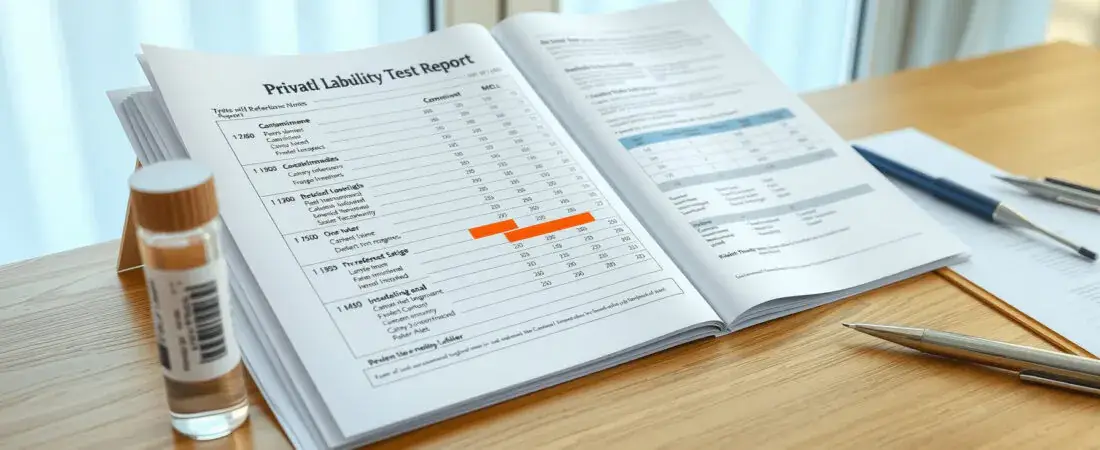
When we help families with interpreting results, the most common surprise is a “High Lead” or “High Copper” reading from a filtered source. The homeowner will often say, “But it tastes so much better than the tap!”
This is the central danger of heavy metals: they are largely tasteless, odorless, and colorless at the concentrations that cause health problems. You cannot “taste” 15 parts per billion (ppb) of lead, but that level is high enough to trigger federal regulations and prompt immediate action. Relying on your palate to judge water safety in an old city is a strategy that carries significant risk, especially for households with children or pregnant women.
The 2026 Standard: Beyond the Pitcher
As we move through 2026, the move toward “Point-of-Entry” (POE) or high-grade “Reverse Osmosis” (RO) systems has accelerated. These systems do more than just improve taste; they use a semi-permeable membrane to physically strip away up to 99% of dissolved solids, including metals.
If you are currently relying on a basic pitcher, you should consult our faq to see if your specific filter brand is rated for the contaminants common in your specific zip code. In many parts of the city, a simple carbon block is simply not enough to combat the legacy of 20th-century plumbing.
How to Verify Your Filter’s Performance
If you want to know if your filter is actually protecting you, or if it’s just a “flavor enhancer,” consider the following steps:
- Check the Certification: Look for NSF/ANSI 53 (for lead and specific chemicals) or NSF/ANSI 58 (for Reverse Osmosis). If it only says NSF 42, it is only certified for “aesthetic effects” like taste and odor.
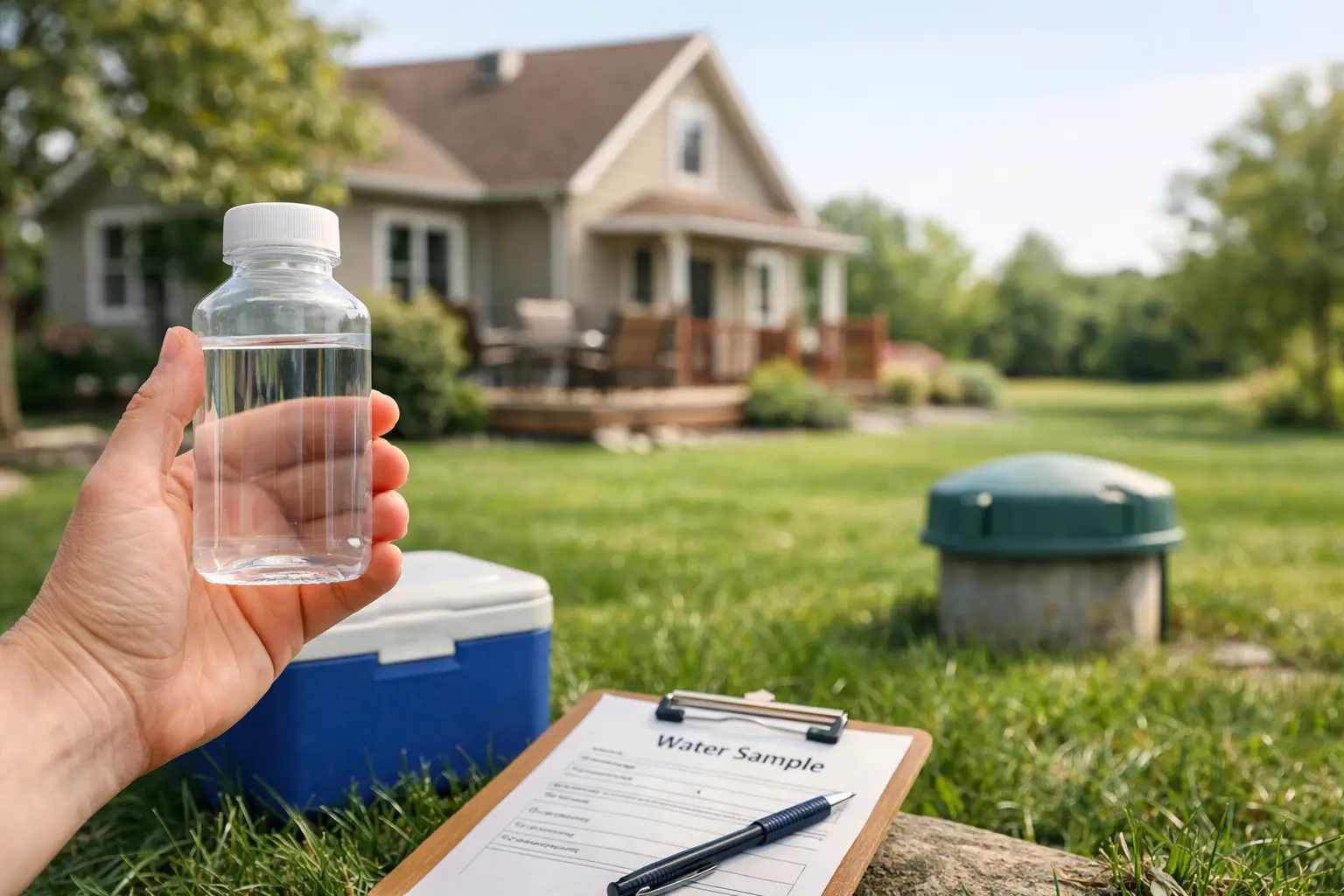
- The “Before and After” Test: The only way to be sure is to test the water before it enters the filter and then test the water as it comes out of the filter tap.
- Monitor Flow Rate: If your filtered water starts coming out much faster than usual, the filter media may have developed a “channel,” allowing water to pass through without being treated.
Conclusion: Clarity is Not a Safety Metric
In 2026, modern filtration technology can significantly improve the taste and appearance of even challenging water conditions. However, better taste does not always mean safer water. For New York families living in properties with aging infrastructure, the aesthetic improvements provided by a basic filter can sometimes create a false sense of security while potential concerns such as heavy metals remain undetected. Lead water testing services across NYC can help identify hidden risks and provide a more accurate understanding of your water quality.
The most effective next step for any homeowner using a filtration system is to verify that the system is doing the heavy lifting it claims to do. If you have a filter but haven’t had a laboratory-grade test of the “treated” water, the best path forward is to contact a specialist today to schedule a performance audit. Don’t let a clean taste hide a heavy metal problem—get the data you need to protect your home.