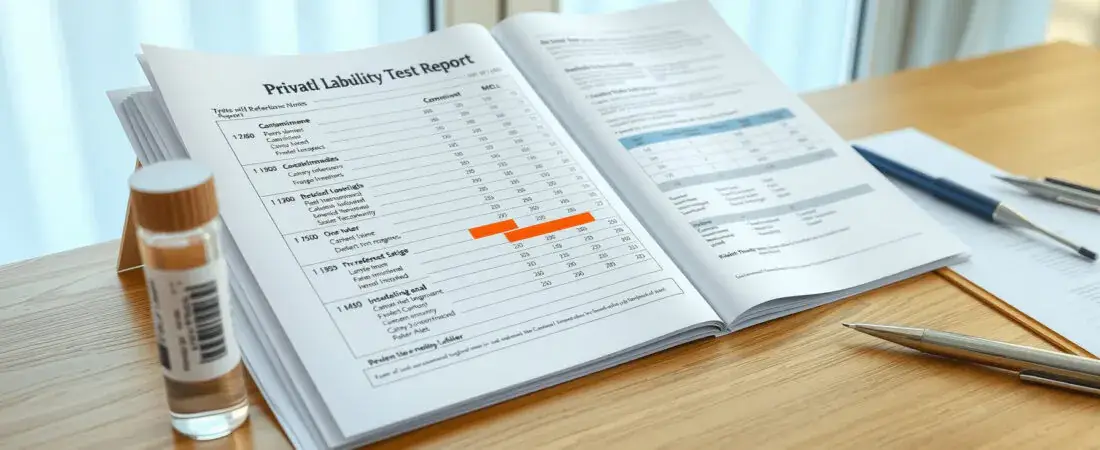
In the quiet residential stretches of Staten Island, the historic brownstones of Brooklyn, and the modern high-rises of Jersey City, a new trend is emerging among homeowners in 2026. For decades, receiving a “Passed” result on a water quality report was the end of the conversation—a green light to drink, cook, and bathe without worry. However, a growing number of families are no longer satisfied with a single data point. Despite official reports claiming their water meets municipal standards, these residents are seeking second opinions from independent laboratories to ensure their “safe” water is truly healthy.
This shift isn’t driven by paranoia, but by a sophisticated understanding of how water quality can fluctuate between the city main and the kitchen tap. Families are discovering that a “Pass” in the eyes of a regulatory agency may not align with the health goals they have for their children. As we move deeper into 2026, the demand for a secondary audit is becoming a standard part of responsible homeownership.
The Gap Between Legal and Healthy
One of the primary reasons families seek a second opinion is the realization that federal and local regulations are often based on “action levels” rather than “health goals.” For example, the EPA’s Lead and Copper Rule traditionally set an action level of $15$ $ppb$. While the 2026 standards in many jurisdictions have dropped that threshold significantly, a “Pass” might still allow for trace amounts of lead that many parents find unacceptable.
When a family receives an initial report, interpreting results can be confusing. A report might say “Non-Detect” or “Below Action Level,” but a more sensitive second opinion using advanced testing methods might reveal lead at $2$ $ppb$ or $3$ $ppb$. For a developing infant, even these low levels are a concern. By seeking a second opinion, families are looking for “Zero,” not just “Legal.”
The Snapshot Problem in Urban Plumbing
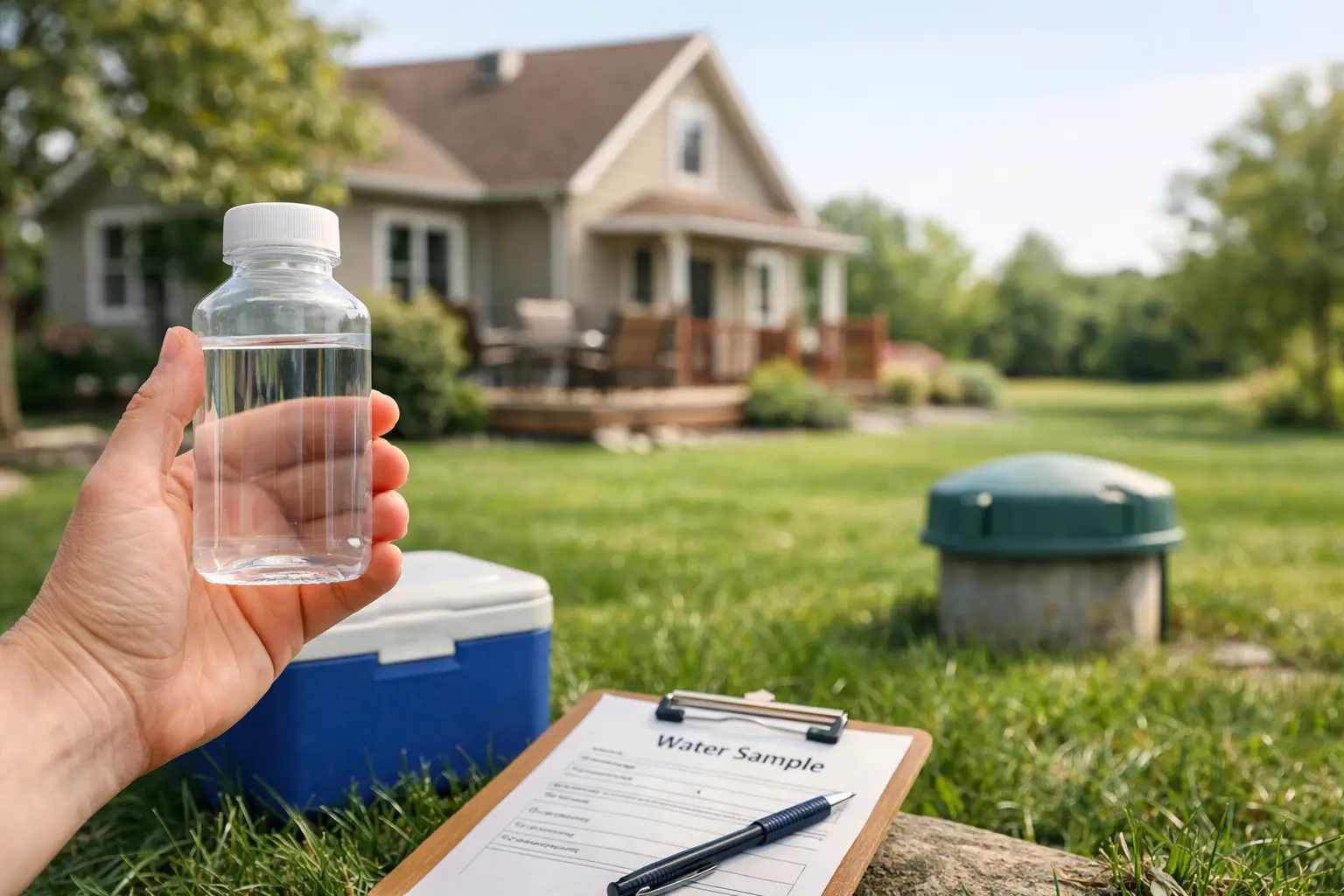
Municipalities and building managers often conduct water testing under specific and controlled conditions to evaluate overall system performance. These “official” tests may take place after extensive flushing procedures or during periods of higher usage, but they do not always represent the way families use water in their daily routines. For a more personalized evaluation of your home’s water quality, you can check my water for lead in Manhattan and gain a clearer understanding of what is present at your own taps.
A family might wake up and fill a kettle first thing in the morning after the water has sat in the pipes for eight hours. This “stagnation” period is when heavy metals like lead and copper leach most aggressively into the water. If the official “Passed” test didn’t account for this “first-draw” scenario, it didn’t provide a true picture of the family’s exposure. Second opinions often focus on these high-risk usage patterns, providing a more realistic assessment of what is actually being consumed.
Infrastructure Disturbance: The “Construction Spike”
In 2026, New York and New Jersey are undergoing massive infrastructure overhauls. Whether it is a lead service line replacement on a Staten Island street or a water main repair in the Bronx, these physical disturbances can send pulses of sediment and “lead shrapnel” into nearby homes.
A home might have “Passed” a water test in January, but if the city worked on the pipes out front in March, that old report is effectively obsolete. Families who notice a sudden change in water clarity or taste following local construction are increasingly calling for retests. As we often discuss on our blog, water quality is dynamic. A second opinion serves as a necessary “check-up” after the environment around the home has changed.
The Mystery of Emerging Contaminants
Beyond lead and bacteria, 2026 has brought a heightened focus on “forever chemicals” like PFAS and PFOA. Many standard municipal reports do not test for these compounds with the frequency or sensitivity that concerned parents desire. A “Passed” test for lead and chlorine doesn’t mean the water is free of synthetic chemicals.
Independent second opinions often include a broader panel of analytes, searching for microplastics and industrial byproducts that fall outside the scope of basic regulations. For families living near industrial zones or older manufacturing hubs in Jersey City, this extra layer of scrutiny provides a level of peace of mind that a standard government report simply cannot offer.
The Role of Premise Plumbing
The city’s responsibility ends at the property line, but a family’s health depends on the pipes inside their walls. We frequently see cases where the city’s water is pristine, but the home’s own internal “premise plumbing”—ancient brass valves, lead-soldered joints, or corroded galvanized steel—contaminates the water at the point of use.
A second opinion that uses “sequential sampling” can pinpoint exactly where a problem begins. If the “Passed” test only looked at the water entering the building, it missed the lead leaching from the 1940s-era pipes leading to the nursery’s bathroom. This localized data is essential for interpreting results and deciding whether a family needs a simple faucet filter or a more robust whole-home solution.
Restoring Trust Through Transparency
For many families, seeking a second opinion is about rebuilding confidence in their water quality. After several high-profile water concerns over the past decade, it is understandable that some residents want more than a general assurance or official approval. Independent evaluation can provide additional insight into what is actually present in a household water supply and help families make more informed decisions about their water safety.
Working with specialists who understand specific water quality concerns, including coliform water testing in Brooklyn, allows homeowners to evaluate potential bacterial risks and gain a clearer understanding of their own water conditions. Instead of relying only on broad reports, families can take a more active role in monitoring their water, identifying potential concerns, and protecting the quality of the water used throughout their home.
Our faq section is filled with questions from residents asking how to reconcile a “Pass” from their landlord with a “Fail” from an independent lab. The answer usually lies in the sensitivity of the testing methods and the specific locations where the samples were taken. A second opinion doesn’t necessarily mean the first test was “wrong,” but it often means the first test wasn’t thorough enough.
Conclusion: Why “Safe” Isn’t Always Enough
In 2026, the definition of “safe” water is being rewritten by the families who drink it. While municipal regulations provide a necessary baseline, they are not a substitute for personalized, site-specific data. Adding a second opinion after a “Passed” test is an investment in certainty, ensuring that the water your family relies on every day meets your personal standards for health and purity.
The most effective next step for any concerned homeowner is to review their most recent water report with a critical eye. If that report is more than a year old, or if it doesn’t include unit-specific data, the best path forward is to contact an independent specialist today to schedule a comprehensive audit. Don’t settle for a “Pass”—get the peace of mind that comes with a second look.