In the bustling neighborhoods of New York City and the surrounding suburbs of New Jersey, we often rely on “snapshots” to judge our health and safety. We take our temperature once to see if we have a fever; we check our bank balance once before a major purchase. In 2026, many homeowners and building managers apply this same logic to their drinking water. They schedule a single lab test, receive a “Pass” or “Safe” result, and breathe a sigh of relief.
However, as environmental science has advanced, we’ve learned that water quality is not a static measurement. It is a dynamic, shifting profile that responds to seasonal changes, infrastructure repairs, and even the time of day. Relying on a single data point to guarantee long-term safety is like judging the weather for the entire year based on one sunny Tuesday in May. To achieve true peace of mind, we must move toward a strategy of consistent, longitudinal monitoring.
The Snapshot Trap: Why One Result Can Be Misleading
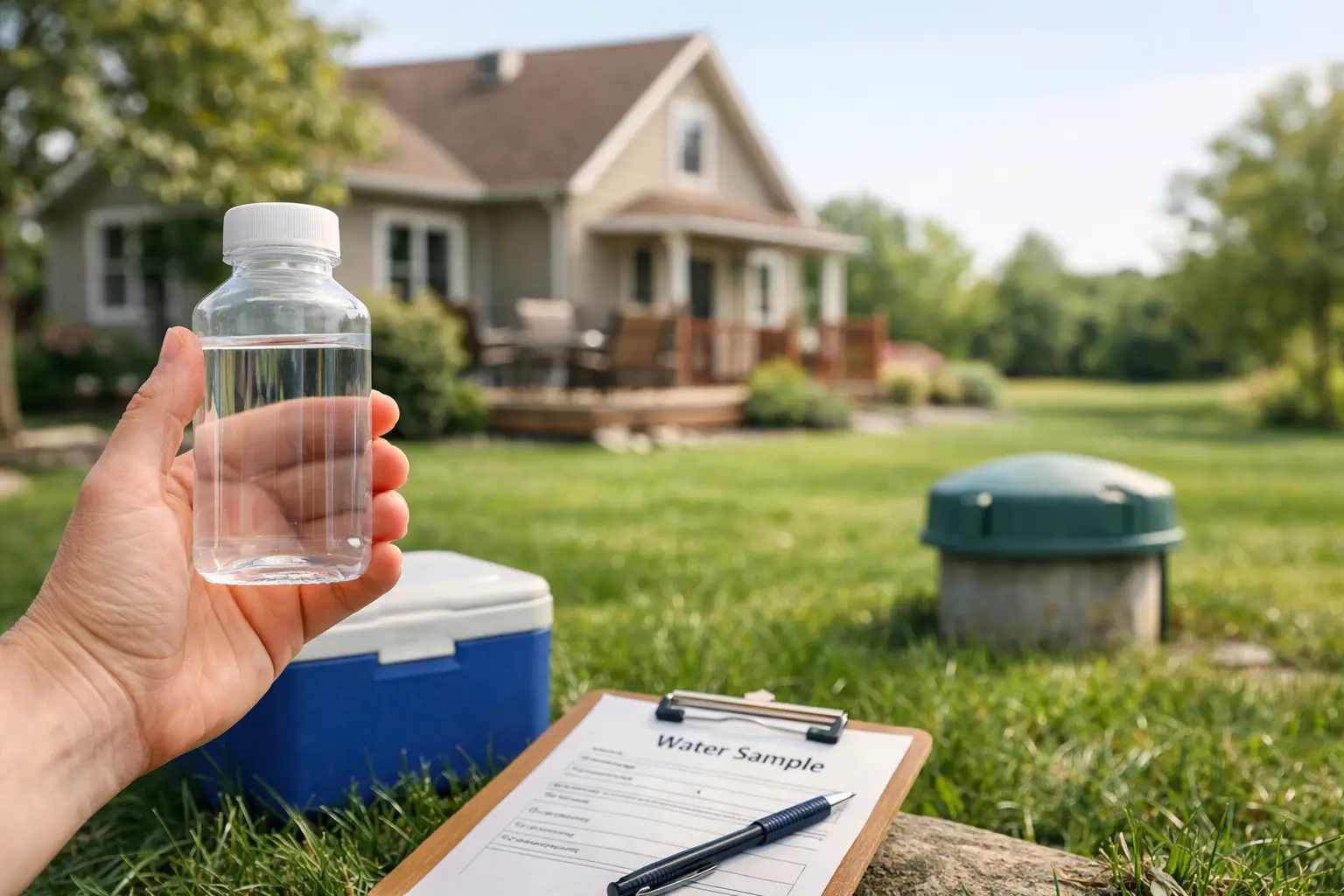
A single water test is what professionals often refer to as a “grab sample.” It provides information about what was present in the water from a specific faucet at a specific moment in time. While this type of testing is an important first step, relying on a single sample alone may not always provide a complete picture of overall water quality. Lead in household water testing in the Bronx can help homeowners better understand potential lead concerns and evaluate how plumbing conditions may influence the water reaching their taps.
Contaminants do not always enter water at a constant rate. Lead, for example, can appear in irregular spikes rather than at the same level every time. Activities such as nearby construction, plumbing repairs, or municipal hydrant flushing can create physical disturbances that may loosen microscopic particles of lead or rust from older pipes. If a sample is collected before or after one of these events, the results may not fully represent the potential risks within the system.
This is why understanding the limitations of a single test is important. A clean result on one day does not always guarantee that water conditions will remain unchanged in the future. As discussed throughout our blog, ongoing awareness, proper testing methods, and understanding how water systems behave over time are essential parts of maintaining reliable water quality.
Seasonal Variations: The 2026 Environmental Reality
In 2026, we are seeing more pronounced seasonal fluctuations in water quality than ever before. Heavy spring rains can increase “turbidity”—the cloudiness caused by suspended solids—in reservoirs, which in turn requires the city to adjust chlorine levels. These higher disinfectant levels can interact with the organic material in older pipes to create harmful byproducts.
Conversely, during the hot summer months, water temperatures in building risers can rise into the “growth zone” for bacteria like Legionella. A test taken in the dead of winter might show zero biological activity, but that same plumbing system could fail a retest in August. Our guide on interpreting results emphasizes the importance of looking at these seasonal trends rather than treating a single winter report as an evergreen guarantee.
The “Action Level” Shift of 2026
The regulatory landscape has also evolved. In 2026, New York has fully implemented the lower lead action level of 5 parts per billion (ppb), down from the previous 15 ppb. Many buildings that passed a test in 2024 would fail under today’s stricter regulations.
If your only test was conducted several years ago, you are operating on outdated safety data. Furthermore, school systems and public facilities are now required to test triennially (every three years) at a minimum, but most residential experts suggest that for private homes—especially those with young children—annual testing is the new gold standard for risk management.
Why Multiple Sampling Points Matter
Peace of mind also requires a “spatial” understanding of your water. Testing only the kitchen sink is a common mistake. In many 2026 audits, we find that while the kitchen tap is safe due to a high-end faucet, the bathroom tap where children brush their teeth is leaching lead from an old brass valve. Or perhaps the “dead leg” in the guest wing has become a reservoir for bacteria.
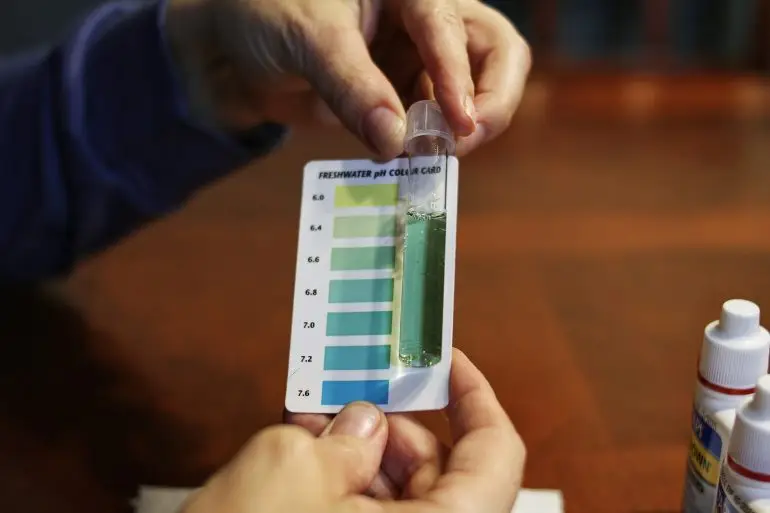
Using different testing methods across various points in the home provides a map of your plumbing’s health. It allows you to see if a problem is systemic (coming from the street) or localized (coming from a specific fixture). Without multiple samples, you are only protecting one corner of your life.
Biofilm and the “Flush” Variable
Another reason one test isn’t enough is the variable of “stagnation.” In 2026, more people are working in hybrid models or traveling for extended periods. When water sits in pipes for days, the protective chlorine disappears, and a “biofilm”—a thin layer of bacteria—can form on the inner walls.
A sample taken after the water has been running for five minutes (a “flushed” sample) will look very different from a sample taken the moment you return from a weekend away (a “first-draw” sample). To truly know what you are consuming, you need to test under both conditions. We address the nuances of these sampling techniques in our faq section, as the “how” of the test is just as important as the “when.”
Establishing a Baseline for Future Comparison
The greatest value of regular testing is the ability to perform “trend analysis.” If your lead levels were 1 ppb last year and are 4 ppb this year, you are still technically “safe” under the 5 ppb limit. However, that upward trend is a red flag. It suggests that your pipes are beginning to corrode or that a change in the local water chemistry is affecting your home.
If you only have one test, you have no baseline. You cannot see the “gradual decline” until it becomes a “sudden failure.” Regular testing transforms your water safety from a reactive “fix-it” mentality to a proactive “prevent-it” strategy.
Conclusion: Investing in Certainty
In 2026, “safe water” is not something you achieve once and overlook; it requires ongoing monitoring and verification. A single water test is a valuable starting point, but it may not capture the seasonal, chemical, and physical changes that can occur throughout the year. For families across the Bronx, Staten Island, and Jersey City, regular evaluations, including services like copper testing for drinking water in Queens, can provide greater confidence that their most essential resource remains clean, reliable, and safe.
The most effective next step for any homeowner or building manager is to review their last three years of water data. If you only have one report on file, or if your last test was conducted before the 2026 regulatory updates, the best path forward is to contact a certified professional today to establish a new, comprehensive baseline. Don’t rely on a snapshot—get the full picture of your family’s health.