The Jersey City real estate market in 2026 remains one of the most competitive and fast-paced landscapes in the Northeast. From the luxury high-rises of the Waterfront to the historic row houses in The Heights, the “Gold Coast” allure is as strong as ever. However, a significant shift has occurred in how transactions are being handled. Today’s buyers are no longer just looking at the square footage or the view of the Manhattan skyline; they are looking deep into the home’s vital systems.
One of the most critical trends of the year is the rise of proactive water quality due diligence. In a city where aging infrastructure meets rapid modernization, savvy buyers are catching systemic water problems before they sign the closing papers, saving themselves thousands of dollars and protecting their families’ long-term health.
The Shift Toward Scientific Due Diligence
In years past, a home inspection might have included a cursory glance at the water heater or a check to see if the faucets turned on. In 2026, the standard has evolved. Buyers are increasingly aware that “city water” is not a guarantee of purity. Jersey City’s water travels through a complex, miles-long network of pipes, many of which are decades—or even a century—old.
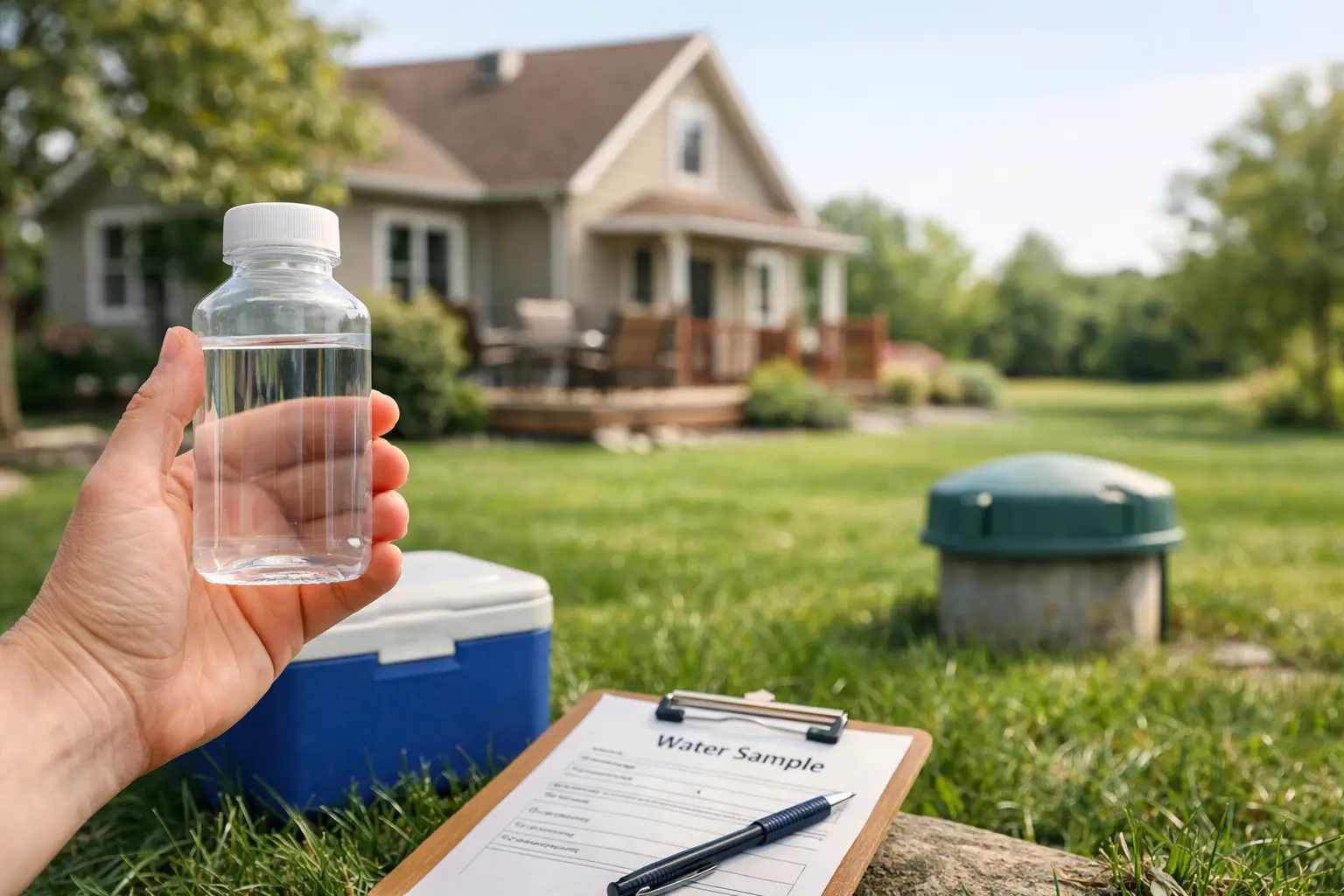
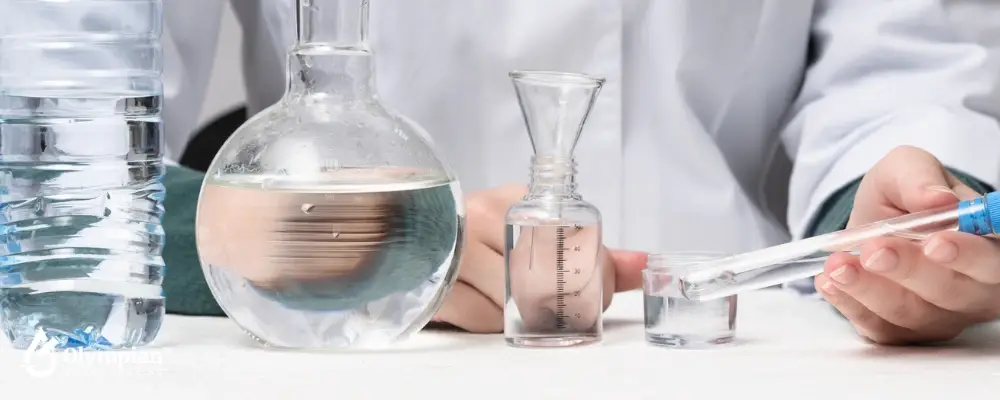
Prospective owners are now insisting on professional testing methods as a non-negotiable part of their inspection contingency. This isn’t just about finding lead; it’s about uncovering a wide range of contaminants that can impact everything from the safety of drinking water to the lifespan of expensive high-end appliances. By making the test a condition of sale, buyers are shifting the burden of proof back to the seller, ensuring that any “hidden” issues are addressed before title transfers.
Catching the “Lead Legacy” Early
While New Jersey has made massive strides in its statewide lead service line replacement program (with a mandate for total replacement by 2031), thousands of lead or galvanized steel lines still exist in Jersey City’s older residential pockets. For a buyer, finding out after moving in that their service line is made of lead can be a logistical and financial headache.
By conducting a “first-draw” and “flushed” sample during the home inspection, buyers are identifying these legacy pipes immediately. If a test shows elevated lead levels, it often triggers a negotiation where the seller must either replace the service line or credit the buyer for a professional point-of-entry filtration system. This proactive approach ensures that the new owner isn’t left holding the bag for a public health hazard that should have been managed decades ago.
The 2026 PFAS and Chemical Factor
As noted in recent regulations, 2026 has brought much stricter enforcement regarding “forever chemicals” like PFAS and PFOA. These industrial byproducts are pervasive in many urban water systems, and Jersey City is no exception.
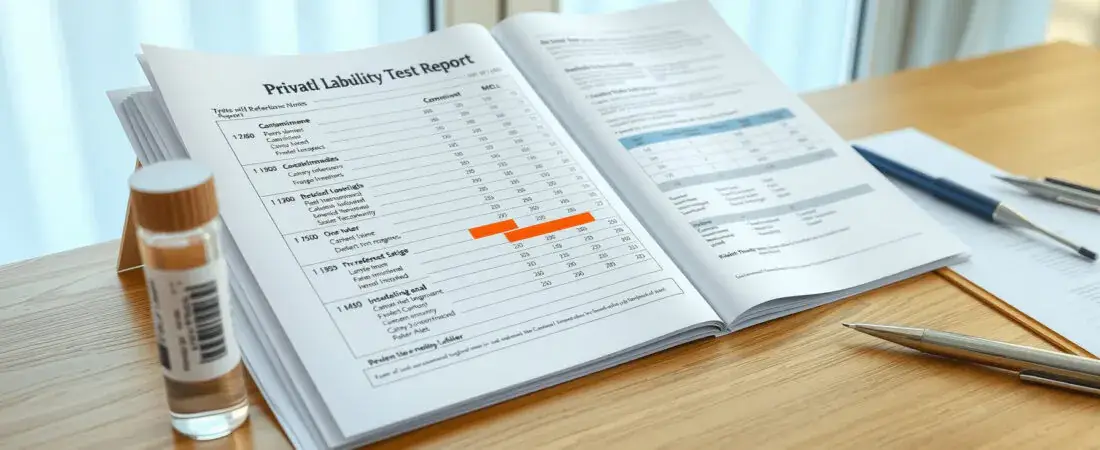
Buyers in newer condo developments are often surprised to find that even “luxury” buildings can have issues with these chemicals if the building’s internal filtration isn’t maintained or wasn’t designed for modern standards. When a buyer receives their lab report, interpreting results correctly allows them to understand if they need to budget for a specialized reverse osmosis system. Catching these chemical markers during the due diligence period allows for a much more accurate “cost of ownership” calculation.
Biological Red Flags in Renovated Homes
Jersey City is famous for its beautiful gut-renovations. However, construction can sometimes introduce new problems, specifically bacterial contamination. When pipes are left open during a flip or renovation, or when water sits stagnant for months in a vacant “turnkey” listing, biofilm and bacteria like Coliform can take root.
We frequently see stories on our blog about buyers who moved into a seemingly perfect home only to discover a recurring “rotten egg” smell or even biological failures. By testing for bacteria before closing, buyers can insist on a professional system “shock” or disinfection. This ensures that the water is biologically safe from the very first day they hand over their keys.
Protecting High-End Mechanical Investments
The luxury market in Jersey City often features homes with high-end European appliances, steam showers, and tankless water heaters. These systems are incredibly sensitive to water chemistry. Hard water—high in calcium and magnesium—can cause scale buildup that destroys a $3,000 tankless heater in just a few years.
Buyers are now using water reports to check for:
- Hardness Levels: To determine if a water softener is required.
- TDS (Total Dissolved Solids): To assess the overall mineral load.
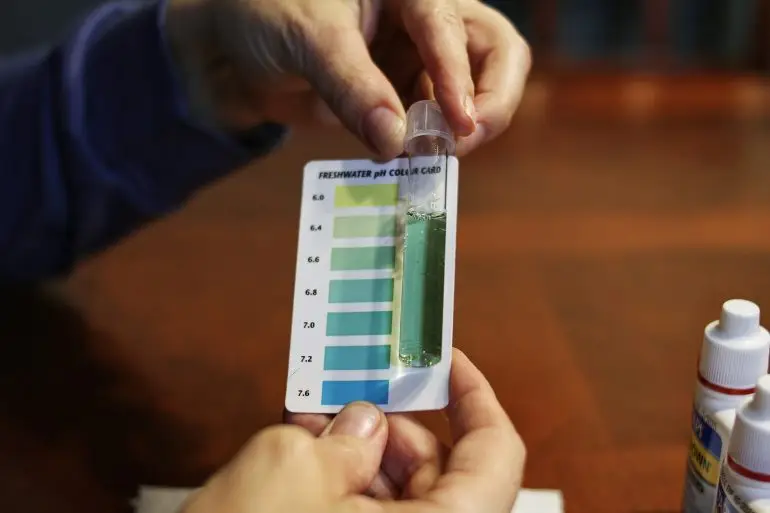
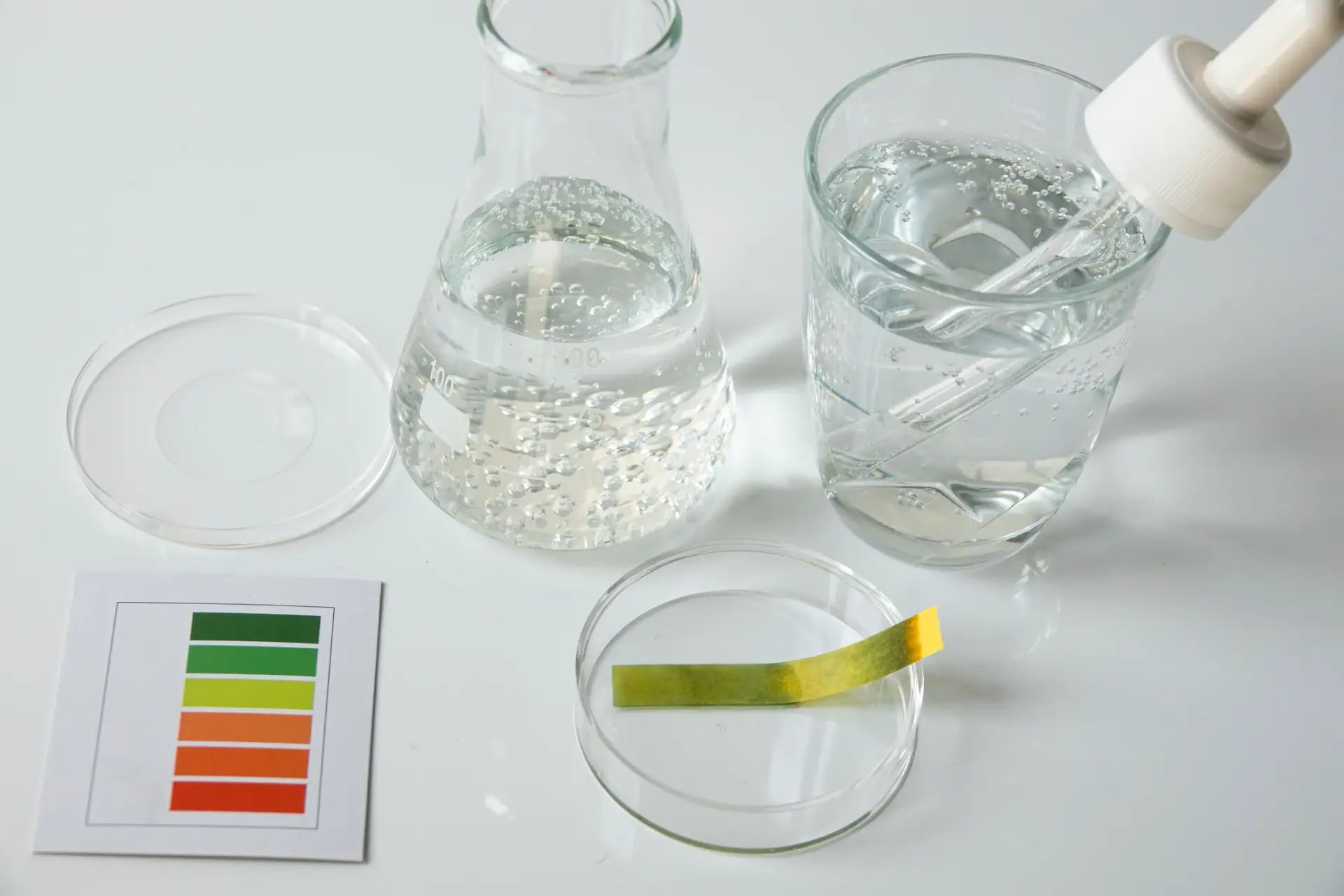
- pH Levels: To see if the water is corrosive, which can pinhole copper pipes.
Checking these metrics is a form of “appliance insurance.” If the water is poor, the buyer can factor the cost of a softener or conditioner into their final offer, as discussed in our faq regarding home maintenance costs.
Negotiating with Data, Not Emotions
One of the biggest advantages for Jersey City buyers in 2026 is the power of a certified lab report during negotiations. In a market where multiple offers are still common, having a scientific document that proves a material defect provides a level of leverage that an “opinion” simply cannot match.
When a lab report shows a failure, it’s no longer a matter of the buyer being “picky”; it’s a matter of the property meeting legal habitability standards. This data-driven approach often leads to successful price credits or repairs that might have otherwise been dismissed by a seller in a hot market.
Conclusion: Clarity Before Commitment
The Jersey City real estate market moves quickly, but in 2026, making informed decisions is more important than simply moving fast. By identifying potential water quality concerns before completing a purchase, buyers can protect their investment and ensure their new home provides the comfort and security they expect. Jersey City lead testing service can help uncover hidden issues and provide valuable insights, reducing the risk of unexpected costs and long-term health concerns.
The most effective next step for any prospective Jersey City buyer is to include a comprehensive water audit in their inspection checklist. If you are currently under contract or are planning to start your home search, the best path forward is to contact a professional to discuss the specific risks for the neighborhood you are targeting. Don’t wait until the moving truck arrives to find out what’s in your tap—get the facts before you sign.