For a young family living in a historic brownstone near Van Vorst Park, the morning routine is usually a rhythmic hum of preparation. However, in early 2026, that routine was interrupted by a sharp, unmistakable scent: the smell of rotten eggs coming from the master shower. Initially, the homeowners suspected a localized drain issue or perhaps a seasonal change in the city’s water supply. But as the sulfur-like odor continued even after thorough cleaning, they realized the problem was not in the bathroom fixtures, but in the water itself.
This case highlights why changes in the appearance, taste, or smell of tap water should never be ignored. In Jersey City’s diverse housing landscape, where historic plumbing systems often exist alongside modern upgrades, unusual odors from a shower or faucet may indicate changes within the water system that require further investigation.
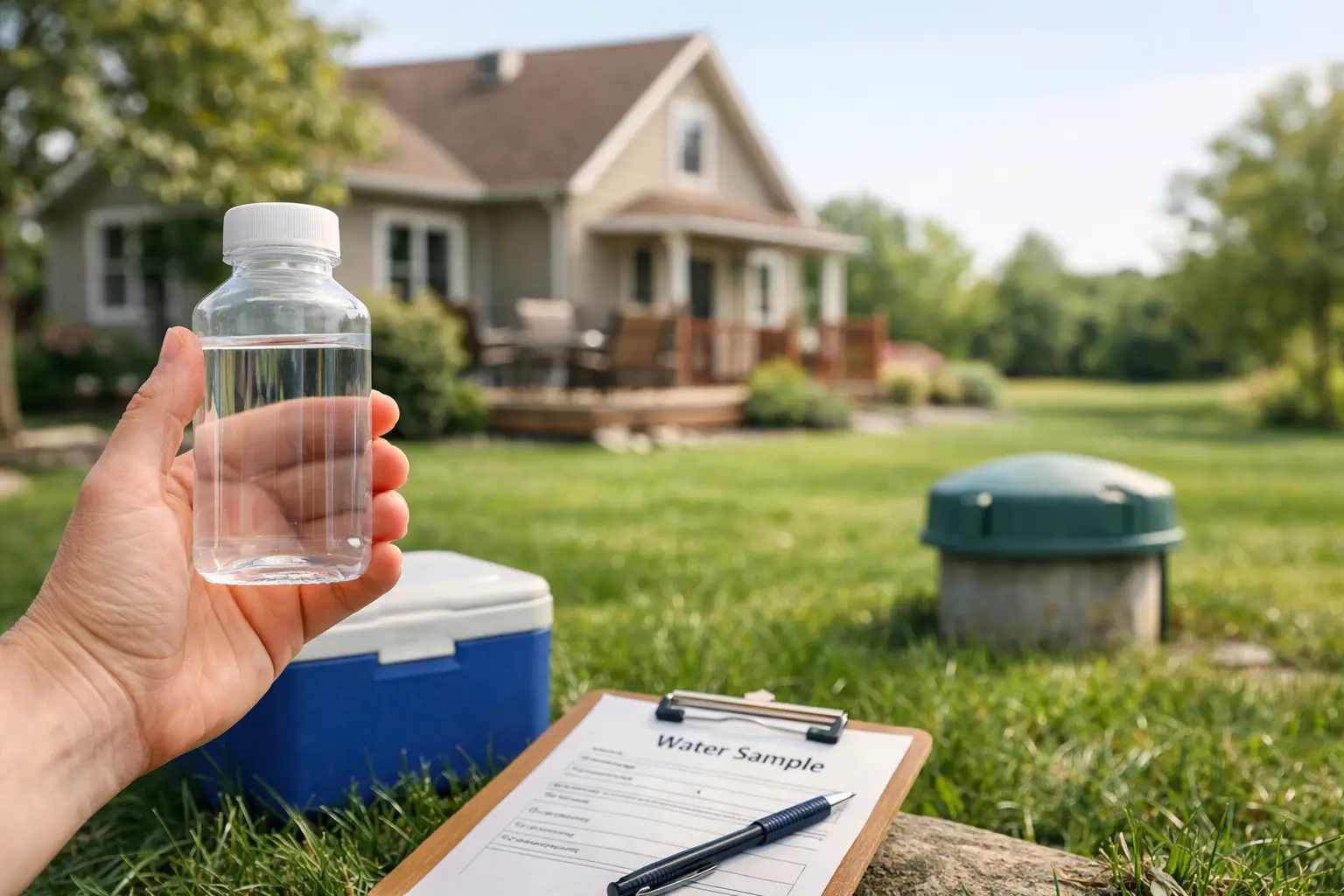
Home water testing in the Jersey City can provide professional verification, helping homeowners better understand their water conditions and identify potential biological or chemical concerns before they develop into larger issues. By investigating unusual water changes early, residents can make informed decisions about treatment, maintenance, and long-term water quality protection.
The “Rotten Egg” Mystery: Bacteria vs. Chemical Reaction
The “rotten egg” smell is almost always caused by hydrogen sulfide gas ($H_2S$). While the gas is not usually toxic at the low concentrations found in household plumbing, its presence indicates a specific failure within the system. For this Jersey City family, the investigation began with a simple diagnostic: did the smell happen with both hot and cold water, or just the hot?
In this instance, the smell was exclusive to the hot water. This localized the issue to the water heater. When water sits in a tank, two things can happen to create sulfur gas:
- Sulfate-Reducing Bacteria: These non-pathogenic bacteria thrive in warm, low-oxygen environments. They “eat” naturally occurring sulfates and exhale hydrogen sulfide gas.
- The Anode Rod Reaction: Most water heaters have a magnesium anode rod to prevent tank corrosion. In some water chemistries, the magnesium reacts with sulfates in the water to create a chemical byproduct of $H_2S$.
Why Jersey City’s Infrastructure Plays a Role
Jersey City’s water travels a long path from the Boonton Reservoir through miles of aging transmission mains. In 2026, drought conditions and infrastructure repairs have led the Jersey City Municipal Utilities Authority (JCMUA) to occasionally adjust regulations and treatment protocols, including increasing chlorine levels to combat potential pathogens.
When these higher levels of chlorine interact with the biofilm—a layer of microscopic slime—inside a home’s older pipes, it can create a “medicinal” or “bleach” smell. However, if the chlorine residual drops (which often happens in the “dead ends” of a building’s plumbing or inside a warm water heater), the bacteria are free to proliferate. For our Van Vorst family, the retest confirmed that the chlorine meant to protect them had been “used up” before reaching the showerhead, allowing a localized colony of bacteria to take root in their tank.
The Decision to Retest: Moving Beyond the “Aesthetic”
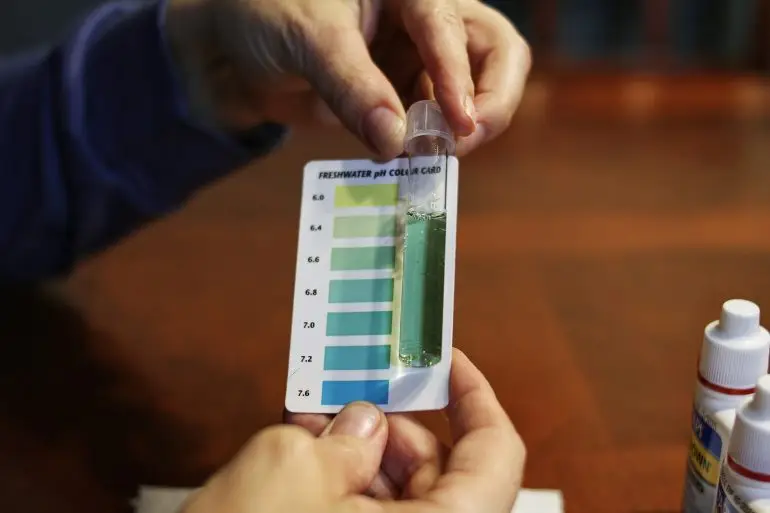
The family initially consulted a plumber who suggested “shocking” the water heater with bleach. While this is a common fix, the parents were concerned about what else might be thriving in the pipes. They decided to perform a comprehensive retest using professional testing methods that looked not just for sulfur, but for Total Coliform and Serratia marcescens—the bacteria often responsible for “pink slime” in showers.
In 2026, the threshold for “acceptable” water quality has shifted. Homeowners are no longer satisfied with water that is merely “legally safe”; they want water that is biologically inert. Their lab results revealed a high “Heterotrophic Plate Count” (HPC), indicating that while the water didn’t have E. coli, it was supporting a large population of opportunistic bacteria that were causing the odor.
Interpreting the Results for a Growing Family
When the family received their report, interpreting results was the most stressful part of the process. They were worried about their toddler’s skin sensitivity and the potential for respiratory irritation from inhaling the steam in a smelly shower.
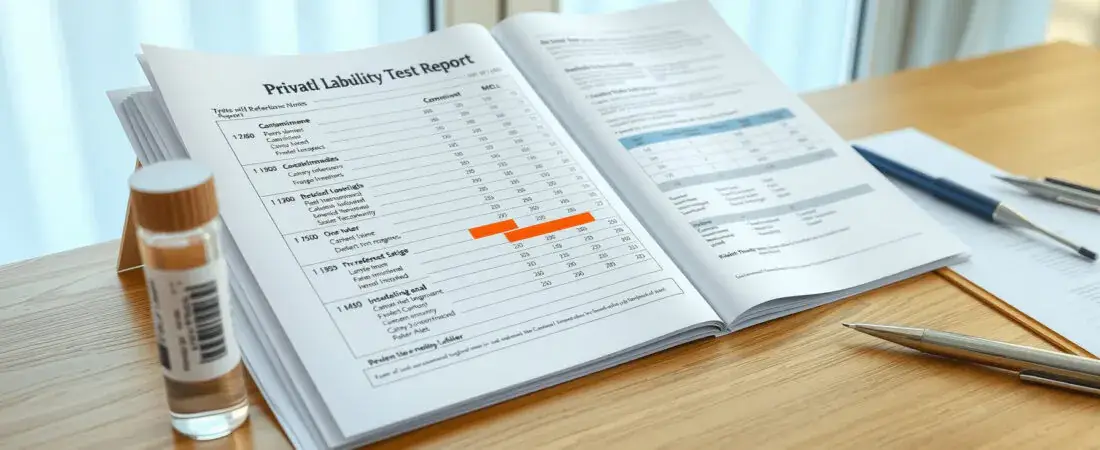
The laboratory data showed:
- Hydrogen Sulfide: $0.5$ $ppm$ (enough to smell strongly but not toxic).
- HPC Bacteria: Over $500$ $CFU/mL$ (indicating the need for system disinfection).
- Lead: $2$ $ppb$ (well within safety limits, providing peace of mind that the old pipes weren’t leaching).
This data allowed them to move from a state of “anxious guessing” to “targeted action.” They weren’t just fixing a smell; they were sanitizing a vital utility.
The Solution: Flushing, Heat, and Filtration
Based on the retest, the family took a three-step approach to clearing their water:
- The Thermal Flush: Following current safety regulations, they temporarily raised their water heater temperature to $160$°F ($71$°C) for several hours to kill the sulfur-reducing bacteria. (Note: This must be done carefully to avoid scalding).
- Anode Rod Replacement: They replaced the magnesium rod with an aluminum/zinc alloy rod, which is less reactive and less likely to produce $H_2S$ gas.
- Shower Filtration: They installed a high-output KDF shower filter. As we explain in our faq, KDF filters are specifically designed to remove chlorine and hydrogen sulfide through a process called redox.
The Role of the “Local” Environment
Jersey City’s unique geography means that water quality can vary from block to block. A home on the hill in Journal Square might have different pressure and sediment issues than a condo at Paulus Hook. This family’s experience, which they later shared on our blog, became a cautionary tale for their neighbors. It highlighted that in an old city, the “last mile” of plumbing is often the most vulnerable.
Conclusion: Trust Your Senses, Verify with Science
A bad smell in the shower is more than just a nuisance; it is your home’s way of communicating a change in its internal environment. For this Jersey City family, a retest was the bridge between a smelly, stressful bathroom and a safe, clean home. In 2026, with our advanced testing methods, there is no reason to live with “mystery water.”
The most effective next step for any Jersey City resident experiencing a change in water odor or taste is to move beyond DIY fixes. If you have noticed a sulfur, metallic, or bleach-like scent in your home, the best path forward is to contact a professional to schedule a diagnostic audit. Don’t let a “small smell” turn into a significant biological issue—get the clarity your family needs today.