In the picturesque neighborhoods of Staten Island, from the historic homes of St. George to the newer developments in Tottenville, homeowners are taking proactive steps to modernize their living spaces. A common part of these renovations is the installation of high-end, “lead-free” faucets and fixtures. In 2026, many residents assume that replacing older hardware with newer products is enough to guarantee cleaner and safer water. However, recent laboratory evaluations across the borough highlight an important reality: new fixtures alone may not always prevent lead contamination concerns.
This discovery has left many families frustrated. They have followed common recommendations to replace older faucets and fixtures, yet follow-up testing may still reveal lead concerns after these upgrades are completed. This is because water quality can be influenced by more than the visible fixture at the end of the line. Aging pipes, solder joints, service lines, and other hidden plumbing components may continue to affect water conditions.
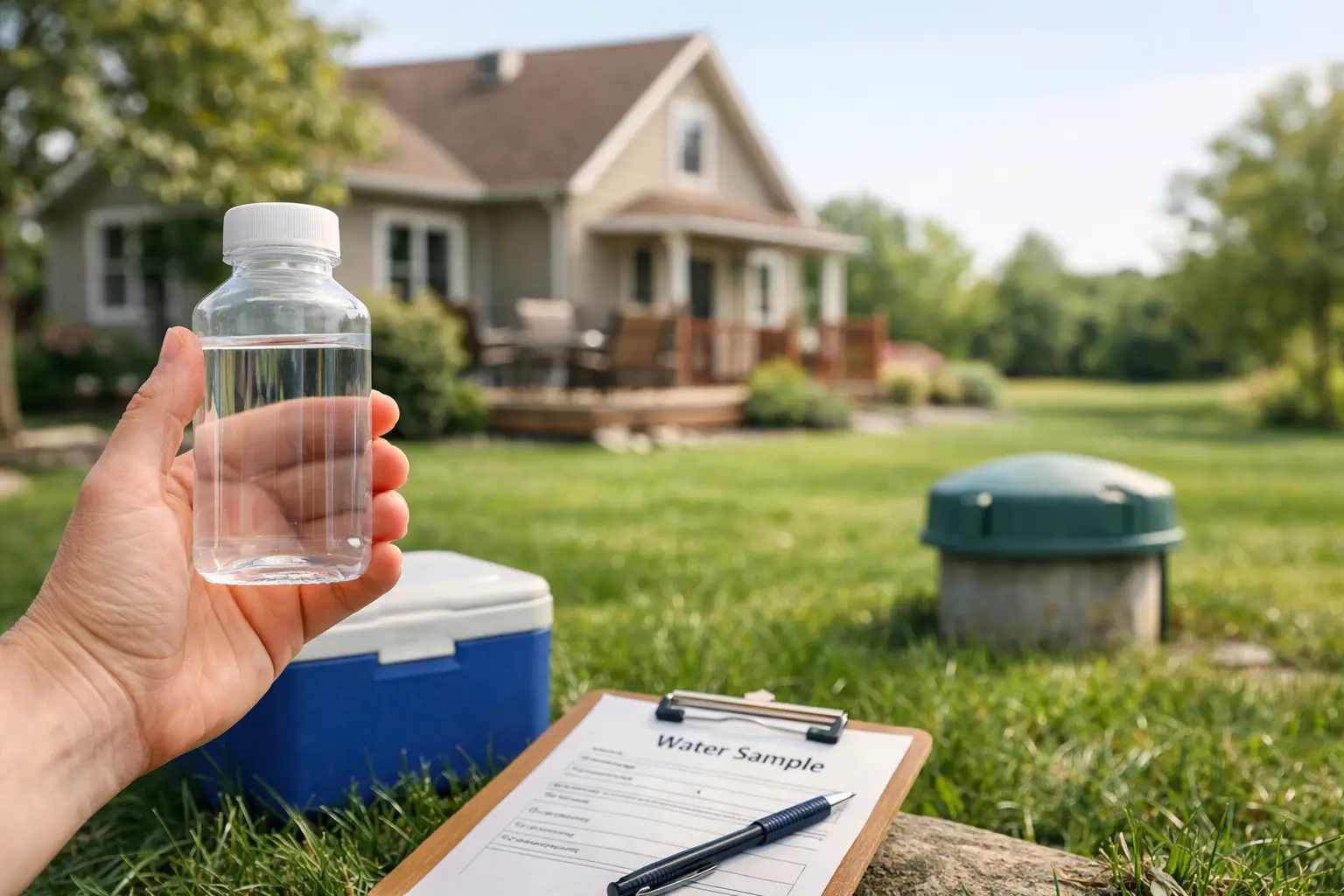
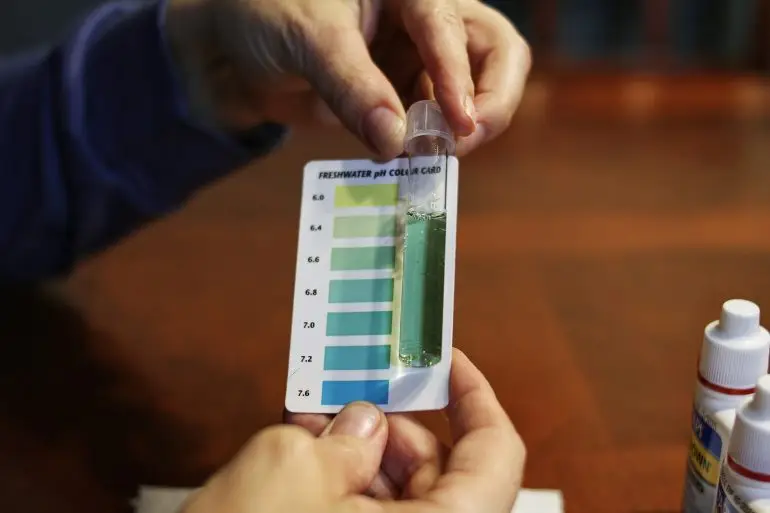
Understanding the source of potential contamination requires looking beyond the hardware that is easy to see. Certified lead water testing in the Staten Island can help homeowners identify possible lead sources, evaluate their water quality, and gain a clearer understanding of how their home’s plumbing system may be affecting the water reaching their taps.
The “Lead-Free” Label Paradox
One of the biggest misconceptions for Staten Island families is the definition of “lead-free.” Under current federal regulations, a plumbing fixture can be labeled lead-free even if it contains a weighted average of up to 0.25% lead on its wetted surfaces. While this is significantly better than the brass fixtures of the 1970s and 80s, it is not “zero lead.”
In 2026, the standard for a “safe” lead level in schools and many residential audits has dropped to 5 parts per billion (ppb). In some cases, a brand-new, legally “lead-free” faucet can leach enough lead during an overnight stagnation period to cause a failure on a “first-draw” sample. This is especially true if the water chemistry in the home is slightly acidic, which accelerates the leaching process from even the highest-quality brass internal components.
The Hidden Vulnerability: Lead Service Lines
Even the most expensive designer faucet cannot fix a problem that exists thirty feet under your front lawn. Many Staten Island homes, particularly those built before 1961, are still connected to the city’s water main by a lead service line. As we often discuss on our blog, these pipes are the single largest source of lead in residential water.
When a homeowner replaces their kitchen faucet but leaves the old lead service line in place, they are effectively putting a “new cap on a leaky bottle.” The water absorbs lead as it travels from the street to the house. By the time it reaches that new faucet, the contamination is already present. This is why professional testing methods that include “sequential sampling”—taking multiple bottles in a row—are so important. They help determine if the lead is coming from the new fixture (the first bottle) or the service line (the later bottles).
Galvanized Pipes and “Lead Shrapnel”
For many homes in the Mid-Island area, the issue isn’t just lead pipes, but galvanized steel pipes. Over decades, these pipes develop a layer of internal corrosion and rust. If they were ever connected to a lead service line, that rust acts like a sponge, soaking up lead particles.
When a plumber installs a new faucet, the physical vibrations of the work can knock loose tiny flakes of this lead-rich scale. These particles—often called “lead shrapnel”—can get trapped in the aerator screen of the brand-new fixture. In 2026, we are seeing cases where a home with new fixtures actually has higher lead levels for several weeks after the renovation because of this mechanical disturbance. This is a common topic in our faq, where we advise homeowners to clean their aerators weekly after any plumbing work.
Interpreting the 2026 Retest Failures
When Staten Island families receive their lab reports, they are often confused by the technical jargon. Interpreting results correctly is the only way to move from a “fail” to a “pass.” If a retest shows high lead even with new fixtures, the lab data can help pinpoint the source:
- High First-Draw Lead: Usually indicates the faucet itself or the immediate “stop valves” and connectors under the sink are leaching.
- High Flushed Lead: Indicates a systemic problem, likely the lead service line or lead-soldered copper pipes deep in the walls.
- Variable Results: Often suggests particulate lead (shrapnel) is randomly breaking off and entering the samples.
Without this level of detail, a homeowner might waste thousands of dollars replacing pipes that aren’t the source of the problem.
The Solution: A Holistic Approach to Lead Safety
If new fixtures aren’t enough, what is the answer for Staten Island? The most successful remediation strategies in 2026 involve a three-pronged approach:
- Service Line Replacement: Participating in the city’s lead service line replacement program to remove the primary source of the lead.
- Point-of-Entry (POE) Filtration: Installing a certified lead-removal system where the water first enters the home, ensuring every tap is protected.
- Certified Fixture Selection: Looking for the NSF/ANSI 61 and 372 certifications, specifically those that meet the updated 2026 standards for ultra-low leaching.
As noted in the latest regulations, the goal for 2026 is “Zero Lead Exposure.” While we may not be there yet, moving beyond the simple “new faucet” fix is the only way for Staten Island families to reach that target.
Conclusion: Data Over Decoration
A renovation that includes new fixtures is a great way to improve your home’s value, but it is not a substitute for water quality verification. The hidden infrastructure of Staten Island—the service lines, the galvanized risers, and the old solder—remains the primary driver of lead failures.
The most effective next step for any Staten Island homeowner is to look past the aesthetics of their new renovation and look at the chemistry of their water. If you have recently installed new fixtures but haven’t had a certified lab retest, the best path forward is to contact a specialist today to schedule an audit. Don’t assume your new tap is safe—let the lab data provide the peace of mind your family deserves.