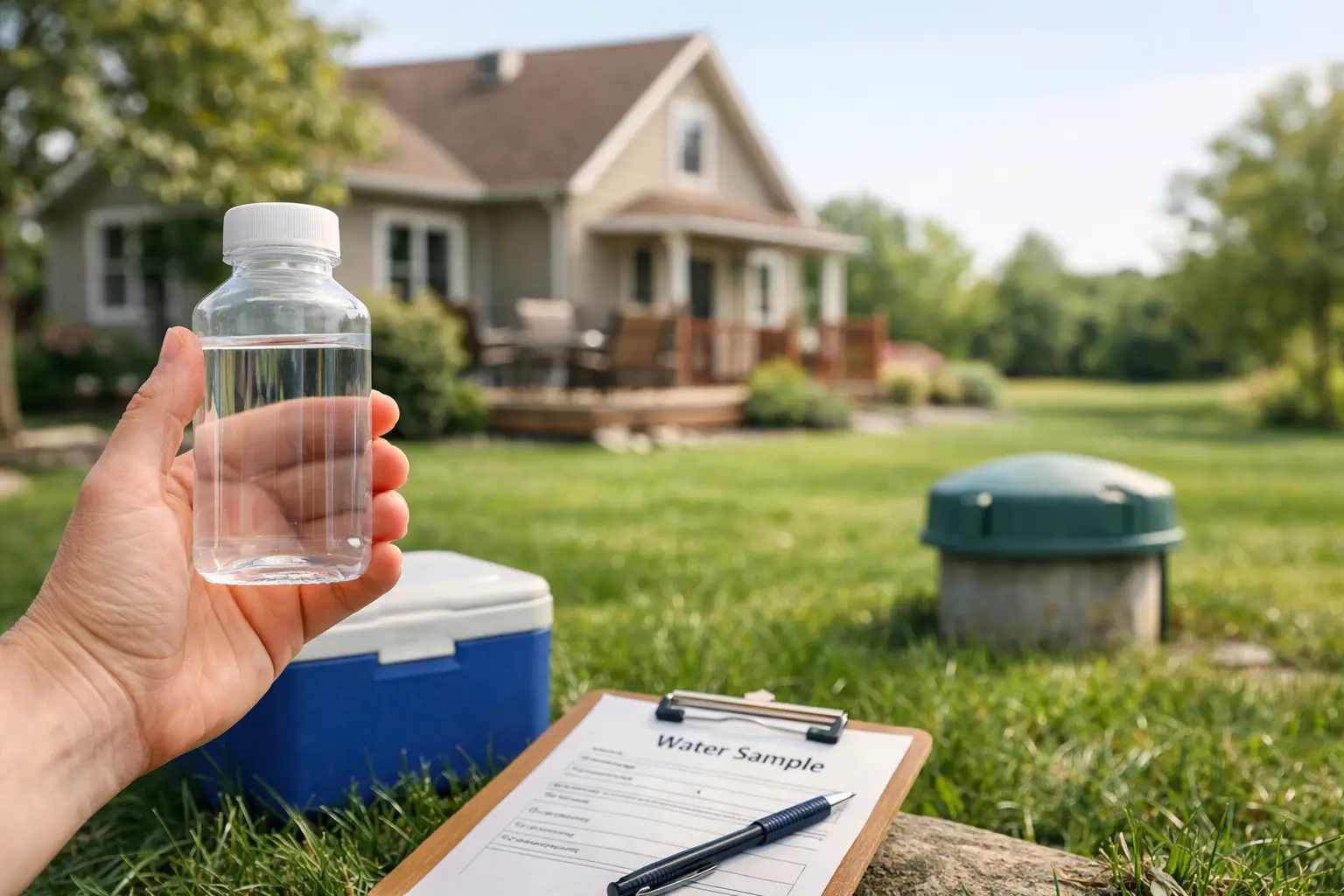
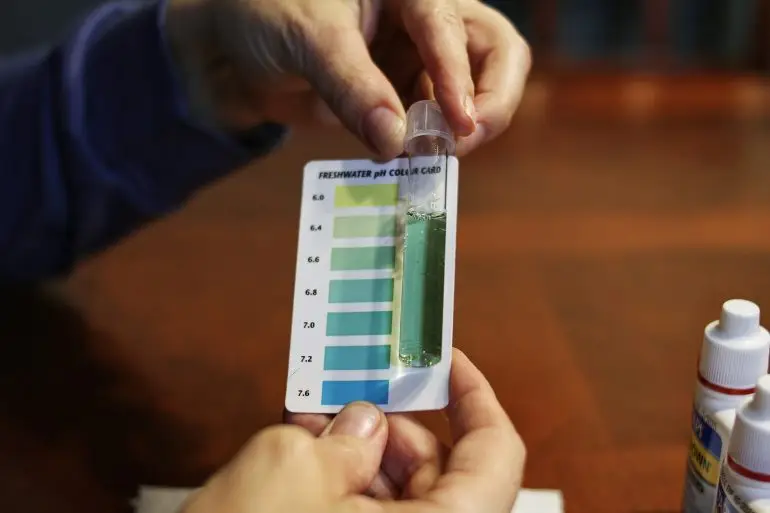
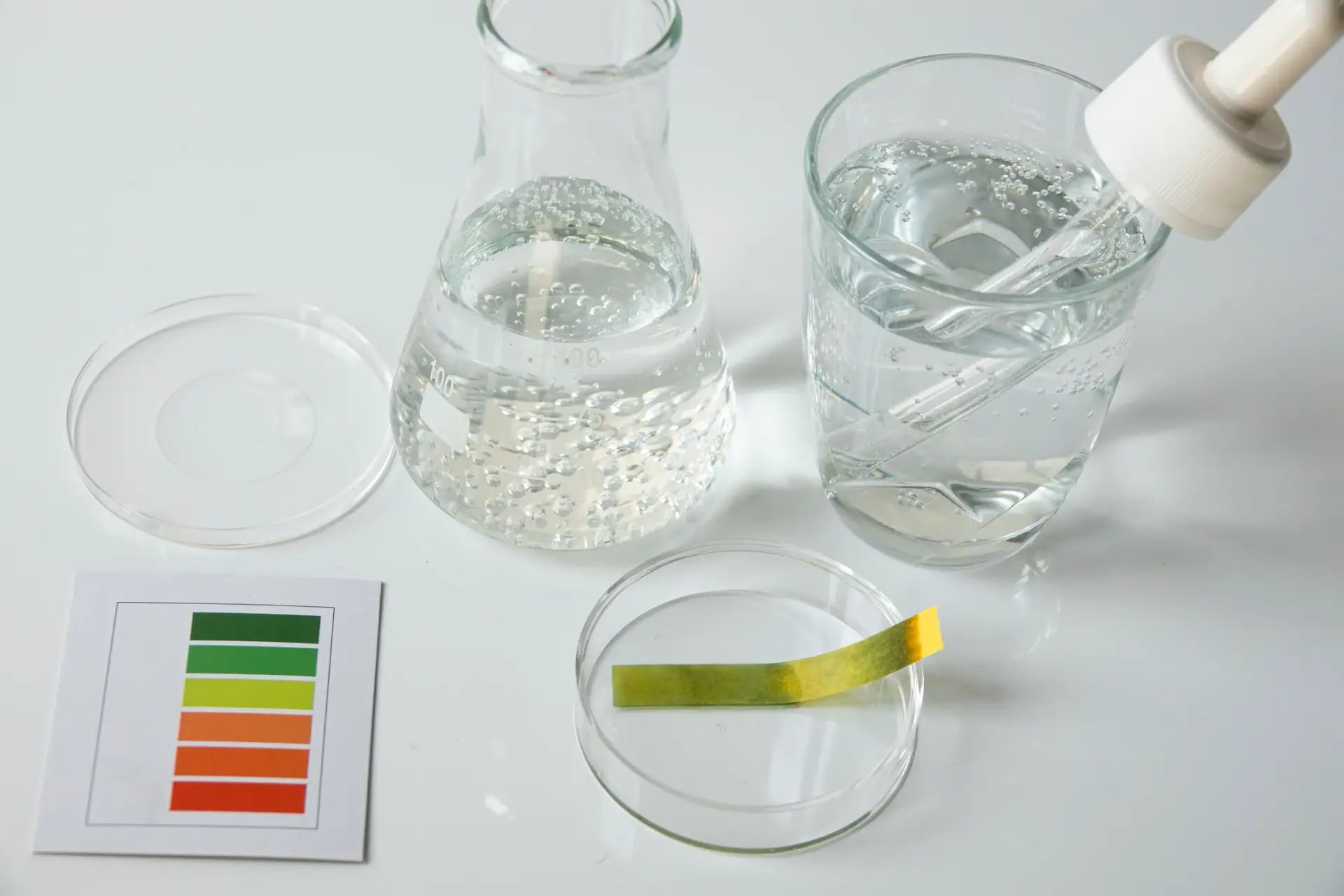
Staten Island has seen a significant surge in residential redevelopment as we move through 2026. From the charming streets of West Brighton to the expansive properties in Tottenville, the “duplex conversion” has become a popular way for families to maximize property value or create multi-generational living spaces. However, a recent case involving a beautifully renovated duplex in the Great Kills area has highlighted a hidden danger that often follows major construction: a total failure of the water system due to bacterial contamination.
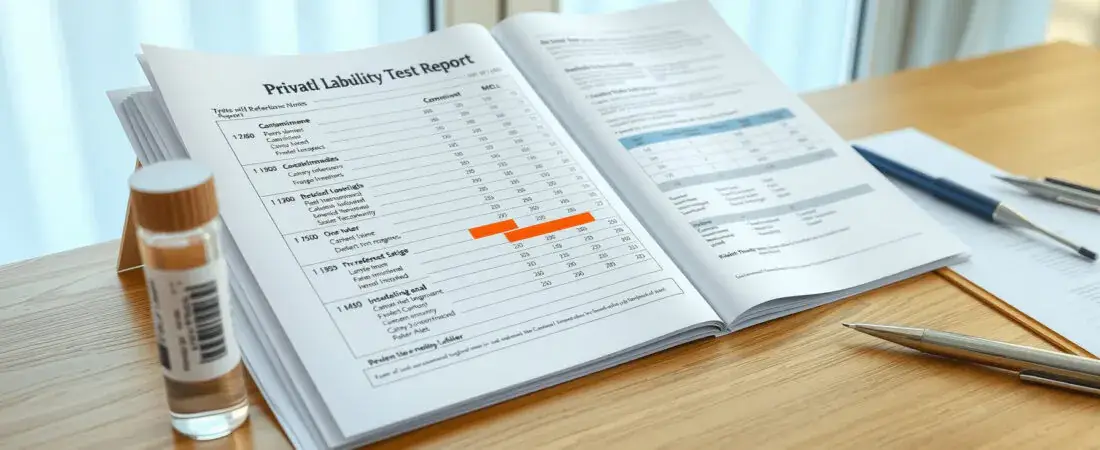
The homeowners had spared no expense on quartz countertops, designer fixtures, and energy-efficient appliances. To the naked eye, the home was a masterpiece of modern suburban living. But when the bank required a final water clearance for the certificate of occupancy, the laboratory results came back with a “Present” result for Total Coliform bacteria. This discovery transformed a celebration of a finished project into a complex environmental puzzle, proving that the newest plumbing can sometimes harbor the oldest threats.
The Mechanics of Contamination During Construction
How does a brand-new plumbing system in a clean Staten Island neighborhood end up with a bacterial failure? The answer lies in the “open” nature of a construction site. When pipes are cut, joined, and left uncapped during a renovation, they are exposed to the environment. Dust, debris, and even microscopic organisms from the hands of workers can enter the lines.
Furthermore, in 2026, we are seeing more instances where new “PEX” or flexible plastic piping is used. While PEX is durable and easier to install than traditional copper, its internal surface can occasionally allow for the attachment of biofilm if the system sits stagnant for weeks while awaiting inspections. In this Great Kills duplex, the water had been sitting in the new lines for over two months without being flushed, creating a stagnant “incubator” for any bacteria that had entered during the rough-in phase.
The False Security of “City Water”
Many Staten Island residents believe that because they are on the municipal supply, their water is inherently sterile. While the NYC DEP does an excellent job of maintaining a chlorine residual in the mains under the street, that chlorine is quickly “consumed” when it enters a building’s internal plumbing that is filled with construction debris or organic matter.
In the case of the duplex, the chlorine levels at the kitchen tap were near zero. The “last mile” of the plumbing had stripped the water of its protective disinfectant, allowing Coliform bacteria to thrive. As we often discuss on our blog, the city is responsible for the water in the street, but the homeowner is responsible for the biology of the pipes within their walls. Without proper testing methods, this family would have moved their children into a home where the very water used for bathing and brushing teeth was biologically compromised.
The Hidden Culprit: The Unsterilized “Dead Leg”
When our team assisted the homeowners in interpreting results, we looked for the source of the persistent failure. Even after a basic flush of the system, the bacteria returned. The investigation revealed a “dead leg” in the plumbing—a section of pipe that had been capped off during the renovation but was still connected to the live water line.
This dead leg acted as a reservoir for bacteria. Every time a faucet was turned on elsewhere in the duplex, the pressure change pulled a small amount of contaminated, stagnant water from the dead leg into the main flow. This is a common issue in Staten Island renovations where old bathrooms are moved or kitchens are expanded. Without a professional audit that follows established regulations, these architectural remnants can haunt a home’s water quality for years.
The 2026 Standard: Why “Shocking” the System is Necessary
In 2026, a simple flush is no longer considered sufficient for post-renovation safety. To clear the Great Kills duplex, a professional “shock chlorination” was required. This process involves injecting a high concentration of chlorine into the entire plumbing system and letting it sit for several hours to physically strip away the biofilm and kill any embedded bacteria.
Following the shock, the system must be thoroughly flushed until chlorine levels return to normal municipal ranges. Only then can a follow-up sample be taken. Many homeowners are surprised to find that this is a specialized service; it is not something typically handled by a standard renovation contractor. Our faq section provides more detail on why this specialized disinfection is the only way to ensure a “Pass” on a retest.
Tenant Safety and Liability in Duplex Living
Because this property was a duplex, the stakes were doubled. The homeowners intended to rent out the secondary unit to help cover their mortgage. In New York City, providing biologically safe water is a fundamental requirement of the “Warranty of Habitability.” If a tenant had moved into the secondary unit and become ill, the homeowners would have faced significant legal and financial liability.
In 2026, informed tenants in Staten Island are increasingly requesting recent water quality reports before signing a lease. Providing a certified laboratory report not only helps protect a landlord’s investment but also demonstrates a commitment to transparency and resident well-being. Drinking water lead analysis for Staten Island can provide valuable documentation that sets a property apart in a competitive rental market and shows a level of care that goes beyond updated finishes and renovations.
Proactive Steps for Your Staten Island Renovation
If you are currently in the middle of a home project, there are several steps you can take to avoid a bacterial failure:
- Cap Your Pipes: Ensure your contractor keeps all open pipe ends capped at the end of every workday to prevent dust and debris from entering.
- Regular Flushing: Once the plumbing is “closed,” run the water at every tap for at least 10 minutes once a week to prevent stagnation.
- Professional Audit: Schedule your water test at least two weeks before your move-in date. This gives you time to react if a failure occurs.
- Inspect the Hot Water Tank: New water heaters can also be sources of bacteria if they are set to temperatures below 120°F ($49$°C), which is the threshold where many bacteria begin to die off.
Conclusion: Moving from Construction to Compliance
A bacterial failure in a newly renovated Staten Island duplex is a frustrating setback, but it is a solvable one. It serves as a reminder that a home’s beauty is only skin deep—the internal infrastructure must be as healthy as the exterior is aesthetic. In 2026, we have the testing methods and the disinfection protocols to ensure that no family has to guess about the safety of their tap.
The most effective next step for any Staten Island homeowner finishing a project is to verify the biological safety of their new pipes. If you have recently completed a renovation or are planning to rent out a portion of your home, the best path forward is to contact a specialist today to schedule a certified audit. Don’t let a “Present” result for bacteria stand in the way of your new home—get the data you need to move in with confidence.