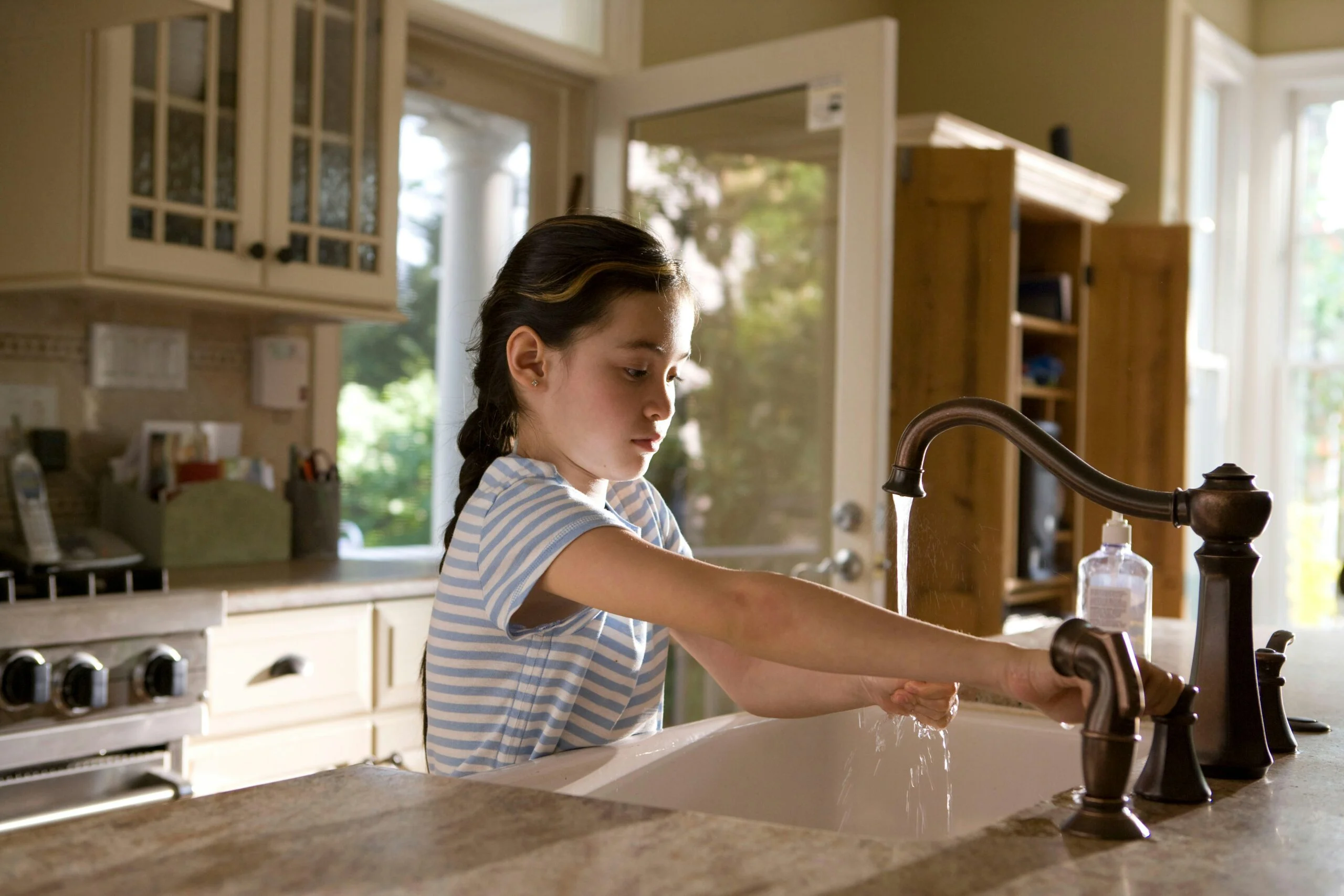
Staten Island has long been referred to as the “Borough of Parks,” a place where families seek a bit more space and a connection to a slightly slower pace of life than the rest of New York City. Along with that lifestyle comes a high level of health consciousness. In 2026, it is rare to walk into a kitchen in Tottenville, Westerleigh, or St. George and not see some form of water filtration. Whether it is a sleek pitcher in the refrigerator, a faucet-mounted attachment, or a high-end under-sink reverse osmosis system, Staten Island families are investing heavily in the “safety” of their tap.
However, a surprising trend is emerging from recent laboratory audits across the island. Families who believed they were drinking “pure” water are discovering that their filters are often failing to catch specific contaminants, and in some cases, those filters are actually making the water quality worse. As we navigate the complex landscape of 2026 environmental health, the assumption that a filter equals safety is being replaced by a more rigorous demand for data.
The False Security of the Pitcher Filter
The most common filtration method on Staten Island remains the standard carbon-based pitcher. These are excellent for removing the taste and odor of chlorine, which the city uses to keep the water supply free of pathogens. But as many families are finding out through professional testing methods, these pitchers have significant limitations when it comes to the heavy metals and chemicals often found in older North Shore plumbing.
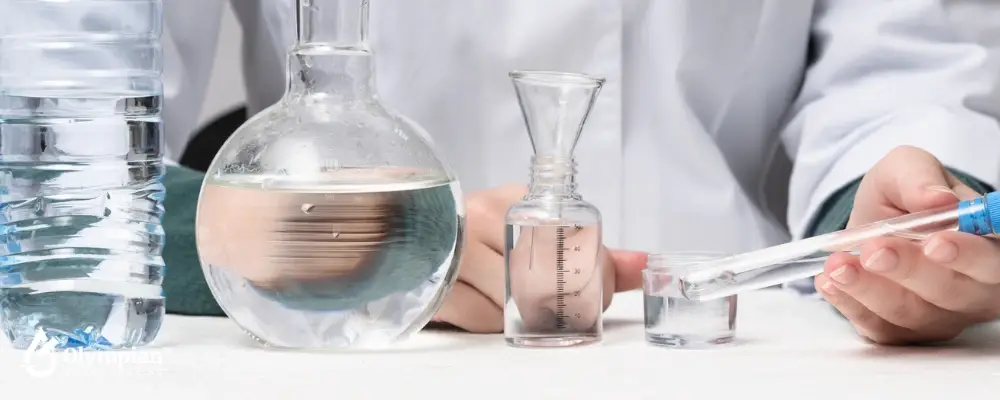
Laboratory results for several homes in Port Richmond and West Brighton have shown that while chlorine was successfully removed, lead levels remained largely unchanged. This is because many basic filters are not certified for lead reduction, or the filter media becomes “exhausted” long before the indicator light turns red. For a family with young children, relying on a basic pitcher to mitigate lead risks from old service lines is a gamble that the data suggests they are frequently losing.
The Biofilm Breakthrough: When Filters Become Sources
Perhaps the most alarming discovery for Staten Island families is the “biofilm” issue. Filters work by trapping contaminants. If a filter is not changed frequently—or if it sits in a warm kitchen over a long holiday weekend—the trapped organic matter can become a breeding ground for bacteria.
In several recent audits, families were shocked to find that their filtered water had a higher heterotrophic plate count (a measure of general bacterial population) than the raw water coming straight from the tap. The filter, meant to be a barrier, had become a source of biological contamination. This is a topic we address frequently in our faq, as it highlights the critical need for strict maintenance schedules that go beyond the manufacturer’s suggestions.
PFAS: The “Forever Chemical” Challenge of 2026
In 2026, the conversation around Staten Island water has shifted heavily toward PFAS (per- and polyfluoroalkyl substances). These man-made chemicals are incredibly persistent in the environment and have been linked to a variety of health issues. While the NYC DEP works to meet new federal regulations, many Staten Island residents have taken matters into their own hands with specialized filters.
However, laboratory testing is revealing that not all “PFAS filters” are created equal. Some families using “whole-house” sediment filters find that while their water looks clearer, the dissolved PFAS molecules pass right through. Only specific, high-capacity activated carbon or reverse osmosis systems are truly effective at stripping these chemicals. Families who have spent thousands on the wrong type of system are finding out the hard way that without interpreting results from a certified lab, they may still be exposed to these “forever chemicals.”
Microplastics in the “Borough of Parks”
Another emerging concern for the 2026 Staten Island homeowner is microplastics. Recent studies have shown that microplastics are present in virtually all major municipal water supplies. While many families assume their filters are fine enough to catch these particles, the reality is that microplastics come in various sizes, some of which are smaller than the pore size of a standard carbon block.
Audits in South Beach and Great Kills have identified microscopic plastic fibers in water that had already passed through a refrigerator filter. For parents concerned about the long-term endocrine-disrupting effects of plastics, this discovery has prompted a shift toward “Absolute” sub-micron filtration systems. The only way these families were able to identify the gap in their protection was through advanced testing methods that specifically look for particulate matter at the microscopic level.
The “Lead-Free” Brass Paradox in New Developments
Even in the newer developments across the island, water quality is not guaranteed. Under modern regulations, “lead-free” plumbing fixtures are still allowed to contain trace amounts of lead. In a new home with high-end brass faucets, the water can sit in the fixture overnight and leach enough metal to cause a failure on a “first-draw” sample.
Families in these new homes often find that their under-sink filter is only connected to the cold water line. If they use the hot water side of the faucet to quickly fill a pot for pasta or to warm up a baby bottle, they are bypassing their filtration entirely. The discovery of lead in the “filtered” tap water of a two-year-old home is a common story on our blog, serving as a reminder that the fixture itself is often the final point of contamination.
Why Professional Audits are the New Standard
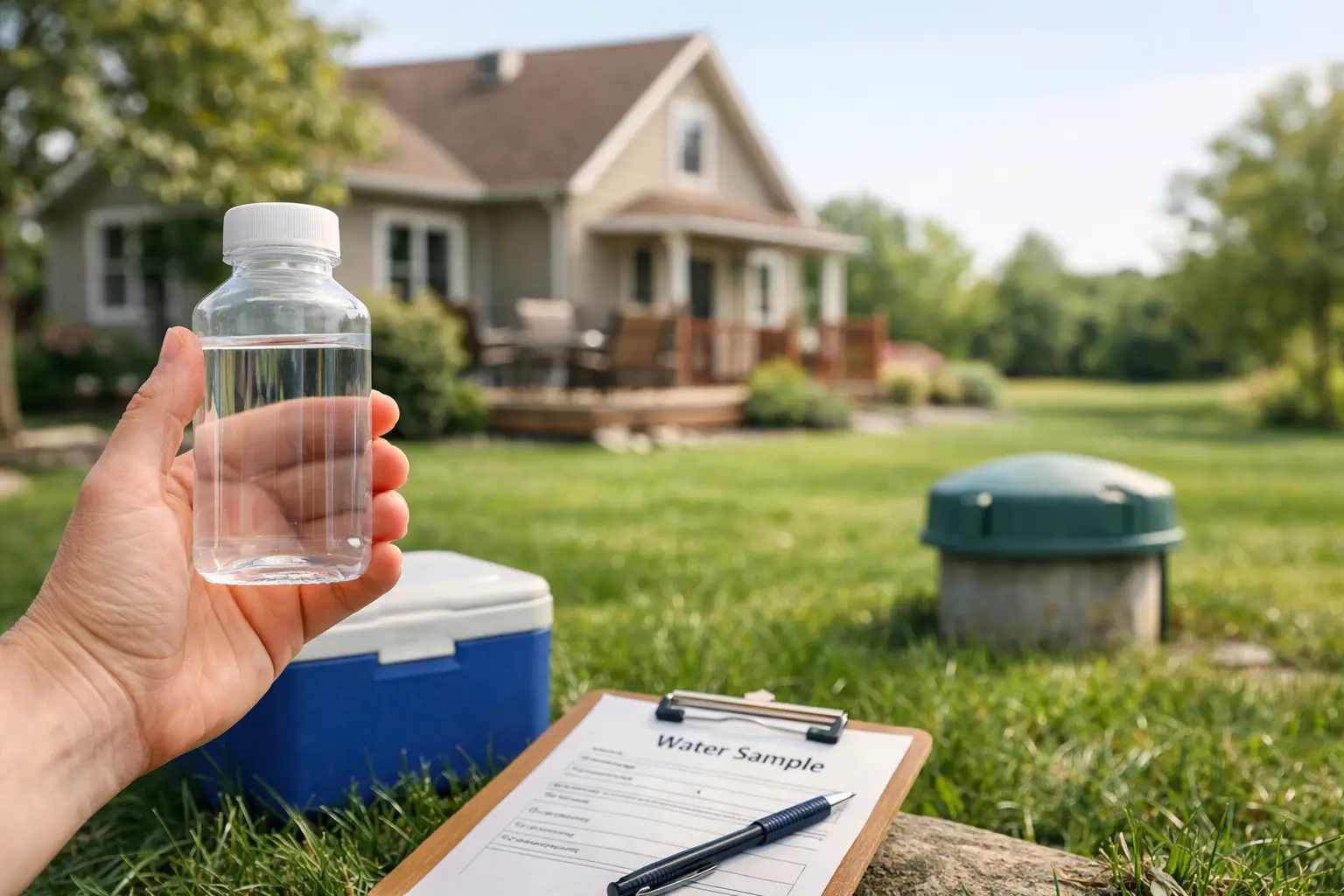
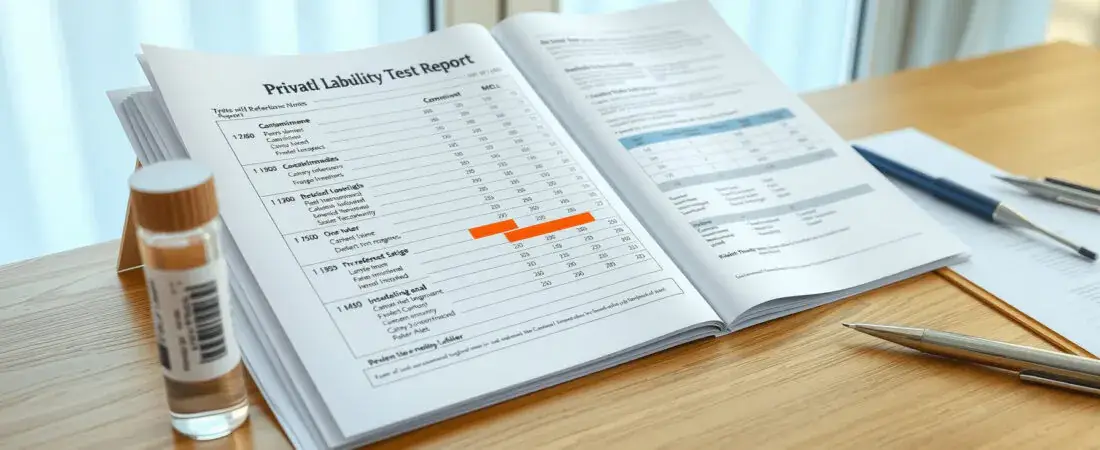
In 2026, Staten Island families are moving away from “faith-based” filtration and toward “fact-based” safety. A professional water audit does more than just tell you what is in your water; it tells you if your investment in filtration is actually paying off. By comparing the “Raw” water to the “Filtered” water, a lab can calculate the exact percentage of contaminant removal.
This data is invaluable when it comes to holding filter manufacturers accountable or deciding when it is time to upgrade a system. As noted in our guide on interpreting results, the “Safe” vs. “Unsafe” binary is often less important than the “Before” vs. “After” efficiency of your home’s defense system.
Conclusion: Moving Beyond the Filter
Families in Staten Island are right to take proactive steps toward protecting their water quality, but a filtration system is only as effective as the testing and maintenance behind it. In 2026, concerns discovered through filtered water evaluations highlight why a filter should not be treated as a set-it-and-forget-it solution. The borough’s combination of aging infrastructure and modern upgrades creates a complex water environment that benefits from regular monitoring. Residential property lead water testing in Staten Island can help identify potential concerns and provide the data needed to maintain a safer water supply.
The most effective next step for any Staten Island resident is to verify the performance of their home’s filtration. If you are relying on a filter to protect your family from lead, PFAS, or bacteria, the best path forward is to contact a specialist today to schedule a comprehensive audit. Don’t assume your filter is working—get the lab report that proves it.