The Manhattan real estate market has always been defined by its rigors. Buyers are accustomed to scrutinized board packages, meticulous structural inspections, and exhaustive title searches. However, as we move through 2026, a new contingency is becoming standard in luxury lofts and pre-war cooperatives alike: the water quality audit. No longer satisfied with the general assumption that New York City water is “the best in the world,” savvy buyers are now insisting on professional tap testing before they sign on the dotted line.
This shift in behavior is driven by an increasing awareness of the “last mile” problem. While the city’s Department of Environmental Protection (DEP) ensures that water leaving the reservoirs is pristine, the journey through miles of century-old iron mains and the building’s own internal risers can introduce heavy metals, sediment, and chemical byproducts. For a buyer investing millions in a Manhattan property, the state of the plumbing is just as critical as the view from the penthouse.
The Rise of the Environmental Contingency
In previous years, water testing was often reserved for rural properties with private wells. In an urban environment, it was seen as redundant. But the 2026 market has seen a surge in transparency. Buyers are now treating tap water with the same level of caution they apply to lead paint or mold. We are seeing “Tap Testing Contingencies” appearing in contracts across the Upper West Side, Tribeca, and Chelsea.
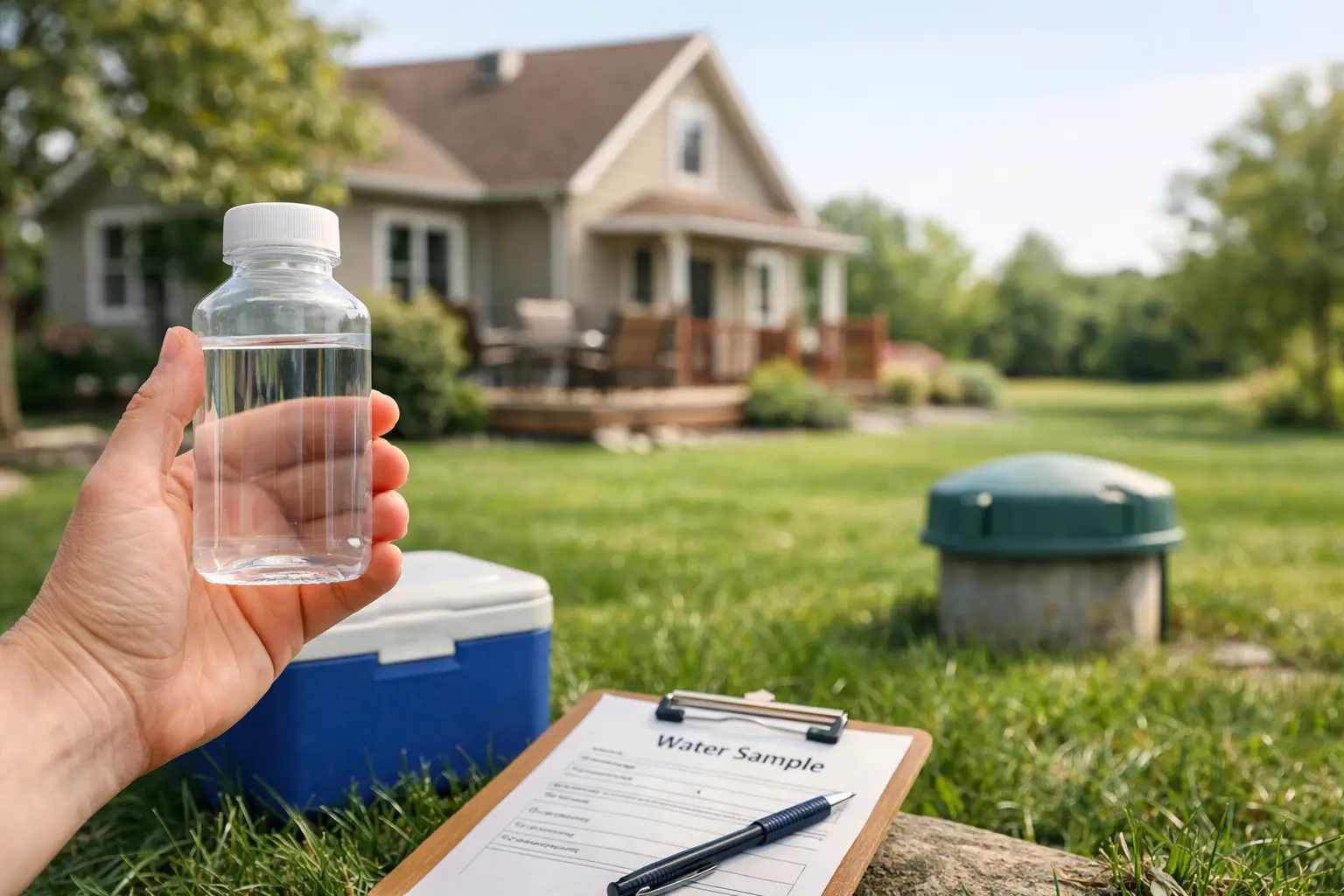
These contingencies typically allow a buyer to have a professional laboratory collect samples using specific testing methods to ensure the home meets current safety standards. If the results show elevated levels of lead, copper, or microplastics, the buyer may negotiate for a credit to install a whole-home filtration system or, in extreme cases, demand the replacement of localized brass fittings and old solder joints.
What Manhattan Buyers Are Looking For
The primary concern for Manhattan residents is lead. Because so much of the borough’s housing stock dates back to the early 20th century, lead service lines and lead-soldered copper pipes are ubiquitous. Even in “gut-renovated” units, the water often travels through original building risers before it reaches the brand-new designer faucet.
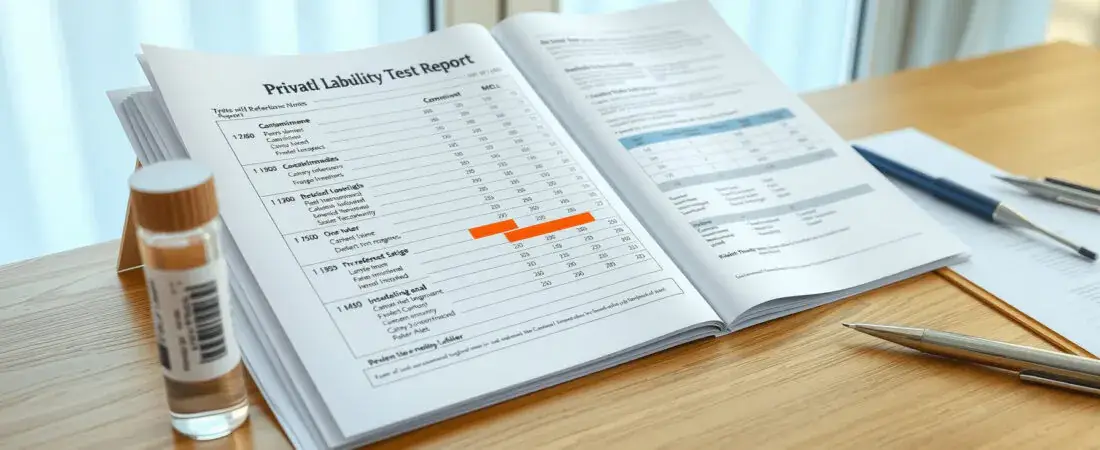
Beyond lead, buyers are increasingly concerned with “forever chemicals” (PFAS) and the secondary effects of chlorine disinfection. While the city uses chlorine to keep water safe from pathogens, the interaction between chlorine and organic matter can create disinfection byproducts (DBPs) that many health-conscious buyers want to minimize. By interpreting results from a comprehensive lab report, buyers can understand exactly what they are inheriting and what kind of filtration is necessary to achieve their health goals.
The Multi-Family Challenge: Risers vs. Fixtures
One of the most complex aspects of Manhattan real estate is the shared nature of the infrastructure. When a buyer tests the water in a co-op or condo, they aren’t just testing their own apartment; they are getting a snapshot of the entire building’s health. This can sometimes lead to tension with co-op boards.
If a buyer’s test fails, it raises questions for every other shareholder in the building. As we often discuss on our blog, this has led to a more proactive approach by building managers. Many are now commissioning building-wide audits to provide to prospective buyers upfront, rather than dealing with individual contingencies that could stall a closing. Understanding the local regulations is essential for both parties to determine who is responsible for remediation—the individual unit owner or the building as a whole.
How Modern Sampling Works in a High-Rise
The process of testing in a high-rise environment requires more than just filling a cup. Professionals use “stagnation sampling” to capture the worst-case scenario. This means the water must sit in the pipes for at least six to eight hours before the sample is taken.
In many Manhattan buildings, we utilize sequential sampling. By taking a series of one-liter bottles in order, we can determine if a contaminant is coming from the faucet itself (the first bottle), the piping behind the wall (the second bottle), or the building’s main riser (the third and fourth bottles). This level of detail is a prerequisite for any buyer who wants to avoid a multi-million dollar mistake. You can find more details on these specific protocols in our faq section.
The Financial Impact on Closing Costs
While a professional water audit adds a small fee to the closing process, the cost of not testing can be significantly higher. In 2026, the installation of a high-end, point-of-entry filtration system in a Manhattan apartment can range from $2,500 to $7,000. If the buyer discovers the need for this after closing, they have no leverage to ask for a seller credit.
Furthermore, lenders are beginning to take note. While not yet a federal requirement for conventional loans in New York City, some private wealth banks and “jumbo” loan providers are starting to look at environmental reports as part of their risk assessment for high-value properties. Providing a “Passed” report can actually streamline the financing process in a competitive market.
Transparency as a Selling Point
Sellers are also adapting to this trend. In neighborhoods like Greenwich Village and Soho, we are seeing “Water Quality Certified” labels appearing in listing descriptions. Smart sellers are performing testing methods before they even list the property. By having a laboratory report ready for the first open house, they eliminate the “fear of the unknown” and prevent a buyer from using a failed test as a last-minute price negotiation tactic.
Why DIY Kits Are Falling Out of Favor
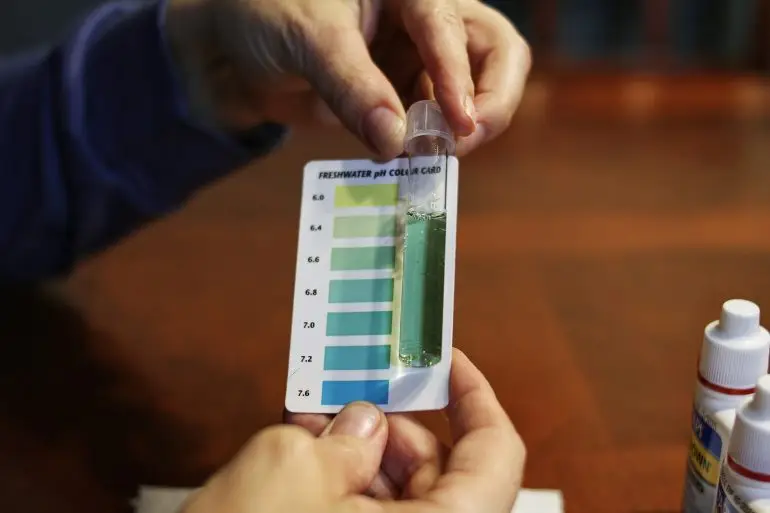
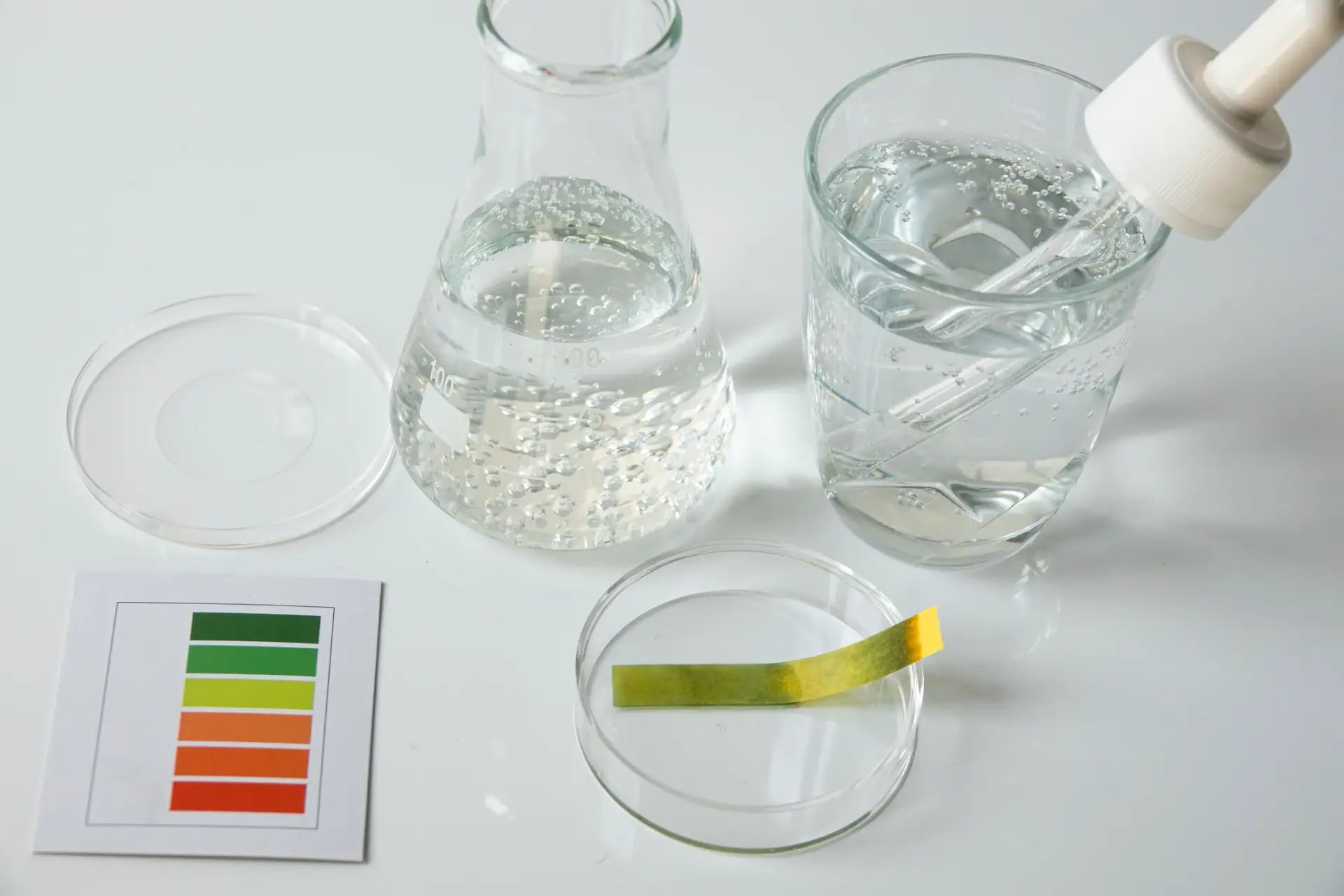
In the past, some buyers tried to use “at-home” test strips. However, in the high-stakes Manhattan market of 2026, these are no longer considered sufficient. Most DIY kits cannot detect lead at the low parts-per-billion levels that modern regulations demand. Professional laboratory analysis is the only way to get a legally defensible document that can be used at the closing table.
Conclusion: The New Standard for Urban Living
The addition of tap testing to the Manhattan closing checklist reflects a more informed and health-conscious approach among today’s consumers. In a city where significant time and investment go into creating beautiful homes, it is equally important to prioritize the quality and safety of the water flowing through them. Bacteria water testing in Manhattan can help buyers and homeowners better understand their water conditions and make informed decisions about their property.
The most effective next step for any prospective buyer—or any seller preparing to list a Manhattan property—is to move from assumptions to evidence. If you are entering the final stages of a real estate transaction, the best path forward is to contact a specialist today to schedule a certified audit. Don’t wait until you’ve moved in to find out what’s in your water; make it a part of your due diligence today.