Manhattan is a living museum of architectural history. From the cast-iron façades of SoHo to the neo-Gothic spires of the Financial District, these landmark buildings represent the prestige and endurance of New York City. However, as we have moved into 2026, many of these iconic structures are facing a modern reckoning. Recently, a prominent landmark building in Midtown—home to both luxury residential lofts and high-end commercial suites—tested positive for elevated lead levels in its tap water.
This discovery has sent a shockwave through the local real estate community, dispelling the long-held myth that luxury and historical significance equate to environmental safety. While New York City’s source water remains world-class, the “last mile” of delivery through 19th and early 20th-century plumbing remains a profound vulnerability. For the residents and tenants of this landmark, the very history that made the building desirable has become the source of a significant health concern.
The Anatomy of a Landmark Failure
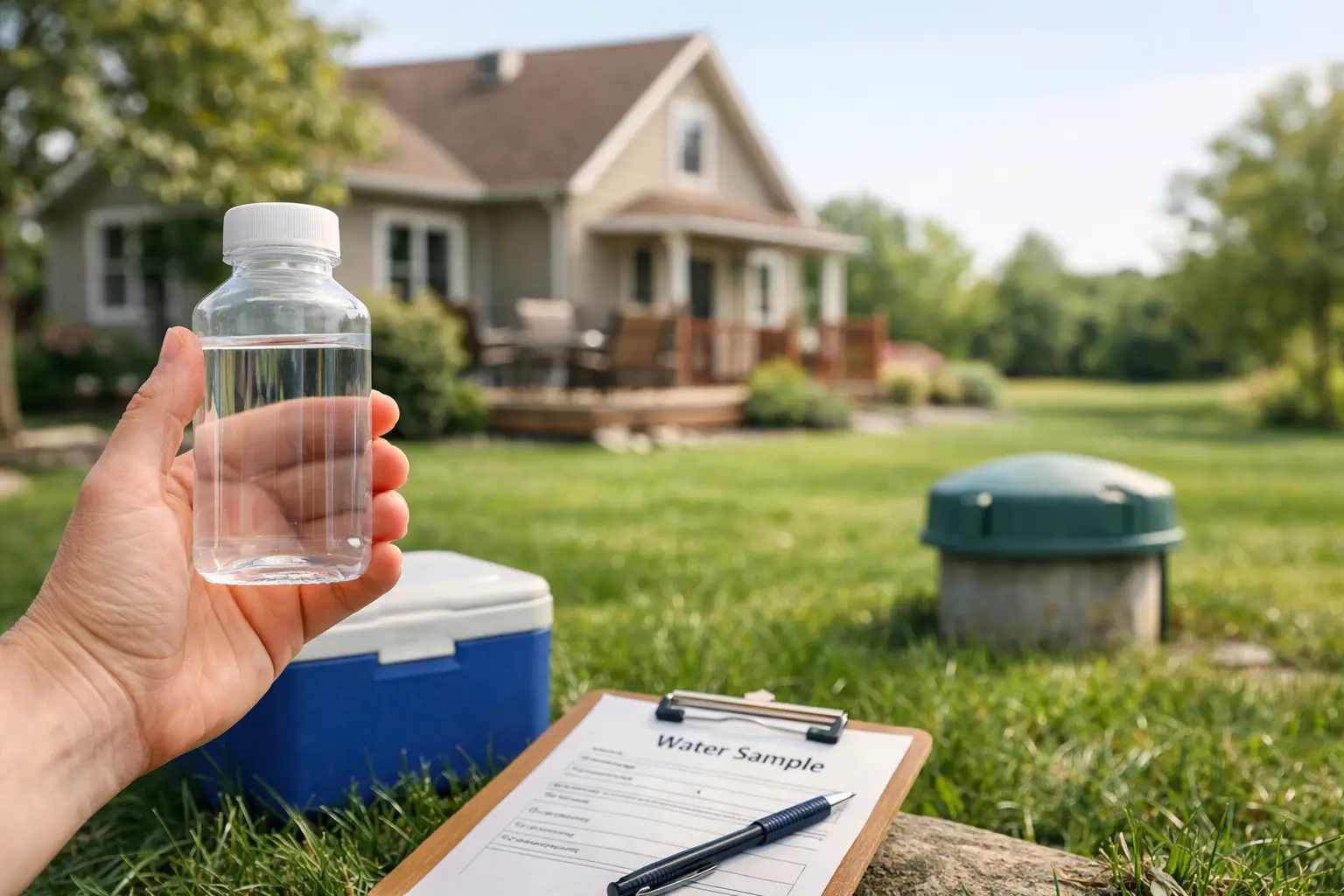
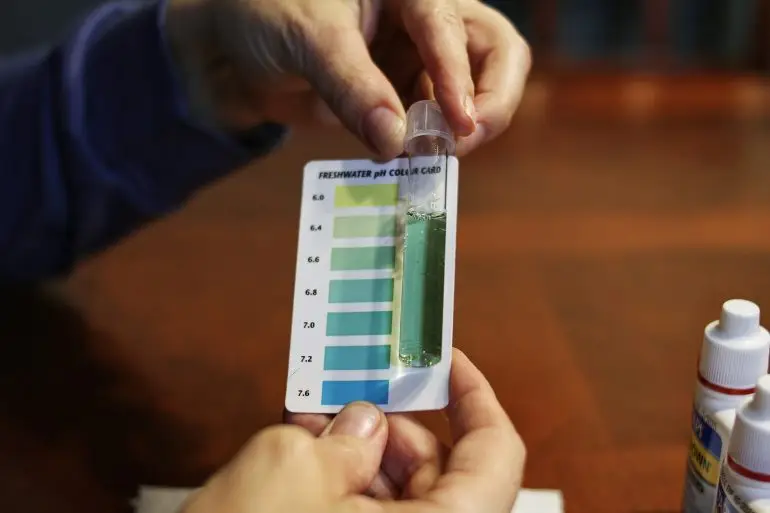
The building in question had recently undergone a superficial renovation of its common areas, but much of the internal vertical infrastructure remained original to its early 1900s construction. When a tenant noticed a slight discoloration in the water following a period of low occupancy, they initiated a professional audit. Using advanced testing methods, the laboratory analyzed samples from the basement risers all the way up to the penthouse fixtures.
The results were undeniable: lead concentrations in several units were recorded at over $25$ $ppb$, well above the EPA action level of $15$ $ppb$ and significantly higher than the stricter 2026 regulations being adopted by health-conscious municipalities. The source was not the city’s water main, but a combination of ancient lead service lines and large-scale brass valves that had corroded over a century of service.
Why Landmarks Are More Susceptible
Landmarked buildings in Manhattan face unique challenges when it comes to water safety. Because of their protected status, structural renovations are often restricted and prohibitively expensive. This leads to several common issues that we frequently document on our blog:
- Lead Service Lines: Many historic buildings still have original lead pipes connecting the building to the street main. While the city has aggressive replacement goals for 2026, the complexity of Manhattan’s underground utility grid often delays these projects.
- Stagnation in Large Volumes: Historic buildings often have large storage tanks or oversized risers. If a building has high vacancy or seasonal residents, water sits for long periods in contact with old metal, allowing lead to leach into the supply.
- Brass and Solder: Even if the main pipes are replaced, the internal fittings—ornate faucets, valves, and solder joints—often contain significant amounts of lead. In 2026, these components are failing at higher rates as they reach the end of their functional lifespan.
The 2026 Regulatory Climate for Historic Properties
In 2026, the legal landscape for NYC property owners has shifted. There is a greater emphasis on transparency and mandatory disclosure. Under current regulations, building managers of landmarked properties are under increasing pressure to provide annual water quality certifications to tenants.
The Midtown landmark case serves as a warning. When a building of this stature fails a lead test, it isn’t just a maintenance issue; it becomes a legal and PR crisis. Tenants in luxury Manhattan buildings are no longer satisfied with “city average” data; they want unit-specific results. This has led to a surge in the use of specialized testing methods like sequential sampling to determine if the lead is coming from the building’s core or the unit’s specific fixtures.
Interpreting Results in a High-Stakes Environment
For the residents of this Manhattan landmark, interpreting results was a stressful process. Initial “first-draw” samples showed extremely high lead, but “flushed” samples—taken after running the water for two minutes—showed much lower levels. This indicated that while the building’s main risers were relatively clean, the lead was leaching from the localized plumbing and fixtures within the apartments.
This distinction is critical for remediation. Rather than a multi-million dollar full-pipe replacement, the building was able to implement a targeted strategy: replacing individual fixtures and installing high-capacity, lead-certified filtration systems at the point of entry for each unit. However, without professional help in interpreting results, the board might have authorized unnecessary and destructive structural work.
The “Luxury Filter” Misconception
Many tenants in the building had already been using high-end, designer water filters. A common question we see in our faq is: “If I have an expensive filter, am I safe?” In the case of this landmark, the answer was often no.
Many consumer filters are not designed to handle the high particulate load found in century-old pipes. Over time, lead “shrapnel”—tiny flakes of lead scale—can bypass standard carbon filters or clog them so quickly they become ineffective. For a Manhattan landmark, a standard pitcher filter is rarely enough. These buildings require professional-grade, NSF-certified solutions that are regularly monitored.
What This Means for Manhattan Real Estate
In 2026, the “Landmark Lead” discovery has changed how Manhattan buyers approach property due diligence. Prospective owners in iconic buildings such as the Ansonia, the Dakota, and the Woolworth Building are increasingly requesting independent water evaluations as part of the purchase process. Taking steps to get water tested for lead in Manhattan can provide valuable insights into water quality and help buyers make more informed decisions before finalizing a property purchase.
As noted on our blog, a building’s history is a point of pride, but its infrastructure must be a point of proof. Sellers in these buildings are finding that being proactive—testing the water and providing a “Clear Water” certificate—is the only way to maintain the high property values these landmarks command.
Conclusion: Stewardship Includes Safety
Owning or living in a Manhattan landmark is a form of stewardship. It involves preserving the past while ensuring the building is fit for the future. The recent lead failure in Midtown is a reminder that even the most beautiful façades can hide internal decay. In 2026, we have the tools and the testing methods to identify these risks before they become health crises.
The most effective next step for any Manhattan board member, building manager, or resident is to move beyond assumptions. If you live in a building older than 40 years, the best path forward is to contact a specialist today to schedule a comprehensive audit. Don’t let your building’s historic legacy be overshadowed by a modern environmental failure.