While most of the Five Boroughs rely on the city’s massive upstate reservoir system, portions of Southeast Queens—including neighborhoods like Jamaica, Hollis, and St. Albans—historically utilized groundwater. Although municipal supply has largely taken over, many residential properties still maintain private wells for irrigation, auxiliary use, or remain in pockets where older systems persist. In 2026, a surprising trend is emerging: homeowners who are conducting retests of their private wells are discovering significantly elevated levels of iron.
This surge in iron detection isn’t just an aesthetic annoyance; it is a signal that the subsurface environment of Queens is shifting. Whether you are a long-term resident or a new buyer looking into regulations, understanding why iron is suddenly spiking in these retests is essential for maintaining both your property and your peace of mind.
The Geological and Industrial Roots of Queens Iron
Iron is one of the most abundant minerals in the Earth’s crust, and the glacial aquifers beneath Long Island and Queens are naturally predisposed to contain it. However, the current spike in iron levels is often tied to the “redox” (reduction-oxidation) state of the groundwater. When oxygen levels in the aquifer change—often due to fluctuating water tables or urban construction—iron that was once bound to soil particles dissolves into the water.
In many locations, the industrial legacy of Queens also plays a role. Decades of manufacturing and runoff can alter the chemistry of the soil, making it easier for naturally occurring iron to leach into private wells. When homeowners use modern testing methods, they are now finding concentrations that were previously undetected or lower in decades past.
Aesthetic vs. Health Concerns: The Iron Spectrum
Technically, iron is classified as a “secondary” contaminant by the EPA and local regulations. This means it is primarily considered an aesthetic issue rather than a direct health threat. However, for a Queens homeowner, the “aesthetic” impact is profound:
- Staining: High iron causes persistent orange or reddish-brown stains on porcelain sinks, toilets, and laundry.
- Taste and Odor: Water often takes on a metallic, “rusty” taste and can sometimes smell like pennies.
- Clogging: Iron can promote the growth of “iron bacteria,” a non-pathogenic organism that creates a thick, slimy sludge. This sludge can clog pipes, ruin dishwasher components, and destroy expensive irrigation heads.
As we often note in our faq, while drinking iron-rich water in small amounts is not typically harmful, the high levels we are seeing in recent Queens retests can make the water practically unusable for daily household chores.
The Role of Iron Bacteria in Retest Failures
A major reason for the “failure” in recent lab reports isn’t just the mineral itself, but the presence of iron bacteria. These organisms feed on the iron in the water and create a biofilm inside the well casing and the home’s plumbing.
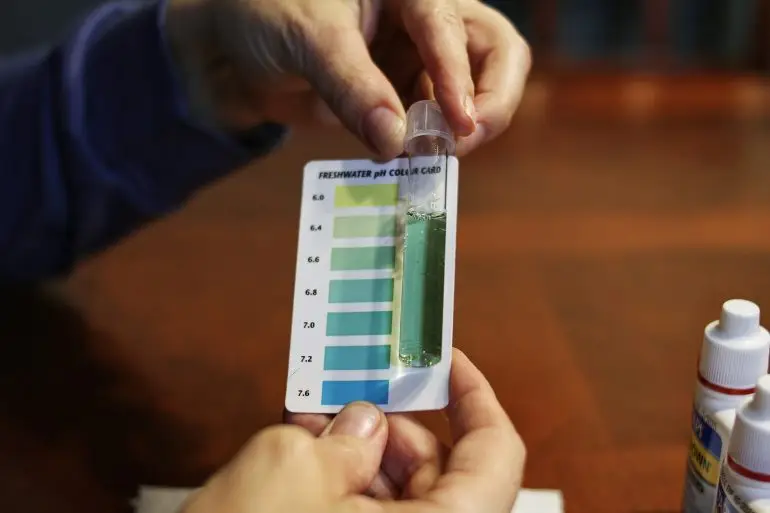
During a retest, if a sample is taken without proper flushing, the concentration of iron and bacterial sludge can be astronomically high. This is why professional testing methods are so critical. A simple DIY kit might show you have iron, but it won’t tell you if you have a bacterial infestation that requires “shock” chlorination of the well.
Interpreting Your Results: Clear Water vs. Red Water Iron
When interpreting results, Queens residents often encounter two different types of iron:
- Ferrous Iron (Clear Water Iron): The water looks clear when it comes out of the tap but turns orange after sitting in a glass. This is iron that has dissolved into the water.
- Ferric Iron (Red Water Iron): The water is orange or “rusty” immediately upon leaving the tap. This is iron that has already oxidized.
Knowing which type you have is the only way to choose the right filtration system. A standard sediment filter might catch ferric iron, but it will do nothing for ferrous iron, which requires an oxidizing filter or a specialized water softener.
Why Now? The 2026 Groundwater Shift
Why are Queens wells showing more iron now than they did ten years ago? Environmental experts point to the “rebounding” water table. For decades, massive pumping for industrial use kept the water table low. As that pumping has decreased, the water table has risen, re-submerging soil layers that had dried out. This “re-wetting” of the soil triggers chemical reactions that release iron back into the water supply.
Furthermore, the increased frequency of heavy rain events in 2026 has led to more “recharge” of the aquifers. As rainwater filters down through the urban soil of Queens, it carries organic matter that consumes oxygen, creating the perfect “low-oxygen” environment for iron to dissolve.
The Impact on Real Estate Transactions
In the current real estate climate, a well test showing high iron can be a major point of contention. Even though it is a secondary contaminant, buyers are wary of the maintenance costs associated with iron-rich water.
We are seeing more contracts in Southeast Queens that include specific clauses for iron remediation. Sellers who are proactive and conduct their own retests before listing can address the issue—perhaps by installing an iron-curtain system or an air-injection filter—to ensure the deal doesn’t stall over “rusty water” complaints.
Remediation: Solutions for Queens Homeowners
If your retest shows high iron, don’t panic. There are several effective ways to handle the problem:
- Air Injection: A system that injects a bubble of air into the water to oxidize the iron so it can be filtered out.
- Water Softeners: Effective for low to moderate levels of ferrous (clear) iron.
- Oxidizing Media: Specialized tanks (like Greensand or Filox) designed to chemically trap iron particles.
The key is to match the solution to the specific chemistry found in your lab report. As we emphasize in our faq, there is no “one size fits all” filter for iron.
Conclusion: Taking Control of Your Well
The increase in iron levels reported across Queens is a reminder that groundwater is a changing system influenced by environmental conditions and infrastructure factors. If you have not tested your private well in recent years, new results may reveal changes that were not previously detected. While elevated iron levels may not always represent an immediate health concern, they can significantly impact your plumbing system, appliances, and overall water quality. Lead water testing consultants serving Queens can help evaluate potential concerns and provide valuable insights into your water supply.
The most effective next step for any Queens resident with a private well is to move from guesswork to laboratory data. If you have noticed staining or a metallic taste in your water, the best path forward is to contact a specialist today to schedule a professional audit. By understanding exactly what is in your water, you can protect your plumbing, your laundry, and your property value.