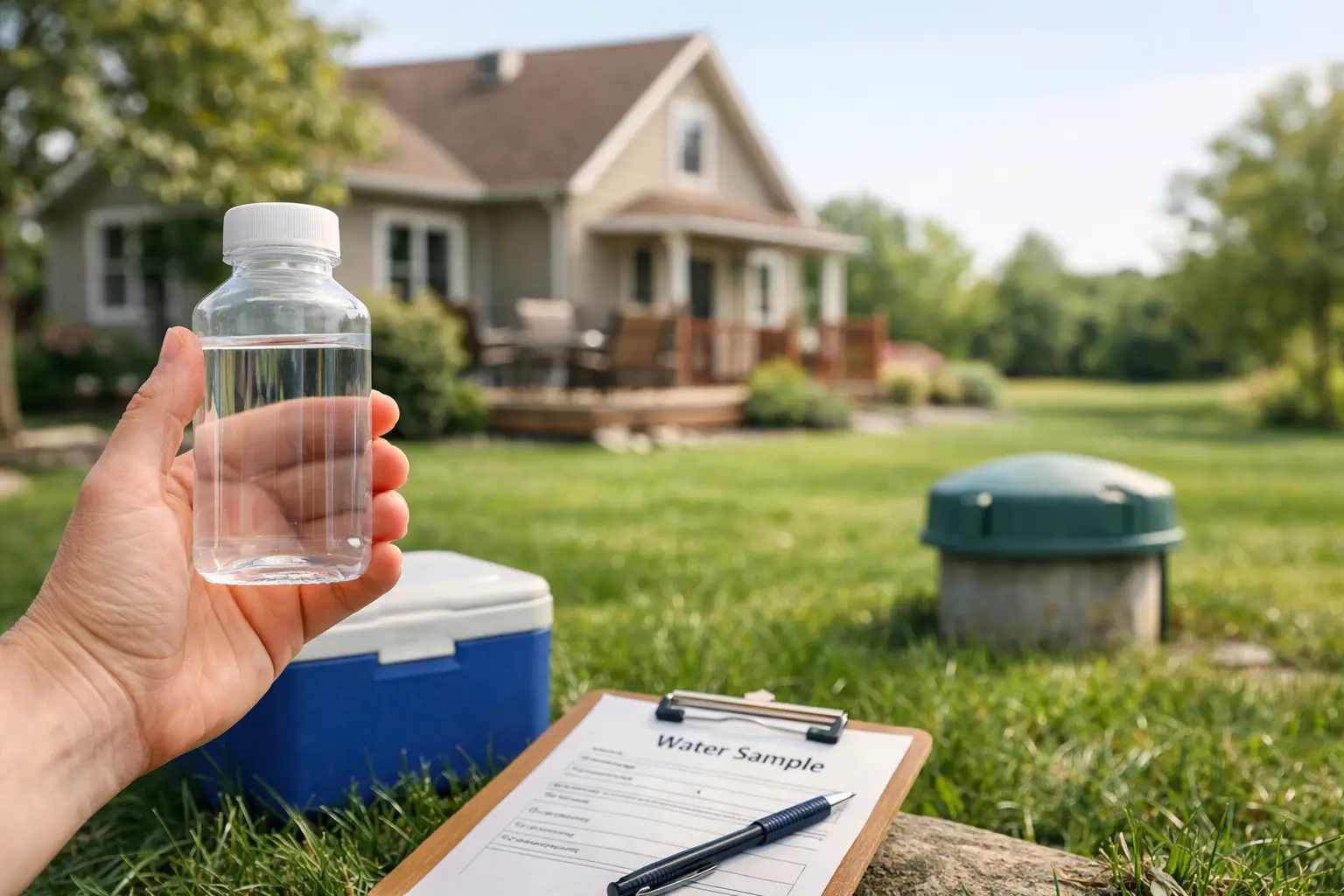
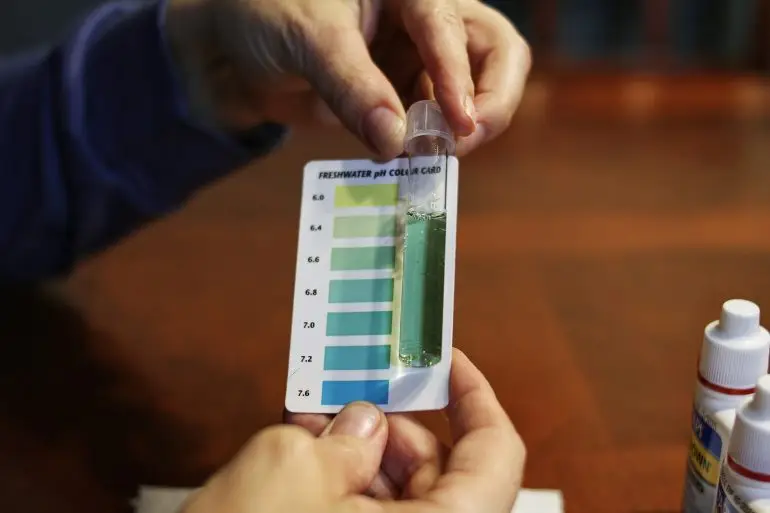
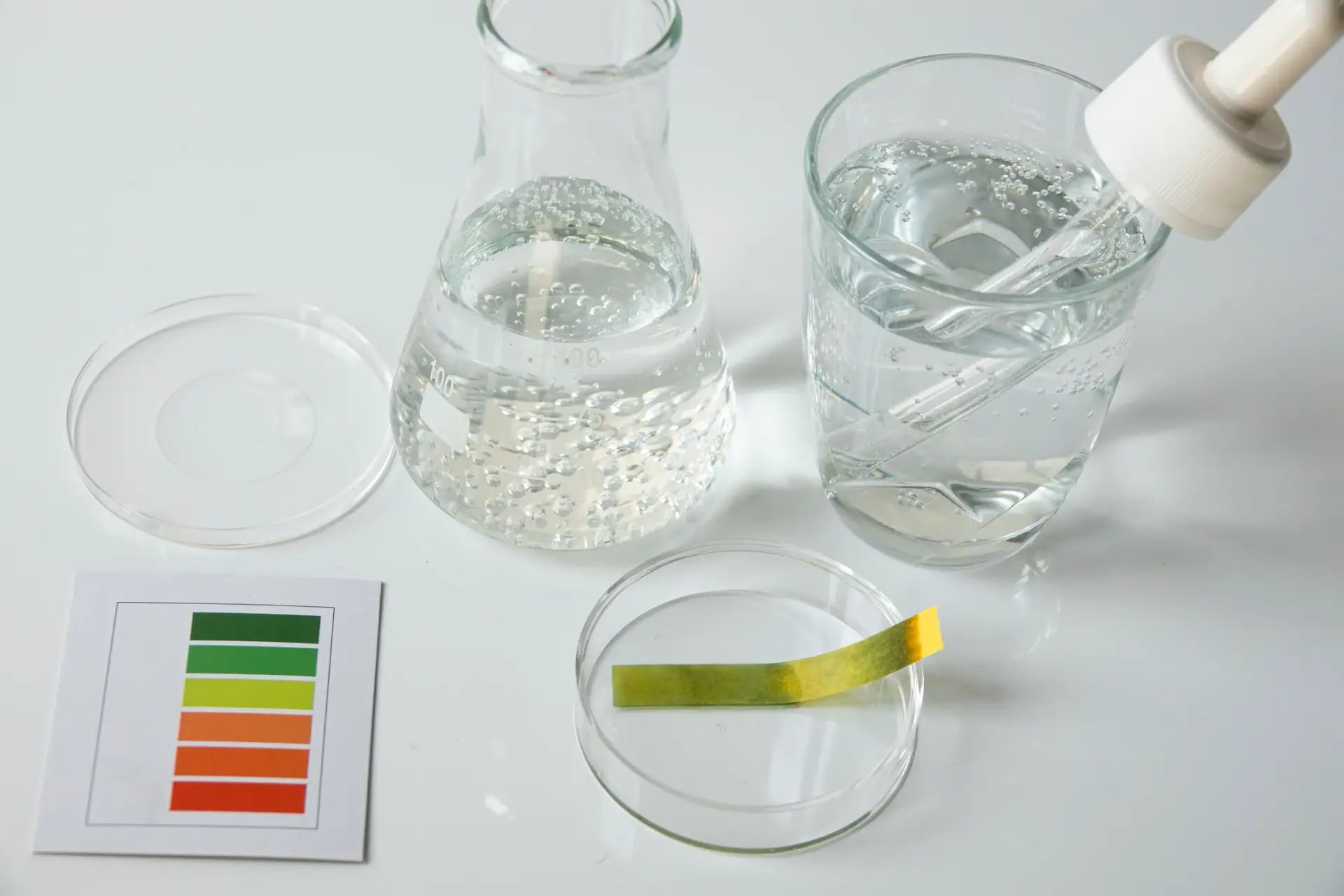
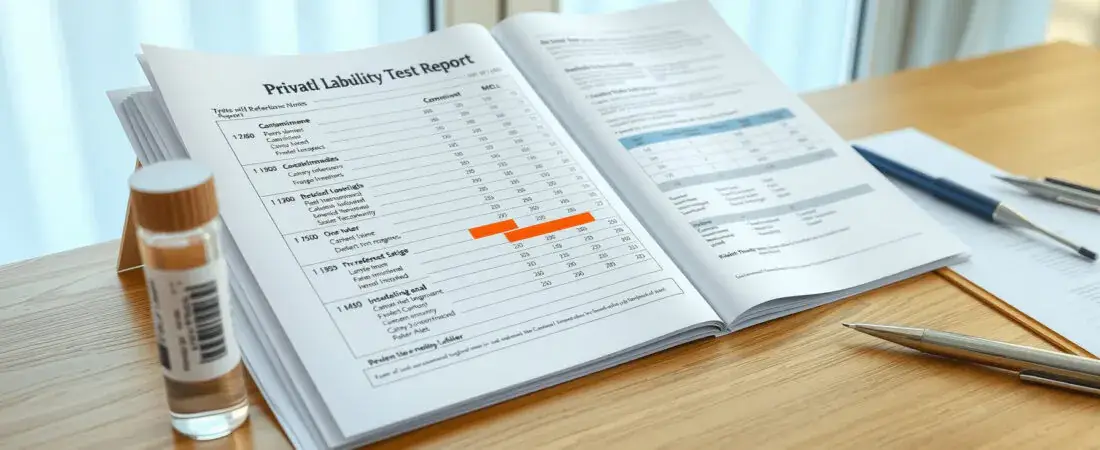
In the competitive 2026 real estate landscape of Queens, a “clean” home inspection is the ultimate goal for any buyer. For one young couple moving into a classic pre-war apartment in Sunnyside, the inspection had gone perfectly. The floors were level, the electrical was updated, and the windows were brand new. However, as they prepared to welcome their first child, they decided to go a step further and perform a comprehensive water quality audit.
Most homeowners focus their testing methods on the kitchen tap. This couple, however, requested a specific sample from the bathroom sink in the room designated as the nursery. What the laboratory discovered in the hot water sample from that sink was a wake-up call that has since become a cautionary tale for families across the borough.
The Hot Water Trap: Why the Nursery Was at Risk
We often tell our clients that New York City’s water is world-class at the source, but the “last mile” of plumbing is where the danger resides. In this Queens apartment, the cold water samples from the kitchen and bathroom were well within the 2026 regulations. But the hot water sample from the nursery sink told a different story: it contained lead levels nearly four times the state’s action limit.
The reason for this discrepancy is a fundamental rule of chemistry: heat accelerates corrosion. Hot water is significantly more aggressive than cold water; it dissolves metals from pipes and fixtures much faster. In older Queens buildings, where lead-based solder was common until 1986 and lead service lines still exist in many neighborhoods, the hot water system acts like a solvent, pulling lead out of the plumbing and into the stream.
A Hidden Exposure Point for Infants
The discovery was particularly alarming because the nursery bathroom was where the couple planned to bathe their newborn and, eventually, brush their toddler’s teeth. While we don’t typically drink from the bathroom sink, infants and young children are prone to swallowing water during bath time. Furthermore, many parents—unaware of the risks—might use warm tap water to quickly mix a bottle or warm up baby food.
In 2026, the health regulations have become even more stringent because we now know there is no truly “safe” level of lead for a developing brain. Even trace amounts can lead to lower IQs, behavioral issues, and developmental delays. This Queens buyer found that their “perfect” apartment had a hidden toxic source in the very room where their child would be most vulnerable.
The Culprit: Aging Fixtures and “Dead Legs”
When our team helped the couple with interpreting results, we looked for the source. It wasn’t the city’s water main, and it wasn’t even the building’s main riser. The lead was leaching from a combination of an old brass faucet in the nursery bathroom and a “dead leg” in the plumbing—a section of pipe that had been capped off during a previous renovation but still held stagnant, hot water.
Because the nursery bathroom hadn’t been used frequently by the previous owner, the hot water had sat in contact with lead-soldered joints for months. This stagnation, combined with the heat, created a concentrated “slug” of lead that came out the moment the faucet was turned on. This is why we emphasize the importance of testing every tap in our FAQ section—safety in the kitchen does not guarantee safety in the nursery.
Why Standard Filters Often Fail in This Scenario
The buyers had initially planned to rely on a simple pitcher filter for the nursery. However, after reviewing the laboratory results, they realized that a basic filter was not the right solution for their concerns. Most consumer filters are not designed for hot water use, and running hot water through a standard carbon filter can reduce its effectiveness, potentially affecting filtration performance. Queens school water testing specialists can help identify water quality concerns and provide the information needed to choose appropriate solutions.
This realization led the couple to negotiate a “Point of Entry” (POE) solution with the seller, ensuring that the water was treated the moment it entered the apartment, combined with a total replacement of the nursery’s aging brass fixtures. In the 2026 real estate market, this kind of data is a powerful tool for negotiation and, more importantly, for family safety.
Lessons for Every Queens Homeowner
This case highlights three critical takeaways for anyone living in or buying a home in NYC:
- Never Use Hot Tap Water for Consumption: This includes making tea, boiling pasta, or mixing formula. Always start with cold water and heat it on the stove or in a kettle.
- Test Every Tap: Contamination is often localized. A kitchen pass doesn’t mean a bathroom pass.
- The Nursery Matters Most: Because children absorb lead more efficiently than adults, the outlets they interact with most frequently should be your highest testing priority.
Conclusion: Data Over Assumptions
For this Queens buyer, the cost of a professional laboratory audit was the best investment they made in their new home. It allowed them to identify a significant health threat before their child was ever exposed. As we continue to track these issues on our blog, the message remains the same: you cannot see, smell, or taste lead, especially in the warm water of a nursery sink.
The most effective next step for any expectant parent or new homeowner is to move beyond the “standard” inspection. If you are moving into a pre-1990s building, the best path forward is to contact a specialist today to schedule a multi-point water audit. Don’t let your child’s first bath be in water that hasn’t been scientifically verified.
Lead in NYC Tap Water: Why Testing Is Critical This video explains why the aging infrastructure in New York City buildings makes water testing essential for families, directly addressing the hidden risks mentioned in the blog.