In the United States, water testing is guided by legal frameworks aimed at safeguarding public health. The Environmental Protection Agency (EPA) sets foundational standards. Yet, states can choose to enforce stricter drinking water standards.
This dual approach reflects local needs but also creates confusion. The discovery of new pollutants highlights the need for more stringent regulations. Infants and children are at higher risk, underscoring the urgency of this issue.
Key Takeaways
- EPA guidelines shape the nation’s water testing practices
- Some states set more protective limits than federal rules
- Older regulations may not address every new contaminant
- Different requirements can affect local water providers
- Public awareness supports demand for safer standards
Understanding the Role of the Environmental Protection Agency
The Environmental Protection Agency (EPA) sets guidelines to protect the nation’s water. It works with states to establish contaminant levels and address new threats. These policies are key to ensuring safe drinking water for the public.
Federal Mandates for Water Quality
EPA has a range of federal regulations to oversee water quality. These rules cover testing, reporting, and treatment standards. Local groups help ensure water systems meet these benchmarks, safeguarding communities from pollution.
The Safe Drinking Water Act in Practice
The Safe Drinking Water Act requires regular reviews and enforcement. It lists allowed water contaminants and ensures quality checks keep pace with science. Despite concerns, many cities aim to exceed these standards.
Here are some common contaminants and their sources:
| Contaminant | Source | Potential Impact |
| Lead | Old pipes | Neurological issues |
| E. coli | Agricultural runoff | Gastrointestinal illness |
State-Level Authority and Their Impact on Water Policy
State agencies play a critical role in shaping water policy across the nation. Some legislatures enforce stricter state regulations than federal guidelines, responding swiftly to emerging contaminants. The Environmental Working Group’s research shows that some pollutants are missed by basic standards. This leads local authorities to take bold steps.
Effective coordination between departments can enhance regional enforcement. Yet, funding constraints often hinder progress. The Environmental Protection Agency’s specialists highlight that oversight gaps can expose communities to contamination. This drives states to improve testing methods and anticipate risks.
“Safe drinking water should remain a priority for every community,” stated public health experts at the Centers for Disease Control and Prevention.
Officials depend on ongoing studies to refine their strategies. A detailed analysis in this research article discusses efforts to align testing goals. These efforts bolster public health while ensuring resource allocation and system maintenance are balanced.
- Collaboration with federal programs encourages consistent benchmarks.
- Infrastructure upgrades help meet modern safety goals.
Differences in Contaminant Thresholds
Different states set contaminant thresholds based on local hazards, adjusting safety levels. Some communities use guidelines beyond federal standards to safeguard public health. The Environmental Protection Agency offers numeric and narrative criteria. Yet, some places adopt stricter limits based on new data or advocacy efforts.
EWG advocates for health-based guidelines to minimize toxic effects from pollutants in water. Their standards often fall below federal limits due to new research. This highlights the gap between cost-focused policies and evidence-based goals for clean drinking water.
State agencies track pollutant limits tailored to diverse ecosystems. For example, the California State Water Resources Control Board requires frequent testing due to agricultural runoff or industrial waste. This shows a dedication to protecting vulnerable communities and ensuring consistent oversight.
Key Compliance Challenges for Municipalities
Upgrading water systems nationwide poses significant challenges. Cities face the hurdle of limited resources, seeking to meet high standards without overburdening budgets. The EPA highlights the ongoing costs of modernizing outdated facilities. The Environmental Working Group also notes resistance from industries facing increased cleanup expenses. Municipalities must find ways to manage daily operations while keeping costs in check.
Funding and Infrastructure
Municipal planners meticulously assess each project before moving forward. They understand the importance of investing in funding for water quality without overtaxing residents. Aging pipes lead to infrastructure challenges, reducing efficiency and increasing long-term risks. Despite this, federal grants and state-backed programs offer support, though delays often hinder swift upgrades.
Variations in Enforcement
Local regulations differ widely across states and regions. Enforcement can range from strict penalties to short-term fixes. Local water systems rely heavily on political will and public engagement. This influences enforcement, ensuring consistent oversight to protect communities from contamination.
Why Consistency Matters Across States
States often have their own guidelines for water purity, leading to uncertainty when comparing results. Uniform standards are essential to safeguard communities from harmful contaminants. They ensure that all regions adhere to a unified set of rules. Research by the Environmental Working Group indicates that federal limits might not fully protect all populations, such as households with young children.
Consistent thresholds are key to nationwide safety. They also facilitate better communication among government agencies and health professionals. Harmonized policies help bridge the gap between different enforcement practices, benefiting both urban and rural areas.
Public Health Considerations
Aligning water regulations reduces the risk of hidden contaminants for families. This leads to better long-term health outcomes and clarity on acceptable exposure levels. Targeted testing programs can be more effective, protecting vulnerable groups from severe illnesses.
Maintaining Consumer Trust
Diverse standards can erode consumer confidence. Public utilities require transparent rules that apply universally. Consistency reassures citizens that their tap water meets high cleanliness and safety standards, building trust in local services.
| Key Factor | Explanation | Outcome |
| Harmonized Policies | Sets shared quality targets | Promotes uniform standards |
| Stringent Testing | Adds emerging contaminants to screening | Bolsters consumer confidence |
| Clear Communication | Encourages transparent reporting | Supports nationwide safety |
The Role of Private Laboratories
Municipal water systems often rely on outside expertise to protect public health. Independent facilities, managed by organizations like Eurofins or SGS, conduct research that complements official assessments. The Environmental Protection Agency (EPA) urges verifying standards through approved labs, which helps confirm accurate results.
Third-party testing can reveal issues that slip past routine checks. The Environmental Working Group (EWG) has documented cases where extra scrutiny helped identify hidden pollutants. Private labs uphold strict analytical standards, relying on modern instruments to detect emerging chemicals or other overlooked threats. Their impartial findings can validate local reports or prompt stronger protective policies.
Homeowners, advocacy groups, and state agencies value these facilities for their transparent methods. Through clear reports and practical guidance, they strengthen community trust in local supplies. In many cases, private laboratories also recommend process improvements that enhance public safety, ensuring water remains clean and dependable over time.
Common Methods Used in Water Testing
Water analysis methods provide critical insights to protect our vital resources. Experts conduct sample testing in various environments to uncover hidden pollutants. They examine physical, chemical, and biological aspects to assess water quality. These methods adhere to EPA standards and data from organizations like the EWG, which monitor pollutants like atrazine and glyphosate.
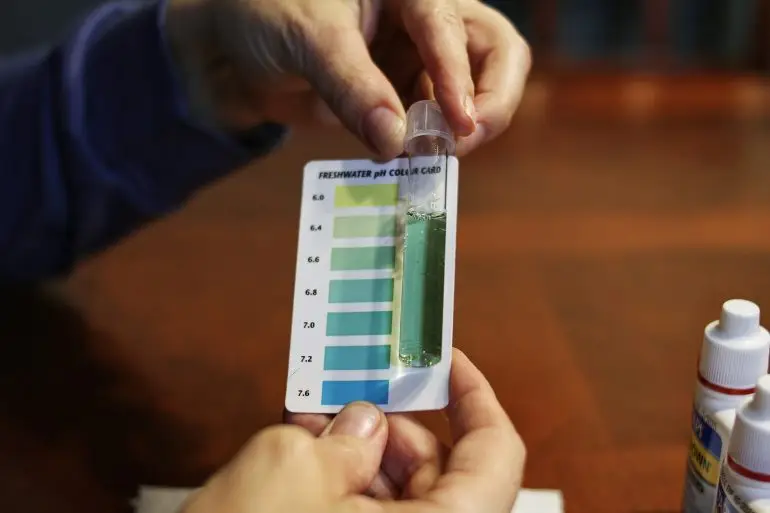
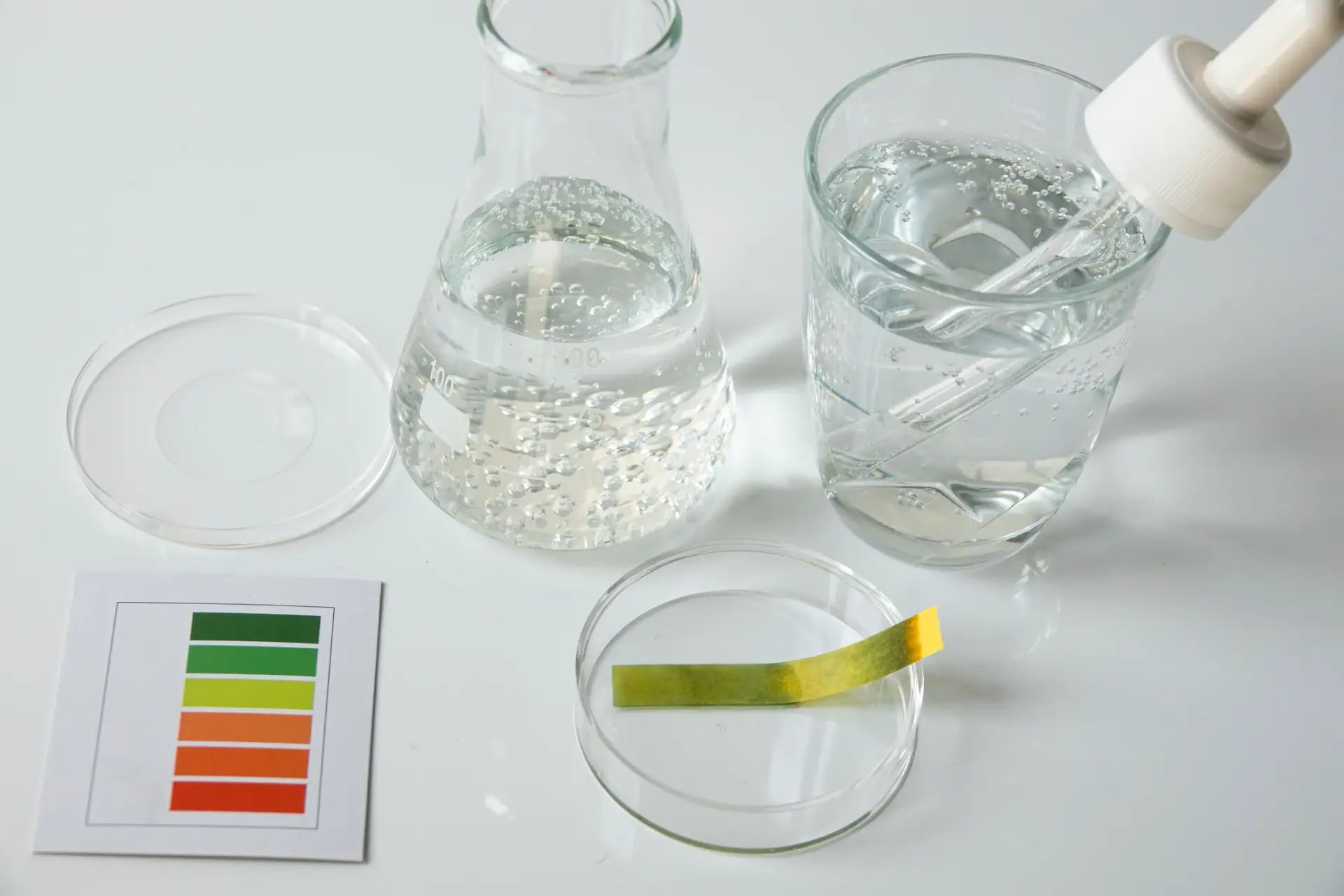
Physical testing methods assess clarity, color, and temperature. These visible signs often indicate the presence of suspended particles or organic matter. Basic tools measure turbidity and pH, providing immediate feedback for decision-making.
Chemical analysis focuses on detecting contaminants such as nitrate, heavy metals, and PFAS. Laboratories employ rigorous processes to ensure safety thresholds are met. The results of sample testing guide treatment strategies and track changing contamination patterns.
Biological testing emphasizes microbial detection to prevent health risks. Experts search for harmful bacteria, viruses, or parasites. Early detection is key to prompt responses and maintaining public confidence.
| Method | Key Targets | Outcome |
| Physical | Clarity, color, temperature | Identifies visible indicators |
| Chemical | Nitrate, atrazine, glyphosate | Measures contaminant levels |
| Biological | Bacteria, viruses, parasites | Pinpoints microbial risks |
Emerging Technologies Improving Accuracy
Advancements in technology now enable faster results for advanced water testing. Low-cost sensors can detect pollutants with remarkable speed and precision. This breakthrough holds great promise for cities aiming to provide clean, safe water supplies.
Real-time monitoring tools are being released, linking data directly to cloud platforms. Users can track water quality trends and receive alerts for sudden changes. Digital dashboards help identify problems early, reducing risks for communities.
The EPA may update water quality criteria based on these innovations. Scientists at the Environmental Working Group highlight the importance of ongoing research. New findings support quicker action, benefiting public health.
AI-powered testing kits are also gaining attention, analyzing patterns in large datasets. This approach provides deeper insights into contamination sources and their spread. Widespread adoption could lead to policy shifts, ensuring safer water nationwide.
When and Why to Test Your Home’s Water
Regular water testing offers families a sense of security. The Environmental Working Group (EWG) advocates for ongoing monitoring to detect changes in contaminants. The Environmental Protection Agency (EPA) also advises caution when noticing unusual tastes or smells. This proactive approach helps identify hidden dangers early on.
By staying vigilant, families can avoid unexpected surprises. This proactive stance is essential for maintaining their health and well-being.
Seasonal Factors
Weather changes can introduce new contaminants into water systems. Heavy rainfall or drought can stir up previously undetected elements. Monitoring seasonal concerns is critical to anticipate and prevent water-related hazards year-round.
For instance, warm months may see algae blooms in reservoirs. Timely water testing is essential to address these seasonal issues effectively.
Sudden Changes in Taste or Color
Unusual tastes and odors can signal deeper problems. Discoloration in water might indicate rusty pipes or high levels of harmful substances. Prompt home water testing after noticing these signs can identify the source quickly.
Experts recommend immediate testing if tap water tastes off. This approach helps protect health and saves time.
Understanding State-Level Reporting Requirements
State agencies overseeing drinking water follow the EPA’s compilation of regulations. Different regions manage unique testing intervals and compliance measures. Local officials consult guidelines from organizations such as the Environmental Working Group (EWG) to enhance direct communication with residents.
These reporting requirements vary based on population size and local realities. Timely updates include water quality results, contamination levels, and corrective actions. Clear details about hazards encourage trust among community members and help safeguard public health.
Periodic Testing Schedules
Some areas require monthly or quarterly examinations, while others conduct checks annually. Consistent evaluations lead to better water safety updates by identifying emerging risks and prompting swift intervention.
Public Notification Protocols
Officials release public notifications through consumer confidence reports or emergency advisories. Transparent sharing of test outcomes strengthens community engagement, raises awareness, and reduces exposure to unsafe contaminants. This approach reflects EWG’s emphasis on direct consumer awareness and fosters greater accountability.
Federal Guidelines for Public Water Systems
The Environmental Protection Agency establishes a foundation for testing and reporting, ensuring federal oversight is consistent. Many public water systems adhere to these national water quality standards. These standards dictate the frequency of sampling for contaminants like lead or pesticides.
Research by the Environmental Working Group suggests some standards might require updates. Yet, the Safe Drinking Water Act requires systems to publish consumer confidence reports. These reports detail detected contaminants, known risks, and treatment methods. This approach fosters greater public involvement in ensuring tap water safety across the country.
Frequency of Testing
Water providers collect samples at regular intervals, with some states exceeding federal guidelines. The testing schedule is influenced by factors such as population size and nearby contaminant sources.
Transparency with Consumers
Consumer confidence reports are key to building trust. These documents summarize findings and outline steps to address water safety issues. They also indicate the need for more stringent updates.
| Contaminant Type | Testing Interval | Oversight Agency |
| Heavy Metals | Every 6 months | EPA & State Health Departments |
| Microbiological | Monthly or Quarterly | EPA & Local Authorities |
| Organic Chemicals | Annually | EPA |
Navigating Local and National Regulations
Dealing with different rules in various areas can be quite a challenge. Some places have more relaxed standards, while others are stricter. This shows the importance of understanding the overlap in regulations before confusion arises.
Federal agencies offer guidance to help clear up any confusion. The Environmental Protection Agency has a tool that compares standards by state, territory, or tribe. This makes it easier to spot where there might be gaps. The Environmental Working Group also advises caution with contaminants without enforceable limits. They stress the importance of being aware to ensure national compliance.
Keeping up with updates is essential to avoid a patchwork system that could put communities at risk. Regularly reviewing new policies helps cities align their practices with broader guidelines. This reduces hidden dangers in water sources.
| Tools & Resources | Key Features | |
| EPA Search Tool | Compares standards across states | Identifies stricter or looser rules |
| EWG Advisories | Warns about non-enforceable contaminants | Offers consumer-focused recommendations |
Tips for Homeowners to Ensure Compliance
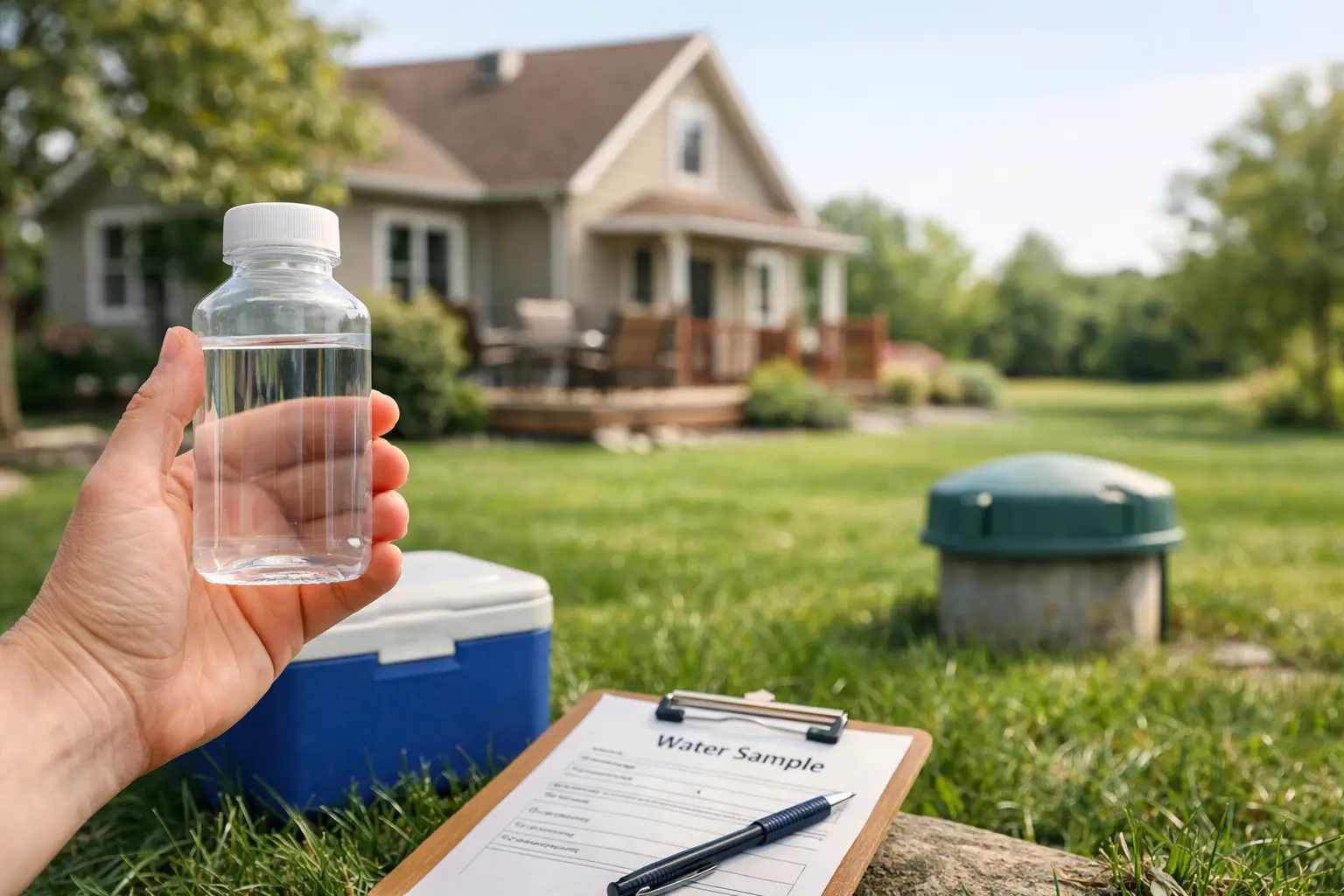
Homeowners keen on water safety often seek more than what municipal tests offer. Reputable domestic water test kits provide a direct way to assess water purity. They can identify contaminants like heavy metals and bacteria, giving a quick snapshot of water quality.
Choosing the Right Testing Kit
Choosing a certified brand is key. The EWG suggests opting for independent labs for do-it-yourself water testing. Kits must align with EPA standards for detecting harmful substances. Look for endorsements and check labels for accuracy. This ensures early detection of issues.
Interpreting Lab Results
Understanding water reports is easier with proper guidance. Each substance has a safety threshold. If levels exceed these, homeowners might need filters or professional help. EPA guidelines offer solutions for these problems. Grasping the results is essential for safe drinking water and peace of mind.
Long-Term Outlook for Water Quality Regulations
New guidelines aim to enhance safety, but climate shifts pose questions on water availability. Public groups highlight new chemicals that surpass old standards. The Environmental Protection Agency plans to update rules to combat modern water threats.
Climate Change Considerations
Extreme weather and flooding impact groundwater. Droughts concentrate pollutants, while storms spread them far. Groups like the Environmental Working Group advocate for a wider focus on pollutants to protect communities.
Technological Innovations
Advances in data collection are expected to revolutionize water safety. New tools will detect contaminants faster, and digital platforms will share data widely. These innovations align with a future policy that adapts swiftly and secures resources for the future.
| Trend | Possible Outcome |
| Expanding Contaminant Lists | Stricter monitoring for chemical and microbial hazards |
| Advanced Detection Tools | Real-time results alert public faster than older methods |
| Policy Shifts | Greater alignment with scientific findings and public health goals |
Achieving Nationwide Water Safety
Efforts to protect water must consider both local needs and national standards. The Environmental Protection Agency regularly updates its guidelines with new data. Public health groups highlight the need for stricter limits, urging for stronger measures.
Every effort, from community projects to agency initiatives, builds trust and protects lives. This collective action is essential for achieving nationwide water safety.
The Environmental Working Group advocates for stricter limits on emerging contaminants. They push for lawmakers and agencies to adopt more protective measures. Local leaders, research institutions, and citizens are key in promoting better testing and protecting vulnerable communities.
This collaboration supports ongoing vigilance and continued investment in advanced water treatment solutions. Meaningful progress happens when government agencies, industry partners, and communities work together to address evolving challenges. By using data-driven strategies and reliable testing methods, such as lead testing in Manhattan’s drinking water, stakeholders can better understand potential risks and help ensure safer water quality for communities across the United States.
FAQ
What is the key difference between state and federal water testing standards?
State and federal water testing standards differ in their scope and enforcement. The Environmental Protection Agency (EPA) sets minimum legal guidelines for contaminant limits. States can adopt these or set stricter thresholds to address local issues or emerging contaminants.
How does the EPA ensure water quality nationwide?
The EPA enforces mandates under laws like the Safe Drinking Water Act. It sets permissible contaminant levels and requires public water systems to monitor for pollutants. The agency also approves or disapproves state updates, ensuring states meet federal baselines.
Are states allowed to set more stringent water safety rules than federal requirements?
Yes. States can enact stricter standards if they believe additional protection is needed. This often occurs when new research indicates a contaminant poses a greater risk.
Why do contaminant thresholds vary from one state to another?
States adopt tighter guidelines based on local data or advocacy efforts. For example, a state with known pesticide runoff may set stricter limits. This creates a patchwork of regulations, with some states surpassing federal recommendations.
What challenges do municipalities face in meeting both federal and state standards?
Municipalities face challenges like costly infrastructure upgrades and limited budgets. These can reduce testing frequency and slow remediation. Political will and public awareness also impact enforcement, leading to inconsistent implementation.
Why is consistency across states important for public health?
Uniform thresholds ensure equal protection for all communities. Inconsistent regulations can lead to confusion and health inequities. Harmonized standards, considering vulnerable populations, offer a reliable safety net.
How do private laboratories contribute to water quality assessments?
Private laboratories use advanced techniques to detect emerging contaminants. They work with community organizations and state agencies to confirm results and highlight new concerns.
What are the common methods used to test water quality?
Professionals use physical, chemical, and biological assessments to gauge water safety. Physical tests check clarity and temperature. Chemical analyses detect contaminants, and biological tests detect pathogens. Monitoring PFAS levels and testing for harmful pathogens are common examples.
Which emerging technologies are improving water testing accuracy?
Innovations include real-time monitoring sensors and AI-linked platforms. Handheld test strips and portable labs provide faster results. These breakthroughs help authorities and consumers react quickly to contamination events.
When should homeowners consider testing their water?
Homeowners should test their water during seasonal events like heavy rainfall or flooding. Significant changes in taste, color, or odor also signal possible issues. Testing during these times ensures prompt identification of health risks.
How do states handle reporting requirements for water quality?
Reporting varies by jurisdiction, but most states require periodic testing and clear communication of findings. Public notification protocols include Consumer Confidence Reports or emergency advisories when contaminants exceed safe levels. Transparency builds community trust and enables informed public action.
What federal guidelines govern public water systems?
The Safe Drinking Water Act governs public systems. They must regularly test for specific contaminants and share the results. The EPA prescribes testing frequency and communication protocols. Some states increase testing intervals or screen for additional substances.
How can individuals stay informed about local and national water regulations?
The EPA provides tools and databases, such as online contaminant lists and regulatory updates. States maintain their own portals with localized data. The Environmental Working Group (EWG) publishes guides and maps, helping residents compare standards and identify gaps in regulation.
What steps can homeowners take to comply with recommended limits?
Homeowners can start by purchasing an at-home testing kit that meets EPA and EWG recommendations. Kits tailored to detect metals, bacteria, and chemical pollutants can help identify problems. If levels exceed safety thresholds, treatments like reverse osmosis filters or professional remediation may be necessary.
How might climate change affect future water quality regulations?
Climate change can increase contamination risks, demanding constant regulatory updates. Advances in sensor technology and lab instrumentation can help detect evolving threats. Advocacy groups push for faster policy revisions to reflect new scientific findings.
What is the ultimate goal for water safety across the United States?
The goal is to establish nationwide regulatory consistency using science-based thresholds. This aims to protect all citizens, with a focus on vulnerable groups. Through collaboration, the goal is a unified approach that swiftly addresses emerging contaminants and maintains consumer confidence in drinking water supplies.