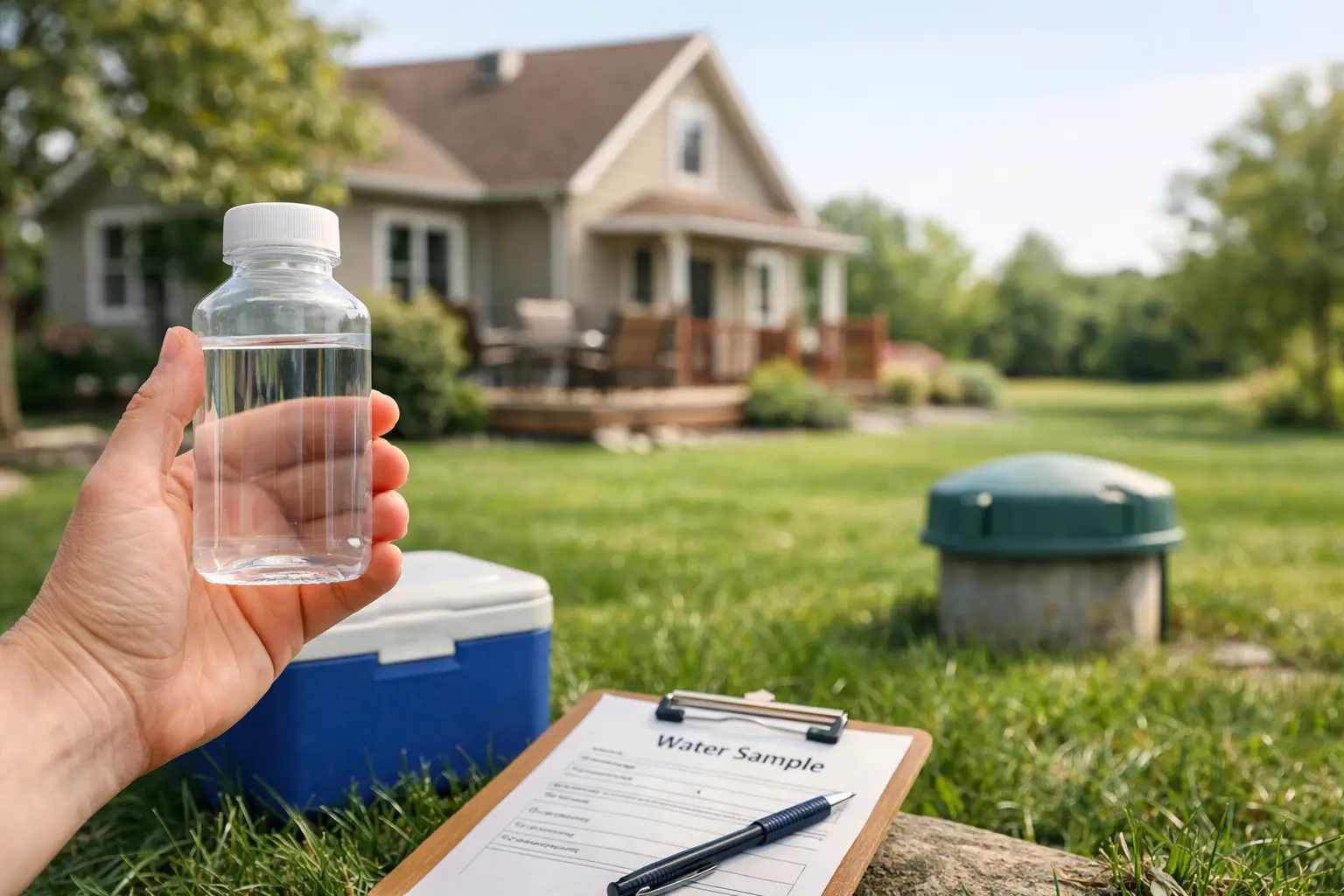
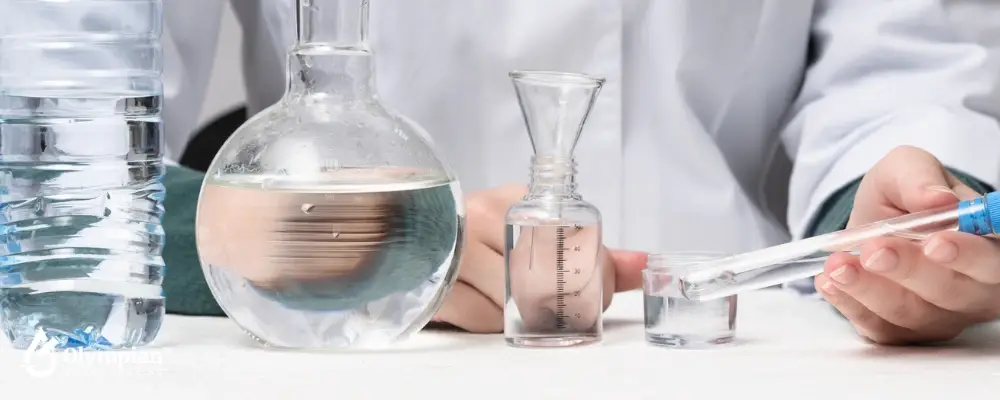
DIY water test kits seem appealing due to their affordability and ease of use. They promise a quick way to ensure the safety of our drinking water. Yet, they often fail to uncover hidden problems that can affect water quality. This oversight is similar to what happens in mold testing, where surface readings might not reflect deeper contamination.
For accurate water testing, professional tools and expertise are essential. Experts can identify subtle signs that DIY kits miss. Ensuring our water is safe requires a detailed analysis that goes beyond surface-level readings. It’s about understanding the true extent of contamination and what lies beneath.
Key Takeaways
- Scientific methods offer more precise water testing data.
- DIY water test kits can miss critical signs of danger.
- Safe drinking water may require deeper investigation.
- Environmental factors often affect at-home testing accuracy.
- Professional approaches provide a thorough analysis.
The Growing Reliance on DIY Kits
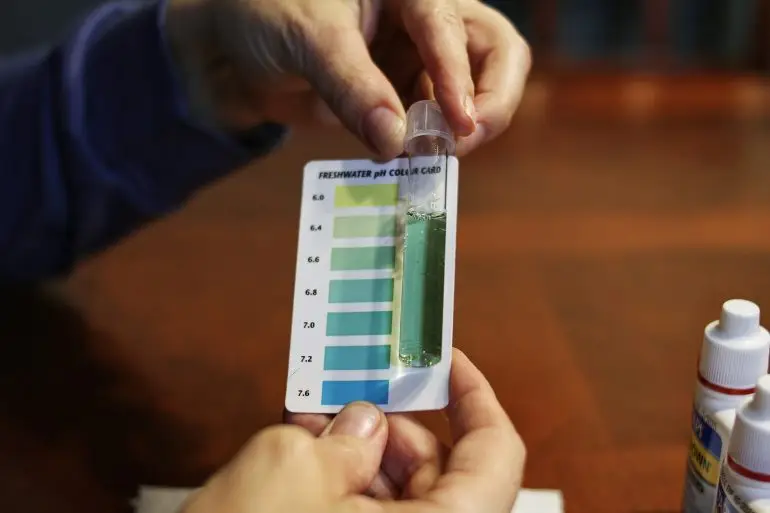
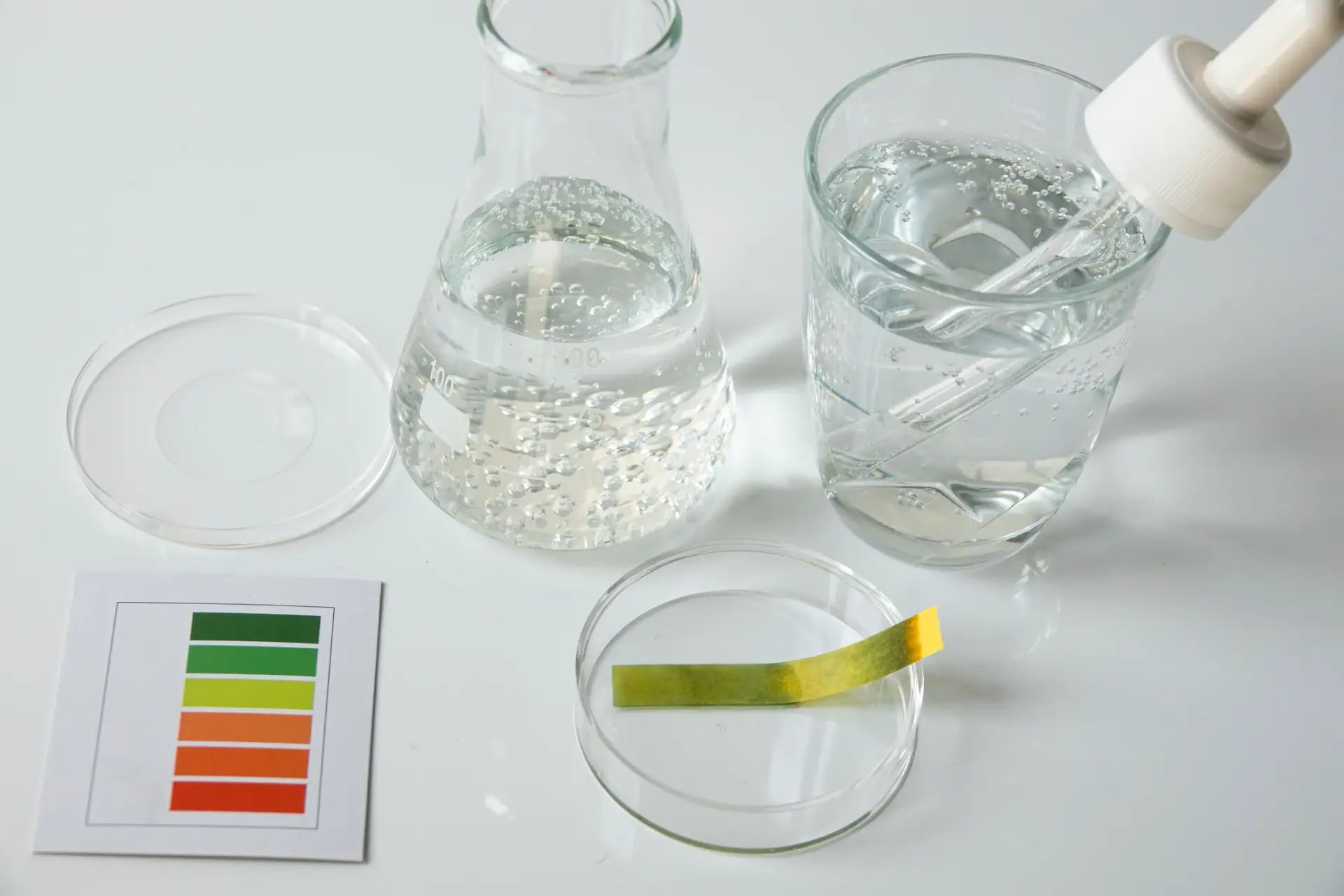
Homeowners are increasingly turning to do-it-yourself kits for quick water quality checks. These kits promise a simple way to assess tap water, with many relying on them for instant results. A color change or digital reading can offer a sense of security. Yet, these methods might miss critical details that affect contamination risks.
Major retailers emphasize the kits’ ease and affordability. Families find them appealing when they question water safety. These kits aim to mimic professional tests but might not capture seasonal changes or complex chemical interactions. This could lead to a lack of awareness about water quality.
Many people use these kits for routine water quality checks because they expect dependable information about their water supply. However, understanding contamination risks often requires more than what basic test strips can provide. Professional evaluations, such as Heavy metals testing for drinking water in Brooklyn, can offer more detailed insights and help identify potential concerns that may not be detected through simple screening methods.
| Common Appeals |
| — |
| Immediate results |
| Low cost |
| Easy to use |
| Might miss elusive compounds |
| Could ignore seasonal changes |
| Lacks thorough analysis |
Understanding the Basics of Home Water Quality
Tap water is essential for daily life, but its quality can vary. The taste, color, and smell can change due to the water source and infrastructure. Even small amounts of certain substances can impact drinking water safety. While some elements in tap water are beneficial in small amounts, high levels can be a concern.
Balancing awareness of these factors is key to making informed choices about your home environment. Simple checks can reveal issues, but understanding common elements is essential for deeper insight.
Common Factors Influencing Quality
Pipes, water heaters, and soil around your home affect water quality. Corrosion in old pipes can introduce metals, and homes near farms may face runoff contamination. Seasonal changes also impact the municipal water supply, altering mineral levels.
- Age of piping materials
- Local industrial discharges
- Nearby agricultural activities
Typical Pollutants Found in Tap Water
Some pollutants come from nature, while others are man-made. High levels of lead or copper, harmful bacteria, and synthetic chemicals are common. Identifying these substances and understanding their impact on drinking water safety is critical.
| Common Substance | Potential Issue |
| Lead | Possible impact on child development |
| Bacteria | Risk of digestive illness |
| Industrial Chemicals | Dangerous long-term health effects |
Potential Risks of Inaccurate At-Home Results
Mistakes with at-home kits can impact testing accuracy. People might get false negatives, allowing contaminated water to go undetected. This can lead to serious health issues over time.
Incorrect storage of test components or missing critical steps can lower accuracy. This increases the risk of false negatives or misleading positives. Without professional guidance, households may face growing drinking water risks before they even notice a problem.
This table highlights typical errors and their effects:
| Result Type | Outcome |
| False Negatives | Undetected hazards that threaten health |
| False Positives | Unnecessary purchases and stress |
| Improper Sample Handling | Distorted data, leading to risky assumptions |
Which Contaminants May Slip Through the Cracks
Experts in mold detection highlight that common home kits often miss hidden dangers. These include dead spores or underground colonies. In water, basic dye-based tools fail to reveal toxins, leaving families exposed to pollutants they cannot detect.
Invisible Chemical Compounds
Some testing strips miss substances that pose serious health risks. Invisible contaminants like nitrates or volatile organic compounds need specialized equipment. Homeowners might remain unaware of these hazards with a simple kit:
- Nitrates may slip past basic indicators.
- Volatile Organic Compounds can evade common tests.
Biological Hazards to Consider
Water often harbors bacteria and protozoa that go unnoticed with incomplete testing. An array of waterborne pathogens remains hidden if the process is not followed correctly. For a deeper understanding, readers can review understanding bacteria testing results. These organisms pose real risks for families relying on quick checks at the kitchen sink. Spotting a problem early helps prevent long-term effects and ensures safer drinking water.
The Marketing Hype Behind DIY Solutions
Manufacturers often promote these at-home water test kits as a fast remedy for anxious homeowners. This type of consumer marketing taps into fears of hidden contaminants and offers a soothing promise of instant clarity. Shoppers see glossy packaging that claims to reveal all the dangers in their tap water.
Some brands magnify worst-case scenarios to drive sales. People may feel they have found a complete answer, yet tests might overlook certain hazards. That gap feeds into a quick-fix myth, suggesting a single test can solve long-standing water quality challenges.
“Clean water is vital for public health and prosperity,” states the U.S. Environmental Protection Agency (EPA).
Retailers display DIY kits near popular household products or feature them in online ads for immediate results. The message sounds tempting. It is supported by simplified instructions that promise peace of mind in minutes. Yet deeper analysis of chemical, bacterial, and other risks often demands a more thorough approach.
- Fear-based marketing draws attention
- Promised simplicity minimizes true complexity
- Speed overshadows careful sampling practices
When Professional Laboratories Outperform Kits
Specialized facilities use advanced instruments and expert analysis. Their work goes beyond simple surface checks, much like mold investigations. Instead of basic strips, they employ spectrometry and precise culture methods. These methods help identify hidden issues in water samples.
Accuracy and Comprehensive Analysis
Trained technicians adhere to strict protocols, reducing errors. This professional lab testing accounts for unique chemical triggers that might be missed. Their detailed approach ensures a complete understanding of contaminants, boosting confidence in the results.
Ensuring Regulatory Compliance
Certified analysis is essential for meeting regional and national standards. Many centers use EPA guidelines to evaluate quality standards. This step ensures households meet official safety benchmarks, guiding effective filtration or remediation plans.
| Laboratory Technique | Key Benefit |
| Spectrometry | Identifies subtle chemical variations |
| Advanced Culture Methods | Reveals challenging microbial threats |
| Comparison to EPA Guidelines | Verifies water safety through recognized benchmarks |
Common Misinterpretations in DIY Readings
Simple visuals on a test kit can mislead those looking for quick answers. In some cases, faded color gradients appear subtle, yet homeowners may assume a drastic shift confirms major issues. This kind of test interpretation can spark unwarranted alarm or false reassurance.
User errors also crop up when timing instructions are ignored or when a water sample confusion occurs. Many individuals grab samples from taps that have been idle, which skews results. Mold testing kits offer a parallel example, where users often misread growth indicators without guidance from a reliable reference chart.
Careful observation and cross-referencing official sources, such as Environmental Protection Agency guidelines, help reduce mix-ups. Clear instructions and an understanding of each test’s sensitivity go a long way toward ensuring meaningful outcomes and greater peace of mind.
| Misinterpretation | Possible Cause | Suggested Action |
| Color shift assumed dangerous | Lack of baseline reference | Compare with validated charts |
| Test timing overlooked | Inconsistent observation | Set a precise timer |
| Sample source mishandled | Contaminated container | Use fresh, sterile collection tools |
Red Flags to Watch for in Home Test Instructions
DIY kits often promise quick results but overlook essential details. Users aiming to avoid common water testing mistakes follow minimal steps, missing key factors. Such instructions, claiming fast results without considering daily changes, can create a false sense of security.
Overly Simplistic Directions
Some kits for mold or bacteria require only placing a plate in one spot, ignoring environmental changes. Water testing kits might also suggest a single dip at a specific time. This approach might not uncover all contaminants. It’s here that the choice between DIY kits and professional advice becomes critical.
Warning Signs of Faulty Testing
Ambiguous language or disclaimers can confuse users about the test’s accuracy. Incomplete lists of contaminants should raise concerns, as many harmful substances go undetected. If a procedure doesn’t reference recognized methods or reputable agencies like the Environmental Protection Agency, it may not meet standards. Unclear results indicate a need for deeper expertise, highlighting the risks of DIY testing.
Hidden Costs Associated with DIY Kits
Homeowners often turn to water test kits from stores like Home Depot, feeling confident in their ability to handle the task. Yet, these DIY kits can create a false sense of security. They might not detect all contaminants, allowing them to grow and cause significant damage or health issues. Investing in professional testing can save you from the high costs of late-stage remediation and medical expenses.
Ignoring the need for professional mold detection can lead to similar problems. A cheap kit might miss deep infestations, turning a small issue into a major one. When the extent of the problem is revealed, the cost of repairs or structural work can skyrocket. This highlights how quick fixes can lead to long-term expenses that far exceed any initial savings.
“According to the Centers for Disease Control and Prevention, delayed detection of certain hazards can heighten the risk of health problems and increase repair costs over time.”
Those relying on basic kits might overlook hidden water threats. Making an informed decision requires thorough analysis and the right tools. This approach ensures safety without the unexpected financial burdens that can come with DIY solutions.
When It’s Best to Seek Expert Guidance
Some issues require deeper evaluations than what home kits can offer. High lead levels or signs of toxic chemicals need expert assessments, as basic tests may not suffice. Professionals use advanced tools to quickly identify threats, protecting homes from prolonged exposure. They also uncover issues related to aging pipes or industrial runoff.
Cases Requiring Advanced Testing
Older homes and areas near factories often hide contaminants. Advanced testing ensures each sample is thoroughly analyzed for hidden hazards. Laboratories keep up with legal standards to ensure accuracy. This detailed process catches subtle changes missed by simple kits, ensuring safety and legal compliance.
Impact of Local Regulations
Municipal agencies enforce strict rules to ensure safety. Local water regulations dictate when inspections are needed and what treatments are required. Property owners must meet these standards, which is also important for real estate transactions. These measures protect residents and uphold community standards where clean water is essential.
Environmental Factors That Affect Accuracy
Mold growth often escalates in humid periods. Water quality can fluctuate with increased rainfall or dry spells concentrating minerals in groundwater. It’s essential to check for seasonal variations when using at-home tests. A sample taken in winter may differ significantly from one collected in summer.
Minor shifts in water temperature can transform the balance of dissolved contaminants. Heavy rainfall might wash pollutants downstream, while extended heat waves sometimes increase bacterial growth. Timing a test after a storm could reveal different results than a test on a dry day, highlighting the need for repeated checks.
Awareness of changing environmental conditions helps clarify why at-home results may shift over time. Household usage patterns shape water flow and contact with underground layers. A test conducted during daylight hours might miss fluctuations that occur overnight. Consistent sampling builds a more accurate picture of water safety in most cases.
Tips for Verifying At-Home Test Outcomes
Reliable water analysis requires more than a simple dip test. Those seeking accurate results often look beyond a single reading. Seasonal changes or shifting municipal treatments can distort data. This necessitates a second opinion from an EPA-certified lab or a trusted expert.
Cross-Referencing Laboratory Analyses
Some labs offer detailed reports on chemical composition, bacteria, and toxins. Their findings can guide further testing, revealing threats missed by simple kits. This step helps alleviate concerns about harmful substances, fostering greater peace of mind.
Using Multiple Kits for Comparison
Choosing several reputable brands can uncover minor discrepancies. A multi-kit approach allows homeowners to identify inconsistencies and seek expert advice when readings vary. Diverse results suggest contamination patterns or measurement errors.
| Approach | Key Benefit |
| Professional Lab Consultation | Offers precise breakdowns and formal documentation |
| Comparing Multiple Kits | Highlights variations and possible sampling errors |
| Regular Observations | Detects season-based shifts in water quality |
Why Thorough Water Testing Matters
Ensuring a home is free from hidden threats often extends beyond visual checks. Contaminants can lurk in pipes or appliances, waiting to trigger health complications. Some families discover mold behind walls and learn how structural intrusions can compromise well-being. The same principle applies to water quality importance, where unseen hazards pose risks to public health. Missing an early sign might lead to persistent issues that burden households emotionally and financially.
Frequent checks and swift responses act as effective preventative measures. A detailed analysis can detect slight imbalances before they escalate into severe contamination. Resources such as the blog on safe and clean water highlight the positive impact of timely intervention. Testing results guide owners in choosing the right filtration upgrades or professional services. A thorough approach protects loved ones and preserves the integrity of a living space.
Potential advantages of consistent evaluations include:
- Lower risk of chemical or bacterial exposure
- Reduced household expenses for addressing large-scale damage
- Clear evidence for repair or replacement decisions
Real-Life Examples of Misleading DIY Results
Families often rely on quick test kits for clear answers. Yet, these results often miss hidden threats. This oversight can lead to unaddressed water hazards and overlooked contamination signs. Official reports from the Environmental Protection Agency show that incomplete data may encourage a false sense of calm.
Instances of False Security
Case studies show how a “clean” result can lead people to ignore discolored tap water or metallic tastes. Many homeowner experiences reveal that a test strip showed no alarming issue. Yet, thorough laboratory checks discovered concerning levels of lead. These outcomes highlight the danger of focusing on a single snapshot of water quality.
Potential Health Consequences
Slight stomach pain could be the first clue of a deeper issue. Continued exposure to contaminants might result in more severe problems. Lead and other metals have been linked to neurological disorders and kidney damage. When households rely on basic tests alone, they risk discovering problems only after symptoms emerge.
How to Best Protect Your Household
Water safety begins with identifying hidden threats before they escalate. Experts compare it to mold removal, where removing visible signs is just the start. It’s critical to stop future growth. A household that addresses minor issues promptly can avoid major problems later.
Keeping pipes and well structures in good condition is key to removing threats at their source. Seeking professional consultation provides deeper insights, alerting families to issues that simple kits might miss. A reliable home filtration system adds a layer of defense against contaminants. Regularly replacing filters and checking for clogs ensures water quality remains consistent.
Residents who focus on preventative measures lower the risk of harmful buildup that can harm health. Following routine checks recommended by organizations like the Environmental Protection Agency is essential. Yet, daily vigilance is also critical. A proactive approach protects the water that flows through your taps, ensuring the health of everyone who relies on it.
- Inspect pipes or wells to catch deterioration
- Optimize home filtration systems for local water sources
- Schedule a professional consultation for thorough testing
- Adopt preventative measures, including regular filter changes
Final Thoughts on Keeping Your Water Safe
Ensuring water safety is a critical task for every home. Kits that claim to quickly identify contaminants often overlook deeper issues. Professional water analysis offers a more thorough understanding of hidden threats.
Regular monitoring is key to catching quality changes early. This proactive approach aids in future-proofing and boosts peace of mind. Certified experts use advanced tools to identify specific problems and recommend tailored solutions for each home.
Many families find value in routine water evaluations. Even small errors in DIY tests can create a false sense of security. Professional assessments of water chemistry and hazards provide a clear path to better health and safety.
FAQ
Why can do-it-yourself water test kits be misleading for homeowners?
DIY water test kits often lack the advanced technology and rigorous sampling methods of professional labs. They might not detect hidden contaminants like VOCs or nitrates. This is because they don’t account for water flow changes or seasonal variations. As a result, they provide an incomplete view of water quality.
Are there common factors that affect the accuracy of these DIY water tests?
Yes, several factors can impact DIY test accuracy. Heavy rainfall can flush contaminants into water supplies. The timing and method of sample collection, along with storage conditions of the kit, can also skew results. Without professional oversight, it’s hard to manage these variables.
How do at-home kits compare to professional laboratory analyses?
Professional labs use advanced methods, specialized equipment, and strict protocols. They test for a wide range of pollutants, including lead, copper, and industrial chemicals. In contrast, DIY kits usually only provide a snapshot and may miss lower-level but harmful contaminants.
Which contaminants are more likely to slip through a standard test kit?
Many kits struggle to detect E. coli, Giardia, and other harmful bacteria and protozoa. They also often miss complex chemical pollutants like arsenic and some VOCs. This makes it essential to consider thorough testing when concerned about water quality.
Why do manufacturers emphasize quick results and convenience?
Companies highlight the ease of use of DIY kits to address homeowner concerns. While cost and speed are attractive, they can overshadow the need for a detailed assessment. This leads families to trust results that might not accurately reflect their water quality.
What are some red flags to watch for in at-home test instructions?
Simple instructions can indicate a lack of thoroughness in the test. Look out for disclaimers that mention vague accuracy or lack EPA standards. These are warning signs that the test might not be reliable.
Can a false negative really pose serious health risks?
Yes, it can. If a kit shows no contamination when there is, homeowners may drink unsafe water. This is similar to mold tests that miss hidden spores, giving a false sense of security.
How do seasonal or environmental changes affect at-home water testing?
Changes in temperature, rainfall, and municipal supplies can alter contaminant levels. A single test might not capture conditions later, like after heavy rainfall or during droughts.
What is the best way to verify the accuracy of DIY test outcomes?
Homeowners can send a second sample to a certified lab for detailed analysis. Another approach is to compare results from multiple reputable DIY kits. While not foolproof, these methods can help spot inconsistencies or missed contaminants.
When should a homeowner seek expert guidance instead of relying on DIY kits?
If a test shows critical issues like high lead levels or nitrates, seek professional help. Known local contamination events also warrant expert advice. In some places, regulations or real estate deals require certified lab results, making professional help essential.