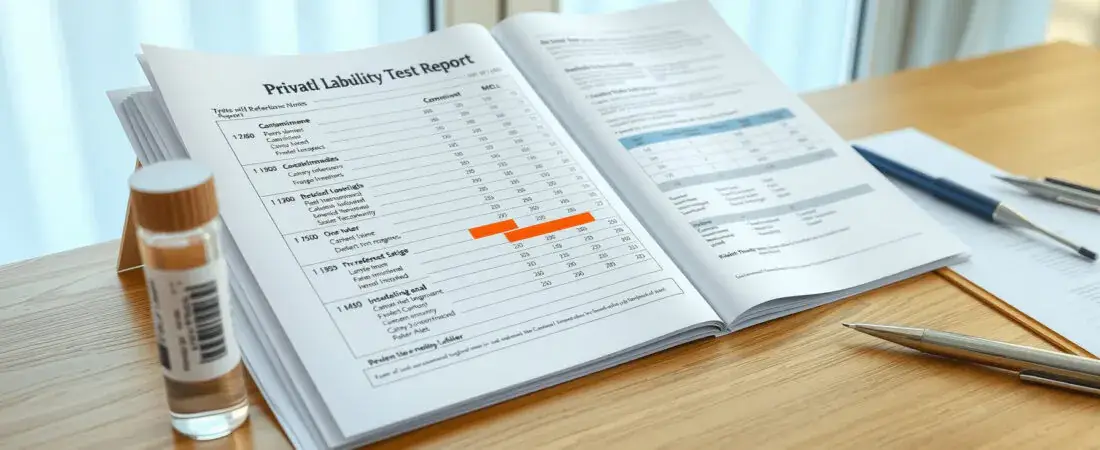
Understanding the numbers on your water report is essential. Lab results reveal the presence of metals, nitrates, and bacteria. These findings are often expressed in parts per million, parts per billion, or milligrams per liter. These metrics are critical for making decisions about water treatment in homes and public facilities.
They provide a snapshot of overall water quality and can indicate whether additional filtration, treatment, or disinfection may be necessary. Understanding ways to test water for lead in Brooklyn helps communities make informed decisions and better protect themselves from potential harmful substances in their water supply. By interpreting these results correctly, residents can take proactive steps toward maintaining cleaner and safer water.
Key Takeaways
- Water analysis focuses on measuring contaminants in understandable units.
- Lab results reflect metals, nitrates, and bacteria levels.
- Parts per million or parts per billion show concentration levels.
- Report numbers guide water treatment decisions for safety.
- Reliable data keeps communities informed about their drinking water.
Why Water Quality Analysis Matters for Public Health
For decades, the Safe Drinking Water Act has guided efforts to regulate contaminants in local water supplies. It mandates routine checks for harmful bacteria and chemical pollutants. These procedures protect communities and highlight the public health impact of consistent monitoring.
Water quality analysis is the cornerstone of drinking water safety. Specialists examine samples for pathogens and toxic substances. This identifies hazards that could harm families and older adults. The public health impact of careful oversight extends to schools and healthcare facilities, preventing illness and promoting a healthier environment. Reliable tests reduce contamination risks that might go unnoticed in everyday routines.
Key steps to preserve drinking water safety include:
- Requesting detailed lab results from official sources
- Installing filtration systems certified for local conditions
- Consulting experts for thorough maintenance checks
Common Indicators Found in Water Reports
Water quality is assessed through various indicators recognized by labs. These include clarity, total dissolved solids, and chemical balance. Such data helps users determine if contaminants exceed safe levels during regular checks.
What Testing Labs Look For
Labs focus on metals, pH levels, and microbial content. Their aim is to detect nitrates and harmful bacteria that could harm public health. Based on findings, experts suggest filters, disinfection, or further testing.
Interpreting Numerical Ranges
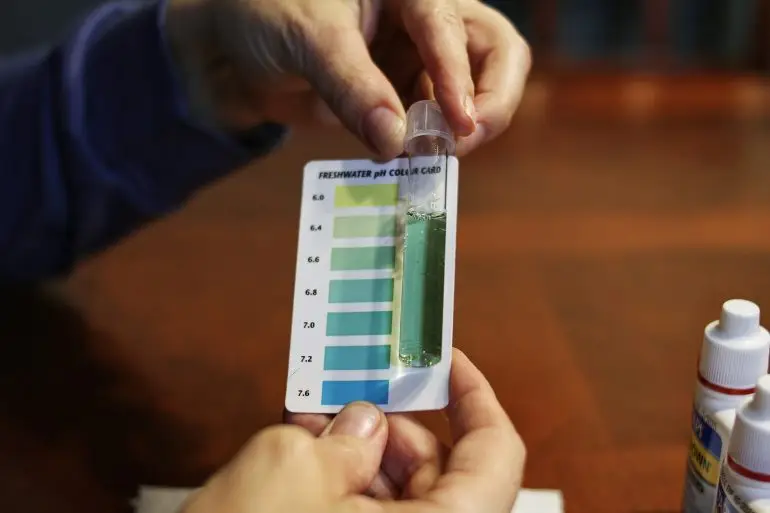
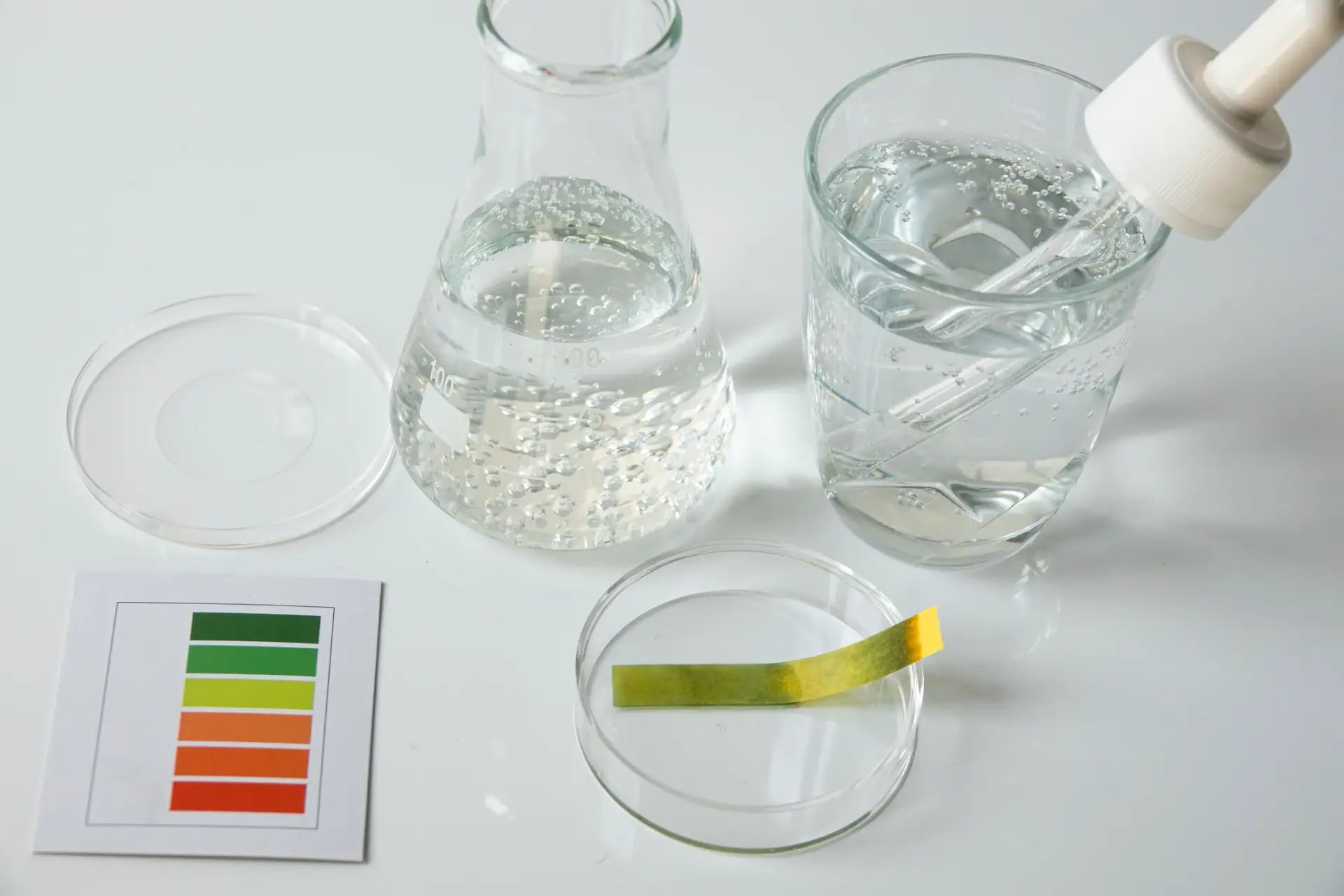
Understanding numerical ranges is key to knowing if substances are safe or not. Labs use color-coded charts or simple labels to show when levels are too high. This makes it easier to decide on treatment options. Reliable results often prompt families to install carbon systems or adjust chlorine levels.
General Water Quality Indicators help communities assess clarity, pH, and turbidity. Each metric guides immediate actions to prevent small issues from becoming big problems.
| General Water Quality Indicators (Table 2) Indicator | Typical Range |
| pH | 6.5 – 8.5 |
| Turbidity (NTU) | 0.1 – 5.0 |
| TDS (mg/L) | Up to 500 |
How Lab Results Shape Your Water Safety Strategies
Consumers often turn to test results to protect their family’s health. These reports reveal the presence of harmful substances like atrazine, benzene, or lead. Each has its own safety threshold. The Consumer Confidence Reports, mandated by law, provide transparency into water quality. Understanding these numbers can lead to decisions on water filtration and testing strategies.
Communities use Environmental Protection Agency (EPA) guidelines to set treatment goals and choose the right methods. More information on interpreting lab results helps target hidden issues effectively.
Decoding Chemical Contaminants
Identifying industrial solvents and pesticides helps assess exposure risks. Each contaminant requires specific handling due to varying toxicity levels. Concentration and duration of contact play significant roles.
Setting Safe Limits Based on Guidelines
Water managers use safety guidelines to establish acceptable pollutant levels. Clear targets ensure responsible oversight and prevent harmful buildup. Solutions include carbon filtration, reverse osmosis, or specialized treatments. These methods reduce chemical contaminants, ensuring safer drinking water.
Understanding pH and Its Role in Drinking Water
Water’s pH level, ranging from 6.5 to 8.5, significantly influences its taste and the durability of pipes. A pH balance is essential to prevent corrosive water that can damage plumbing systems. It also protects families from unpleasant metallic tastes in their drinking water.
A pH below 6.5 can lead to pipe corrosion and the leaching of metals. On the other hand, a pH above 8.5 might make the water feel slippery. Monitoring the pH of your water helps maintain an optimal range. This ensures the water quality remains consistent and free from harmful chemical changes.
| pH Value | Potential Impact |
| < 6.5 | Likely corrosive water, risk of metal leaching |
| 6.5 – 8.5 | Generally balanced taste and infrastructure safety |
| > 8.5 | Possible slippery sensation, scaling on fixtures |
The Significance of Total Dissolved Solids
Total dissolved solids are key in determining the taste and clarity of water. They reveal the presence of minerals, salts, and organic matter. This information is critical for understanding household water quality.
A balanced TDS range is essential for preventing scale buildup and off-tastes. TDS levels can fluctuate due to various factors like usage patterns and local conditions. Regular monitoring helps families maintain water quality at optimal levels.
Ideal TDS Levels for Household Use
A TDS limit of around 500 mg/l is often suggested. It ensures water tastes good and prevents appliance buildup. Home filtration systems aim to achieve or maintain this level for better water quality.
Consequences of High or Low TDS
High TDS levels can cause a metallic taste and residue on surfaces. On the other hand, very low levels might strip water of essential minerals, making it taste flat. Maintaining the right TDS levels is vital for a better drinking experience and daily water use.
Identifying Heavy Metals in Water
Many are now concerned about pollutants in their water. Test results often show heavy metals, posing risks if not addressed. These findings help homeowners make safer choices.
Experts stress the importance of monitoring lead and arsenic, harmful to children and pregnant women. Older plumbing can release lead, while certain crops can contaminate wells or municipal water with arsenic.
Lead, Arsenic, and Mercury
Lead, arsenic, and mercury are top pollutants, monitored by the Environmental Protection Agency. Mercury, from industrial waste, can build up in groundwater. Testing each is essential for accurate detection.
Reducing Exposure with Proper Filtration
Reverse osmosis and carbon filters are effective in reducing these pollutants. Installing the right systems can significantly lower health risks. Regular upkeep is key for consistent performance and a healthier drinking experience.
Bacterial and Microbial Concerns
Bacteria in drinking water can cause stomach problems and other health issues. Tests for coliform bacteria are strict to catch early signs of contamination. The standard for total coliform is less than 1 per 100 ml, a critical safety measure. If this standard is not met, it signals a high risk of pathogens, requiring swift action.
Human and animal waste often carry harmful bacteria. UV purification and chlorination can eliminate these threats. It’s also important to regularly inspect water storage systems for early signs of trouble. These steps help keep water safe in homes and public spaces, ensuring everyone’s well-being.
Here’s a quick look at some common bacteria:
| Bacteria Type | Probable Source | Potential Impact |
| Coliform group | Surface infiltration | Digestive upset |
| Salmonella | Animal fecal matter | Severe cramps |
| E. coli | Farm runoff | Intestinal infection |
Being informed about these issues helps create a safer environment for all. Regular testing is key to maintaining peace of mind.
Examining Chlorine and Chloramine Levels
Municipal water systems use chlorine residual and chloramine to control bacteria. The Environmental Protection Agency (EPA) sets maximum goals to prevent harmful pathogens. These disinfectants protect public health and minimize unpleasant tastes or odors.
Water reports often list key details about disinfection methods. Carbon filtration can reduce aftertaste without losing sanitization. It’s smart to review recent test results and seek professional advice for water treatment plans. Learning how to test for chlorine can help determine if levels are safe.
Chloramine is also a preferred choice for stable water treatment, ideal for long distribution routes. Achieving the right balance prevents microbial growth and limits harmful byproducts. Charts provide acceptable limits and recommended treatment steps, ensuring consistent quality.
| Disinfectant | Recommended Range (mg/L) | Preferred Disinfection Methods |
| Chlorine Residual | 0.2 – 2.0 | Carbon Filtration, UV Systems |
| Chloramine | Up to 4.0 | Pre-Filtration, Secondary Disinfection |
What Hardness Reveals about Your Water
Calcium and magnesium deposits can significantly affect a home’s plumbing systems. Hardness levels vary from soft to very hard, measured in grains per gallon (Source: First source). These deposits can lead to reduced efficiency in household appliances due to mineral buildup.
This issue is commonly referred to as water hardness. It can reduce soap lathering and cause spots on dishes. It also affects taste in certain areas and leads to visible buildup on faucets and showerheads.
Distinctions between Temporary and Permanent Hardness
Temporary hardness comes from bicarbonates that evaporate when boiled. Permanent hardness, on the other hand, is caused by chlorides and sulfates. Both types can lead to scale buildup in pipes.
Softening Techniques and Their Effectiveness
Various methods exist, including ion exchange, reverse osmosis, and salt-free conditioners. Each method has its advantages, but water softening requires ongoing maintenance. Regularly checking hardness levels ensures comfortable bathing and smooth household operations.
Regular testing provides detailed insights into mineral content and water quality. Users can then adjust their treatment plans based on these readings.
How to Spot Volatile Organic Compounds
Volatile organic compounds can sneak into our water through unexpected means. We might notice odd smells or slight color changes in our water. These signs suggest it’s time to examine the test results more closely. They indicate the need for targeted filtration.
Common Sources of VOCs
Chemical solvents in paint products, like those from Sherwin-Williams, are VOC sources. Industrial runoff also contributes to these pollutants. Benzene, often from oil spills or factory leaks, requires constant monitoring. Home maintenance activities can also release harmful chemicals into the environment if not disposed of properly.
Health Implications of Long-Term Exposure
Long-term exposure to volatile organic compounds can lead to respiratory problems or more severe health issues. To combat this, advanced carbon filtration, aeration, or reverse osmosis treatments are effective. Regular testing and making informed choices are key to maintaining water quality and promoting health.
| VOCs | Possible Origin | Removal Method |
| Benzene | Oil spills, industrial leaks | Granular activated carbon |
| Toluene | Paint thinners, adhesives | Aeration systems |
| Trichloroethylene | Metal degreasers, factory discharge | Reverse osmosis |
Interpreting Turbidity for Clarity and Purity
Turbidity measures the cloudiness of water due to suspended particles. Experts use Nephelometric Turbidity Units (NTU) to assess these levels. Readings under 5 NTU are generally acceptable for household water. Higher levels indicate more sediment, affecting clarity and potentially contaminating the water.
High turbidity prompts the need for sediment removal to enhance water purity. Filtration systems employ various materials like sand, charcoal, or membranes to capture particles. Advanced treatments offer additional security. It’s essential to consider all aspects of a water report, as clarity alone does not guarantee safety against harmful substances.
Understanding turbidity levels is key to identifying issues that could impact taste or safety. High turbidity can conceal pathogens, making them resistant to disinfection and increasing health risks. Regular testing is vital for maintaining water clarity and ensuring its safety.
The Role of Alkalinity in Water Stability
Consistent water alkalinity ensures a steady pH across many household taps. It acts as a protective shield, preventing sudden pH changes. Consumers who monitor these indicators experience fewer plumbing issues and a smoother taste.
A strong buffering capacity comes from dissolved minerals in rock formations. High levels can impart a pungent flavor, while low levels may increase corrosion risks. Lab reports help identify the perfect alkalinity balance for daily use.
Sources of Alkalinity
Many water supplies get their alkalinity from carbonate, bicarbonate, and hydroxide minerals. Groundwater often passes through limestone deposits, a common source. Municipal facilities test these inputs to avoid harmful pH swings.
Balancing Alkalinity for Optimal Taste
Adjusting alkalinity levels often requires targeted treatments. Lime softening or mild acid injections can correct bitter or corrosive tastes. Keeping levels moderate protects taste and plumbing components. Many households make these adjustments to ensure stable conditions in their pipes and faucets.
Comparing Municipal Versus Well Water Reports
Many communities rely on municipal water for their daily needs. Americans use over 170,000 public water systems, overseen by agencies that enforce strict guidelines. These systems must publish detailed reports on contaminants and health indicators. These reports include vital safety standards, helping families assess water quality.
Private well owners have different responsibilities. Unlike public systems, they are not required to test regularly. They must arrange for independent testing to detect any concerns. The main difference in water reports lies in the risks faced by private wells. Risks from agricultural runoff or industrial activities near wells require constant vigilance and testing. Owners who understand both municipal and well water can make informed decisions about testing and filtration.
- Frequency of Testing: Public systems test at set intervals while well owners schedule independent checks.
- Oversight and Guidelines: Municipal water falls under federal and state rules, but private wells depend on personal stewardship.
- Local Factors: Runoff or localized pollution can alter water report differences for both sources.
Tips on Choosing a Water Testing Kit
When households seek clarity on water quality, picking the right approach is key. Some users may opt for immediate checks, and others rely on more rigorous data. Budget, specific concerns, and local regulations guide this decision.
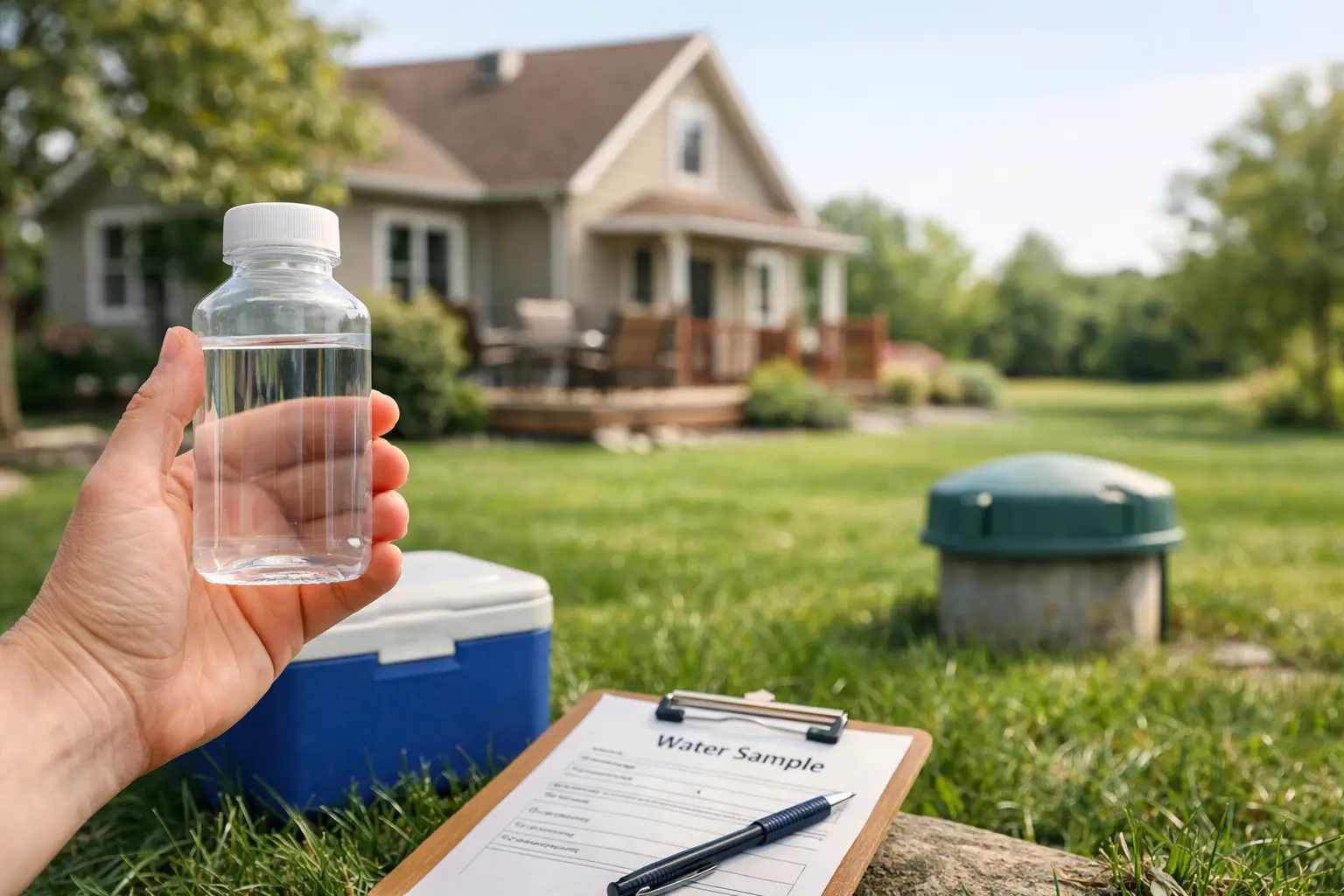
Many individuals choose home water test kits or DIY water tests for rapid insights. These kits often detect pH, hardness, and selected chemicals. Store-bought strips or handheld meters provide a direct reading. In most cases, results arrive quickly and help users track basic parameters.
For deeper analysis, professional lab results offer the highest level of detail. Labs measure contaminants in parts per million (ppm) or parts per billion (ppb), revealing lead, arsenic, or coliform levels with precision. A certified lab report carries more weight in property disputes or regulatory matters.
| Method | Results Detail | Typical Parameters |
| Basic check package | Basic indicators | pH, chlorine, hardness |
| Multi-parameter kit | Moderate scope | Metals, nitrates |
| Certified lab analysis | Comprehensive data | Heavy metals, bacteria |
Staying Updated with Evolving Water Quality Standards
Periodic updates to the Safe Drinking Water Act adjust limits for various contaminants (Source: Second source). These changes reflect new scientific findings and aim to protect us from emerging threats. Scientists and regulators work tirelessly to keep water quality standards up to date. Local authorities also provide fresh information in their annual reports.
It’s wise to read those publications or visit official websites when questions about evolving regulations arise. This ensures we stay informed and compliant with the latest standards.
Staying informed about legal compliance is essential for maintaining safe water supplies. Many people review public announcements or watch for environmental alerts. These alerts highlight any newly discovered risks.
Health experts often discuss updates in local forums or community gatherings. This shared insight promotes vigilance and supports efforts to keep drinking water safe. Proactive habits not only protect our health but also boost confidence in the quality of our tap water.
Taking the Next Step Toward Healthy Hydration
Lab insights underscore the significance of healthy hydration and the role of water filters in safeguarding our homes. Many individuals uncover hidden issues in their water supply, leading them to seek high-quality whole house filtration. Brands like Brita and Aquasana offer solutions that reduce contaminants, enhance clarity, and improve taste.
City services ensure public water safety, yet residues can remain in pipes. This situation prompts individuals to take action. By selecting the right filter or upgrading fixtures, families can feel secure about the water they drink. For smaller households, Brita pitchers might suffice, while larger families may opt for Aquasana or Culligan systems. Making informed choices contributes to better health today and in the future. Each step towards purer water reduces risks and emphasizes the importance of healthy hydration.
FAQ
How can someone interpret the numbers on a water report?
Look at the concentration of each contaminant, usually in parts per million (ppm) or parts per billion (ppb). Compare these figures with EPA recommended thresholds. This helps decide if a substance is safe or if it’s a concern.
Why does public health rely so heavily on water quality analysis?
Public health officials use water quality data to reduce exposure to harmful contaminants. The Safe Drinking Water Act sets limits and requires regular testing. This protects vulnerable populations.
What are the most common indicators labs measure?
Labs test for pH, turbidity, total dissolved solids (TDS), and various chemicals or metals. These tests show the water’s balance, clarity, and contamination levels. They help understand the safety of the supply.
Why do labs highlight certain numerical ranges in their reports?
Lab reports use reference ranges to indicate if a contaminant level is safe or not. Highlighting problem areas helps users quickly identify concerns needing attention.
What is the importance of pH in drinking water?
pH affects taste, pipe corrosion, and treatment effectiveness. Extreme pH levels can cause corrosion and metallic tastes. Balancing pH is key for water quality and infrastructure.
How do total dissolved solids (TDS) impact water usage?
TDS measures dissolved minerals and salts. High TDS can cause scale buildup and affect taste. Low TDS may result in flat-tasting water. Monitoring TDS helps choose the right treatment.
Are heavy metals like lead, arsenic, and mercury common concerns?
Yes, they are, due to older plumbing or industrial runoff. Lead is a risk for pregnant women and children. Arsenic comes from agricultural leaching, and mercury from industrial disposal. Proper filtration can significantly reduce these contaminants.
What does it mean if coliform bacteria are detected?
Coliform presence suggests contamination from sewage or animal waste. It indicates a risk for pathogens. Treatments like UV disinfection or chlorination can eliminate these microbes.
Why do some municipal supplies use chlorine or chloramine?
These disinfectants control microbiological growth. Measuring their levels ensures water safety. Activated carbon filters can reduce any residual chlorine or chloramine for those sensitive to taste or odor.
How does water hardness affect appliances and plumbing?
Hard water causes scale buildup in pipes and appliances. This reduces energy efficiency and increases maintenance costs. Softening methods, like ion exchange systems, alleviate these issues, but each has its pros and cons.
What are volatile organic compounds (VOCs), and why are they important?
VOCs come from industrial sources, household chemicals, or improper disposal. They can cause health problems. Using advanced carbon filters, aeration systems, or reverse osmosis units can lower VOC concentrations.
How does turbidity affect water quality?
Turbidity is cloudiness from suspended particles. High turbidity indicates contamination and may hinder disinfection. Filtration removes sediment, improving clarity and reducing bacterial growth.
Why is alkalinity measured and how does it relate to pH?
Alkalinity buffers against pH changes. Too high, the water tastes bitter; too low, it corrodes pipes. Adjusting alkalinity preserves taste and infrastructure by maintaining pH balance.
Do private well owners follow the same standards as municipal supplies?
No, private wells are not regulated by the same guidelines. Owners must test regularly for contaminants like pesticides and heavy metals. Vigilance ensures safe, clean water for well users.
Should consumers use at-home test kits or professional lab services?
It depends on needs. DIY kits measure parameters like chlorine and pH, but labs provide detailed, precise data. Those with specific concerns, like high lead levels, often benefit from lab analysis.
Why do standards for water contaminants change over time?
Standards evolve with new research. Agencies like the EPA update levels or introduce new guidelines, such as for PFAS. Staying updated ensures informed decisions about water safety.
What actions can individuals take after reviewing lab results?
They can choose a filtration system, upgrade plumbing, or advocate for stricter treatment. Taking personal responsibility, like installing filters or regular testing, ensures effective water quality management.