Certified water testing labs adhere to approved methods, prioritizing drinking water safety. They detect contaminants that could harm health, employing advanced tools for detailed analysis.
The US Environmental Protection Agency establishes and enforces strict requirements for water testing laboratories to help ensure accurate results and reliable monitoring. These standards support water suppliers in meeting federal safety guidelines and protecting communities from potentially harmful contaminants. Manhattan home water testing specialists can provide additional insights into individual property water quality and help identify concerns beyond system-level monitoring.
Key Takeaways
- Reliable labs use documented procedures to verify results.
- Regulatory oversight supports a safer water supply.
- Advanced equipment pinpoints a wide range of contaminants.
- Accredited methods uphold public confidence in local water.
- Consistent testing prevents possible health issues.
Importance of Safe Drinking Water
Safe drinking water is essential for building strong communities. It meets our daily hydration needs and protects us from hidden dangers in our water. Clean water promotes wellness and gives us a sense of security.
Potential Health Risks
Contaminants can enter water through old pipes or industrial spills. These include microbes, heavy metals, and chemicals. They can cause health issues like gastrointestinal problems and developmental delays. Regular checks by accredited labs help find and reduce these risks.
Regulatory Guidelines
The EPA sets national standards for water quality. These standards require labs to test for harmful substances. Labs must follow these rules to provide accurate results. This ensures water is safe for everyone.
States also have their own rules to follow. This creates a consistent system for water suppliers. Regular testing and clear reports help solve problems fast.
| Agency | Primary Responsibility |
| EPA | Nationwide regulation of contaminants |
| Local Health Departments | Regional enforcement and quality monitoring |
Certification Requirements for Testing Laboratories
Certification demands rigorous procedures that ensure public trust. The US EPA promotes best practices for both chemical and microbiological water testing. This ensures consistent results. Trained analysts regularly upgrade their techniques, maintaining a high level of accountability.
Standards for Laboratory Personnel
Lab employees are expected to hold relevant credentials and pass aptitude tests. These tests confirm they can handle complex methods. Continuing education is essential, supporting accurate tracking of trace metals or pathogens.
Facility and Equipment Compliance
Rooms must be organized to limit cross-contamination. Strict calibration schedules and specialized instruments help preserve measurement reliability in every sample.
| Requirement | Purpose |
| Personnel Training | Bolster expertise and ensure precise techniques |
| Clean Layout | Minimize contamination risks |
| Equipment Calibration | Maintain accurate readings |
| Ongoing Audits | Promote consistent compliance |
Techniques Used in Collecting Water Samples
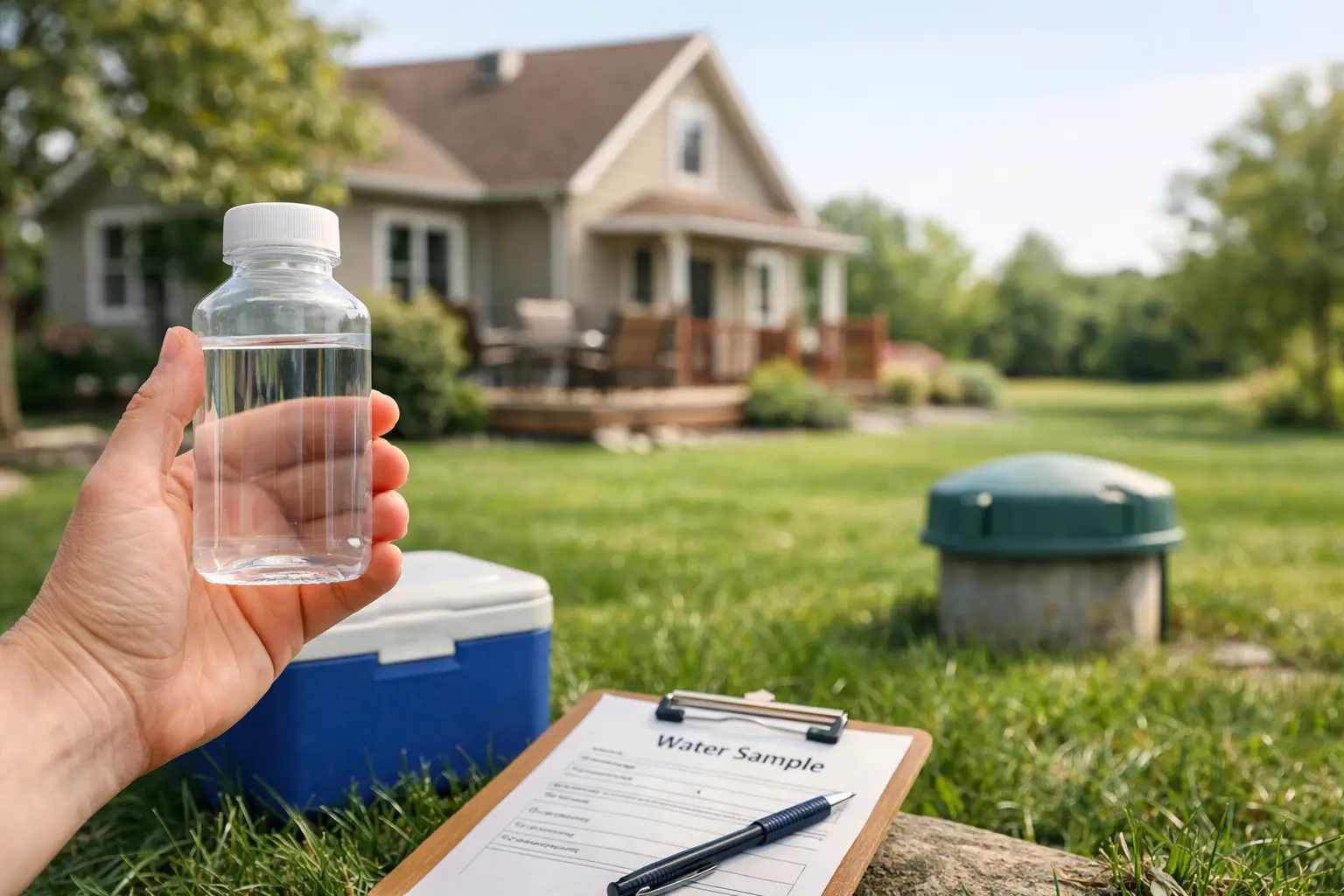
Collecting representative water specimens is a critical step for reliable analyses. Field teams follow guidelines from the Environmental Protection Agency (EPA) and the American Water Works Association (AWWA). These guidelines help gather samples that accurately reflect actual conditions. Sterile containers prevent outside pollutants, and proper labeling ensures traceability.
This meticulous approach supports the accuracy of water testing methods. It also builds trust in the final data.
Technicians flush taps for a set duration to remove stagnant fluid. They handle each container with fresh gloves to avoid cross-contamination. Temperatures and transport times affect chemical and microbiological stability. Chilled storage is a priority to maintain sample integrity.
Reliable water testing methods require swift delivery to the lab. This ensures each sample’s original state is preserved, preventing errors in subsequent analysis.
Role of Accreditation Bodies
Accreditation bodies set strict standards for evaluating drinking water. They work with the Environmental Protection Agency to establish guidelines. These guidelines ensure testing protocols are clear and consistent. This ensures that all labs follow the same criteria, preventing uneven results or overlooked threats.
Ensuring Consistency
Quality checks and on-site evaluations create a level playing field. Recurrent audits assess staff expertise, equipment maintenance, and procedures. These reviews confirm that labs adhere to core requirements, regardless of location or testing scope.
Maintaining Testing Accuracy
Ongoing reviews by recognized agencies keep labs transparent. This method identifies any deviation from established benchmarks. It reduces the chance of unreliable findings, strengthening confidence in certified labs. This fosters a dependable system that benefits public health and environmental safety.
The Significance of Water Analysis in Public Health
Clean water is essential for every community’s health and stability. The EPA emphasizes the need for early detection to prevent widespread hazards in shared water systems. This focus on contamination control is a powerful tool for ensuring drinking water safety in homes, schools, and hospitals. Regular checks identify issues before they impact large populations, keeping residents confident in their water supply.
Spotting Early Indicators of Contamination
Unusual odors or subtle shifts in taste can signal hidden threats. Testing targets harmful organisms and chemical agents at their earliest stages, ensuring symptoms do not escalate. Frequent evaluation reveals subtle patterns and helps professionals track emerging concerns.
Preventive Measures for Community Wellness
Protecting the public depends on proper intervention strategies. Health officials recommend steps that include:
- Regular sample collection from multiple distribution points
- Cleaning storage facilities on a set schedule
- Using the importance of water quality testing as a guiding framework
Ongoing oversight supports drinking water safety before issues escalate. Thorough evaluation keeps vulnerable populations safe and strengthens trust among residents.
| Key Indicator | Potential Outcome |
| Bacterial Presence | Infection Risks |
| Chemical Traces | Toxic Reactions |
Physical Testing Parameters
Water appearance often reveals vital clues about its quality. Gathering details on turbidity, color, temperature, and conductivity helps technicians gauge clarity, purity, and overall safety. Under EPA water standards, specialists use acknowledged measurement techniques to spot subtle changes in source water that might indicate pollution or mineral buildup. Visit this resource for greater insight on evaluating these parameters.
Turbidity and Color
Tiny particles and organic matter can give water a murky appearance. Elevated turbidity may block light penetration and reduce effectiveness of disinfection. Color shifts sometimes highlight dissolved metals or decaying vegetation. Specific thresholds guide laboratories in determining the impact on drinking water safety.
Temperature and Conductivity
Heat levels alter the rate of chemical processes and microbial growth. Conductivity captures the presence of dissolved salts or ions. Measuring these factors supports decisions about pollutant control and informs treatment methods that align with EPA water standards.
Chemical Testing Procedures
Certified labs use advanced methods to find metals, nitrates, and other harmful substances. This process, known as chemical water testing, often employs Inductively Coupled Plasma Mass Spectrometry (ICP-MS) or spectrophotometry. These techniques ensure accurate analysis, following EPA guidelines to protect public health and uphold standards.
Experts also check for disinfection by-products to ensure chlorine or chloramine levels are safe. Sampling protocols help identify changes in water composition, guiding utilities to make timely adjustments. Refined instrument calibration is critical for reliable data. Many facilities adopt new technologies to keep up with emerging contaminants threatening water purity.
Chemical water testing results help local authorities set safe contaminant levels. Continuous improvement in these tests minimizes toxic exposure, protecting vulnerable populations.
EPA recommendations emphasize strict guidelines for quantifying harmful elements and highlight the value of regular assessments.
This careful monitoring ensures communities can trust the quality of their drinking water.
Microbiological Testing Methods
This field ensures water sources are free from harmful organisms. Laboratories use US Environmental Protection Agency (EPA) protocols to detect E. coli and total coliforms. These steps help identify bacteria or pathogens, safeguarding communities.
Experts blend traditional and modern methods for accurate results. Membrane filtration checks even the smallest volumes for microbial signs. Genetic tools, like those for Legionella or protozoa, offer precise tracking. This highlights the importance of microbiological water testing in health practices.
Identifying Pathogens
Technicians look for specific traits in samples that indicate contamination. They focus on unusual growth or genetic markers of various microbes. Early detection enables quick action, ensuring water systems remain safe.
Ensuring Sterile Conditions
Clean practices are vital at every testing stage. Laboratories thoroughly sanitize equipment and storage areas. This minimizes the risk of false positives, ensuring accuracy and maintaining standards in microbiological water testing.
| Method | Target Microbe | Key Advantage |
| Membrane Filtration | E. coli, Total Coliforms | Detects low-level contamination |
| Genetic Analysis | Legionella, Protozoa | Rapid and precise identification |
Data Interpretation and Quality Control
Data accepted by local utilities must be explained with clarity. Test results guide safety decisions, making clear reporting formats essential. Accredited laboratories ensure each reading is outlined consistently. This helps public health teams quickly spot any irregularities.
Quality control is built on structured practices to confirm the validity of every measurement. Accredited labs apply checks to identify unusual trends and ensure all instruments meet benchmarks. These steps prevent reporting errors and reassure communities that safety thresholds are met.
- Cross-check calibrations against reference points
- Review method blanks for contamination
- Analyze duplicates for consistent findings
| Quality Assurance Measure | Benefit |
| Reference Standards | Validates accuracy across multiple runs |
| Duplicates | Confirms repeatable methodology |
| Method Blanks | Detects contamination sources |
Why Testing Frequency Matters
Public water systems must consistently analyze water to prevent contamination. Early detection is key to protecting communities from unexpected dangers. By using structured calendars for water testing, quality remains stable and emerging threats are addressed promptly.
Regular testing tracks changes in distribution networks. This method aligns with Environmental Protection Agency guidelines. The EPA suggests adjusting testing schedules based on the water source, system size, and treatment level.
Seasonal Changes
Spring melts and heavy rain can introduce sediments and pollutants into reservoirs. Fluctuating lake and river levels can alter water clarity and chemistry. Regular monitoring helps detect these changes, enabling timely corrective actions.
Regulatory Requirements
Many states require minimum sampling intervals for public water systems. Specific guidelines ensure thorough tracking of contaminants at all stages of distribution. Consistent adherence verifies that water meets health standards, reassuring residents of its safety.
Regular reviews of water testing methods keep pace with new tools, strengthening defenses against evolving threats. A proactive schedule maintains public confidence and efficient resource usage.
Common Contaminants Found in Drinking Water
Many water sources contain substances harmful to health and well-being. Testing protocols, guided by EPA standards, help identify these concerns. This leads to timely action. Certified water testing labs analyze harmful elements, providing critical data for safe consumption.
Heavy Metals
Old infrastructure and deteriorating pipelines can release lead, copper, and other metals into the water supply. Children are at higher risk due to their lower tolerance. Certified water testing labs employ advanced equipment to detect these metals at minimal levels. They then recommend solutions to protect households from long-term effects.
Industrial Pollutants
Factories generate runoff filled with chemicals that enter local reservoirs. Despite efforts to filter contaminants, some compounds remain in tap systems. Testing often reveals volatile organic compounds that require targeted treatment. Vigilance is key to reducing exposure and ensuring families can trust their drinking water.
| Contaminant | Possible Source | Reason for Concern |
| Lead | Outdated Pipes | Neurological Damage |
| Arsenic | Industrial Waste | Increased Cancer Risk |
Advanced Technologies in Water Testing
Modern labs now use rapid molecular assays and next-generation spectrometry for more precise contaminant detection. These advanced methods often exceed EPA water standards. They identify chemical or microbial threats before they can harm health.
Some facilities collaborate with leaders like Thermo Fisher Scientific or Agilent to access the latest diagnostic tools. These systems enhance data collection efficiency. This empowers utility companies to respond quickly to critical findings. Turnaround times are reduced, allowing for timely safety measures for the public.
Experts agree that quicker, more precise reporting saves resources and protects communities. It fosters a proactive stance, moving beyond traditional methods. Results are delivered to water utilities and public health departments promptly. This approach minimizes long-term costs and ensures water quality across the nation.
| Technology | Focus | Benefit |
| Rapid Molecular Assays | Bacterial and Viral Identification | Faster Detection of Pathogens |
| Next-Generation Spectrometry | Trace Chemical Analysis | Higher Sensitivity and Accuracy |
Comparing In-House Tests vs. Certified Lab Services
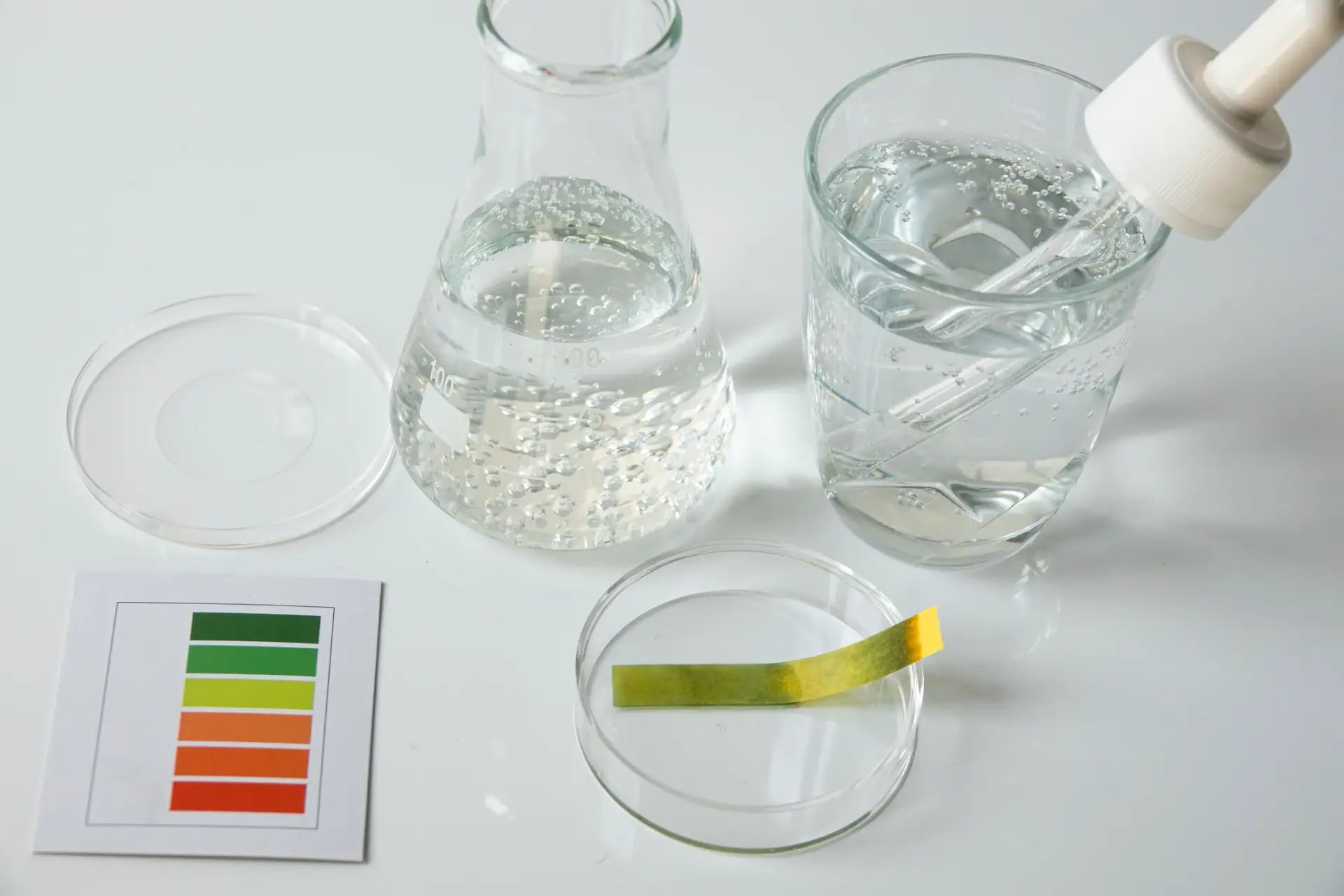
In-house tools are handy for quick checks. They often spot basic issues that could affect daily life. Homeowners use them to catch warning signs early.
Cost and Accuracy Considerations
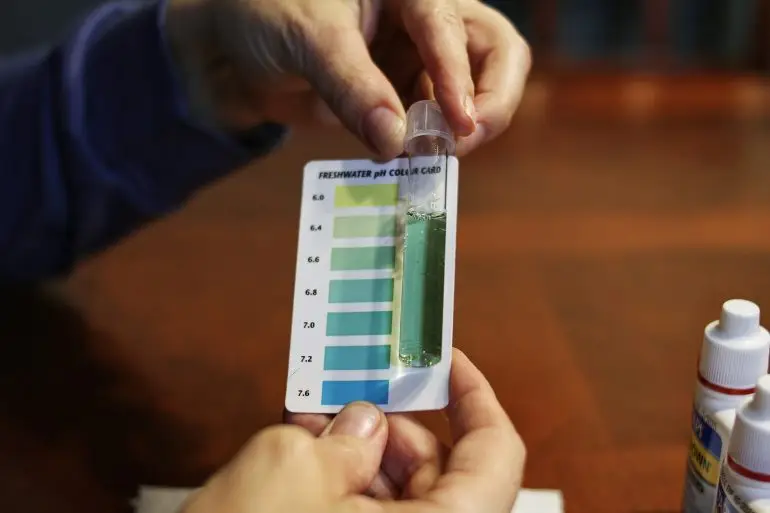
DIY kits are cheaper upfront. But, their results might not be precise. On the other hand, certified labs use advanced tools and skilled staff. They ensure drinking water safety with detailed assessments. Experts identify contaminants and suggest ways to improve water quality.
- Comparative expenses over time
- Relevance of expert interpretation
- Value of recognized documentation
Scope of Analysis
Professional services go beyond basic checks like pH or chlorine. They test for heavy metals and microorganisms that could harm health. Their results meet EPA standards, building trust in the findings. This detailed analysis enhances drinking water safety in every household.
Legal Obligations for Water Suppliers
Water systems in the United States face strict responsibilities to protect public health. They must adhere to federal standards set by national laws and industry guidelines. Many turn to accredited laboratories to ensure every sample meets quality benchmarks.
Federal Regulations
The Safe Drinking Water Act mandates ongoing testing to track contaminants and chemical levels. Federal agencies dictate rules for sampling schedules. There are many eyes watching for accurate reporting. Failure to comply can result in severe penalties for utilities.
State and Local Oversight
States can impose stricter rules based on local needs. Authorities may require additional monitoring or narrower contaminant limits. They often verify reports from accredited laboratories for extra assurance. System operators who fail to comply face fines or legal action, promoting consistent testing.
| Legal Mandate | Key Requirement |
| Safe Drinking Water Act | Regular contaminant analysis |
| State Water Codes | Stricter limits and enhanced monitoring |
Future Developments in Drinking Water Testing
Research by the EPA is expanding to tackle a wide array of emerging contaminants. This includes PFAS, microplastics, and antibiotic-resistant microbes. Scientists are working on developing faster detection tools. These tools aim to identify threats early, leading to quicker public safety responses.
Advances in sensors and AI-based analysis could revolutionize water quality monitoring. Labs might soon be able to test water quality instantly. This could streamline the process of water testing methods.
Remote systems that send real-time data are becoming essential for municipalities. These systems help cities keep up with changing conditions. Collaboration between labs, universities, and federal agencies ensures that the latest research informs best practices.
These partnerships drive the evolution of water testing methods. They also introduce new protocols regularly.
“Leading experts predict smarter instrumentation that collects and interprets complex results with remarkable speed and accuracy.”
Portable devices are being developed for on-demand sampling. This could help communities respond to contamination events more efficiently. Such advancements promise to protect resources and increase confidence in tap water quality.
Ensuring Trust in Every Drop
Clean drinking water is a cornerstone of trust. The Environmental Protection Agency (EPA) advocates for transparent reporting, keeping communities informed about risks. Microbiological water testing is key, detecting harmful pathogens early to safeguard public health.
Skilled technicians and advanced equipment are at the heart of this effort. They adhere to rigorous methods, ensuring accurate results through validated protocols. When test outcomes are clearly communicated, it boosts public confidence and encourages responsible water management.
Collaboration among government bodies, water providers, and scientists is essential. It highlights the importance of regular testing, precise analysis, and swift response to threats. Such teamwork not only secures today’s water but also safeguards the future, upholding the nation’s trust in every drop.
FAQ
Why are certified laboratories critical for ensuring drinking water safety?
Certified labs adhere to strict EPA standards and follow rigorous quality controls. This ensures they can detect harmful contaminants like bacteria and heavy metals accurately. Their work is vital for protecting public health.
What health risks can untreated or poorly tested water pose?
Untreated water may contain harmful bacteria, heavy metals, and industrial chemicals. These can lead to various health problems. Certified testing helps identify these risks early, allowing for timely action to protect the community.
What qualifications must laboratory personnel meet to test drinking water?
Lab staff typically hold degrees in chemistry, microbiology, or environmental science. They also undergo continuous training to stay updated with new methods. This ensures their competence and the accuracy of their analyses.
How do field technicians collect water samples for lab analysis?
Technicians use sterile containers and maintain the right temperatures. They label each sample for traceability. These steps help prevent contamination and ensure the sample’s integrity.
What role do accreditation bodies play in water testing?
Accreditation bodies audit labs to ensure they follow approved protocols. They check for calibrated instruments and qualified staff. This process guarantees consistent and accurate results across certified labs.
Why is water analysis so important for public health?
Regular testing helps detect pathogens and hazardous chemicals early. This allows for quick interventions by health agencies. It prevents outbreaks and protects vulnerable populations, ensuring community trust in water supplies.
Which physical parameters are commonly measured in drinking water testing?
Tests measure turbidity, color, temperature, and conductivity. These indicators help assess water quality. Changes in these parameters can signal contamination or shifts in the water source.
How do certified labs conduct chemical water testing?
Labs use advanced tools like ICP-MS to detect trace metals and chemicals. They also test for nitrates and other contaminants. This ensures compliance with regulatory guidelines.
What methods are used in microbiological water testing?
Microbiological testing uses membrane filtration to detect pathogens. Labs follow strict protocols to avoid false positives. This ensures reliable detection of microbial threats.
How do labs interpret water test data to confirm safety?
Labs use quality assurance measures to validate results. They compare contaminant levels against EPA standards. This ensures timely action if levels exceed safe limits.
Should water be tested regularly, and why?
Seasonal changes and environmental factors can introduce contaminants. Regular testing tracks water quality trends. It helps catch issues before they spread widely.
Which contaminants are commonly found in municipal and private water supplies?
Heavy metals and industrial pollutants are common. Certified labs use sophisticated instruments to detect trace levels. This confirms whether water remains safe.
What are some advanced technologies impacting modern water testing?
Innovations include molecular diagnostics and AI-driven data analysis. These methods quickly identify emerging contaminants. They aid health agencies in making swift decisions.
How do in-house test kits differ from certified laboratory services?
Home kits provide basic information quickly. Certified lab reports offer detailed, legally recognized testing. While home tests are cost-effective, they lack the thoroughness needed for compliance.
What legal obligations do water suppliers have under federal and state regulations?
Under the Safe Drinking Water Act, suppliers must test through accredited labs. They must meet federal limits for contaminants. State and local regulations may have stricter guidelines, making compliance essential.
Which future developments might shape water testing methods?
Research addresses new contaminants like antibiotic-resistant bacteria. It also focuses on more sensitive detection for PFAS. Collaborations drive real-time monitoring and advanced diagnostics, protecting public health.
How does transparency in reporting foster trust in the water supply?
Transparency builds trust by sharing testing protocols and results. Suppliers and agencies reassure consumers that public health is the top priority. This openness strengthens confidence in the water supply.