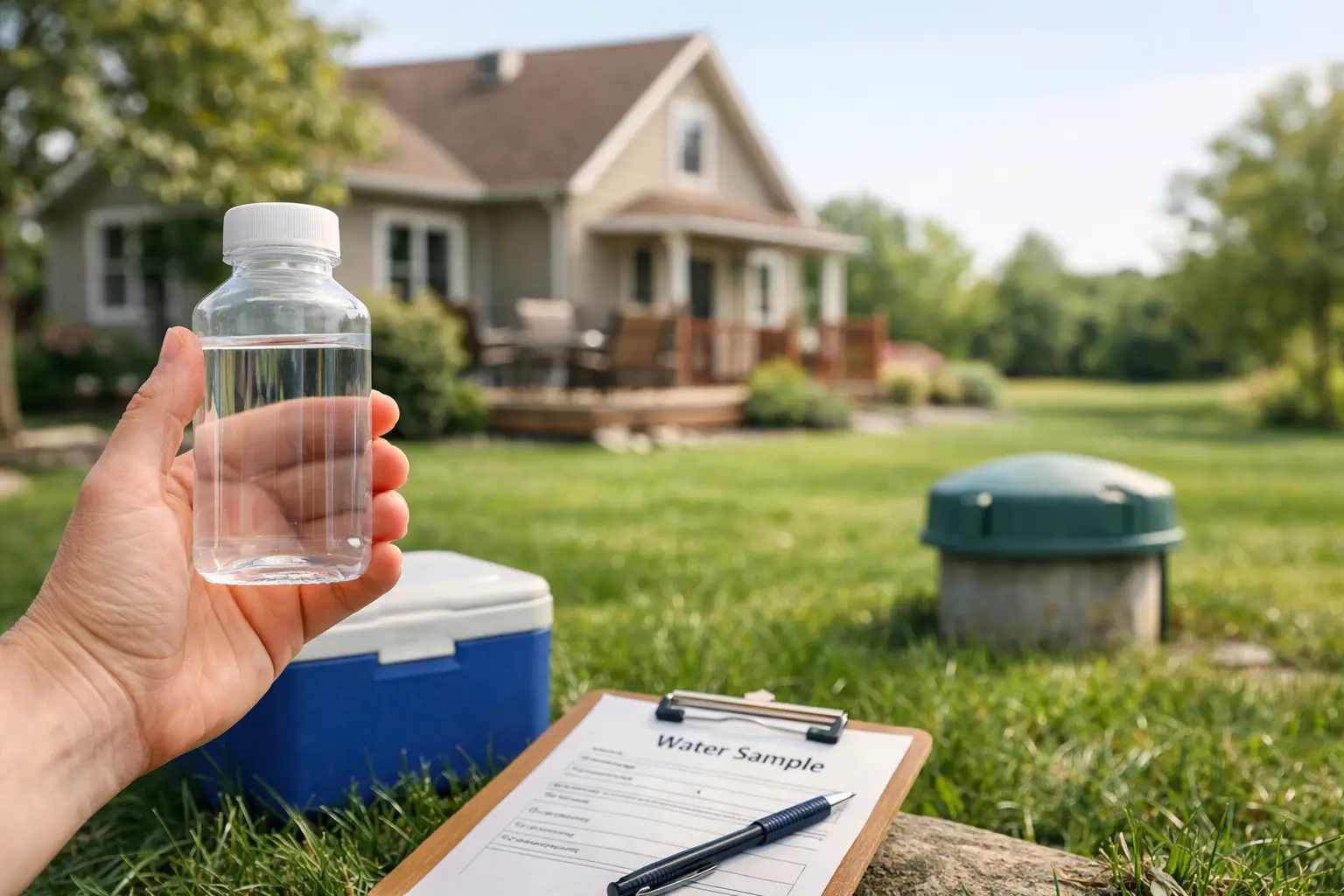
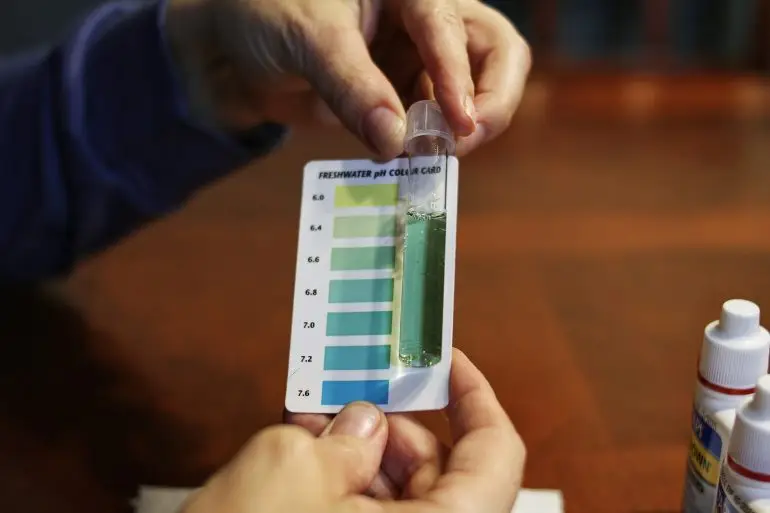
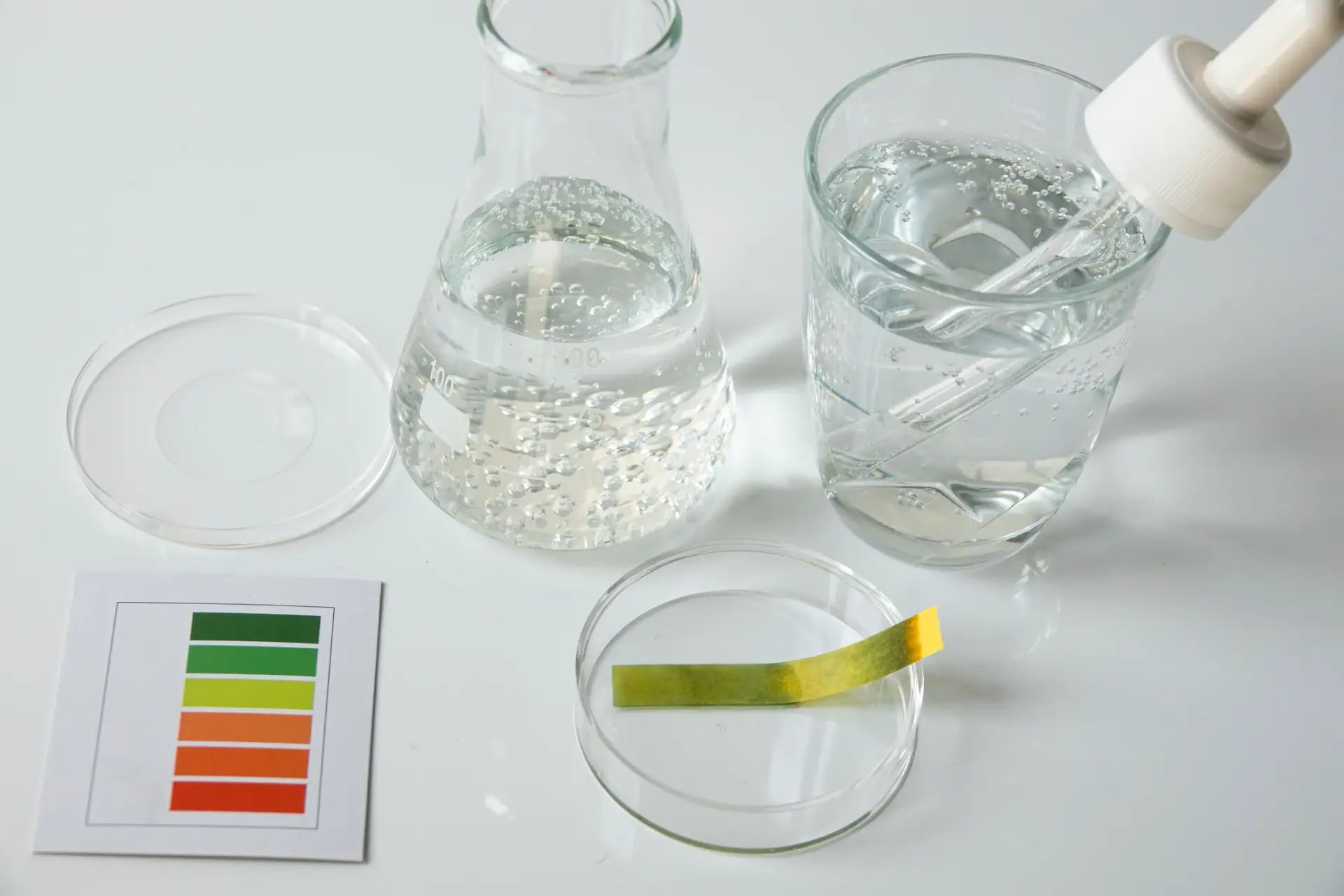
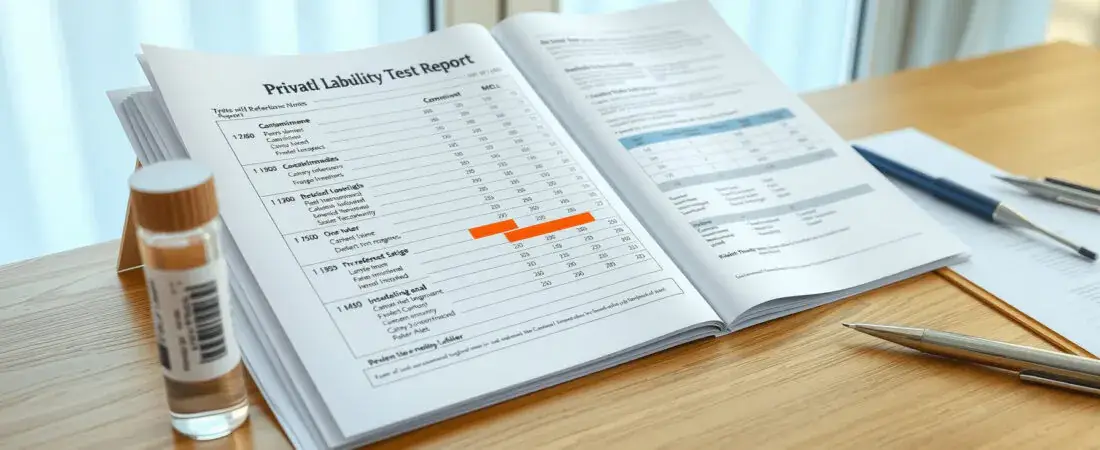
In the world of home maintenance and environmental safety, we often treat “tap water” as a single entity. We turn the handle, and water comes out. However, in 2026, as our understanding of premise plumbing and microbial ecology continues to grow, experts are placing greater emphasis on an important distinction: the water traveling through cold pipes and the water coming from hot water systems can have very different characteristics.
Temperature, plumbing materials, water heater conditions, storage time, and internal distribution systems can all influence water quality. Because of these differences, evaluating only one part of a property’s water system may leave important questions unanswered. A home’s cold water supply may appear acceptable while hot water lines could present separate concerns related to metals, sediment, or other contaminants.
Whether you are a homeowner in a historic Jersey City brownstone or a property manager overseeing a modern complex in the Bronx, understanding both hot and cold water systems is an important part of maintaining water safety. Water testing for lead contamination in Queens can help identify potential risks and provide a clearer picture of how plumbing conditions may influence the quality of water throughout a property.
The Thermal Catalyst: Why Hot Water Leaches More Lead
The most significant reason to test hot and cold water separately is the role of temperature in chemical reactions. Heat acts as a catalyst for corrosion. In 2026, even with the widespread replacement of lead service lines, many homes still contain older brass fixtures or lead-soldered copper pipes behind the walls.
When water is heated and stored in a tank, it becomes significantly more aggressive. Hot water dissolves metals like lead and copper at a much higher rate than cold water. This is why federal and state regulations consistently advise against using the hot water tap for drinking, cooking, or making baby formula. A cold-water test might show lead levels at a safe 2 parts per billion (ppb), while the hot water from the same faucet could spike to 15 ppb or higher due to the internal corrosion of the water heater or the pipes leading from it.
The Biological Divide: Legionella and the “Growth Zone”
While lead is a chemical concern, the biological profile of your home’s water is also temperature-dependent. Cold water (ideally kept below 68°F or 20°C) typically keeps bacteria in a dormant state. However, the hot water system—especially the storage tank—can inadvertently become an incubator.
The bacteria Legionella, which causes Legionnaires’ disease, thrives in warm, stagnant water between 77°F and 113°F. If your water heater is set too low to save energy, or if there are “dead legs” in your hot water piping where the water cools down, you could have a biological failure in your hot water line that would never show up on a cold-water sample. Using specialized testing methods for both lines is the only way to ensure that your “comfort” water isn’t a hidden health risk.
The Water Heater as a Contaminant Concentrator
Your water heater does more than just warm up the water; it acts as a settlement tank. Over years of operation, minerals like calcium and magnesium—along with sediment and heavy metal flakes—settle at the bottom of the tank. This creates a “sludge” layer that can interact with the water chemistry.
In many 2026 audits, we see “Total Dissolved Solids” (TDS) readings that are significantly higher in hot water samples than in cold water samples. This is often due to the breakdown of the sacrificial anode rod—a metal rod inside your heater designed to corrode so the tank doesn’t. While this process protects the tank, it can add aluminum or magnesium to your hot water stream, sometimes causing a “rotten egg” smell or a metallic taste that is absent in the cold water. Our faq section covers how these “aesthetic” issues are often the first sign that a separate hot water test is needed.
Point-of-Use vs. Source Failures
Testing both lines separately allows you to “triangulate” the source of a problem. If both the hot and cold water fail for a specific contaminant, the problem is likely at the source (the city main or the service line entering the house). However, if only the hot water fails, you have successfully isolated the problem to your water heater or the hot-water-specific plumbing.
This distinction is vital for interpreting results and deciding on a remediation strategy. There is no sense in replacing a main service line if the lead is only leaching from a single old hot-water valve under your kitchen sink. Separate testing provides the surgical precision needed to fix problems without unnecessary expenses.
Aesthetic Discrepancies: Cloudiness and Odor
Have you ever noticed that your hot water looks “milky” while the cold water is crystal clear? This is often just dissolved air being released as the water warms up, but it can also be a sign of “thermal precipitation” of minerals.
In 2026, as we see more “hard water” issues across the Northeast, the hot water line is often the first to show signs of scaling. This scale can trap bacteria and other particulates, creating a “dirty” hot water stream. By documenting these differences in a professional blog or report, homeowners can better understand why their showerheads keep clogging even though their drinking water seems fine.
The Impact of Modern “Eco” Settings
Many modern water heaters in 2026 come with “Eco” or “Vacation” modes that drop temperatures to save electricity. While great for your utility bill, these lower temperatures can compromise water safety by allowing microbial regrowth.
If you are a landlord or a building manager, separate testing is a key part of your liability management. It proves that you are monitoring the specific risks associated with hot water distribution, which are inherently different from the risks of the cold water supply. This proactive stance is becoming a cornerstone of modern regulations regarding building safety and habitability.
Conclusion: Two Pipes, Two Profiles
The bottom line is that the water used for washing your face and the water used for drinking are not always identical. They may travel through different plumbing paths, reach different temperatures, and interact with different materials before reaching the tap. Treating them as a single “composite” sample can hide important differences and potentially overlook elevated lead levels or the presence of other water quality concerns. Working with lead water testing experts in New York City can help ensure each water source is properly evaluated for a more accurate understanding of your water safety.
The most effective next step for any safety-conscious resident is to ensure their next water audit includes separate sampling for hot and cold taps. If you have only ever tested your “cold” water, the best path forward is to contact a professional today to schedule a dual-line audit. Don’t leave half of your plumbing to chance—get the full picture of your home’s water health.