In the modern kitchens of Jersey City, Staten Island, and the Bronx, the countertop pitcher or refrigerator filter has become a symbol of health-conscious living. In 2026, many families operate under the assumption that if water passes through a carbon block, it emerges on the other side as a pristine, “blank slate.” We have been conditioned to believe that a filter is a universal shield against all contaminants.
However, as professional laboratory audits increase across the tri-state area, a troubling pattern is emerging. Laboratory results are consistently showing that while home filters are excellent at making water taste better, they are frequently missing some of the most significant health-related contaminants. From “forever chemicals” to dissolved heavy metals, the gap between what a filter claims to do and what a lab report proves is often wider than homeowners realize.
The Aesthetic Trap: Why Taste Isn’t Safety
The main reason for this difference lies in how many common consumer filters are designed. Most pitcher and faucet-mounted filtration units are primarily created for improving water aesthetics rather than addressing every possible contaminant. They are often effective at reducing chlorine and chloramines, the disinfectants responsible for the noticeable “swimming pool” smell and sharp taste sometimes found in city water. For residents looking for more detailed information about potential contaminants, understanding where to test water for lead in NYC can help identify the right testing approach for their needs.
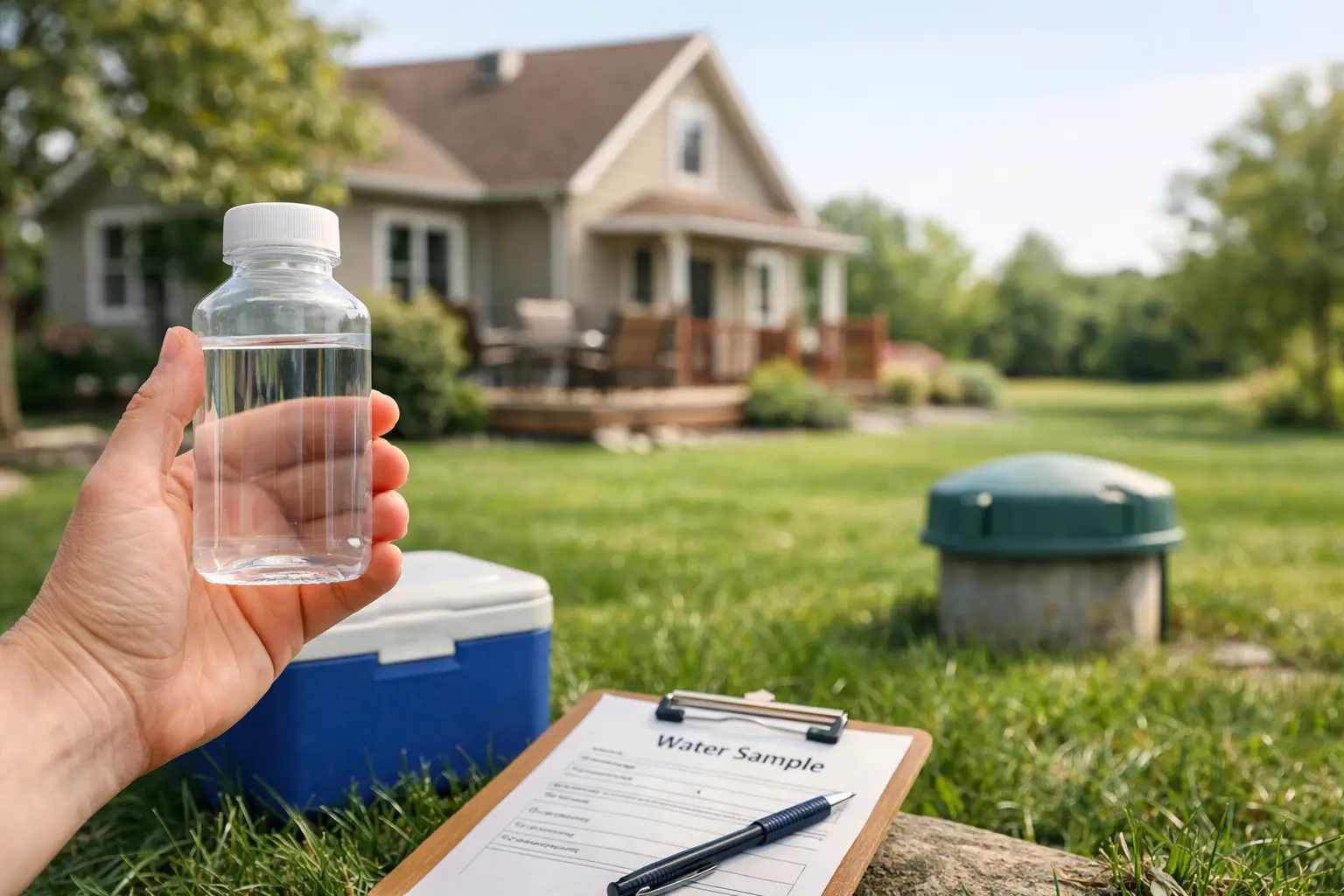
When the chlorine is removed, the water tastes crisp and clean. However, the dangerous reality in 2026 is that many of the most harmful contaminants are completely tasteless, odorless, and colorless. Lead, arsenic, and PFAS do not announce their presence through your palate. A filter can be 100% successful at making your water taste like a premium bottled brand while being 0% effective at removing the dissolved lead leaching from the 1950s-era pipes in your building’s basement. This is why interpreting results from a certified lab is the only way to know if your filter is actually providing protection or just a flavor upgrade.
The Lead and Heavy Metal Bypass
One of the most common “misses” identified in recent laboratory audits is dissolved lead. While some high-end filters are certified for lead reduction, many basic carbon filters are not. Lead enters the water in two forms: particulate (tiny flakes) and dissolved (ions).
Basic activated carbon works like a sponge, but its “pores” are often too large to trap dissolved metal ions. Furthermore, if a filter is used past its recommended lifespan, the accumulated lead can actually “break through” the filter media, sometimes resulting in filtered water that has higher concentrations of lead than the tap water itself. On our blog, we frequently highlight cases in Staten Island where new “lead-free” fixtures and basic filters still resulted in failed tests because the dissolved lead from the service line was simply too small for the filter to catch.
The Rise of Short-Chain PFAS in 2026
In 2026, the spotlight has shifted to “forever chemicals” or PFAS. While the EPA has introduced strict new regulations for PFOA and PFOS, laboratory data is showing that common home filters struggle with “short-chain” PFAS.
Standard carbon filters are relatively good at trapping long-chain PFAS molecules because they are “stickier.” However, the shorter-chain variants often used in modern manufacturing are more mobile and less likely to adhere to the carbon. Laboratory reports from Jersey City condos are increasingly showing that while a filter might reduce the “famous” PFAS chemicals, the newer, unregulated versions are passing right through the filter. Without a specialized reverse osmosis or ion-exchange system, these chemicals remain a persistent presence in the family’s drinking water.
Biological Breakthroughs and Biofilm
Another area where filters often fail is in the management of bacteria. Ironically, a filter can sometimes become a breeding ground for the very things it is supposed to prevent. By removing chlorine—the disinfectant that keeps water safe—the filter creates a perfect, low-oxygen environment for “biofilm” to grow inside the cartridge.
In 2026, lab audits are finding high “Heterotrophic Plate Counts” (HPC) in filtered water from systems that aren’t meticulously maintained. This is a common topic in our faq, as many residents don’t realize that a filter sitting in a warm kitchen for six months can become a biological hazard. A lab test is the only way to identify if your filter has crossed the line from a safety device to a contaminant source.
The Certification Gap: NSF 42 vs. NSF 53
When choosing a filter, many consumers see an “NSF” logo and assume it covers everything. However, laboratory failures often stem from a misunderstanding of these certifications:
- NSF/ANSI 42: This only covers “Aesthetic Effects”—meaning it’s only proven to make the water look and taste better.
- NSF/ANSI 53: This covers “Health Effects”—meaning it is certified to reduce specific contaminants like lead, VOCs, and cysts.
If your filter only carries a Standard 42 certification, lab results will almost certainly show that it is missing the heavy hitters. In our testing methods, we specifically look for the “misses” that occur when a filter is overmatched by the local water chemistry.
Infrastructure Vibrations and Particulate Pulses
Jersey City and the Bronx are currently undergoing significant water main work. The mechanical vibrations from this construction can send “pulses” of sediment through the pipes. While a filter might catch some of this debris, the sheer volume of particulate matter can “blind” or clog a filter in a single afternoon.
When a filter is overwhelmed by sediment, the water may find a “path of least resistance,” effectively bypassing the filtration media entirely through tiny cracks or around the seals. Laboratory retests performed after local construction often show that filters are failing to stop the fine silt and associated metals that characterize these infrastructure disturbances.
Conclusion: Closing the Protection Gap
A water filter is a valuable tool for improving water quality, but in 2026, it should not be considered a set-it-and-forget-it solution. Laboratory findings show that filters may not address contaminants they are not specifically designed to remove or issues caused by improper maintenance. For families in Staten Island and throughout the region, the best way to confirm that “filtered” truly means “safe” is through regular, professional evaluation. Accredited lead water testing in New York City can provide accurate verification and help ensure your water treatment system is working effectively.
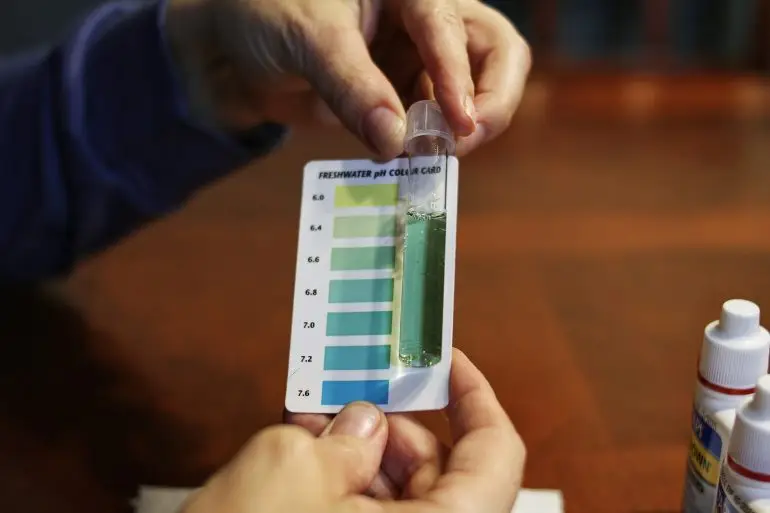
The most effective next step for any resident using a home filtration system is to move beyond the “taste test” and look at the actual chemistry. If you have been relying on a filter but haven’t seen a lab report of the filtered water, the best path forward is to contact a specialist today to schedule a performance audit. We can help with interpreting results to ensure your investment in filtration is actually protecting your family’s health.