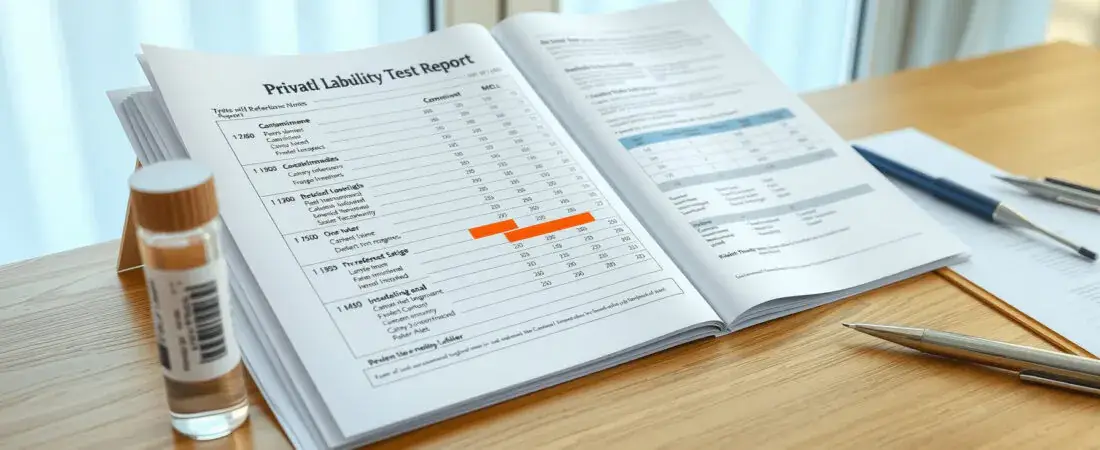
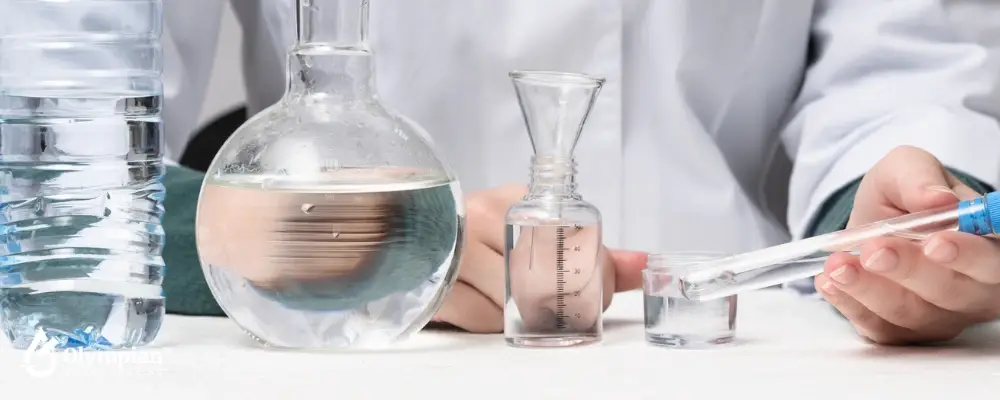
Choosing a water testing lab with proven methods is essential for safe water testing. Many individuals prioritize reliable lab selection to avoid risks from poor techniques and delays. This approach fosters trust, adheres to local regulations, and safeguards water sources.
Accreditation from recognized bodies and adherence to Good Laboratory Practice guidelines are key to obtaining accurate test results. Experts liken it to medical diagnostics, where each measurement must be precise for informed health decisions. This focus on quality highlights the importance of clear communication and consistent procedures.
Key Takeaways
- Choosing a water testing lab with recognized standards reduces chances of flawed tests
- Accreditation reveals a commitment to accurate test results
- Reliable lab selection helps meet local rules and supports public health
- Safe water testing ensures confidence in supplies at homes and businesses
- Good Laboratory Practice guidelines spotlight quality controls at every step
Understanding the Role of a Laboratory in Water Quality
Maintaining safe water supplies is essential for public health. A reliable facility tests samples for impurities and hazards. This ensures communities are protected from risks and preserves local habitats.
Independent labs follow strict practices for accredited water testing. This provides accurate data for health strategies. The U.S. Environmental Protection Agency (EPA) highlights the importance of regular analysis to detect threats like bacteria or toxic metals.
Ensuring Regional Compliance
Labs across states follow strict guidelines for contaminants. This ensures consistent water analysis, giving residents quality results that meet safety standards.
Maintaining Consistent Standards
Skilled technicians regularly calibrate equipment and document each step. Uniform tools and processes minimize errors, building trust in the findings. Clear documentation fosters long-term confidence in water quality management.
Accreditation and Certification: Signs of a Credible Facility
Many facilities showcase recognized lab credentials to highlight their commitment to precise water analysis. Obtaining ISO accreditation signifies adherence to global standards. It ensures validated protocols for data collection, examination, and reporting. This process guarantees results that regulatory bodies and consumers can rely on.
Laboratory certifications, like AIHA-LAP or NABL, cover a broad spectrum of testing needs. Each certification demands rigorous checks, documented training, and precise calibration. This framework fosters a consistent testing environment. It benefits providers, regulatory agencies, and communities by providing dependable water quality data.
Comparison of Key Standards
| Program | Focus |
| ISO 17025 | Technical competence in analytical procedures |
| AIHA-LAP | Industrial hygiene and workplace safety testing |
Why a Water Testing Lab Is Crucial for Safe Water Analysis
A dedicated facility is essential for detecting subtle changes in water composition. Accurate results are critical, as small errors can lead to significant problems. Expert teams rely on safe water testing to measure chemical levels, ensuring drinking supplies are safe.
Complex threats can arise from industrial discharge or natural sources. Professionals conduct thorough contaminant analysis to identify toxins, pathogens, and disruptive elements in both surface and groundwater. Each step, from sampling to final confirmation, follows strict procedures to limit error and maintain trust.
Identifying Potentia Contaminants
Labs use advanced equipment to trace pollutants at minimal concentrations. Specialized methods highlight hidden issues, such as heavy metals or pesticide residues. This approach forms a reliable safety net by warning communities before hazards spread.
- Microscopic organisms
- Heavy metal traces
- Excess chemical compounds
Protecting Public Health
Precise evaluations drive public health safety measures across cities and rural areas. Leaders integrate safe water testing data to implement swift action plans when contamination risks intensify. Consistent contaminant analysis sets clear guidelines for improvements that shield families from illness.
These findings reinforce a broader commitment to widespread well-being. Accurate tracking strengthens resilience and fosters a shared responsibility for keeping water sources secure.
Specialized Services That Affect Accuracy and Reliability
Labs with a wide range of expertise provide advanced testing services for water analysis. Their teams use the latest tools to find trace metals, chemical residues, and emerging contaminants. These might be missed by others. They keep up with new threats, ensuring accuracy at every step.
They also conduct specialized analyses for specific conditions. This includes method-specific validation, giving deeper insights into possible hazards. The results guide effective remediation or ongoing monitoring. With dedicated staff and modern technology, they ensure reliable lab outcomes. This boosts confidence in water quality results, improving safety for communities and businesses alike.
Location Factors and Their Impact on Efficiency
Choosing a flexible testing partner often depends on location-based considerations. These can significantly cut down on lost time. Laboratories in key locations are more likely to provide efficient lab services and quicker results.
Proximity to Sampling Sites
Short travel distances are key to ensuring water samples arrive undamaged and at the right temperature. This benefits collectors by allowing for rapid drop-off, speeding up the reporting process. Such efficiency is critical for maintaining reliable data, where every minute counts in urgent testing scenarios.
Shipping Logistics and Timelines
Packaging and carrier choices directly affect costs and speed. Shipping logistics must be carefully planned to avoid delays that could spoil sensitive samples. Labs capable of handling international or regional shipments can help clients stay within budget while adhering to regulatory standards.
| Method | Typical Transit Time | Potential Add-On Fees |
| Ground Shipping | 2–5 days | Minimal |
| Express Delivery | 1–2 days | Higher Cost |
Evaluating Customer Support and Communication
Reliable labs prioritize a clear flow of information at every step. Teams at places like Eurofins or SGS adopt a responsive service approach. This ensures clients are kept informed about their samples. Such transparency helps address concerns quickly, safeguarding public health and building trust.
Many labs employ various channels to enhance client communication. They provide phone lines for immediate assistance, detailed email threads for complex discussions, and online portals for real-time updates. These efforts significantly reduce client anxiety, fostering satisfaction and a sense of support throughout the testing process.
Water analysis experts often walk clients through the final results. They offer detailed explanations of test outcomes. Following this, they might recommend additional tests or direct clients to trusted sources for ongoing safety measures.
| Method of Communication | Main Benefit |
| Phone | Immediate clarification on urgent inquiries |
| Structured record of questions and feedback | |
| Online Portal | Real-time updates on sample status and results |
Reviewing Technology and Equipment Used in Testing
Effective water laboratories depend on consistent lab technology for complex tasks. Modern instruments enable advanced water analysis by detecting trace elements with high precision. The adherence to GLP compliance ensures reproducible results, fostering trust and protecting public health.
Labs ensure their equipment is calibrated and methods validated for reliable data. They maintain organized archives, following documented protocols for each test. This approach, using lab technology from brands like Thermo Fisher Scientific or Agilent Technologies, measures contaminants down to the part-per-billion level.
Chemical Analysis Tools
Techniques like ICP-MS and HPLC identify metals, pesticides, or pollutants. These methods provide a clear view of water quality, guiding targeted solutions.
Microbiological Testing Techniques
Culturing methods and PCR-based assays detect bacteria, viruses, or pathogens. Regular checks ensure processes meet GLP compliance, informing healthcare agencies of possible health risks.
Key benefits of well-maintained equipment:
- Improved accuracy
- Prolonged instrument lifespan
- Consistent reporting
- Thorough advanced water analysis for early issue detection
| Task | Objective |
| Weekly Calibration | Preserves measurement accuracy |
| Record Archiving | Secures traceability for every test |
| Annual Validation | Ensures ongoing compliance |
Cost Considerations and Budget Planning
When balancing speed and reliability in water analysis, stakeholders often seek budget-friendly lab solutions. Clear rate structures and transparent testing costs simplify expense planning and project scope definition. Local facilities help avoid high shipping fees and currency issues, keeping financial plans on track.
While skilled technicians and modern equipment may increase costs, many find cost-effective water analysis offers lasting value. Sampling volume and periodic retesting are key factors. Including possible revisions in forecasts is prudent. Guidance from this cost overview aids in understanding pricing structures.
- Request detailed quotes before finalizing agreements
- Discuss methods for long-term billing stability
- Ask about bulk discounts on frequent tests
| Service | Estimated Range (USD) |
| Basic Chemical Panel | $50 – $90 |
| Microbiological Profile | $80 – $120 |
| Advanced Equipment Add-On | $150 – $200 |
Insider Tips for Verifying Laboratory Credentials
Ensuring water samples receive the best care starts with validated standings. Evaluating verified lab credentials protects investments and fosters confidence in reliable test outcomes. Industry acknowledgments and recognized certifications help confirm a facility’s dedication to upholding strict standards. Regular checks of licensing documentation signal a proactive approach to compliance.
Requesting Licensing Documents
One strong approach is to acquire clear proof of licensing documentation, such as ISO 17025. This step reveals genuine competence and consistent adherence to rigorous laws. Reviewing recent compliance records or testimonies supports a thorough check of a lab’s professional standing. Staff qualification records and up-to-date training confirm a robust commitment to best practices, confirming verified lab credentials in practice.
Consulting Third-Party Reviews
Clients find value in reading trusted lab reviews to spot genuine patterns of reliability. A wealth of positive feedback signals a lab’s capacity to provide prompt results and quality service. Consumer forums or industry discussions often highlight important elements like data precision, responsive communication, and ethical reporting processes. Many satisfied clients share comments on a lab’s real-world performance, providing deeper insight into data interpretation and result accuracy. Some resources, including specialized directories, compile trusted lab reviews from various regions.
Common Misconceptions About Test Results
Many people make erroneous assumptions based on a single measurement. A single reading might suggest safety, but water sources can change over time. Analysts warn that a test only shows what was checked at that moment.
Clear communication is key to reducing test results misunderstandings. Without context, analyzing data can lead to confusing conclusions. Some parameters need frequent or specialized testing. Reports must be viewed alongside established monitoring plans.
Early clarity on lab reports can prevent unnecessary treatment decisions. Experts say results should guide decisions, not be the final proof. Laboratories follow distinct standards and methods, making a reputable facility essential for reliable outcomes. Asking questions and scheduling periodic evaluations can deepen understanding, fostering trust in the insights from tested samples.
Comparing Turnaround Times and Reporting Methods
Water professionals often gauge a facility’s value by its speed in delivering results. They seek quick turnaround times to guide decisions on treatment and resource management. Labs that use modern automation tend to expedite processes and elevate data accuracy.
Some technicians focus on tailored lab reporting methods to match varied regulations. Clients managing municipal projects or industrial plants need flexible approaches that fit on-site recordkeeping. Reliable notifications about sample status and progress can boost efficient data delivery when deadlines matter.
Electronic Versus Physical Reporting
Online portals and email updates allow faster access to final figures. Verifying data through web-based dashboards helps minimize paperwork and reduces shipping delays for final documents. Physical copies remain vital for certain filings, though they can require additional time for printing and transport.
Detailed Versus Summary Reports
Some facilities create concise snapshots that highlight key numbers. Rapid reviews of these findings can prompt immediate decisions. Others assemble in-depth breakdowns covering methodology, comparative charts, and compliance guidelines. Each format meets distinct needs, from routine quality checks to regulatory audits.
| Method | Delivery Speed | Key Benefit |
| Electronic | Same-Day or Next-Day | Minimized Paperwork |
| Physical | Up to Several Days | Enhanced Archiving |
Working with Laboratories for Ongoing Water Safety
Keeping water supplies clean is a continuous challenge. Building strong relationships with trusted labs ensures tests stay up-to-date. This leads to more accurate assessments, benefiting public health and guiding decisions on water treatment upgrades.
Experts stress the importance of continuous monitoring to catch early signs of problems. Labs following EPA guidelines store data for easy comparison, helping prevent contamination. Good lab practices also ensure data security, critical for tracking samples over years.
Long-term lab partnerships offer a solid foundation for water quality management. They provide a framework for planning, with shared research and regular reviews. This collaboration boosts confidence, from local communities to municipal leaders, ensuring water safety for all.
Securing Long-Term Confidence in Your Water Quality
Building trust in water analysis starts with a strong partnership and certified experts. Through rigorous methods, we can identify possible dangers and guide communities to quick action. This foundation boosts public confidence and fosters a healthier environment.
Adopting sustainable water testing solutions leads to better planning and infrastructure choices. Facilities that meet Environmental Protection Agency standards offer transparent tracking of contaminants. This empowers communities to make safer choices and preserve vital resources.
Data-driven strategies play an important role in maintaining continuous water safety and ensuring compliance with local standards. Regular evaluations and timely reporting help identify potential risks, reduce long-term costs, and support more reliable water management practices. Certified water testing services in Brooklyn provide accurate insights and clear communication, helping strengthen water systems and protect this essential resource for current and future generations.
FAQ
Why is ISO 17025 accreditation essential for a water testing lab?
A: ISO 17025 accreditation proves a lab’s technical competence and quality control. It ensures accurate and consistent results. This is critical for maintaining high standards in testing and calibration.
How do regulations like EPA guidelines influence a lab’s testing process?
The Environmental Protection Agency (EPA) sets rules for safe drinking water. Labs must adhere to these by using validated methods and keeping detailed records. This ensures testing meets official criteria, protecting public health and the environment.
Why is adherence to GLP considered a best practice?
A: Good Laboratory Practice (GLP) ensures standardized operations from sample collection to reporting. Following GLP minimizes errors and maintains consistent procedures. This builds trust in the data provided to regulatory bodies and stakeholders.
What role do advanced technologies like ICP-MS or HPLC play in water analysis?
Technologies like ICP-MS and HPLC detect trace elements and complex compounds at low concentrations. They provide precise measurements, supporting remediation efforts and protecting communities from harmful contaminants.
Can specialized testing methods identify emerging pollutants like PFAS?
Yes. Labs use advanced techniques to detect PFAS (Per- and Polyfluoroalkyl Substances). These methods reveal trace levels of pollutants, enabling accurate risk assessments and early interventions.
Why does location matter when choosing a water testing laboratory?
Proximity ensures sample integrity by reducing shipping times and preventing temperature fluctuations. Nearby labs also simplify compliance with local regulations, reducing logistical hurdles and ensuring faster results.
How does strong customer support enhance the testing process?
Reliable communication clarifies sampling procedures and provides timely updates. Proactive support builds trust, reduces confusion, and facilitates prompt actions if contaminants are found.
Are microbiological tests like PCR important for water safety?
Absolutely. PCR (Polymerase Chain Reaction) rapidly detects bacteria, viruses, and pathogens. Labs using PCR help protect water supplies against biological contamination.
How should clients approach budget planning for water testing?
Clear pricing and transparent billing are essential. While high-quality analyses and skilled technicians may cost more, they prevent costly retests, fines, or health hazards in the long run.
Why are third-party reviews and licensing documents important?
Certifications like ISO 17025 or state licenses, along with independent testimonials, confirm a lab’s reliability. They offer a practical way to assess real-world performance and customer satisfaction.
Is one negative test result enough to guarantee water safety forever?
No. Water quality can change due to various factors. Regular testing provides ongoing data, ensuring continuous monitoring and public trust.
Do faster turnaround times compromise the precision of lab results?
Not necessarily. Labs using automation or online portals can process samples quickly without losing accuracy. What’s key is whether the lab follows recognized standards and maintains quality controls.
How do long-term partnerships with testing labs support environmental sustainability?
Ongoing collaborations enable consistent monitoring and early detection of risks. They allow for targeted remediation, helping communities, businesses, and regulatory bodies protect water supplies for future generations.