Regulations
Federal Safe Drinking Water Act Basics
The Safe Drinking Water Act (SDWA), enacted in 1974 and amended several times since, is the cornerstone of U.S. drinking-water protection. Its purpose is to ensure that water supplied by public systems meets health-based standards set by the U.S. Environmental Protection Agency (EPA). The SDWA covers more than 150,000 public water systems nationwide, serving nearly 90% of the U.S. population.
Under the Act, the EPA establishes Maximum Contaminant Levels (MCLs) and treatment techniques for over 90 regulated substances, including lead, arsenic, nitrates, and microbial contaminants. These standards are legally enforceable, and utilities must regularly test their water, report findings, and notify customers of any violations or risks.
The SDWA also requires source-water protection, operator certification, and public right-to-know provisions, meaning consumers have the right to access their system’s annual Consumer Confidence Report (CCR). This transparency helps communities understand their local water quality and any steps being taken to maintain safety.
Recent amendments have expanded focus areas such as emerging contaminants like PFAS and pharmaceutical residues, encouraging states and laboratories to develop more sensitive detection methods. The Act also provides funding assistance through the Drinking Water State Revolving Fund (DWSRF) to help utilities upgrade infrastructure and meet compliance.
Overall, the SDWA sets the framework for water safety across the U.S., ensuring that public systems are accountable, regularly monitored, and transparent in their communication with consumers.
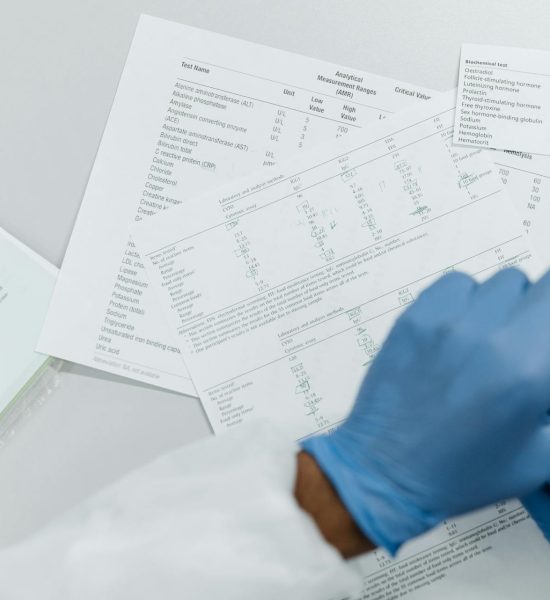

Private vs. Public Testing Requirements
The Safe Drinking Water Act applies only to public water systems, leaving private wells outside of federal regulation. This distinction means that well owners are personally responsible for testing and maintaining their water quality. While public systems must adhere to EPA standards and testing schedules, private well testing is voluntary, though strongly recommended.
Public systems are required to test water at specific intervals for both regulated and unregulated contaminants, report results to state agencies, and notify consumers of any exceedances. Their data is routinely reviewed by the EPA or state regulators to ensure ongoing compliance.
In contrast, private wells, which serve an estimated 40 million Americans, are not subject to these rules. States may offer guidelines or local testing programs, but frequency and scope vary widely. Most experts recommend testing private wells annually for bacteria and nitrates, and every 3–5 years for metals and chemicals like arsenic or PFAS.
This regulatory gap highlights the importance of individual responsibility for those on private water sources. Homeowners must arrange their own sampling, interpretation, and, if needed, remediation. Fortunately, many state health departments and certified laboratories provide affordable testing kits and guidance.
While public utilities have built-in oversight, private well owners must be proactive. Regular testing ensures early detection of problems, helps prevent health issues, and protects property value. Understanding the difference between federal oversight and private responsibility is key to ensuring clean, safe drinking water for all.