Interpreting Results
Understanding MCL, MCLG, SMCL Values
When reviewing water test results, it’s essential to understand key regulatory terms used by the EPA and other agencies. Three common values appear on reports: MCL (Maximum Contaminant Level), MCLG (Maximum Contaminant Level Goal), and SMCL (Secondary Maximum Contaminant Level).
MCL represents the legal limit for a contaminant in drinking water. Water utilities must comply with MCLs to meet federal standards. Exceeding an MCL means the water may pose health risks and triggers mandatory notification and corrective action. For example, the MCL for lead is set at 15 parts per billion, requiring remedial measures if exceeded.
MCLG is the health-based goal for a contaminant, established without considering treatment feasibility. MCLGs are usually set at zero for substances known to cause cancer or other serious health effects, reflecting the ideal safe level. While not enforceable, MCLGs help consumers understand the potential risk of exposure even when the MCL is within compliance.
SMCL refers to secondary standards addressing non-health-based water qualities, such as taste, color, and odor. SMCLs help ensure water is aesthetically acceptable to consumers but are not legally enforceable. For instance, high iron or manganese levels may exceed SMCLs, causing staining or discoloration, without posing immediate health risks.
Understanding these values helps homeowners interpret water testing reports with greater accuracy. MCLs indicate regulatory limits, MCLGs represent ideal health-based goals, and SMCLs focus on aesthetic factors such as taste, odor, and appearance. Together, these standards provide a more complete picture of overall water quality. Services such as Certified drinking water testing in the Bronx can help homeowners better understand their results and identify potential concerns within their water supply.

What Exceedances Mean
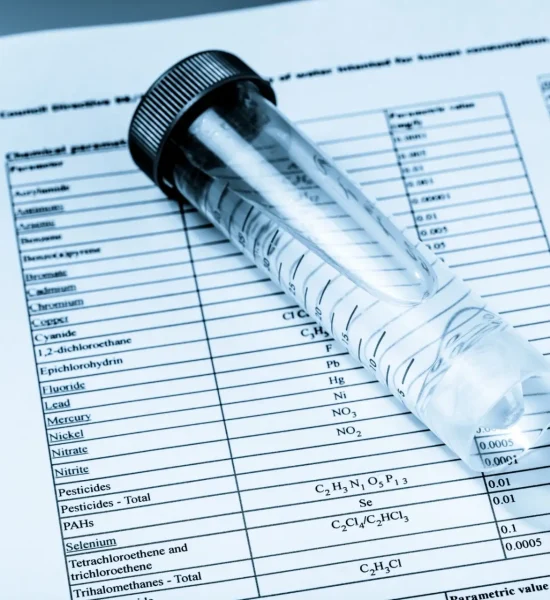
When a contaminant exceeds its MCL, it indicates that water may pose potential health risks if consumed over time. Exceedances are not always emergencies but signal the need for action to reduce exposure. For example, elevated lead or arsenic levels require immediate attention due to their long-term effects on organ systems and child development.
Exceedances can occur for a single tap or throughout a distribution system. Causes include aging pipes, local plumbing issues, industrial runoff, agricultural contamination, or natural mineral deposits. Identifying the source is critical for effective remediation. Sometimes, a single exceedance triggers retesting to confirm the result, as laboratory error or sample contamination can occur.
When an exceedance is detected, homeowners should take precautionary steps, such as using certified filters, flushing taps, or avoiding consumption of water from the affected source until treated. Utilities are typically required to notify consumers if MCL violations occur, providing guidance on safe use and mitigation measures.
Exceedances of SMCLs are less serious but can affect taste, color, and odor. While they don’t directly threaten health, they may indicate changes in water chemistry that warrant monitoring.
Understanding contaminant exceedances helps consumers make informed decisions about their water quality. By identifying which levels may indicate health concerns versus aesthetic issues, individuals can prioritize necessary improvements, consider appropriate filtration options, and reduce exposure to unwanted contaminants. Regular monitoring and services such as Environmental water testing in the Bronx can help detect exceedances early and support timely action to protect everyday water use and long-term health.